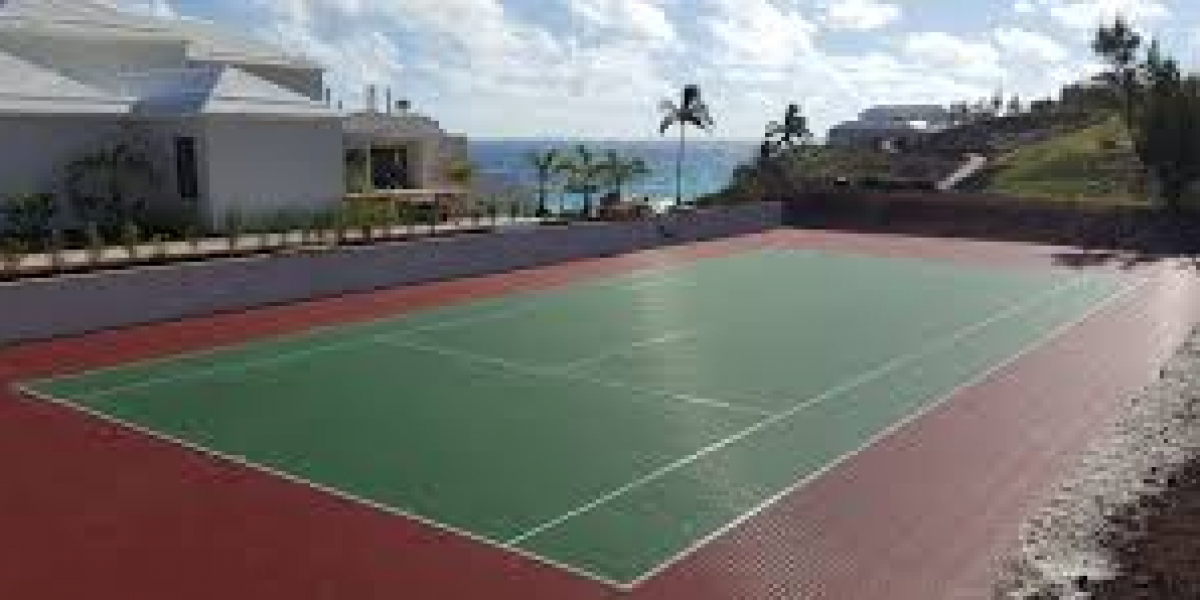
When it comes to building a tennis court, one of the most crucial aspects is choosing the right tennis court flooring. The surface you select not only affects the performance and safety of players but also impacts the court’s durability, maintenance needs, and cost. Whether you're planning a court for a school, club, or private use, understanding your flooring options is essential.
There are several types of tennis court surfaces available today, each offering unique advantages. Below are the most commonly used options:
Best for: Outdoor courts
Features: ITF-certified, UV-resistant, low maintenance
Performance: Offers medium to fast ball bounce, excellent traction, and shock absorption
Durability: 10–15 years with minimal upkeep
Installation: Applied over asphalt or concrete base in multiple layers
Best for: Professional and training purposes
Features: Slower ball bounce, encourages longer rallies
Maintenance: Requires frequent watering and sweeping
Comfort: Soft on joints but more maintenance-intensive
Best for: Residential and multi-purpose sports areas
Features: Low-impact surface, attractive aesthetic
Performance: Fast pace, similar to natural grass
Maintenance: Needs regular brushing and infill replenishment
Best for: Commercial & public courts
Features: Durable, low cost
Performance: Fast pace, high impact on joints
Improvement: Often topped with acrylic coatings for better play
Best for: Indoor training facilities, senior players
Features: Added rubber layers for impact absorption
Performance: Comfortable with medium pace
When selecting the right surface, consider these key factors:
Player Type: Recreational vs professional
Weather Conditions: Outdoor courts need UV- and rain-resistant coatings
Budget: Includes installation and long-term maintenance
Usage: Frequency of play, number of players
Maintenance Capability: Some surfaces require daily care
Acrylic flooring is a popular choice in India and globally due to its balance of performance, affordability, and low upkeep. Here's why it stands out:
ITF-approved surfaces
Customizable bounce speed (ITF Pace Ratings)
UV, algae, and mold resistant
Quick drying after rain
Excellent grip and playability
The average cost of constructing a synthetic acrylic tennis court in India ranges from ₹10 lakh to ₹25 lakh, depending on:
Site conditions
Surface type
Drainage and fencing
Accessories (nets, poles, lighting)
Clean regularly to remove dust and debris
Reseal or resurface every 5–8 years
Inspect for cracks or water drainage issues
Avoid sharp objects or shoes with spikes
Choosing the right tennis court flooring is essential for ensuring long-term performance, safety, and enjoyment. Acrylic synthetic surfaces remain a top choice for modern tennis courts, offering durability, low maintenance, and excellent gameplay experience. Whether you're a school, sports club, or private owner, investing in quality flooring will ensure your court stands the test of time.
Need expert consultation or court installation?
Reach out to certified professionals at TennisFlooring.com to get started with your dream court today.

varun sharma
3 posts
-
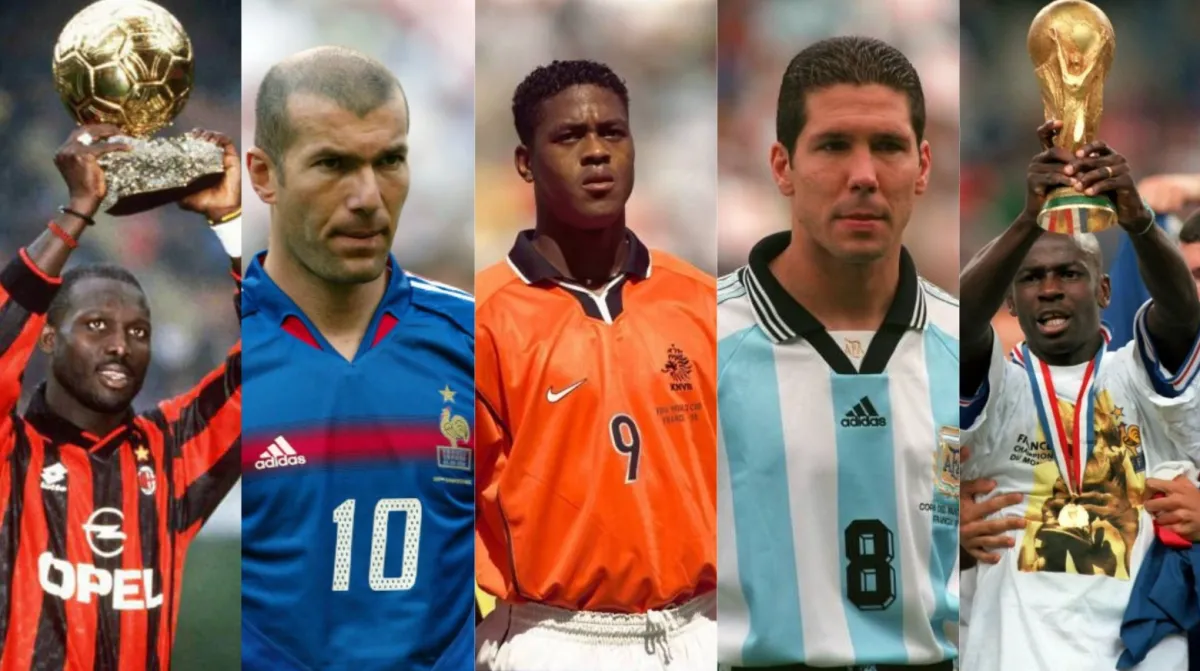 Con của các huyền thoại sẽ thi đấu tại World Cup 2026
World Cup 2026 không chỉ là sân khấu của các ngôi sao đương đại, mà còn là nơi nhiều cầu thủ mang theo di sản gia đình, ước vọng viết tiếp câu chuyện của cha ở đấu trường lớn nhất thế giới.
-
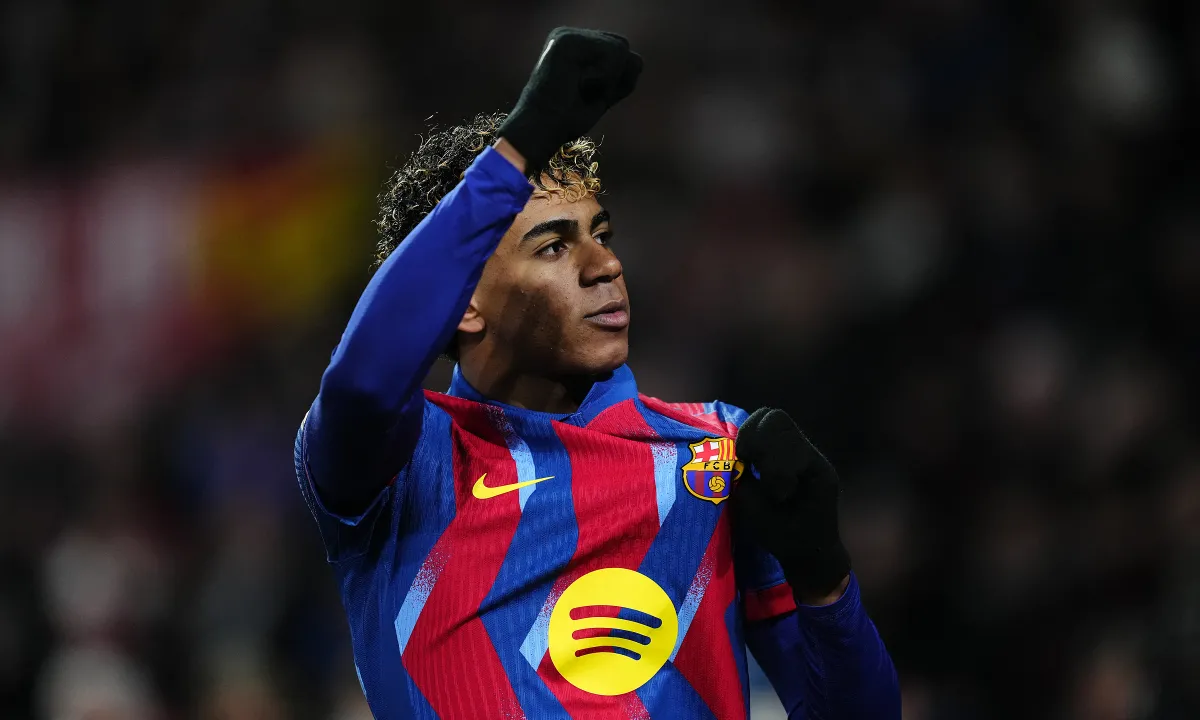 Yamal hay nhất La Liga 2025-2026
Tiền đạo 18 tuổi Lamine Yamal được bầu là Cầu thủ hay nhất La Liga 2025-2026, nhờ vai trò đầu tàu giúp Barca bảo vệ ngôi vô địch.
-
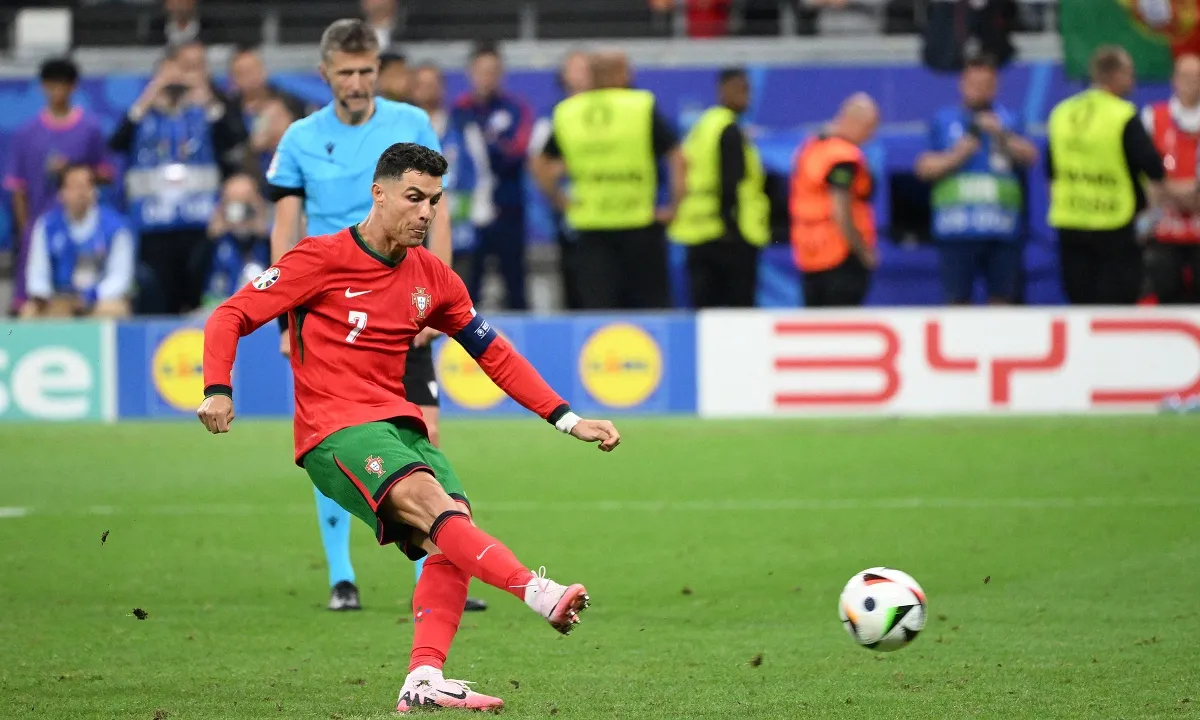 Cựu thủ quân Uruguay: 'Họ sẽ giúp Ronaldo vô địch như đã làm với Messi'
Cựu đội trưởng Uruguay Diego Lugano cho rằng Cristiano Ronaldo có thể vô địch World Cup 2026 nhờ sự hỗ trợ từ trọng tài như cách Lionel Messi và Argentina được hưởng lợi năm 2022.
-
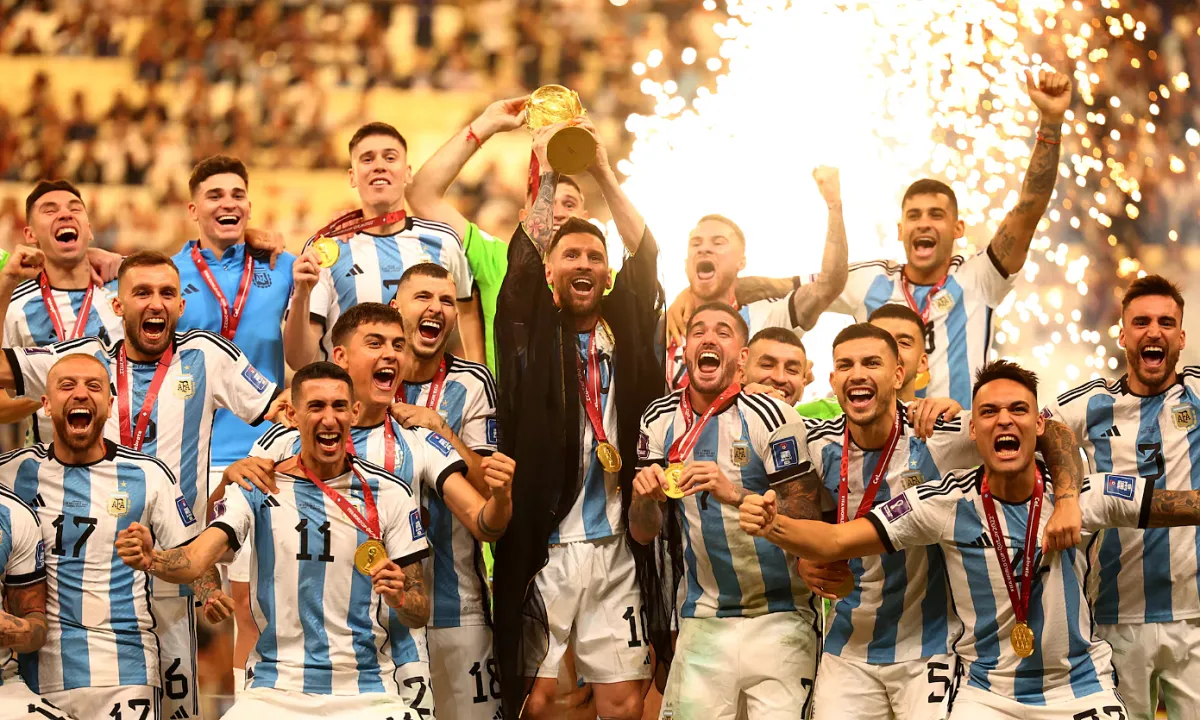 Argentina giữ 17 nhà vô địch tại World Cup 2026
HLV Lionel Scaloni giữ 17 cầu thủ từng vô địch World Cup 2022, tương đương khoảng 65% đội hình - tỷ lệ hiếm có với một đội tuyển bảo vệ ngôi vương.
-
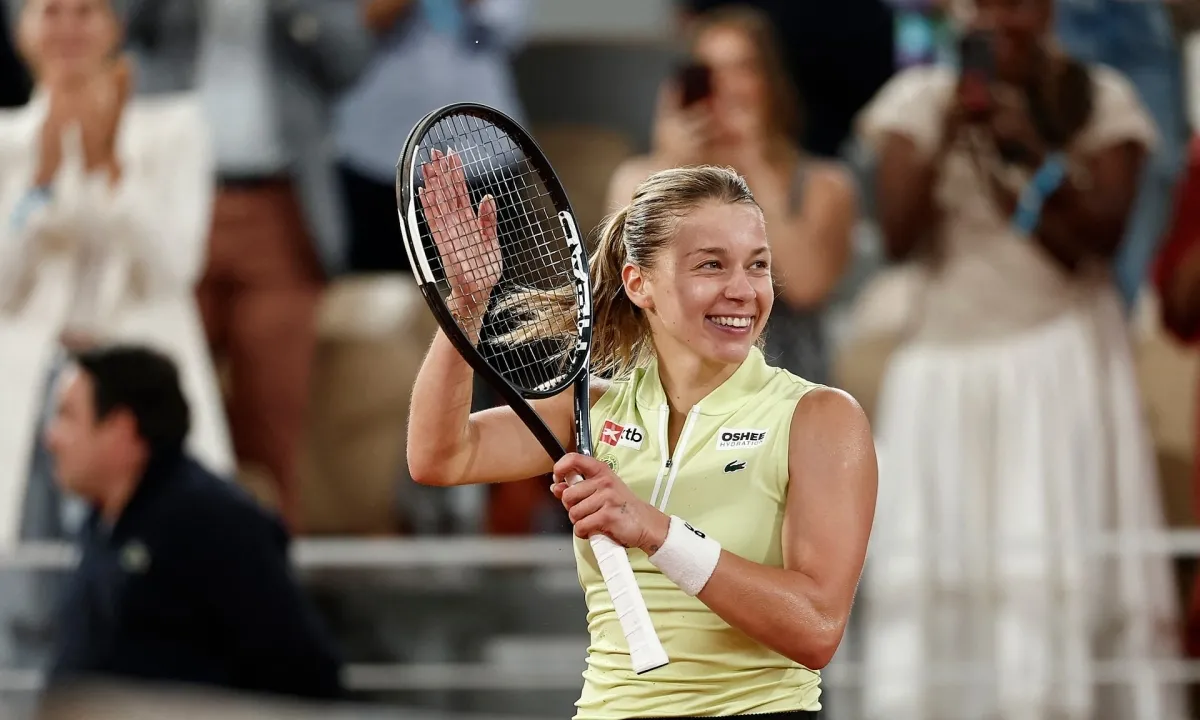 Hành trình đổi đời của tay vợt ngoài top 100 tại Roland Garros 2026
Từ chỗ không ai tài trợ đến mức phải lo về chi phí khách sạn, tay vợt số 114 thế giới người Ba Lan Maja Chwalinska vượt qua nhiều sóng gió để tạo ra chuyện cổ tích tại Paris.
-
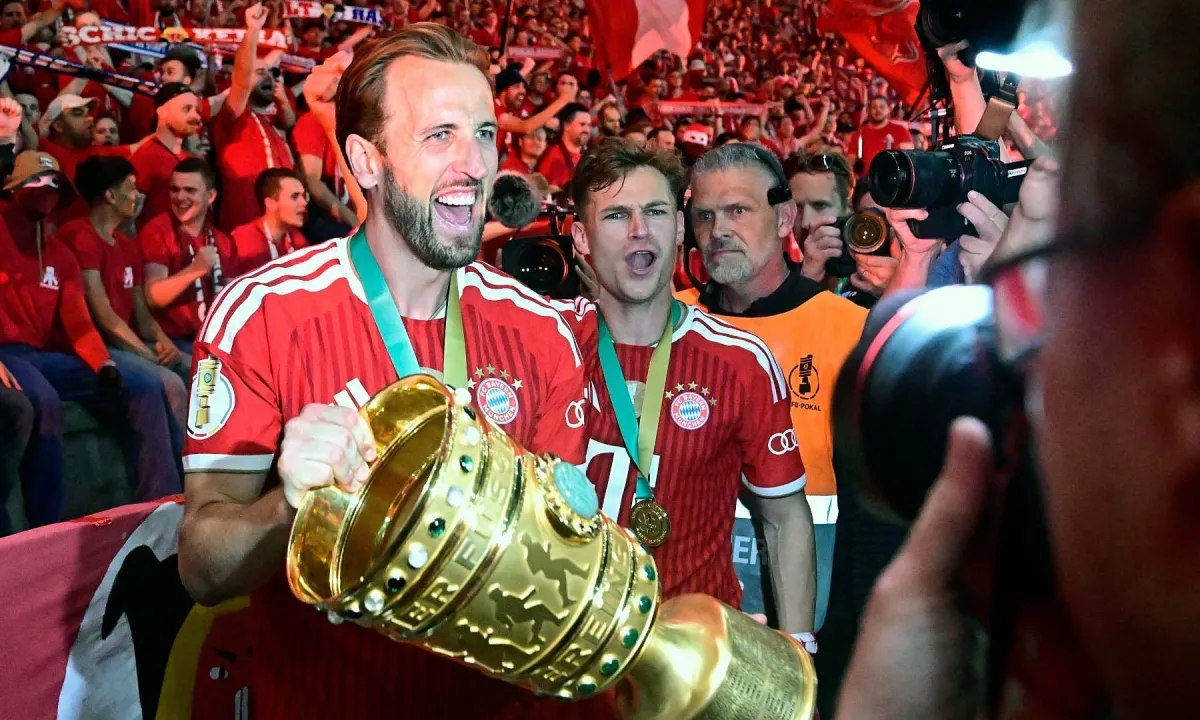 Kane dẫn đầu cuộc đua Quả Bóng Vàng 2026
Dựa trên màn trình diễn cấp CLB mùa 2025-2026, nhà cái Betfair chọn Harry Kane là ứng cử viên số một cho cuộc đua Quả Bóng Vàng.
-
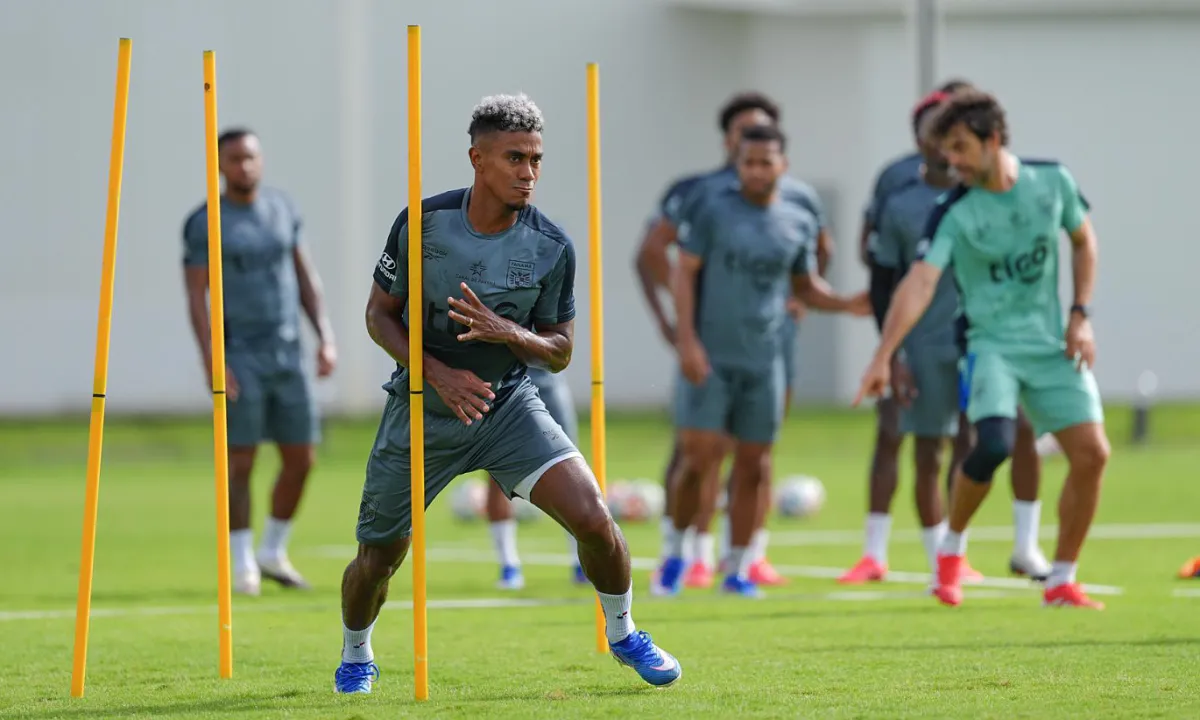 Đối thủ của tuyển Anh bị chế giễu sau buổi tập mở
Video ghi lại buổi tập công khai của Panama lan truyền trên mạng xã hội, khiến nhiều người hâm mộ cho rằng Anh sẽ thắng hủy diệt đối thủ này tại World Cup 2026.
-
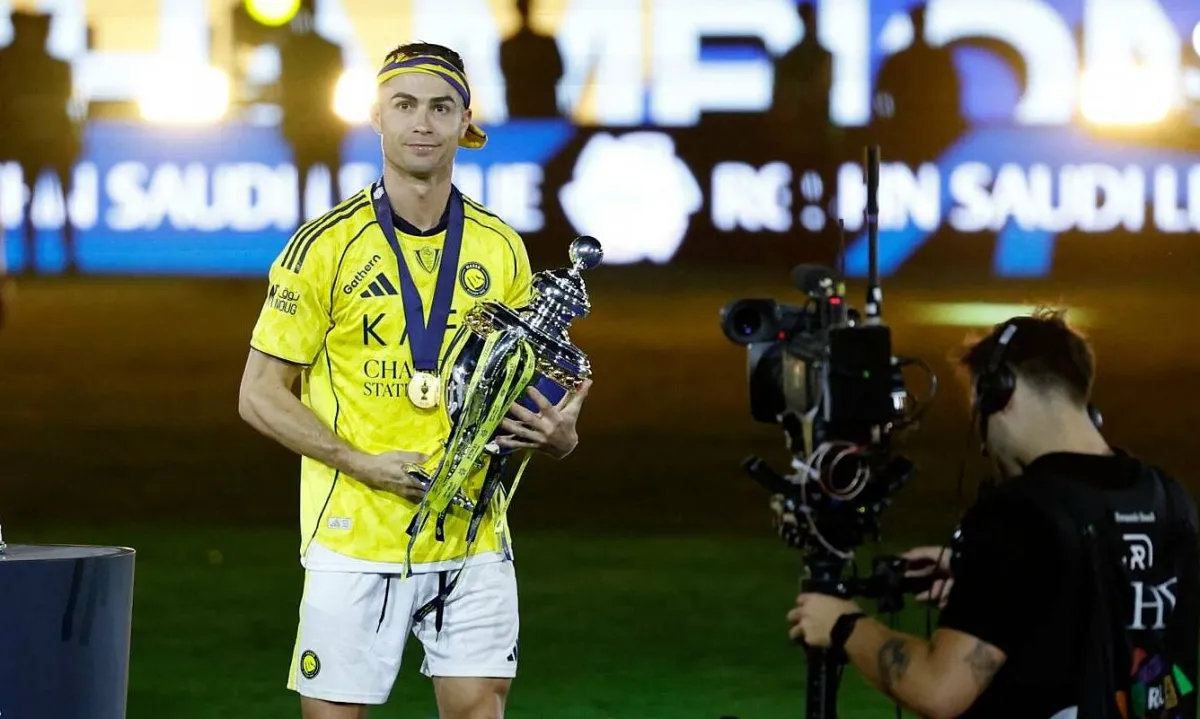 Saudi Pro League bay cao nhờ World Cup
Từng bị xem là sân chơi của những ngôi sao hết thời, nhưng Saudi Pro League hiện là giải VĐQG góp số cầu thủ nhiều thứ sáu tại World Cup 2026.
-
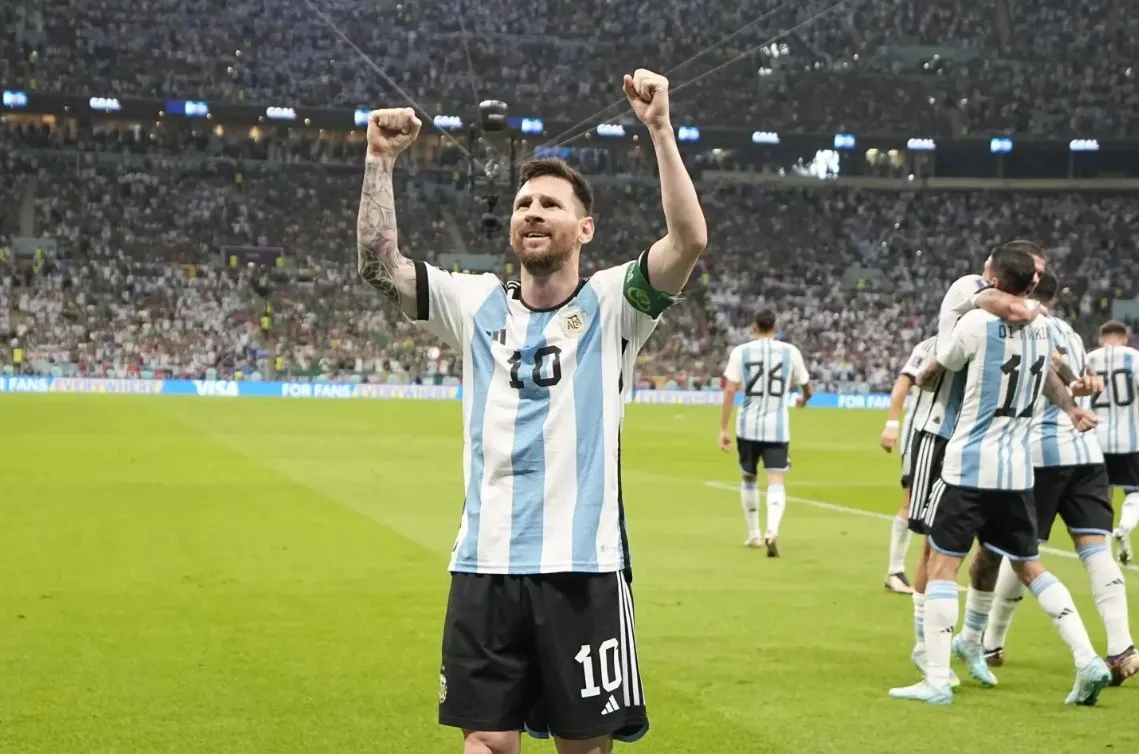 Những kỷ lục sẽ bị xô đổ tại World Cup 2026
World Cup 2026 hứa hẹn chứng kiến nhiều kỷ lục bị phá, từ số bàn thắng, số trận thắng đến những tài năng trẻ tỏa sáng.
-
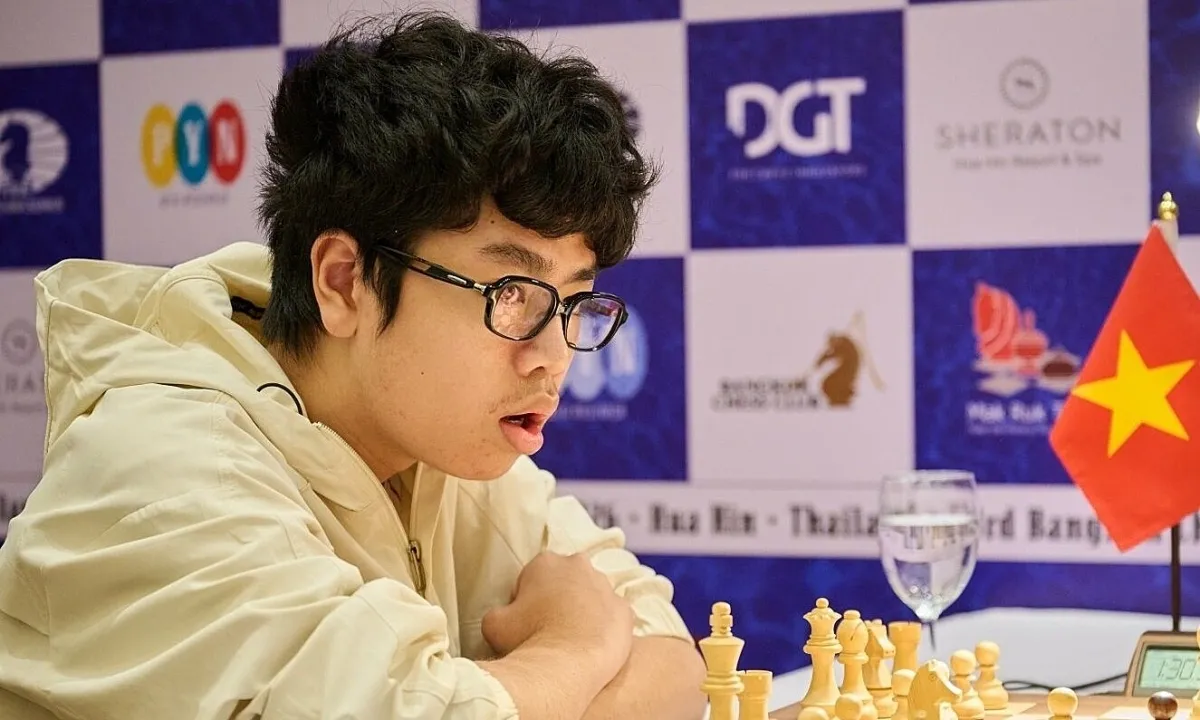 Cuộc đua tiền tỷ để trở thành Đại kiện tướng
Để nuôi dưỡng một tài năng thành Đại kiện tướng, nhiều gia đình Việt Nam phải tự bỏ ra hàng trăm triệu, thậm chí cả tỷ đồng mỗi năm, trong khi các hỗ trợ vẫn còn hạn chế.
-
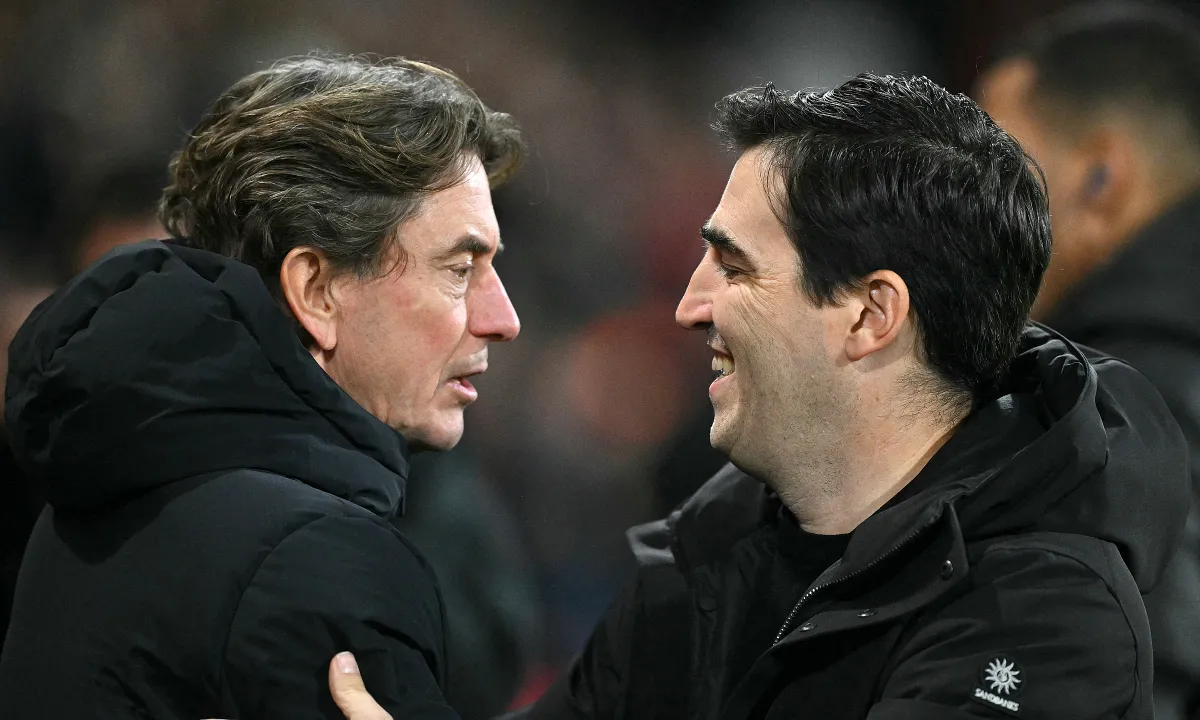 Vì sao HLV đội tầm trung thường thất bại ở 'Big 6' Ngoại hạng Anh?
Một HLV như Andoni Iraola chuyển tới dẫn dắt Liverpool là bước tiến lớn trong sự nghiệp, nhưng lại là thử thách lớn khiến nhiều người vấp ngã.


