Tailored Medical Billing Solutions for Plastic Surgeons and Physical Therapists


In the fast-paced and complex world of modern healthcare, accurate and efficient medical billing is crucial to the financial health of any practice. For specialists like plastic surgeons and physical therapists, the stakes are even higher due to their unique procedural requirements, coding intricacies, and payer-specific regulations.
While both professions contribute significantly to patient outcomes—one through reconstructive and aesthetic procedures and the other through recovery and mobility—both also face administrative challenges that can severely impact revenue cycles if not addressed properly.
The healthcare billing environment is not one-size-fits-all. Specialties like plastic surgery and physical therapy involve procedural coding that differs significantly from general practice. Failing to understand the nuances of these specialties can lead to claim rejections, underpayments, or even audits.
Tailored medical billing services are designed to navigate this complexity by aligning billing practices with the specific operational, regulatory, and clinical realities of each discipline.
Each medical specialty faces its own set of billing hurdles. Generic billing solutions may lack the necessary tools, knowledge, and software integrations to effectively manage plastic surgery and physical therapy claims. Here’s why a tailored approach matters:
Specialty-specific coding knowledge
Proper handling of cosmetic vs. medically necessary services
Time-based and outcome-based billing in physical therapy
Complex preauthorization requirements
Variable payer coverage
Customization ensures accuracy, speed, and compliance—the key pillars of profitable healthcare billing.
Plastic surgeons, particularly those offering both reconstructive and aesthetic procedures, face multiple challenges:
Insurance companies typically do not cover cosmetic surgeries like rhinoplasty or breast augmentation unless deemed medically necessary. Clear documentation is required to justify coverage.
Complex surgeries involving multiple steps often face bundled payments. Billing services must avoid unbundling errors while maximizing reimbursement.
Procedures require detailed pre-certification, including photographs, specialist reports, and documentation that proves medical necessity.
Surgeries include a global period where post-operative care is bundled into the initial payment. Incorrect billing during this time can lead to audits.
Physical therapy medical billing services is also nuanced, with rules that vary by payer, state, and type of service:
Many CPT codes for physical therapy are time-based (e.g., 15-minute increments), requiring precise documentation of time spent per modality.
Some insurance payers, including Medicare, place annual limits on therapy reimbursement. Tracking caps is essential to avoid unpaid claims.
Modifiers like GP, KX, and 59 must be used correctly to denote services under therapy plans or to bypass edits.
Medicare requires G-codes and severity modifiers to track therapy outcomes, adding to the billing complexity.
A truly effective billing service for plastic surgeons and physical therapists should include:
Specialty-trained billing staff
Real-time eligibility and benefit verification
Automated claim scrubbing tools
Comprehensive EHR/PMS integration
Denial management and appeals
Documentation review support
Preauthorization and credentialing services
HIPAA-compliant communication
19318 – Breast reduction
30465 – Rhinoplasty for nasal obstruction
15847 – Abdominoplasty
15777 – Implantation of biologic implant
17311 – Mohs micrographic surgery
N62 – Hypertrophy of breast
Q67.4 – Nasal deformity
L90.0 – Hypertrophic scar
T81.4XXA – Infection following surgery
M79.1 – Myalgia (linked to reconstructive needs)
Accurate pairing of CPT with ICD-10 is essential for claim approval and to demonstrate medical necessity when applicable.
97110 – Therapeutic exercises
97530 – Therapeutic activities
97140 – Manual therapy techniques
97035 – Ultrasound therapy
97750 – Physical performance testing
M54.5 – Low back pain
M25.511 – Pain in right shoulder
M62.81 – Muscle weakness
G57.91 – Sciatica
R26.2 – Difficulty walking
Many payers require documentation on progress, duration, and intensity of each session to support these codes.
Insurance payers are increasingly strict about medical necessity documentation. Tailored billing providers assist in:
Securing prior authorizations
Organizing documentation (photos, clinical notes)
Tracking status to avoid delays
Writing appeal letters when procedures are denied
Plastic surgery claims must clearly separate cosmetic intent from functional necessity, while physical therapy services must show functional improvement and justification for continued care.
Insurance rarely covers elective cosmetic surgery. However, some exceptions apply when the procedure is linked to:
Trauma (e.g., facial fractures)
Congenital anomalies (e.g., cleft lip)
Post-mastectomy reconstruction
Breathing difficulty (e.g., septoplasty)
In these cases, detailed documentation, diagnostic imaging, and specialist letters are vital. Billing services must know how to package this evidence to meet payer requirements.
With increased oversight from CMS and commercial insurers, compliance is non-negotiable. Tailored billing providers help practices avoid:
HIPAA violations
Fraudulent billing (e.g., upcoding, unbundling)
Documentation gaps
Overlapping services during global periods
False claims under therapy caps
A specialized billing partner will conduct internal audits, train staff on compliance, and stay updated on state-specific mandates.
Modern billing solutions for both plastic surgeons and physical therapists use intelligent platforms to streamline workflow. Features include:
Claim scrubbing: Catch errors before submission
Integrated patient scheduling and documentation
Revenue dashboards: Track KPIs like A/R days and clean claim rates
EHR integration: Avoid redundant data entry
Auto-posting payments: Speed up reconciliation
Real-time insurance eligibility checks
Effective revenue cycle management (RCM) involves every step from appointment scheduling to final payment posting. Tailored services improve RCM by:
Reducing claim denials through clean submissions
Lowering days in accounts receivable
Speeding up cash flow with faster payer reimbursements
Increasing net collection rate through follow-ups and appeals
Optimizing documentation for audit readiness
These improvements directly impact practice profitability and sustainability.
When selecting a billing company, physical therapists and plastic surgery medical billing services should look for:
Experience in your specialty
Transparent reporting and analytics
Integration with your EHR/PM software
Credentialing and prior authorization support
High first-pass resolution rate
U.S.-based or HIPAA-compliant offshore teams
Ask for references and data such as denial rates, reimbursement timelines, and compliance audits passed.
A multi-location cosmetic and reconstructive surgery group outsourced their billing after struggling with low reimbursement for medically necessary procedures. Results:
Increased revenue by 32% in six months
Reduced denials by 40%
Streamlined pre-auth tracking for surgeries
A growing outpatient therapy chain faced billing delays and mounting A/R. After switching to a tailored billing partner:
Claim submission time reduced by 70%
Annual collections increased by $240,000
Clean claim rate jumped from 78% to 96%
These real-world examples underscore the financial and operational value of specialty-focused billing support.
Plastic surgeons and physical therapists provide critical services that demand clinical expertise, precision, and compassion. But when it comes to billing, these professionals face a maze of codes, policies, and insurance requirements that can drain time and revenue.
Tailored medical billing solutions address these issues head-on—bringing expertise, automation, and strategic support to maximize reimbursement, reduce administrative burden, and ensure compliance.
If you’re a practice owner or provider in either specialty, now is the time to evaluate your billing process. Are you losing revenue to denials, delays, or documentation errors? A specialized billing partner might just be the solution you need to take your practice to the next level.
Sophia Boss
16 posts
-
 Elegant House Warming Invitation Video Templates for Memorable Griha Pravesh Celebrations
A new home is a dream come true for every family.
-
 Brand Identity and Tenant Experience: Cultivating Loyalty at Elan Empire Gurgaon
Securing high occupancy in a premium high-street asset is only half the battle. For long-term viability, property management and individual investors must shift their focus to building tenant loyalty and creating a distinctive brand identity.
-
 Master Review: Evaluating Godrej Nature Plus, Sector 33, Gurgaon
The layout uses a smart structural pattern where towers are angled away from each other. This creates a staggered footprint that gives corner apartments clear, unblocked views of the Aravalli foothills while ensuring optimal morning and afternoon sunlight. Inside the towers, the floor plan
-
 Creative Baby Shower Invitation Video Templates for Special Celebrations
These templates are easy to customize with names, event dates, venue details, photos, and personal messages. Whether you want a cute pink theme, a royal blue design, floral decorations, or animated baby elements, MyVideoInvites offers a wide variety of styles for every celebration.
-
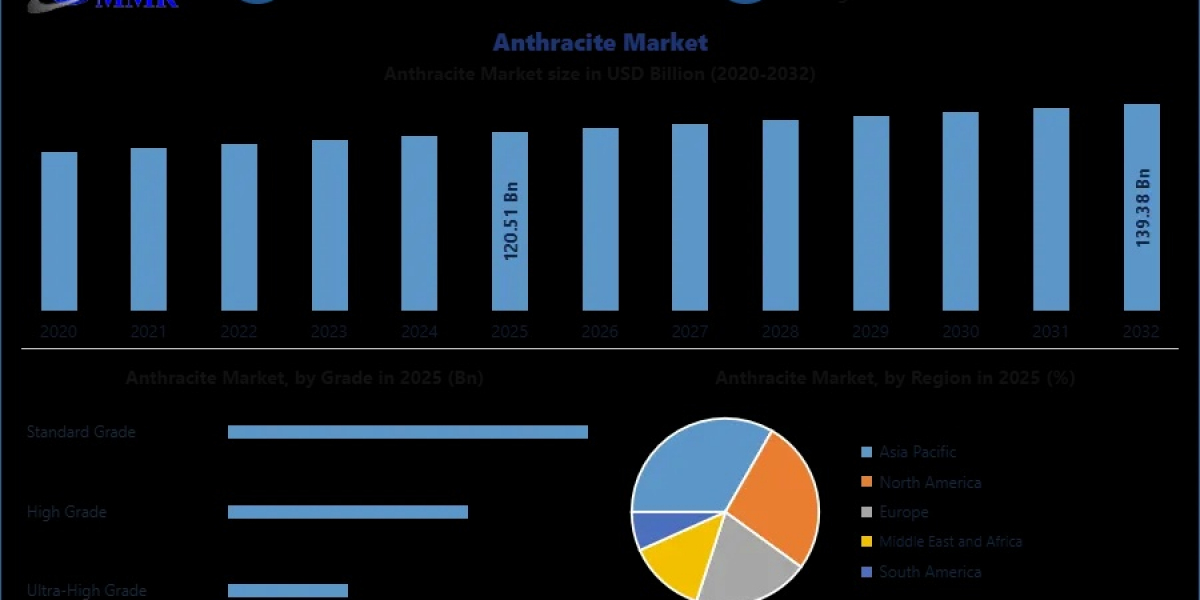 Anthracite Market Opportunities Emerging from Energy Production Needs
The Asia‑Pacific anthracite market is driven by rapid industrialization, robust steel production capacity, and expanding energy demand.
-
 Mastering the Metropolitan Maze The Ultimate Legal Shield for Capital Motorists
Mastering the Metropolitan Maze The Ultimate Legal Shield for Capital Motorists
-
 Permanent Makeup in Delhi – Wake Up Beautiful Every Day
Permanent Makeup in Delhi – Wake Up Beautiful Every Day
-
 1st Birthday Invitation Video Maker with Music and Photos
Creating a birthday invitation video online is simple and convenient with myvideoinvites. The platform offers ready made templates and easy editing tools that allow users to create professional looking invitations without technical experience.
-
 The Architecture of Victory: Why the 2026 Border Demands Elite Representation
The Architecture of Victory: Why the 2026 Border Demands Elite Representation
-
 The Apex of Traffic Offenses: Defending Against the Severity of a Dangerous Driving Charge
The Apex of Traffic Offenses: Defending Against the Severity of a Dangerous Driving Charge
-
Portugal Golden Visa: Complete Guide 2026 Benefits
Among the many options available, the Portugal Golden Visa has become one of the most attractive residency-by-investment programs.