Stop Weltman, Weinberg & Reis Phone Harassment: A Comprehensive Guide to Protecting Your Rights


Receiving relentless phone calls from debt collectors can be an incredibly stressful and intimidating experience. When the calls are coming from a large and established law firm like Weltman, Weinberg & Reis (WWR), it can feel even more overwhelming, leaving you unsure of your rights and how to make the harassment stop. This comprehensive guide aims to empower you with the knowledge and strategies to effectively deal with Weltman, Weinberg & Reis phone harassment, protect your consumer rights, and ultimately find a resolution to your debt situation.
First and foremost, it's crucial to understand who Weltman, Weinberg & Reis are. They are a legitimate, long-standing debt collection law firm, not a scam. Headquartered in Cleveland, Ohio, with multiple offices across several states, they represent a wide array of creditors, including major financial institutions, government agencies, and healthcare organizations. Their primary business is to recover outstanding debts on behalf of their clients, and they are known for their aggressive collection tactics, which can include initiating lawsuits.
While WWR is a legitimate firm, numerous complaints have been lodged against them regarding their debt collection practices. These complaints often cite tactics that allegedly cross the line, such as lying about debt amounts, attempting to collect on debts already paid or not owed, or engaging in deceptive communication. This underscores the importance of understanding your rights and being prepared to defend them.
The good news is that you are not powerless against debt collector harassment. The Fair Debt Collection Practices Act (FDCPA) is a federal law that strictly regulates the actions of third-party debt collectors like Weltman, Weinberg & Reis. It prohibits them from using abusive, unfair, or deceptive practices to collect debts. Knowing your FDCPA rights is your first and most powerful line of defense:
Now that you understand your rights, here's how to put them into action:
This is arguably the most crucial step. Every interaction with Weltman, Weinberg & Reis should be meticulously documented. Keep a detailed log that includes:
This documentation will be invaluable if you need to file a complaint or pursue legal action.
Never assume you owe the debt simply because a collector says so. As per the FDCPA, you have the right to validate the debt within 30 days of initial contact. Send a certified letter, return receipt requested, to Weltman, Weinberg & Reis demanding validation of the debt. This letter should clearly state that you dispute the debt and require verification, including:
Sending this letter by certified mail provides you with legal proof that they received your request. Once they receive your validation request, they must cease all collection activities until they provide the requested verification. If they cannot validate the debt, they have no legal basis to collect it.
If the harassment continues after you've requested validation, or if you simply want all communication to stop, send a "cease and desist" letter. Again, send this by certified mail, return receipt requested. This letter should explicitly state that you demand they stop all communication with you regarding the debt.
Be aware that while a cease and desist letter will stop most direct communication, it does not make the debt go away. Weltman, Weinberg & Reis can still pursue legal action, such as filing a lawsuit, if they believe the debt is valid and collectable. However, they will generally be prohibited from contacting you directly by phone or mail once they receive your letter.
Every state has a "statute of limitations" (SOL) for how long a creditor or debt collector can sue you to collect a debt. If the SOL has expired, WWR may still be able to contact you, but they generally cannot sue you. However, it's crucial to understand that paying even a small amount on a time-barred debt in some states can "re-age" the debt and restart the statute of limitations, making you vulnerable to a lawsuit again. Research your state's specific statute of limitations for the type of debt you have.
Be extremely cautious about providing any personal information over the phone, especially if you suspect the call might be a scam or if you haven't validated the debt. Debt collectors already have your contact information; they shouldn't need your Social Security number or bank details unless you are actively making a payment arrangement.
If the debt is legitimate and within the statute of limitations, and you are in a position to pay, negotiating a settlement can be a viable option. Often, debt collectors will accept a lower amount than the full balance owed, especially if the debt is old or if they believe you might file for bankruptcy.
If you feel overwhelmed, if the harassment persists despite your efforts, or if Weltman, Weinberg & Reis files a lawsuit against you, immediately seek legal counsel from a consumer rights attorney. Many attorneys offer free initial consultations and work on a contingency basis, meaning you don't pay unless they win your case.
A consumer rights attorney can:
If you believe Weltman, Weinberg & Reis has violated your rights, you can file a complaint with:
Dealing with debt collection harassment from a firm like Weltman, Weinberg & Reis can be a challenging ordeal, but it is not a battle you have to face alone. By understanding your rights under the FDCPA, meticulously documenting all interactions, strategically using debt validation and cease-and-desist letters, and seeking legal counsel when necessary, you can effectively stop the harassment and work towards a resolution that protects your financial well-being. Empower yourself with knowledge, act decisively, and remember that consumer protection laws are in place to safeguard you from unfair and abusive debt collection practices.
Jack Happy
20 posts
-
 Đề xuất thu hồi chứng chỉ hành nghề luật sư trong nhiều trường hợp
Luật sư không hành nghề 12 tháng, không còn đáp ứng tiêu chuẩn nghề nghiệp hoặc kiêm nhiệm một số chức danh tư pháp khác có thể bị thu hồi chứng chỉ.
-
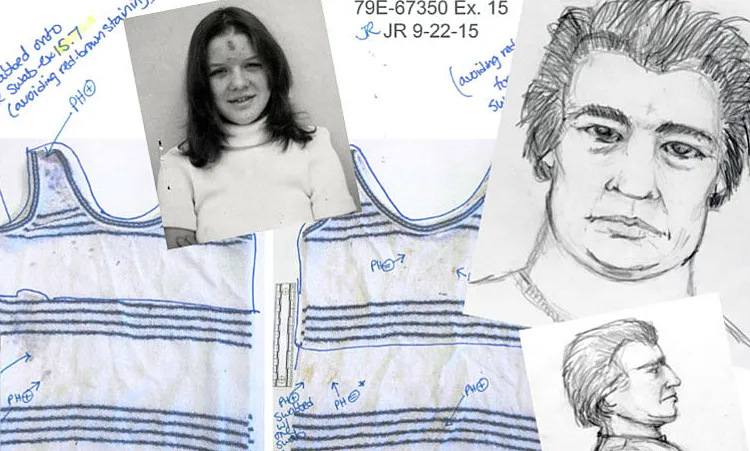 Án mạng bế tắc 38 năm được phá nhờ con mắt tinh tường của thám tử
Khi xem lại ảnh hiện trường vụ án cũ, thám tử phát hiện một chi tiết nhỏ đã bị bỏ qua, giúp tìm ra hung thủ sát hại thiếu nữ Janie Landers từ năm 1979.
-
 Thêm 2 người bị bắt trong vụ bờ kè đổ sau bão Yagi
Giám đốc doanh nghiệp và nguyên trưởng phòng quản lý đô thị bị cáo buộc sai phạm trong vụ bờ kè bị gãy đổ sau bão Yagi gây thiệt hại hơn 13 tỷ đồng.
-
 Phú bà phải bồi thường 176 triệu USD vì say rượu, tông chết 2 cậu bé
Bà Rebecca Grossman, người sáng lập quỹ từ thiện lớn, bị cáo buộc lái xe 130km/h, gần gấp đôi mức cho phép, sau khi say rượu và tông chết 2 bé trai đang đi bộ sang đường.
-
 Ba mẹ con điều hành đường dây mua bán hơn 4.000 tài khoản ngân hàng
Thu gom tài khoản ngân hàng của hàng trăm người, Nguyễn Tuyết Vũ Oanh cùng mẹ và em gái đã mua bán, cho thuê hơn 4.000 tài khoản phục vụ hoạt động phi pháp.
-
 Cụ ông 80 tuổi tử vong bất thường trong nhà
Không liên lạc được với cụ ông 80 tuổi sống một mình, người thân đến nhà tìm thì phát hiện nạn nhân đã tử vong, hiện trường có nhiều máu, đồ đạc xáo trộn.
-
 Người phụ nữ 37 tuổi đóng giả bé gái 12 tuổi để lừa đảo
Kẻ lừa đảo sử dụng bình sữa, núm vú giả để đóng vai bé gái, nói dối bị ngược đãi nhằm thuyết phục một cặp vợ chồng cưu mang mình suốt 14 tháng.
-
 Hiệu trưởng bị bắt với cáo buộc nhận hối lộ
Ông Nguyễn Ngọc Đông, Hiệu trưởng Trường Tiểu học số 2 Quảng Phúc, bị bắt để điều tra hành vi nhận hối lộ.
-
 Livestream bán hàng trăm bộ kích điện bắt cá
Dù kích điện là công cụ bị cấm do gây tận diệt nguồn lợi thủy sản, Nguyễn Vũ Phương vẫn livestream quảng cáo và bán gần 700 bộ cho khách.
-
 Nhiều người nước ngoài 'phê' ma túy trong khách sạn ở TP HCM
Cảnh sát kiểm tra nhiều khách sạn, phát hiện hàng chục người Malaysia, Indonesia sử dụng ma túy và nghi liên quan hoạt động lừa đảo công nghệ cao.
-
 Navigating the Path to Innovation: Securing Your Brilliant Future in the United Kingdom
Navigating the Path to Innovation: Securing Your Brilliant Future in the United Kingdom


