Solar energy has become a popular choice for individuals and businesses seeking to reduce energy costs, enhance sustainability, and promote environmental responsibility. However, before you can start reaping the benefits of solar power, the process of planning and installation must be carried out with care. Proper solar planning and installation ensure that the system operates efficiently and maximizes energy production. This guide walks you through the critical steps of solar planning and installation, highlighting important factors to consider along the way.
Understanding Solar Planning
Solar planning is the first and most crucial phase of adopting solar energy. It involves evaluating your energy needs, assessing site suitability, and designing the right system for your home or business. Effective planning ensures that your solar installation will meet your energy goals and operate smoothly for years to come.
Assessing Energy Needs
The initial step in solar planning is to assess your energy needs. Understanding how much electricity you consume on a daily, monthly, and yearly basis is critical to determining the size of the solar system required. By reviewing your energy bills, you can identify your average consumption and peak usage periods. This information helps design a system that can generate enough power to meet your energy demand.
Site Evaluation and Solar Potential
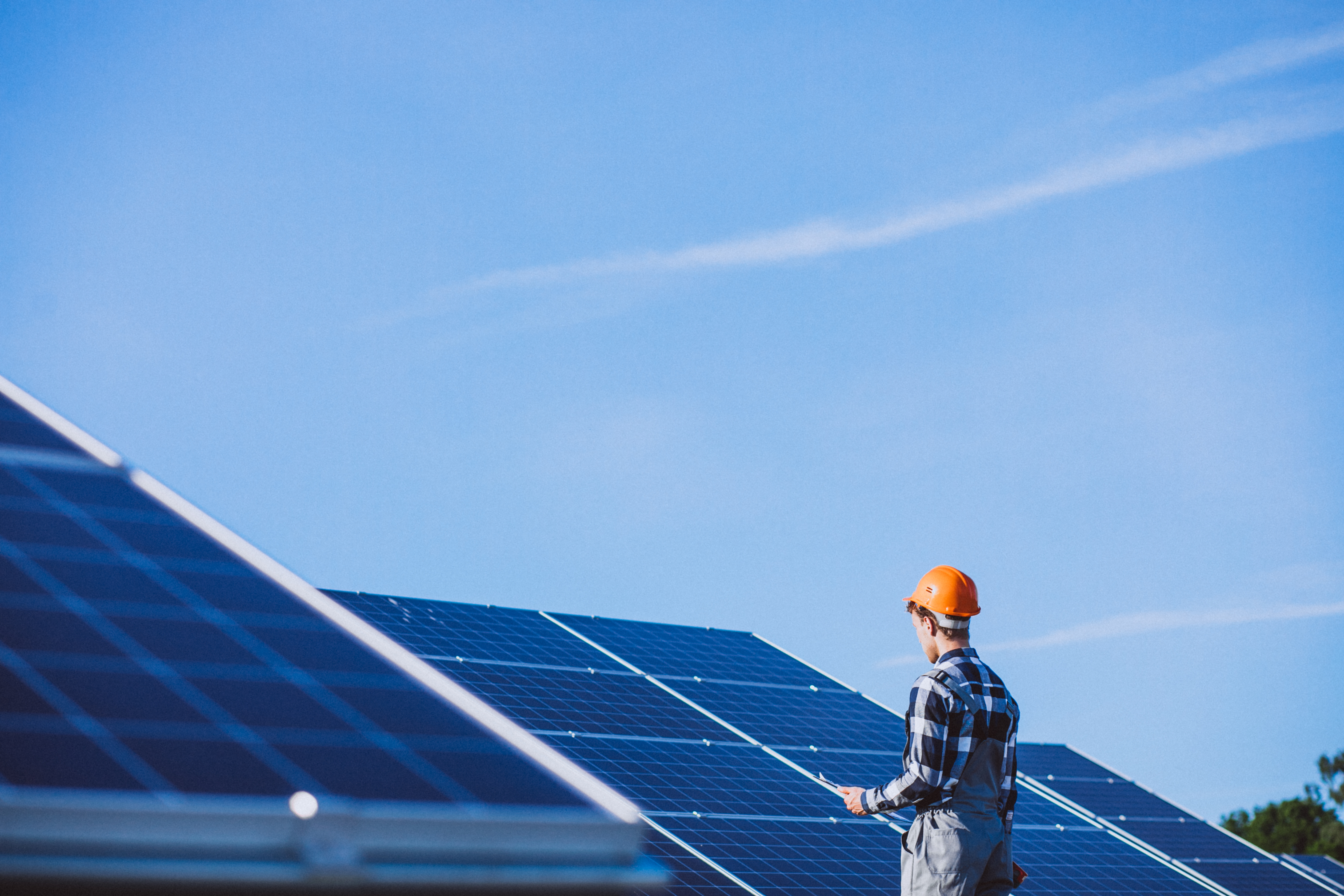
The next step is evaluating your site to determine its suitability for solar panel installation. The amount of sunlight your property receives directly affects how much electricity your solar system can produce. Ideally, solar panels should be installed in areas with direct exposure to sunlight for most of the day, with minimal shading from trees, buildings, or other obstructions.
Roof orientation and angle also play a crucial role in solar planning. South-facing roofs are generally ideal for solar panels in the Northern Hemisphere, while north-facing roofs are better in the Southern Hemisphere. Additionally, the slope of the roof can impact energy production, with optimal angles varying depending on geographic location. If the roof is not suitable, ground-mounted solar systems may be considered.

Permitting and Regulations
Solar planning also requires attention to local zoning laws, building codes, and utility regulations. Before installing solar panels, you may need to obtain permits from local authorities to ensure that the system complies with safety and structural guidelines. Depending on your location, there may be specific requirements for roof-mounted or ground-mounted systems.
Additionally, it’s essential to understand the interconnection policies of your local utility company, especially if you plan to sell excess electricity back to the grid through a net metering program. Regulations can vary widely, and it’s crucial to factor these into the planning phase to avoid delays and additional costs.
Solar Installation Process
Once planning is complete and all necessary permits are obtained, the solar installation process can begin. Proper installation ensures that the system operates efficiently and lasts for its full lifespan, typically 25 years or more.
Choosing the Right Solar Installer
Choosing an experienced and reputable solar installer is critical to the success of your project. A qualified installer will handle the design, permitting, and installation processes with expertise. They will also help you choose the right type of solar panels and inverters for your specific needs and budget.
Before hiring an installer, check for certifications from recognized organizations, such as the North American Board of Certified Energy Practitioners (NABCEP). Reading reviews and asking for references from previous clients can also help ensure that you’re working with a reliable professional.
Installation Timeline
The timeline for solar installation varies depending on the size of the system and the complexity of the project. For residential systems, the installation process typically takes one to three days. Larger commercial installations may take several weeks. After the panels are mounted and wired, the system will need to be inspected by local authorities to ensure compliance with safety standards. Once approved, the system is connected to the grid, and you can start generating electricity.
System Testing and Activation
Before the system goes live, it is tested to ensure that it operates correctly and safely. Installers will check the performance of each component, including the solar panels, inverters, and monitoring systems. Once the testing is complete, your solar system is ready to be activated, and you can begin generating clean energy.
Post-Installation Maintenance
While solar panels are designed to be low-maintenance, regular monitoring and maintenance are necessary to ensure optimal performance. Dust, dirt, and debris can accumulate on the surface of the panels, reducing their efficiency. Regular cleaning, especially in dusty or polluted environments, can help maintain energy production levels.
In addition to cleaning, it’s important to schedule periodic inspections to check for any damage, wiring issues, or other problems that could affect the system’s performance. Many solar systems come with monitoring software that allows you to track energy production and detect potential issues in real-time.
Conclusion
Solar planning and installation are critical steps in transitioning to clean energy. By carefully assessing your energy needs, evaluating site suitability, and working with a qualified installer, you can ensure that your solar system delivers optimal performance. Once installed, proper maintenance will keep the system running efficiently for decades, allowing you to enjoy the financial and environmental benefits of solar energy. Whether for residential or commercial use, solar power is a reliable, sustainable, and cost-effective solution that contributes to a cleaner future.
Amit varma
1 posts
-

Green Engineering and Health Optimization at Whiteland The AspenTo address this, Whiteland Corporation integrated specialized CTMA3 Air Purification technology into the core building systems. This central air infrastructure works continuously to treat, filter, and circulate air throughout enclosed common areas, double-height entrance lobbies, and tower
-
Mastering the Asset: Technical Infrastructure, Micro-Market Value, and Structural Layouts at DLF Park PlaceThis deep dive focuses on the granular technical infrastructure, exact structural layouts, and macro-economic factors that explain why this specific project maintains a massive edge over its competition in 2026.
-
Brand Identity and Tenant Experience: Cultivating Loyalty at Elan Empire GurgaonSecuring high occupancy in a premium high-street asset is only half the battle. For long-term viability, property management and individual investors must shift their focus to building tenant loyalty and creating a distinctive brand identity.
-
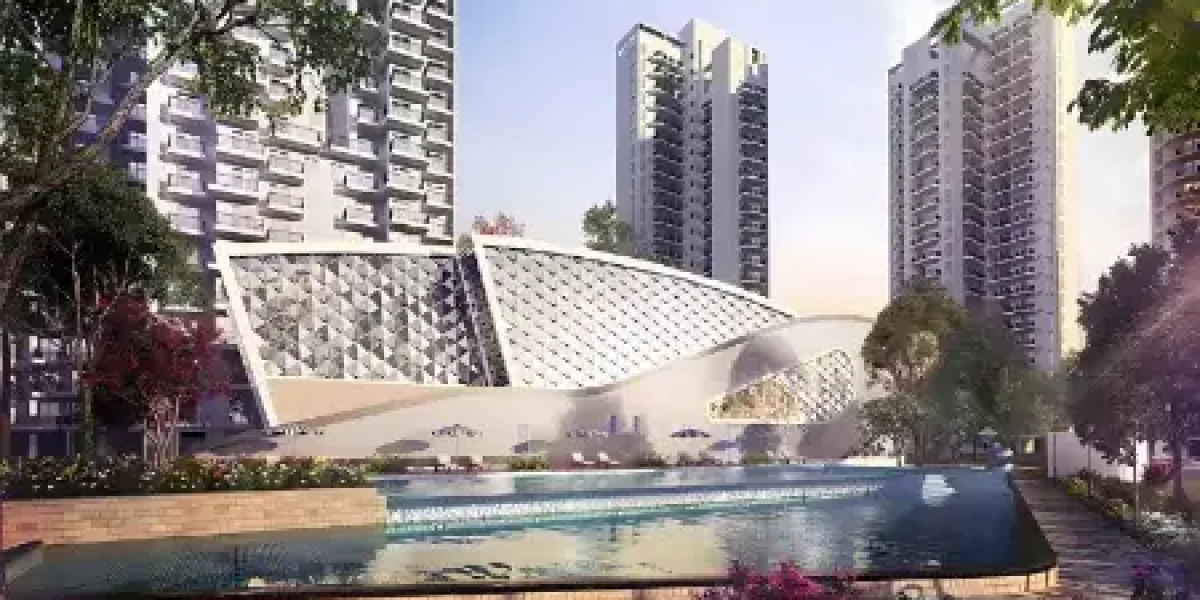
Master Review: Evaluating Godrej Nature Plus, Sector 33, GurgaonThe layout uses a smart structural pattern where towers are angled away from each other. This creates a staggered footprint that gives corner apartments clear, unblocked views of the Aravalli foothills while ensuring optimal morning and afternoon sunlight. Inside the towers, the floor plan
-
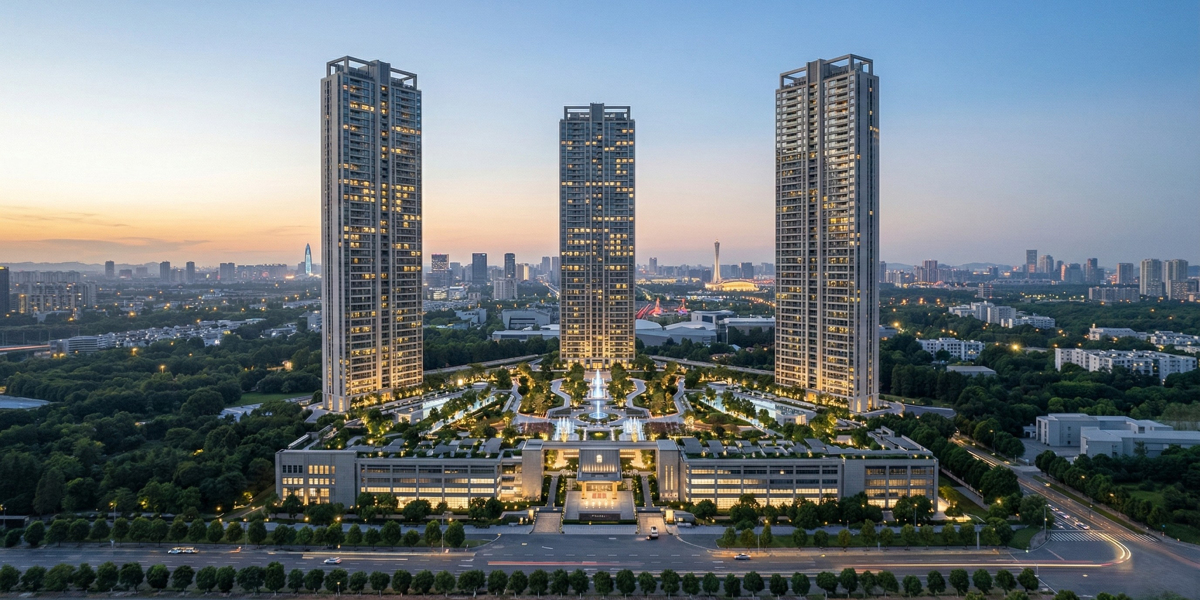
BPTP Downtown 66: A Masterpiece of Vertical Luxury in Sector 66BPTP Downtown 66 has emerged as one of the most anticipated high-rise developments on the Golf Course Extension Road. Designed by the globally acclaimed architectural firm Aedas, this project is not just a residential complex but a vertical ecosystem where luxury meets functionality.
-

Aesthetic Clinic in Australia | Beauty Clinic in Carolina | PM AestheticsDiscover a trusted aesthetic clinic in Australia and a professional beauty clinic in Carolina. PM Aesthetics offers advanced skincare, cosmetic treatments, and personalized beauty solutions.
-

The Masterful Synergy at Signature Global Tonino LamborghiniSignature Global Tonino Lamborghini Residences represents a ₹2,890 crore synergy of Italian supercar aesthetics and Indian engineering excellence in Sector 71.
-

Sidewalk Repair NYC: A Complete Guide for Property OwnersSidewalks in New York City endure constant wear and tear due to heavy foot traffic, extreme weather conditions, and tree root growth. Over time, cracks, uneven surfaces, and potholes can develop. These issues not only create an unpleasant appearance but also pose serious safety hazards for
-
Why Natural Stone Wall Panels Are Becoming the First Choice for Modern InteriorsDiscover why natural stone wall panels are becoming a top choice for modern interiors and exteriors. Learn about their durability, aesthetic appeal, and versatile applications for residential and commercial spaces.
-
Chemical Supplier for Industrial in UAE: Reliable Solutions for Modern IndustriesFind a reliable chemical supplier for industrial in UAE offering high-quality products, consistent supply, and tailored solutions for manufacturing, oil & gas, construction, and water treatment industries.
-
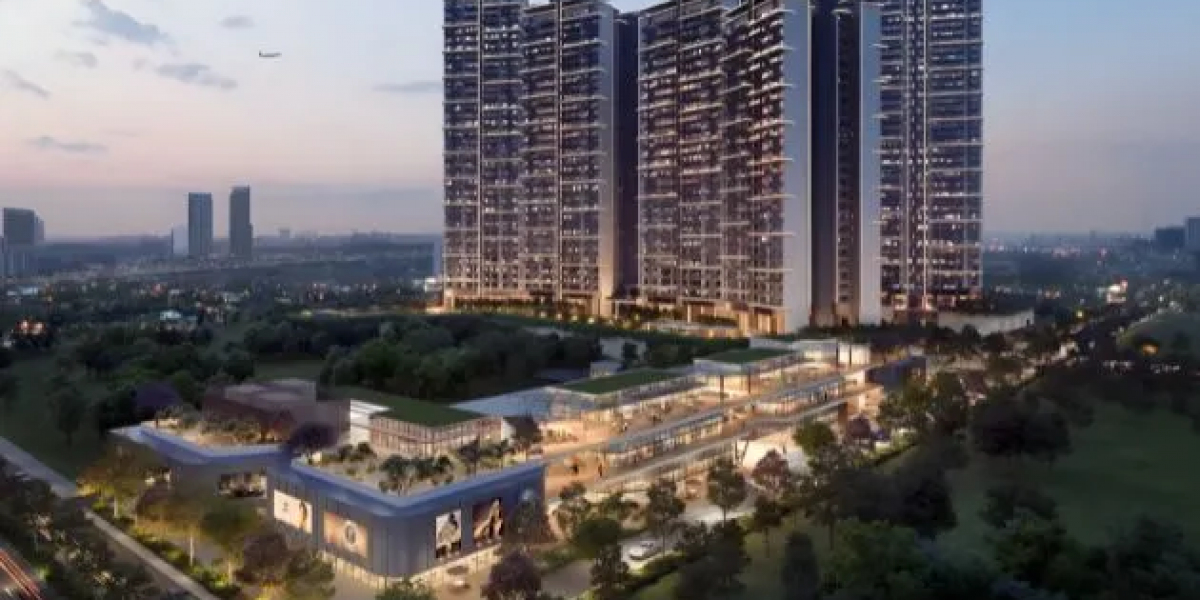
Signature Global Cloverdale SPR Gurgaon – A Modern Address for Comfortable LivingThis connectivity allows residents to easily access major employment hubs, corporate offices, and business districts. The proximity to IGI Airport further adds to its appeal, especially for professionals who travel frequently.


