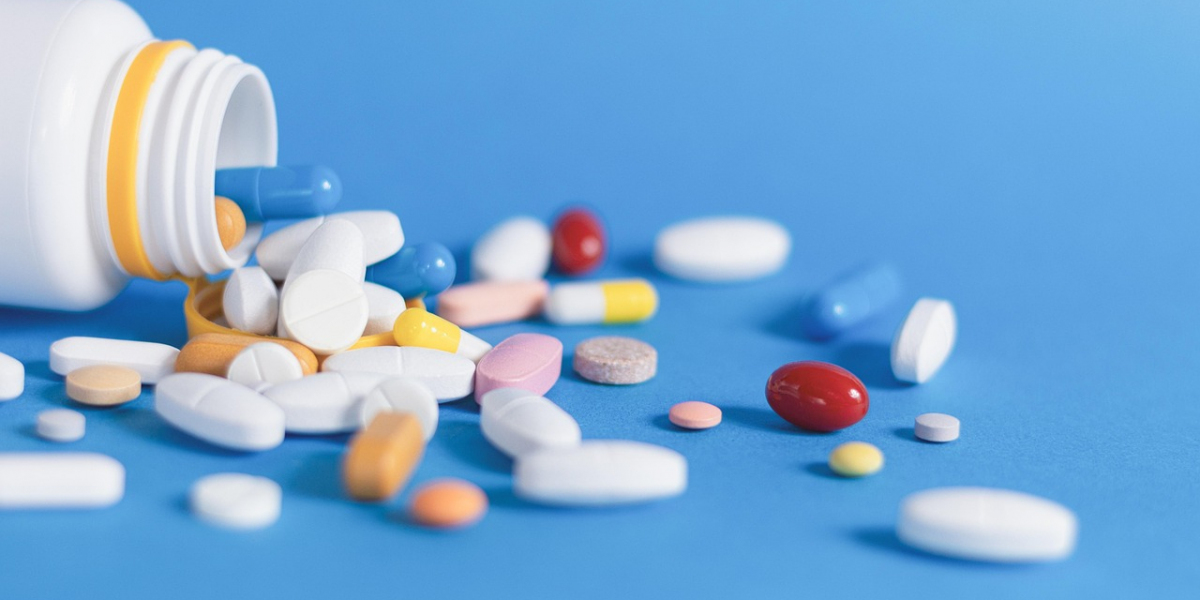
ADHD medications have transformed the lives of millions, helping individuals gain control over focus, behavior, and daily function. But like any powerful treatment, they come with potential side effects. Understanding these effects is critical—not just to manage them, but to make informed, confident decisions about your ADHD treatment journey.
ADHD (Attention-Deficit/Hyperactivity Disorder) affects executive function, self-regulation, attention span, and impulse control. Medication, particularly stimulants, is often the first-line treatment because of its fast-acting and effective nature. However, meds don’t work the same for everyone, and side effects are a common concern.
ADHD medications fall into two main types:
Stimulants: These include methylphenidate (Ritalin, Concerta) and amphetamines (Adderall, Vyvanse). They increase dopamine and norepinephrine in the brain.
Non-stimulants: These include atomoxetine (Strattera), guanfacine (Intuniv), and clonidine. They work differently, often targeting norepinephrine specifically.
Each class brings its own profile of benefits and risks, especially when it comes to side effects.
Stimulant medications are widely prescribed and effective for most people with ADHD—but they’re also associated with some predictable side effects.
Stimulants can cause difficulty falling or staying asleep, especially if taken too late in the day. Sleep loss can worsen ADHD symptoms and mood issues.
Tips to manage:
Take meds early in the morning
Establish a calming nighttime routine
Discuss dose timing or extended-release options with your doctor
Loss of appetite is a very common side effect, particularly in children. It can lead to weight loss or delayed growth if not monitored.
Suggestions:
Offer nutrient-rich, high-calorie meals during peak hunger (morning, evening)
Monitor weight and growth over time
Adjust dosage or schedule with pediatricians
Some individuals experience emotional blunting, irritability, anxiety, or mood swings—especially when the medication is wearing off (known as a rebound effect).
What helps:
Track emotional changes across the day
Consider lower doses or different formulations
Sometimes a combination of medication and therapy is most effective
Stimulants stimulate the central nervous system, which can lead to mild increases in heart rate and blood pressure. In rare cases, individuals may feel chest tightness or dizziness.
Precautions:
Baseline cardiac evaluation before starting
Regular checkups to monitor vitals
Immediate medical attention for unusual symptoms
While non-stimulants tend to have a milder side effect profile, they are not free from drawbacks.
Unlike stimulants, non-stimulants can cause daytime sleepiness, particularly at the beginning of ADHD Treatment or with medications like guanfacine.
What to consider:
Dosing at night may reduce daytime sedation
Drowsiness often fades after a few weeks
Adjusting dose gradually helps the body adapt
Some users report nausea, stomach pain, or constipation, especially with atomoxetine. Taking medication with food can reduce these effects.
Atomoxetine carries a warning about increased risk of suicidal thinking, especially in children and adolescents. Monitoring is key during the first few weeks.
Important signs to watch:
Withdrawal from family or friends
Increased sadness or hopelessness
Changes in behavior or school performance
Immediate communication with your provider is essential if any mood-related symptoms emerge.
Many people worry about the long-term impact of ADHD medications. While research is still ongoing, much of the fear is driven by misunderstanding or misinformation.
While ADHD meds are controlled substances, they are rarely addictive when used as prescribed. In fact, untreated ADHD increases the risk of substance abuse, not medication.
Some research has shown slight reductions in growth velocity, particularly in children on stimulants. However, this is generally mild and manageable with proper nutrition and monitoring.
There is no evidence suggesting that ADHD meds harm brain development. In fact, by improving focus and reducing impulsive behaviors, they may support better cognitive and emotional growth over time.
Not everyone experiences side effects the same way. Your body chemistry, lifestyle, co-existing conditions, and stress levels all play a role in how medication works for you.
Working closely with your provider to monitor your response can lead to a more successful and tolerable treatment experience. Dosage, formulation (short-acting vs. long-acting), and timing can all be adjusted.
Keep a symptom journal
Track side effects and when they occur
Don’t hesitate to share concerns or ask for changes
Involve family members or teachers when managing ADHD in children
Some people manage ADHD without medications, or by using them in combination with behavioral therapy, diet, exercise, and environmental support.
CBT or ADHD coaching to build executive functioning
Exercise to naturally boost dopamine
Mindfulness and meditation to reduce impulsivity
Dietary adjustments to stabilize mood and energy
These strategies can either reduce the need for medication or enhance its effectiveness.
ADHD medications can be life-changing, but they’re not perfect. Knowing the common and less common side effects, how to manage them, and when to seek help puts the power back in your hands.
Treatment isn’t about choosing between medication and no medication—it’s about finding the safest, most effective path that works for your brain and your life. Whether you're a parent, adult, or teen navigating ADHD, staying informed is your best tool in creating a treatment plan that brings lasting improvement, not frustration.

willams jackhbb
6 posts
-
 How Women Long Sleeve Hoodies Redefine Tactical Streetwear Fashion
Women Long Sleeve Hoodies have transformed from simple wardrobe essentials into defining pieces of tactical streetwear fashion. Their evolution reflects a broader shift in how clothing is perceived—not just as a necessity, but as an extension of personality and lifestyle.
-
 Elevate Your Health with Natural Therapies in Oceanside
Discover natural healing at an Acupuncture Clinic Oceanside and a trusted Holistic Wellness Center Oceanside for stress relief, pain management, and total wellness.
-
 Get 10% Off Reliable ED Medicines with Medsvilla Special Deal
These medicines are commonly prescribed and widely used for managing ED symptoms effectively when used under proper medical guidance.
-
 How to Get a Hydrocodone Prescription
Online via Telehealth (Safe & Legal Guide)This guide explains how to safely and legally get a hydrocodone prescription via telehealth,
along with key legal rules and safety precautions. -
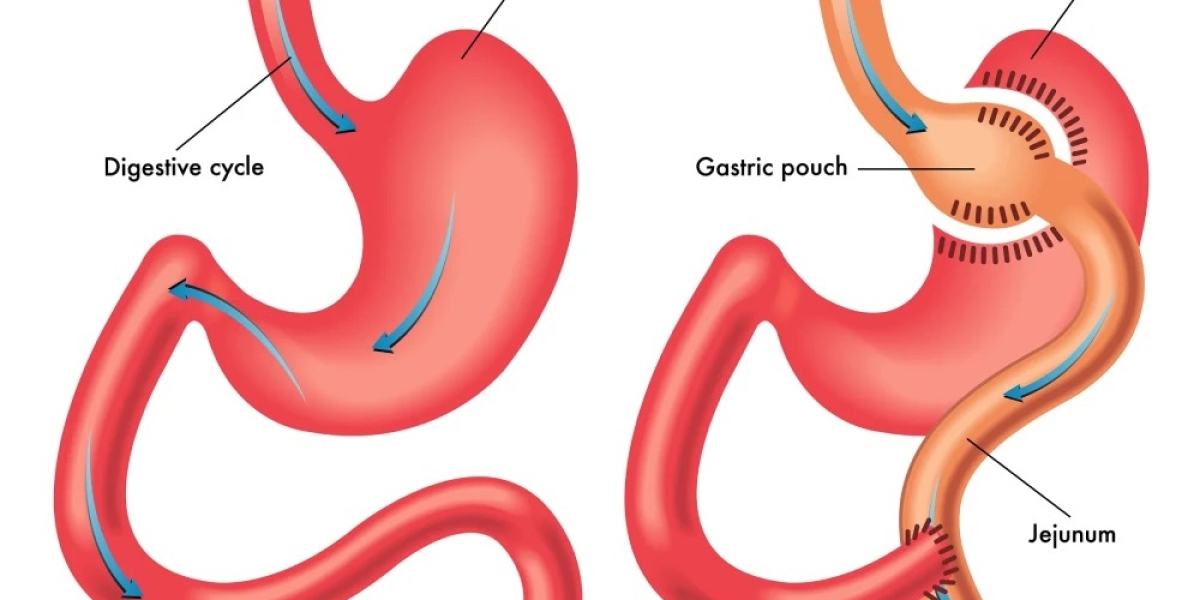 Transform Your Health with Advanced Surgical Solutions in Houston
Invest in your future. Choose Houston. Choose life-changing care.
-
 Unlocking Wellness: Functional Lab Testing & Nutraceutical Care in Columbia
Your path to balance, vitality, and healing starts here.
-
 How Modern Medical Equipment in Train Ambulance Ensures Patient Stability
Discover how advanced ICU equipment in Train Ambulance Service in Patna ensures patient stability during long-distance transfers with ventilators, monitors & expert care.
-
 Women’s Testosterone Dosage: What You Should Know
Testosterone isn’t just for men — it’s also a key hormone for women. When balanced properly, it supports energy, mood, muscle tone, mental clarity, and sexual wellness.
-
 Safe Anavar Purchase Tips: A Detailed Guide
Anavar is a top choice for people looking to build lean muscle, improve strength, and maintain a defined physique.
-
 Book Your Appointment for a Pediatric Dentist Today
Quite rightly so, the early establishment of a "dental home" is the best way to monitor your child's development in a continuous and proactive manner. Finding an excellent pediatric dentist in Dubai should top your list if you seek great specialised attention for your chi
-
 Anti-Aging Hair Products Market Advancing Through Hair Pigment Preservation And Gray Hair Reversal Innovations
Explore melanin-boosting ingredients, pigment-stabilizing antioxidants, nutraceutical integration, and sustainable practices driving innovation and consumer adoption in the anti-aging hair products market for youthful, vibrant, and resilient hair.


