
Dealing with sewage damage is one of the most unpleasant and potentially hazardous situations a homeowner or business owner can face. Whether it’s caused by a clogged drain, a backed-up sewer line, or a natural disaster, sewage flooding poses serious health risks and can cause significant damage to your property. While it might seem like a problem you can clean up yourself, the truth is that sewage damage cleanup requires professional attention for safety, thoroughness, and long-term results.
In this blog, we’ll discuss the dangers of sewage damage, why DIY cleanup is not recommended, and how professional cleanup services can help restore your property quickly and safely.
Sewage damage occurs when contaminated water often filled with waste materials, chemicals, bacteria, and other harmful pathogens floods your home or business. This can happen for several reasons, including:
Clogged or Overflowing Sewage Systems: Blocked sewer lines or broken pipes can cause sewage to back up and spill into your home or business.
Flooding: Heavy rains or flooding can overwhelm local sewage systems, causing sewage to flow back into properties.
Plumbing Failures: Broken or malfunctioning toilets, sewage pumps, or septic systems can lead to sewage backup in homes or businesses.
Sewage water typically falls into one of three categories:
Category 1 (Clean Water): Water from a clean source like a broken pipe. Although it’s not as hazardous, it still requires quick cleanup to avoid further issues.
Category 2 (Gray Water): Water from washing machines, dishwashers, or bathtubs that may contain some contaminants but isn’t as dangerous as black water.
Category 3 (Black Water): This is the most dangerous category, which includes sewage water. It contains harmful bacteria, viruses, and pathogens that can cause serious health issues.
Sewage damage typically falls under Category 3, which makes it extremely dangerous to clean up without professional help.
Sewage water is highly contaminated and poses significant health risks. It contains bacteria, viruses, parasites, and other harmful pathogens that can lead to serious illnesses. Some of the most common health risks include:
Bacterial Infections: Sewage can contain harmful bacteria like E. coli, Salmonella, and Campylobacter, which can cause food poisoning, nausea, vomiting, and diarrhea.
Viral Infections: Viruses such as Hepatitis A, norovirus, and rotavirus can be found in sewage, leading to stomach problems and flu-like symptoms.
Parasites: Parasites like Giardia and Cryptosporidium are often present in sewage and can cause severe gastrointestinal issues.
Mold Growth: Sewage water can saturate building materials like carpets, drywall, and insulation. This moisture can create the perfect environment for mold growth, which can cause respiratory issues and other health problems.
Not only can sewage damage harm your health, but it can also damage your property. It can ruin carpets, furniture, personal belongings, and even the structural integrity of your home or business. If left untreated, the damage can become worse over time, leading to more expensive repairs and a greater risk to your health.
While it might seem tempting to try to clean up sewage damage yourself, it’s important to understand the dangers and challenges involved in handling such a hazardous situation. Here are a few reasons why DIY sewage cleanup is not a good idea:
The most significant risk of cleaning up sewage water yourself is exposure to harmful bacteria, viruses, and other pathogens. Without the proper protective gear, such as gloves, respirators, and full-body suits, you can easily come into contact with these contaminants, which can lead to infections and illness. Professional cleanup services have the necessary equipment and training to handle these risks safely.
Sewage water is often absorbed into carpets, flooring, drywall, and insulation, making it difficult to fully clean the affected areas. Even if you remove the visible water, harmful bacteria and mold spores can remain hidden in these materials, causing long-term damage and health problems. Professionals use advanced tools, such as moisture detectors and thermal imaging cameras, to locate hidden moisture and ensure every affected area is properly sanitized and dried.
Cleaning up sewage damage requires specialized equipment and techniques that most homeowners simply don’t have. Professionals use industrial-grade pumps, vacuums, and air scrubbers to remove contaminated water and clean affected surfaces. They also use powerful dehumidifiers and fans to dry out areas that were flooded with sewage. Without this equipment, you might not be able to remove all the moisture, leading to mold growth and further damage.
Many homeowners and business insurance policies require professional cleanup for sewage damage. If you attempt a DIY cleanup, it could affect your ability to file a claim. Additionally, there are health and safety regulations regarding sewage cleanup that must be followed. Professional cleanup services are familiar with these regulations and will handle the job according to industry standards, avoiding potential legal issues.
Professional sewage damage cleanup involves several steps to ensure that your property is completely restored to a safe condition. Here’s an overview of the process:
The first step in the cleanup process is an assessment of the damage. The cleanup team will inspect your property to determine the extent of the sewage damage and identify areas that require immediate attention. They will also assess the risk of contamination, mold growth, and structural damage. A thorough inspection helps the professionals plan their cleanup and restoration efforts.
Once the damage has been assessed, the team will begin removing the contaminated water. They use industrial-grade pumps and wet vacuums to quickly extract the sewage water from your property. The faster the water is removed, the less damage it will cause to your home or business.
After the water is removed, the affected areas must be dried out to prevent further damage. Dehumidifiers and air movers are used to remove moisture from the air and surfaces. This step is crucial in preventing mold growth, which can begin within 24 to 48 hours of water exposure.
Once everything is dry, the cleanup team will thoroughly clean and disinfect all affected surfaces. This includes cleaning carpets, furniture, walls, and flooring. The team uses specialized cleaning agents and equipment to break down and remove harmful bacteria, viruses, and other pathogens from the contaminated areas. They also disinfect areas that were exposed to the sewage to prevent further contamination.
In many cases, sewage damage will require repairs or replacement of damaged materials. This may include replacing drywall, insulation, flooring, or structural components that were contaminated by sewage water. The cleanup team will handle the restoration process, ensuring that your home or business is safe and fully restored.
One of the most unpleasant aspects of sewage damage is the lingering odor. Even after the water has been removed, the smell can persist if not properly addressed. Professional sewage cleanup teams use air scrubbers, ozone machines, and other deodorizing equipment to eliminate the foul odors and leave your property smelling fresh.
Sewage damage is not something to take lightly. It’s a complex and dangerous issue that requires immediate attention to prevent further damage and health risks. While DIY cleanup may seem like a cost-saving option, it’s not worth the risk. Professional sewage damage cleanup services have the expertise, equipment, and experience needed to handle the situation safely and effectively.
By hiring a professional cleanup service, you can ensure that your property is thoroughly cleaned, disinfected, and restored to a safe condition. You’ll also avoid health risks, mold problems, and the potential for long-term damage that can result from improper cleanup.
Sewage damage is one of the most hazardous types of damage you can face, but it doesn’t have to be overwhelming. By hiring a professional sewage damage cleanup service, you can restore your property to a safe, habitable condition while protecting your health and property. Don’t risk further damage or exposure to harmful contaminants contact a sewage damage cleanup professional as soon as possible to start the recovery process and get your property back to normal.

Any Hour Water Fire
1Blog posts
-
 Giá vàng miếng xuống thấp nhất từ đầu năm
Các thương hiệu bán ra vàng miếng quanh mức 156,5 triệu đồng một lượng, thấp nhất từ kể từ đầu năm.
-
 Thủ tướng: Sớm đưa các dự án năng lượng trọng điểm vào hoạt động
Thủ tướng Lê Minh Hưng yêu cầu Bộ Công Thương sớm đưa các dự án năng lượng trọng điểm vào hoạt động, trong bối cảnh thời tiết diễn biến bất thường, nhu cầu điện tăng.
-
 VN-Index chưa cắt chuỗi giảm sâu
VN-Index giảm liên tục 7 phiên và có lúc thủng mốc 1.800 điểm do áp lực xả hàng tập trung vào một số cổ phiếu trụ.
-
 Công ty sở hữu mảng sản xuất của VinFast có Chủ tịch mới
Bà Thái Thị Thanh Hải được bầu làm Chủ tịch của VFTP, doanh nghiệp sở hữu mảng sản xuất cùng hai nhà máy của VinFast tại Việt Nam.
-
 Có nên bán vàng để dành mua nhà khi giá giảm mạnh?
Theo chuyên gia, vàng là tài sản phòng vệ nhưng không tuyệt đối, nên có thể bán bớt một phần để tránh ảnh hưởng kế hoạch mua nhà năm sau.
-
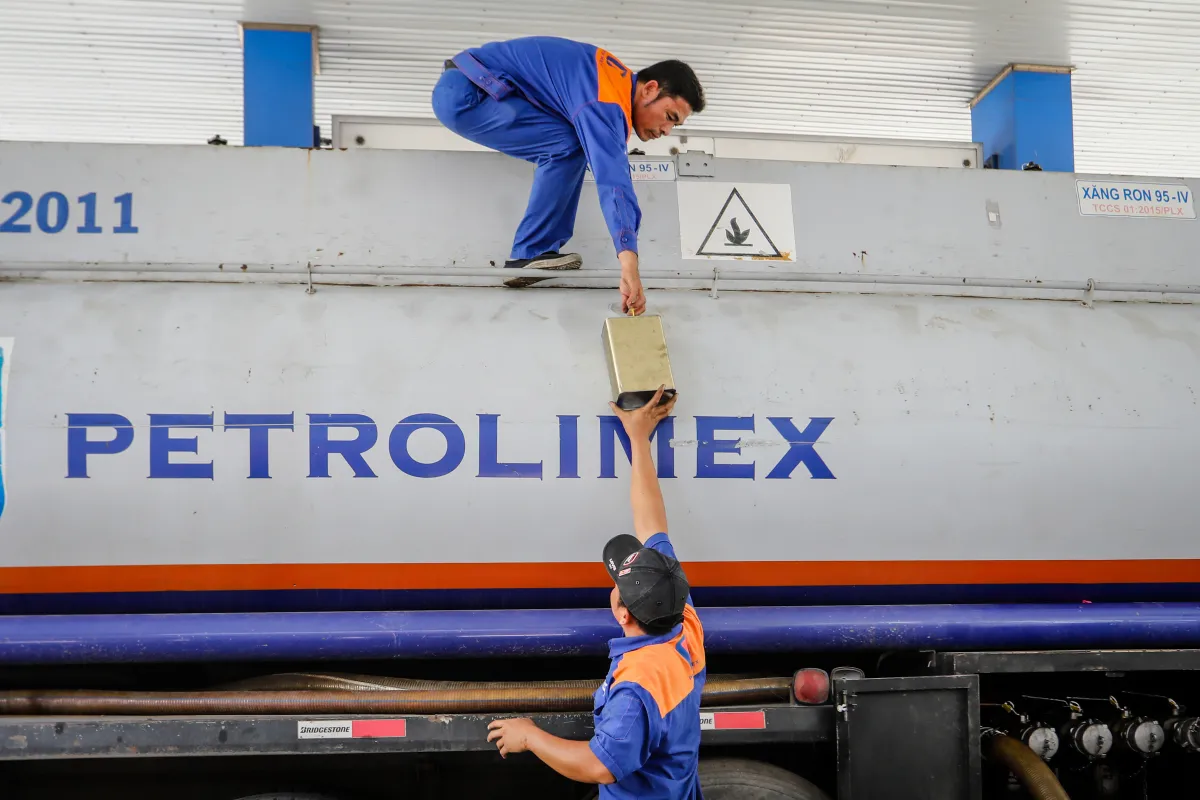 Petrolimex tính bán toàn bộ cổ phiếu quỹ
Hội đồng Quản trị Tập đoàn Xăng dầu Việt Nam (Petrolimex) thống nhất chủ trương bán hết 23,28 triệu cổ phiếu quỹ để đáp ứng điều kiện công ty đại chúng.
-
 Bộ Công Thương sẽ kiểm tra đột xuất cây xăng về chất lượng xăng E10
Thứ trưởng Công Thương Nguyễn Sinh Nhật Tân cho biết Bộ sẽ kiểm tra đột xuất doanh nghiệp để đảm bảo chất lượng xăng E10 từ sản xuất, phối trộn, tới bán ra thị trường.
-
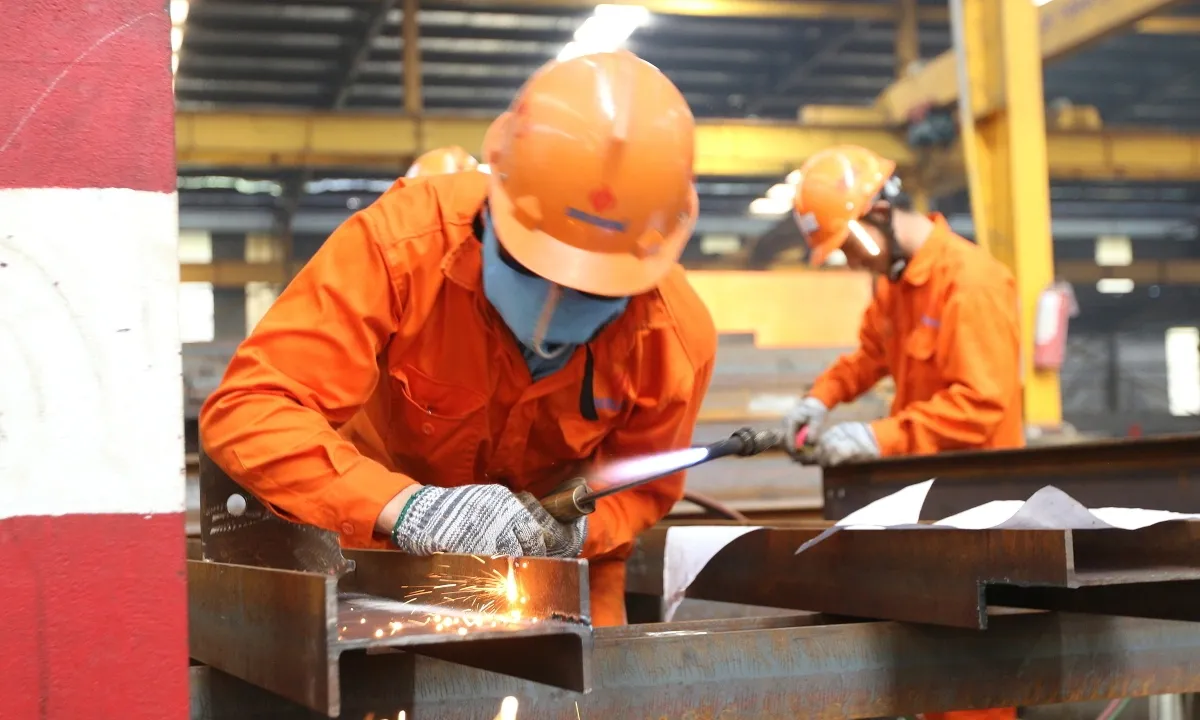 Sản xuất ở TP HCM tăng cao nhất 5 năm
Chỉ số sản xuất công nghiệp (IIP) nói chung và riêng công nghiệp chế biến - chế tạo của TP HCM 5 tháng đầu năm tăng nhanh nhất kể từ 2021.
-
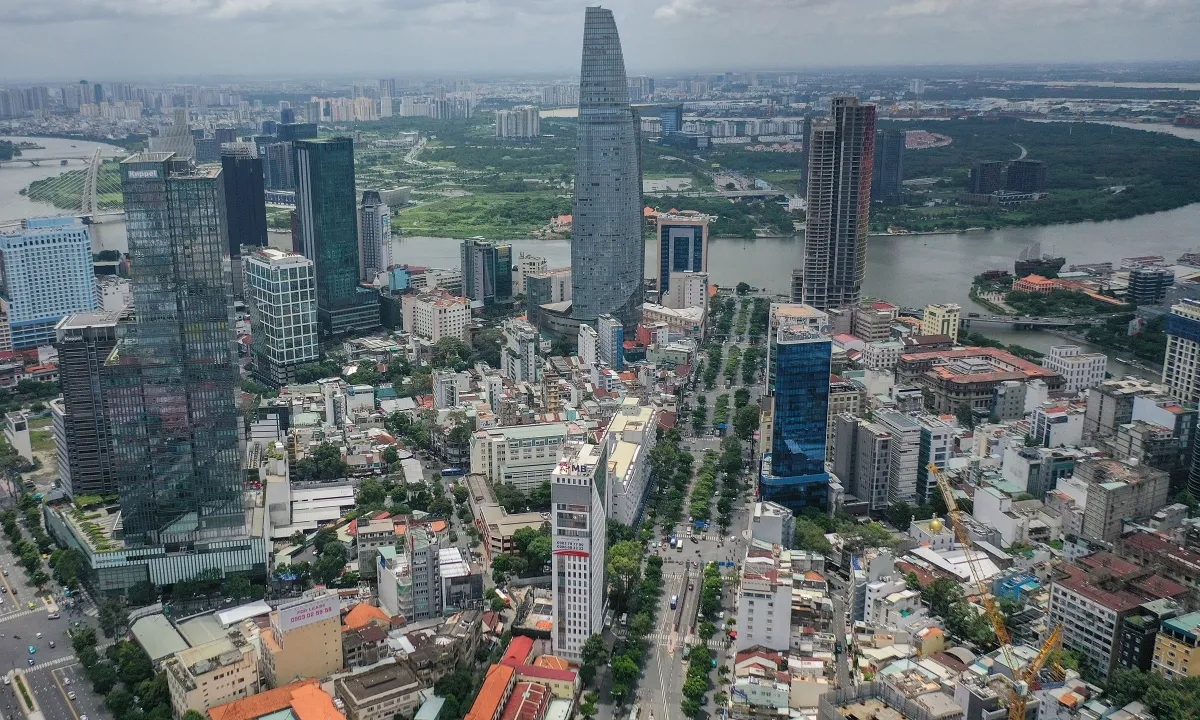 Giá căn hộ TP HCM vượt nhà liền thổ, chạm mốc 190 triệu đồng mỗi m2
Mặt bằng giá căn hộ khu vực trung tâm TP HCM tiếp tục lập đỉnh, đạt trung bình khoảng 190 triệu đồng mỗi m2, vượt phân khúc nhà liền thổ, theo Cushmanamp;Wakefield.
-
 SpaceX có thể giúp Elon Musk sở hữu 1.000 tỷ USD
Công ty hàng không vũ trụ SpaceX dự kiến làm IPO tuần tới, có thể giúp tài sản của Elon Musk, người giàu nhất thế giới, tăng cao.
-
 Chính quyền ông Trump muốn áp thuế 25% với hàng Brazil
Cáo buộc Brazil tham gia các hoạt động thương mại phi lý, Văn phòng Đại diện Thương mại Mỹ đề xuất áp thuế 25% hàng nhập khẩu nước này.


