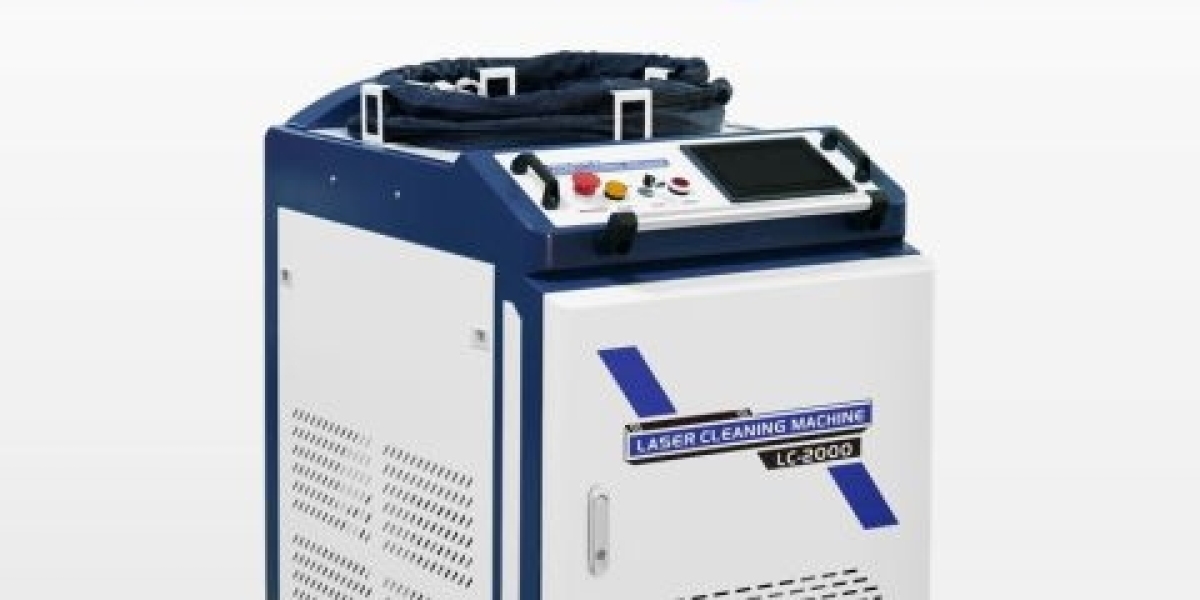
Unlike traditional tools, the rust removing laser works with high precision, targeting only the unwanted oxide layer while leaving the base material intact. This has made it a preferred option in sectors where surface quality and preservation of material integrity are essential. Industries are gradually shifting to this method not just because it is cleaner and faster, but because it reshapes the way maintenance is carried out on metal surfaces.
The working principle behind the rust removing laser is straightforward yet highly effective. It projects a focused laser beam on the surface of the metal. The intensity of the beam is strong enough to heat and vaporize the rust particles while leaving the actual metal surface unharmed. This selective process ensures that the unwanted oxide is removed with minimal effort and zero use of abrasive materials.
During the process, the laser energy interacts with the rust layer and breaks it down into dust or evaporated particles. These particles can then be easily collected or filtered, ensuring a clean work environment. The depth of cleaning can be controlled depending on how much rust has accumulated and how thick the corrosion layer is. For industries where every micron of surface matters, such as aerospace or electronics manufacturing, this level of control is critical.
The appeal of a rust removing laser lies in its versatility. Different industries have different needs, and this technology adapts seamlessly:
Automotive industry uses it for restoring old car parts, preparing surfaces for repainting, and maintaining production equipment.
Shipbuilding and marine industry rely on it to remove rust from large steel structures where traditional cleaning would be time-consuming and expensive.
Oil and gas sector finds it valuable for cleaning pipelines, drilling tools, and storage tanks where corrosion is a constant issue.
Manufacturing plants implement it for machinery maintenance, ensuring efficiency and longevity of production systems.
Aerospace industry applies it for precision cleaning where material integrity cannot be compromised.
The technology is not limited to large-scale applications alone. Small workshops, repair centers, and even art restorers have started adopting rust removing lasers for their ability to preserve detail and quality while eliminating corrosion.
The adoption of rust removing laser systems is expanding worldwide because it aligns with modern demands of speed, efficiency, and sustainability. Companies are under pressure to minimize downtime, reduce costs of maintenance, and extend the life of their equipment. By incorporating a rust removing laser into operations, businesses are seeing measurable results in productivity and surface treatment quality.
Another reason behind its growing popularity is its ability to work without additional chemicals or abrasives. This reduces the risk of contamination, minimizes the need for post-cleaning, and eliminates concerns over disposal of harmful residues. For industries where safety and cleanliness are priorities, this approach fits perfectly.
Using a rust removing laser is not just about cleaning what is already damaged; it is also about preventing further corrosion. By removing rust thoroughly and evenly, it prepares the surface for protective coatings, paints, or treatments that extend the lifespan of the metal. Uneven cleaning in traditional methods often leaves small rust pockets, which can spread again under coatings. With laser cleaning, the surface becomes uniformly treated, ensuring better adhesion for subsequent layers.
This technology also makes periodic maintenance easier. Instead of dismantling heavy equipment or scrubbing for hours, operators can quickly apply the rust removing laser to affected areas. This translates into less downtime and higher reliability of machinery, which is essential in industries running on tight schedules.
A shipbuilding company once faced continuous delays due to the time-consuming rust removal process on steel plates. Workers used abrasive blasting methods, which not only took days but also required extensive cleanup afterward. With the introduction of rust removing laser systems, the cleaning time was reduced by nearly half. The process required fewer workers, minimized surface damage, and prepared the steel for welding and painting more effectively. Over the course of a year, the company reported improved efficiency and reduced costs of surface preparation.
This case is just one example of how industries benefit in real-world operations. When downtime and labor costs are measured in thousands of dollars per hour, even small efficiency improvements bring significant financial results.
The future of rust removing laser technology is promising. As machines become more compact, affordable, and user-friendly, their accessibility will expand beyond industrial giants to small and medium-sized enterprises. Research and development are focused on making these systems more energy-efficient, portable, and adaptable to various materials beyond metals.
There is also ongoing innovation in integrating rust removing lasers with robotic arms and automated systems. This combination allows continuous cleaning in production lines without human intervention, which further improves efficiency. It also opens new opportunities in industries such as electronics and medical devices, where ultra-clean surfaces are essential.
Although the machine itself is designed to be user-friendly, proper training ensures maximum efficiency. Operators learn how to adjust beam intensity, scanning speed, and distance to suit different levels of corrosion. Safety training is equally important since the laser involves concentrated energy. With proper use, however, the process becomes highly reliable, and operators quickly master the technique compared to traditional manual methods.
Companies investing in this technology often find that the learning curve is shorter than expected, making the transition smoother.
Beyond heavy industries, rust removing laser systems are now being used in cultural and historical preservation. Antique dealers and museum professionals face the challenge of restoring delicate objects without damaging them. Mechanical cleaning or chemical treatments can harm fragile materials. The precision of a rust removing laser allows experts to remove corrosion while protecting the underlying structure, whether it’s an old weapon, a bronze statue, or a valuable machine part.
This application showcases the adaptability of the technology, proving that it is not limited to industrial environments but also has a role in heritage conservation.
The rust removing laser represents a shift in how industries and professionals handle corrosion. It combines precision, efficiency, and adaptability, making it suitable for sectors ranging from automotive repair to aerospace engineering. Its ability to work without abrasives or chemicals makes it a cleaner and safer alternative, while its precision ensures that only rust is targeted, leaving valuable material intact.
With growing adoption and ongoing innovation, the rust removing laser is not just a tool for today but a technology shaping the future of surface maintenance and metal preservation.

jack wil
35 posts
-
 'Hợp tác quốc tế giúp rút ngắn hành trình từ phòng thí nghiệm ra thị trường'
Kết nối hệ sinh thái đổi mới sáng tạo quốc tế có thể giúp startup và tổ chức nghiên cứu tại Việt Nam kiểm chứng sản phẩm, rút ngắn hành trình thương mại hóa, theo đại diện Trung tâm Phát triển Công nghệ và Đổi mới sáng
-
 Làn sóng AI đe dọa thế hệ startup tiền ChatGPT
Hàng trăm startup từng được định giá tỷ USD trước khi ChatGPT xuất hiện nay rơi vào tình cảnh khó gọi vốn, giá trị sụt giảm.
-
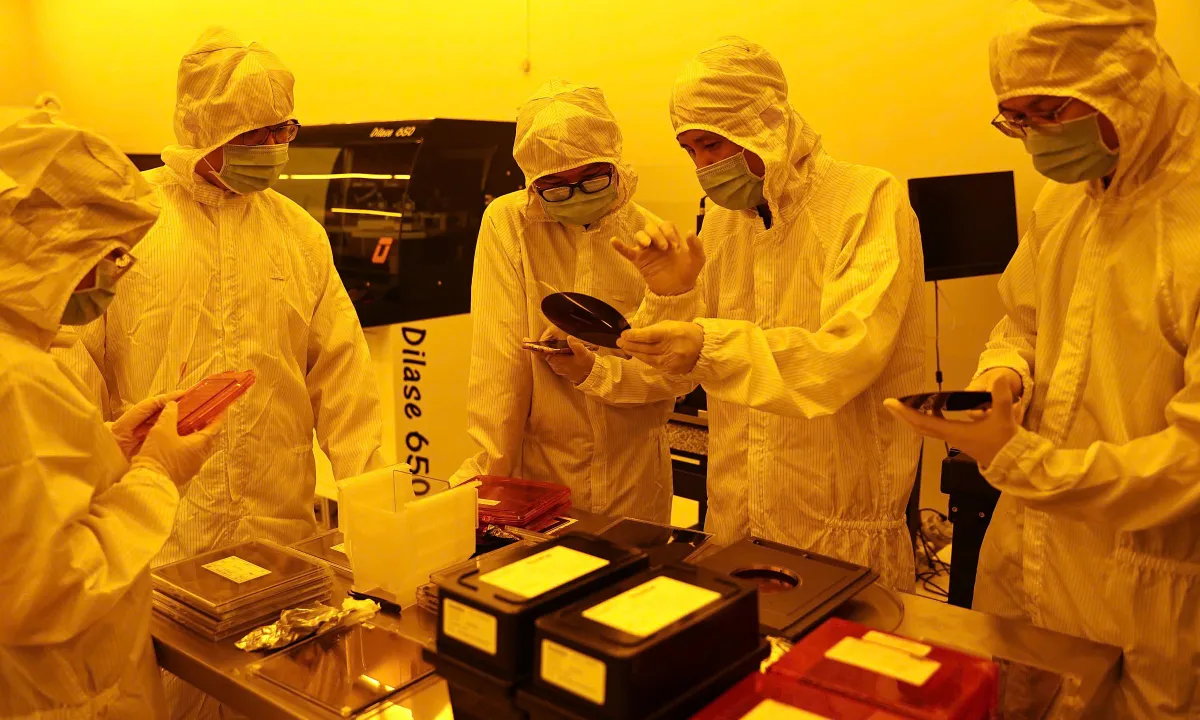 Đổi tư duy vận hành phòng thí nghiệm trọng điểm quốc gia
Bộ Khoa học và Công nghệ cho rằng cần thay đổi tư duy từ đầu tư phòng thí nghiệm sang xây dựng hạ tầng nghiên cứu quốc gia, trong đó con người, cơ chế vận hành và khả năng làm chủ công nghệ phải ở vị trí trung tâm.
-
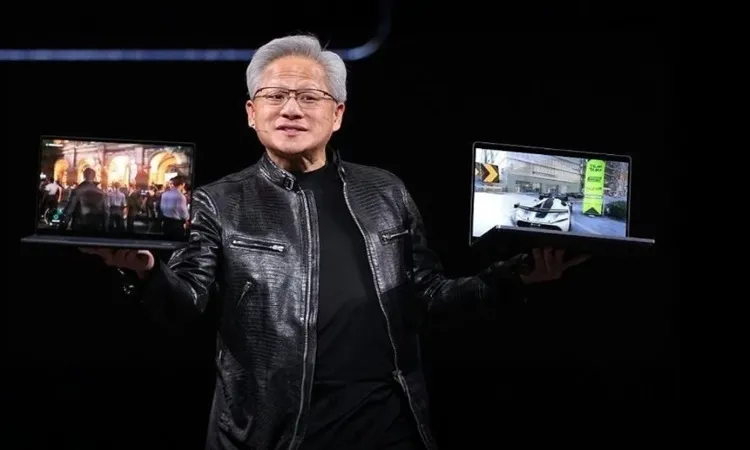 Cuộc đua phát triển máy tính AI làm việc thay con người
Nvidia, Microsoft và Google đang phát triển công nghệ mới cho phép máy tính sử dụng tác nhân AI để thay thế con người làm những công việc phức tạp.
-
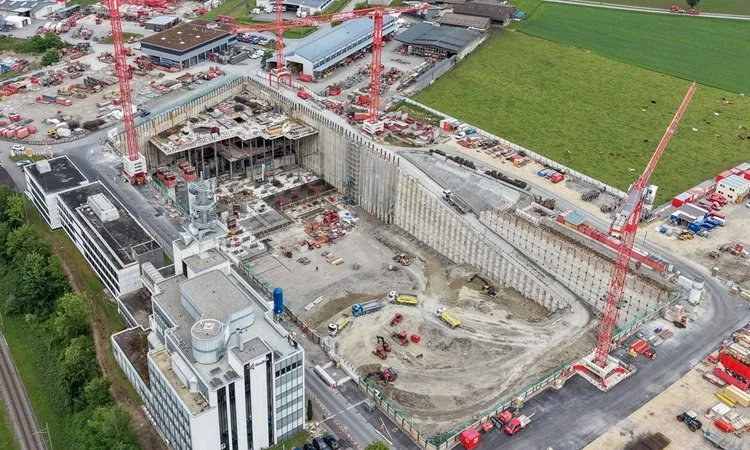 Pin trữ năng lượng dưới độ sâu 27 m
Công ty Flexbase đang xây dựng cơ sở lưu trữ năng lượng sạch bằng pin dòng chảy ở độ sâu 27 m với dung lượng dự kiến lên đến 2,1 GWh.
-
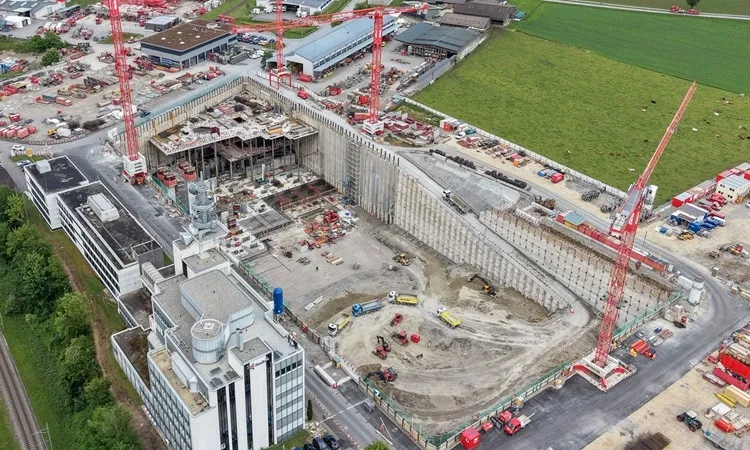 Pin dưới lòng đất lớn nhất thế giới
Công ty Flexbase đang xây dựng cơ sở lưu trữ năng lượng sạch bằng pin dòng chảy ở độ sâu 27 m với dung lượng dự kiến lên đến 2,1 GWh.
-
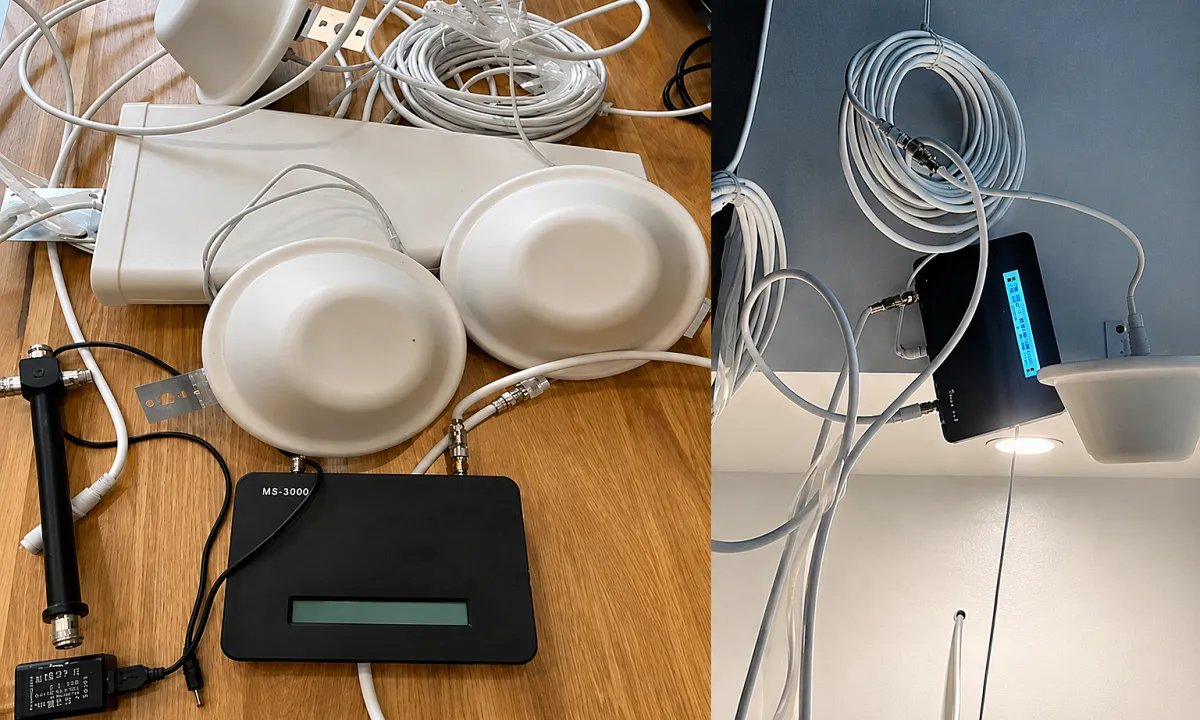 Thiết bị kích sóng gây nhiễu mạng di động tại cửa khẩu Móng Cái
Thiết bị kích sóng di động do cá nhân mua từ nước ngoài về lắp đặt đã gây nhiễu mạng viễn thông khu vực biên giới cửa khẩu Móng Cái.
-
 Nguy cơ lộ thông tin cá nhân khi cha mẹ khoe con trên mạng
Phụ huynh đăng ảnh, video về con trên mạng xã hội có xu hướng ít quan tâm đến việc bảo vệ quyền riêng tư của trẻ, theo nghiên cứu của Kaspersky và Viện Công nghệ Singapore.
-
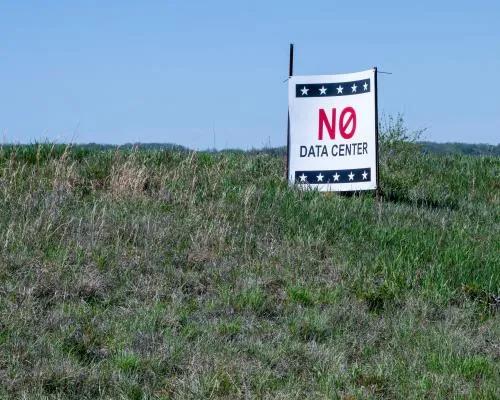 ‘A driver of political violence’: how the breakneck AI boom is fueling anti-tech extremism
Backlash against AI is taking an extremist turn, following in the footsteps of earlier techno-pessimist militants
-
 Nvidia launches ‘superchip’ putting AI power into laptops and PCs
Firm says its RTX Spark PC chip for Microsoft Windows will let AI agents replace the mouse and keyboard
-
 Meta whistleblower’s lawyer says he too is prevented from promoting her book
Ravi Naik says legal ruling that forced Sarah Wynn-Williams to make silent appearance at Hay festival also applies to him


