
Heart surgery has always been one of the most complex and delicate medical procedures. Traditionally, open-heart surgery required a large chest incision, long recovery time, and significant risks. But with advancements in medical technology, Robotic Open Heart Surgery is transforming how doctors treat heart conditions—offering precision, safety, and faster recovery for patients.
What is Robotic Open Heart Surgery?
Robotic open heart surgery is a minimally invasive procedure where surgeons use robotic systems to perform complex cardiac operations. Instead of a large chest incision, the procedure involves a few small incisions, through which robotic arms and high-definition cameras are inserted.
The surgeon controls these robotic instruments from a console, ensuring movements are highly precise and steady—far beyond the limitations of human hands.
Conditions Treated with Robotic Heart Surgery
Robotic technology is now being used in various cardiac procedures, including:
Robotic Open Heart Surgery: A Revolution in Cardiac Care Mitral valve repair and replacement
Coronary artery bypass grafting (CABG)
Atrial septal defect repair
Removal of cardiac tumors
Tricuspid valve surgery
Benefits of Robotic Open Heart Surgery
Compared to traditional open-heart surgery, robotic-assisted procedures provide:
Smaller incisions – reducing scarring and infection risk.
Less pain and blood loss – minimizing complications.
Shorter hospital stay – patients can often return home within a few days.
Faster recovery – return to normal activities much quicker.
Greater surgical precision – enhanced vision and control for surgeons.
Risks and Considerations
Like any surgery, robotic heart surgery carries potential risks such as bleeding, infection, or complications related to anesthesia. However, for most eligible patients, the benefits outweigh the risks. Not all patients may qualify for robotic procedures—those with complex or severe conditions may still require traditional surgery.
The Future of Robotic Heart Surgery
Robotic-assisted techniques represent the future of cardiac care. With continuous advancements in artificial intelligence, imaging, and robotics, the success rates and applications of these procedures will only increase. For patients, this means safer surgeries, less discomfort, and better outcomes.

micsheart
2 posts
-
 Venezuela earthquakes live updates: buildings collapse in Caracas as officials warn ‘high casualties’ likely
Two powerful earthquakes – with magnitudes of 7.2 and 7.5 – sent residents running into the streets as buildings shook and collapsed
-
 Nắng nóng kỷ lục phơi bày điểm yếu hạ tầng châu Âu
Nắng nóng kỷ lục ở châu Âu phơi bày hạn chế hạ tầng giao thông và hệ thống điện, cần cải thiện để đối phó với khí hậu thay đổi.
-
 Trump under pressure to back up claim of sabotage at reflecting pool
President’s promise of photo and video evidence of vandalism at Washington landmark yet to be fulfilled
-
 Wednesday briefing: How can the UK protect its landscape in an increasingly hot world?
In today’s newsletter: As heatwaves intensify, Britain’s ecosystems are being pushed beyond their evolutionary limits
-
 Nắng nóng lịch sử tại châu Âu: Đợt sóng nhiệt kỷ lục và những hậu quả
Châu Âu đang trải qua một đợt nắng nóng chưa từng thấy, với mức nhiệt trung bình cao kỷ lục tại Pháp lên tới 29,8 độ C vào ngày 23/6. Nước này cũng ghi nhận…
-
 Met gets extension to Palantir AI project after Sadiq Khan blocked deal
Mayor’s office grants extra 12 months to run pilot while London force procures long-term supplier
-
 Yosemite visitor dies after being swept over nearly 600ft waterfall
Josue Baires Alfaro, 22, identified as victim in Nevada Fall incident that nearly claimed life of woman who tried to help
-
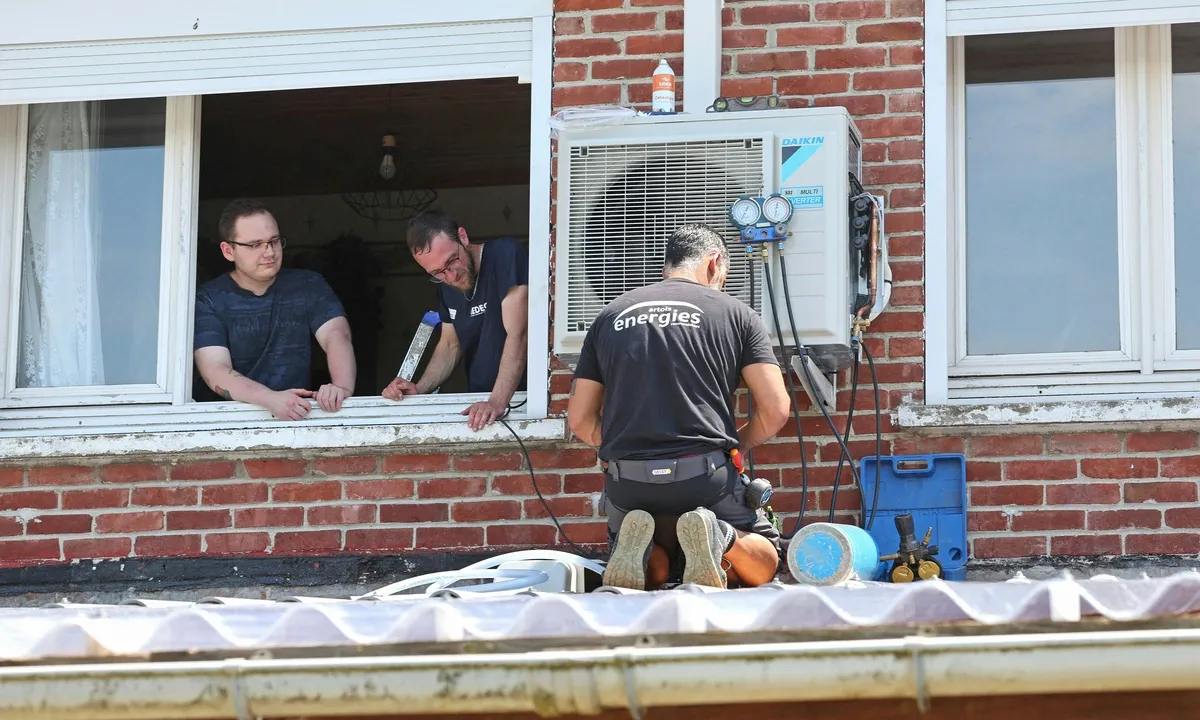 80% hộ gia đình châu Âu không lắp điều hòa mặc dù đợt nắng nóng kỷ lục
80% hộ gia đình châu Âu không lắp điều hòa dù chịu tác động nặng nề từ đợt nắng nóng kỷ lục. Nguyên nhân liên quan đến truyền thống lịch sử và chi phí cao.
-
 Israeli former leaders and security chiefs threaten legal action over ‘Jewish terrorism’
Leaked letter to PM and military demands action to stop violence against Palestinians in occupied West Bank
-
 Fan of TV show Dexter killed and dismembered two men in Cornish woodland, jury hears
James Desborough told team searching for missing men he enjoyed gory scenes in serial killer series, prosecution says
-
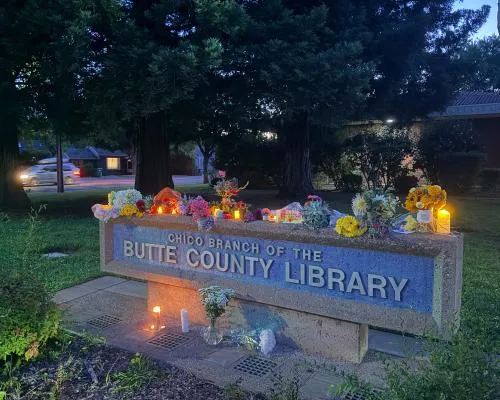 ‘It’s unimaginable’: deadly shooting shatters sense of safety in California city
Teen fatally shot two people on Monday at library in Chico, which has faced deadly wildfires and nearby shootings


