
Challenges of Manual Infrastructure Management Traditionally, managing infrastructure manually is labor-intensive, error-prone, and difficult to scale. With IaC, developers define the desired infrastructure state without specifying the procedural steps. This automation reduces human errors, optimizes resource utilization, lowers costs, mitigates risks, and accelerates responses to evolving business needs.
Key Benefits of Infrastructure as Code
How Infrastructure as Code Works Similar to software development, IaC defines system architecture using configuration files. These files manage infrastructure resources such as servers, networking, storage, and operating systems, ensuring repeatability and consistency.
Core Features of IaC:
Approaches to IaC IaC implementation follows two primary approaches:
Role of IaC in DevOps IaC is integral to DevOps, fostering collaboration and automation in infrastructure management.
Real-World Applications of IaC
Popular IaC Tools Several tools aid in implementing IaC effectively:
Challenges in IaC Implementation Despite its benefits, IaC adoption presents certain challenges:
Conclusion Infrastructure as Code revolutionizes IT management by enhancing efficiency, consistency, and scalability. While implementing IaC may involve hurdles, its advantages significantly outweigh the challenges. Whether managing cloud resources, automating CI/CD pipelines, or ensuring security compliance, IaC empowers organizations with agility and reliability. Adopting IaC not only optimizes operations but also enables teams to innovate and respond swiftly to business demands.

Phanthien Boss
28 posts
-
 Amazon expands ultra-fast deliveries in UK and adds same-day fruit and veg
Deliveries in 30 minutes or less coming to Manchester and Birmingham and fresh groceries service to start in London
-
 Microsoft to tighten human rights measures after inquiry into Israel’s use of its tech
Announcement seeks to close a difficult chapter for the company after the Guardian revealed its platform was used in mass surveillance of Palestinians
-
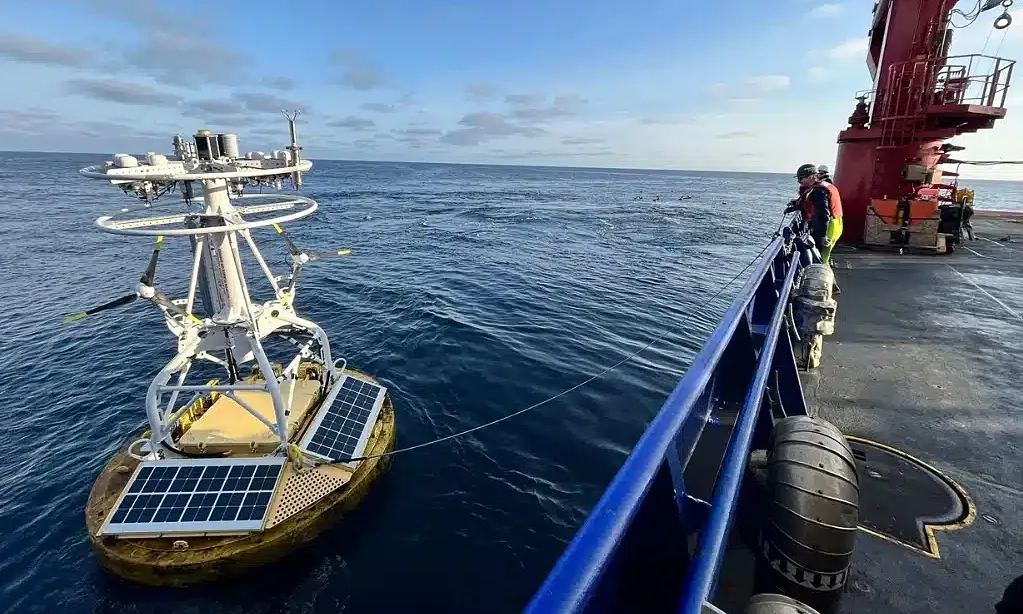 Rủi ro khi Mỹ rút 900 thiết bị giám sát đại dương
Quyết định thu hẹp mạng lưới theo dõi đại dương gồm 900 thiết bị của Mỹ khiến nhiều chuyên gia lo ngại về nguy cơ thiếu dữ liệu quan trọng trong bối cảnh siêu El Nino có thể sắp xảy ra.
-
 Labour will make AI ‘work for the workers’, says Liz Kendall
Technology secretary promises to support people whose jobs are swept away by automation
-
 Startup kết hợp siêu máy tính và AI thắng giải khởi nghiệp châu Âu
EarthScan của Mitiga kết hợp siêu máy tính và mô hình AI riêng giúp giảm rủi ro biến đổi khí hậu cho doanh nghiệp đã thắng giải Startup Competition 2026.
-
 Phi hành gia trạm ISS trú ẩn khẩn cấp do rò rỉ khí
Rò rỉ khí nghiêm trọng trên Trạm Vũ trụ Quốc tế (ISS) khiến 5 phi hành gia phải vào tàu trú ẩn và sẵn sàng sơ tán trong hai tiếng.
-
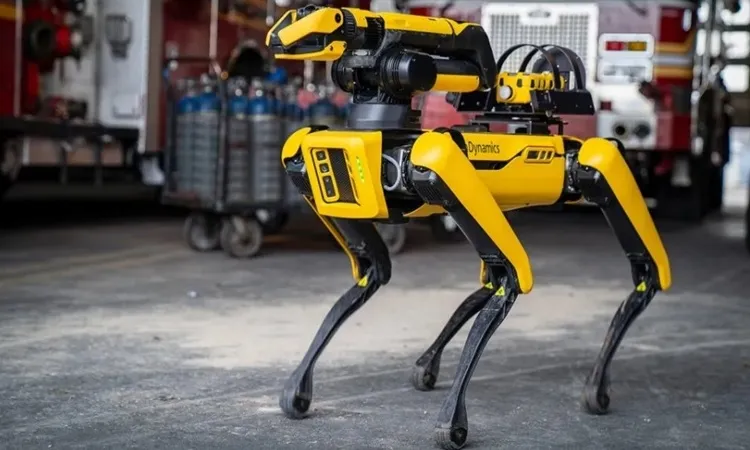 Những robot động vật giải quyết thách thức kỹ thuật
Lấy cảm hứng thiết kế từ tự nhiên, một số robot động vật đáp ứng xuất sắc các nhiệm vụ khó khăn từ giám sát công nghiệp tới thám hiểm dưới nước.
-
 Rò rỉ khung iPhone 18 Pro với ba màu mới
Một số hình ảnh được cho là khung sườn của iPhone 18 Pro xuất hiện trên mạng, cho thấy các tùy chọn màu sắc thực tế của sản phẩm.
-
 Robot 'chú hề' đá trúng khán giả nhí
Khi biểu diễn trước đám đông tại Tân Cương, robot hình người G1 của công ty Unitree vô tình đá vào bụng một cậu bé đứng xem.
-
 Các mẫu laptop gaming nổi bật của ROG 20 năm qua
Dòng Zephyrus G14 mỏng nhẹ, Zephyrus Duo với màn hình đôi, Flow Z13 thiết kế lai tablet là các mẫu laptop gaming đặc biệt của ROG.
-
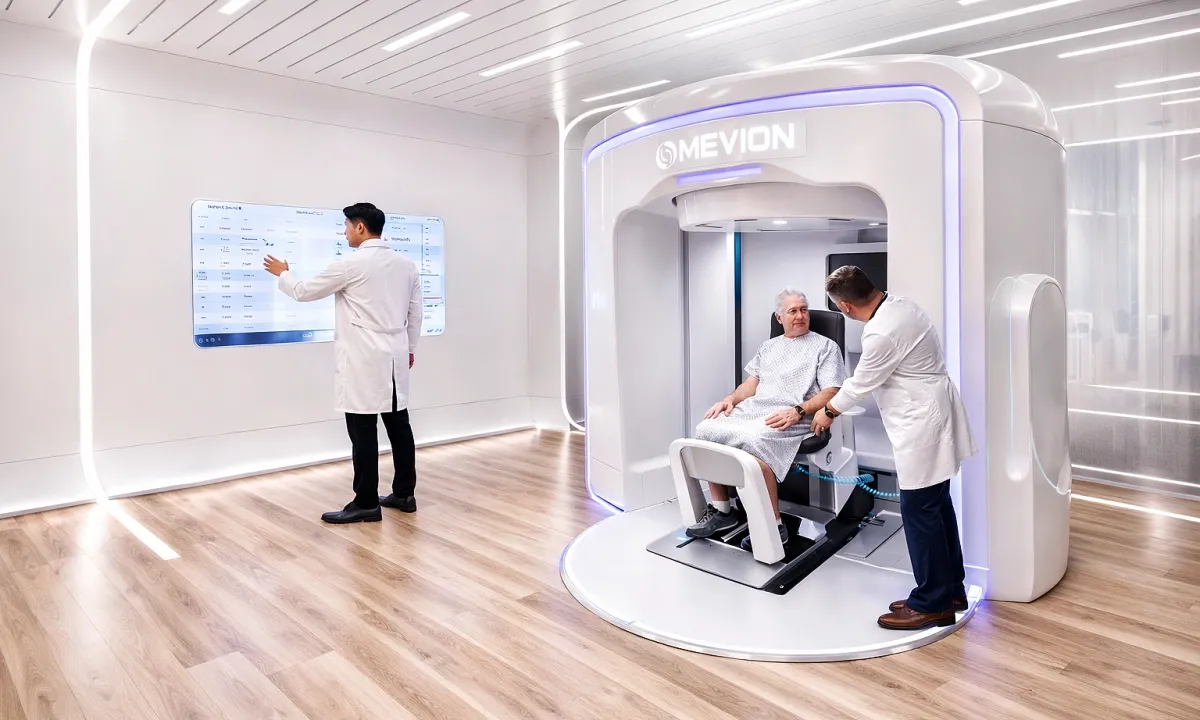 AI hỗ trợ xạ trị trúng đích trong 'siêu máy' 2.000 tỷ đồng
Máy proton Mevion S250-FIT dùng AI tấn công khối u chính xác và an toàn hơn, là hệ thống xạ trị tư thế ngồi đầu tiên trên thế giới của Mevion (Mỹ), được Bệnh viện Tâm Anh đưa về Việt Nam.


