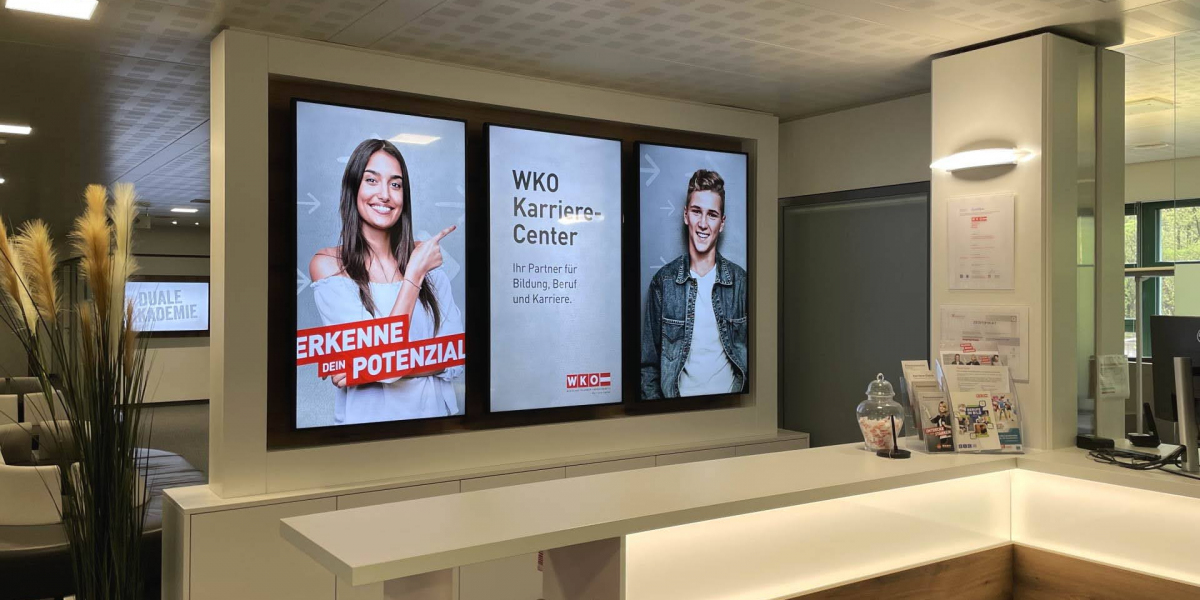
In today’s fast-paced world, customers expect quick and easy ways to browse their options and make dining decisions. The humble menu board plays a crucial role in this experience, serving as a visual guide to your restaurant’s offerings. However, creating an effective restaurant menu board requires more than listing dishes and prices; it demands thoughtful design, strategic planning, and a customer-centered approach. This article will delve into the essentials of restaurant menu boards and offer insights on how to create a menu board that captivates, informs, and encourages customers to make choices that benefit both them and your business.
A restaurant menu board is more than a display of food items and prices; it is one of the primary ways a restaurant communicates its brand, values, and culinary offerings. Menu boards help customers quickly understand what the restaurant offers and make ordering decisions with ease. Moreover, they can influence customer purchasing decisions by strategically highlighting popular or high-margin items.
There are several types of restaurant menu boards, including:
Each type has unique benefits, and the choice depends on factors like the restaurant’s theme, budget, and operational flexibility.
A key function of any menu board is clarity. Customers should be able to read and understand menu options at a glance, even from a distance. To achieve this:
The color palette on a menu board can influence a customer’s mood and appetite. For instance, red and yellow are known to stimulate hunger, which is why they are common in the food industry. However, balance is essential; too many bright colors can be overwhelming. Using your brand’s color scheme subtly helps reinforce brand identity. Contrast is also key to readability; make sure text and background colors have sufficient contrast.
Images are a powerful tool for any restaurant. Well-taken photos of signature dishes or popular items can make the offerings more enticing. However, not all menu boards need images, and overloading with pictures can make the board look cluttered. Select a few high-quality images of bestsellers or chef specials and place them strategically to draw attention. For digital boards, rotating images can add an interactive element without overwhelming customers.
Encourage customers to choose high-margin items by making these stand out on the board. This can be done through bold fonts, special icons, or placement at eye level. Popular strategies include:
In recent years, digital signage software have become increasingly popular, particularly in quick-service and fast-casual restaurants. Digital menu boards offer significant advantages, including:
However, digital boards come with an upfront cost and may require maintenance and software updates, making them more suited to larger establishments or chains.
The language you use on a menu board is just as important as the design. Menu descriptions should be brief but informative, giving customers a sense of what they’re ordering while sparking interest. Here are some tips:
Some common menu board pitfalls can lead to confusion or decreased customer interest. Here are a few to avoid:
A well-designed menu board should reflect the restaurant's overall brand. This includes using consistent colors, fonts, and logos. For example, a rustic-themed restaurant might use wooden frames or chalkboards, while a modern, minimalist café might opt for sleek digital screens with monochromatic color schemes. Including these branding elements helps reinforce the restaurant’s personality and makes a visit memorable.
Once the menu board is set up, it’s essential to test its effectiveness and gather feedback. Observe how customers interact with the board, or conduct brief customer surveys. Are they pausing in front of the board for too long? Are they struggling to find popular items? Feedback allows you to make iterative improvements, ensuring the menu board remains customer-friendly.
The restaurant menu board is a vital tool for communicating with customers, and its design can have a profound impact on customer satisfaction and sales. By investing time and resources into a thoughtfully designed menu board that balances readability, strategic item placement, brand consistency, and flexibility, restaurants can create a board that not only makes ordering easier but also enhances the overall dining experience.

Nento USA
1 posts
-
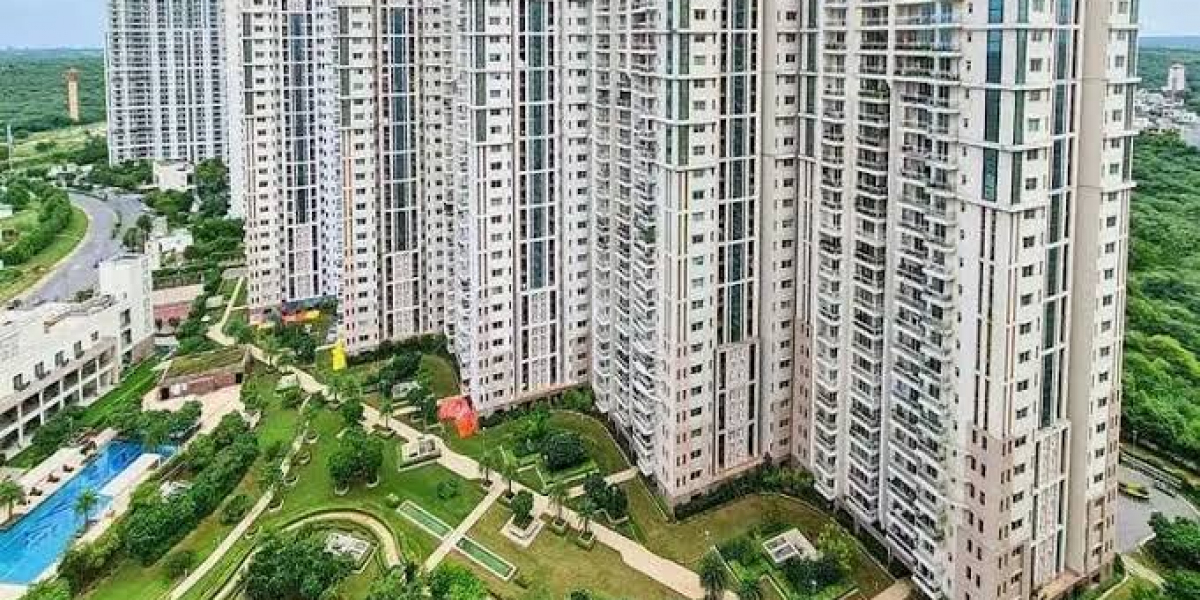 Mastering the Asset: Technical Infrastructure, Micro-Market Value, and Structural Layouts at DLF Park Place
This deep dive focuses on the granular technical infrastructure, exact structural layouts, and macro-economic factors that explain why this specific project maintains a massive edge over its competition in 2026.
-
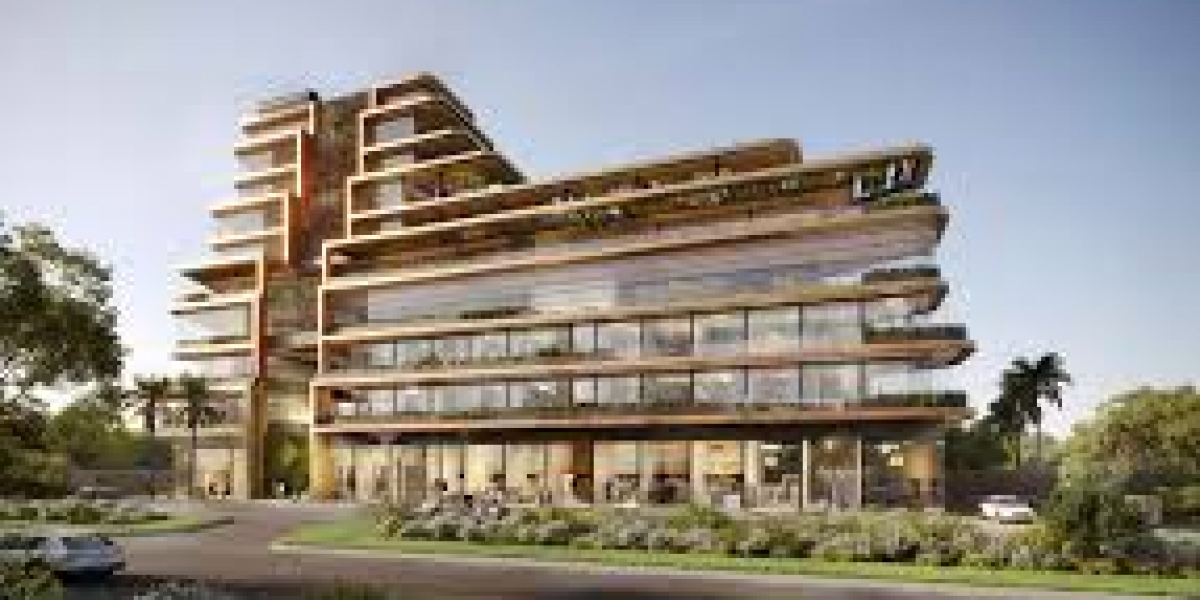 Brand Identity and Tenant Experience: Cultivating Loyalty at Elan Empire Gurgaon
Securing high occupancy in a premium high-street asset is only half the battle. For long-term viability, property management and individual investors must shift their focus to building tenant loyalty and creating a distinctive brand identity.
-
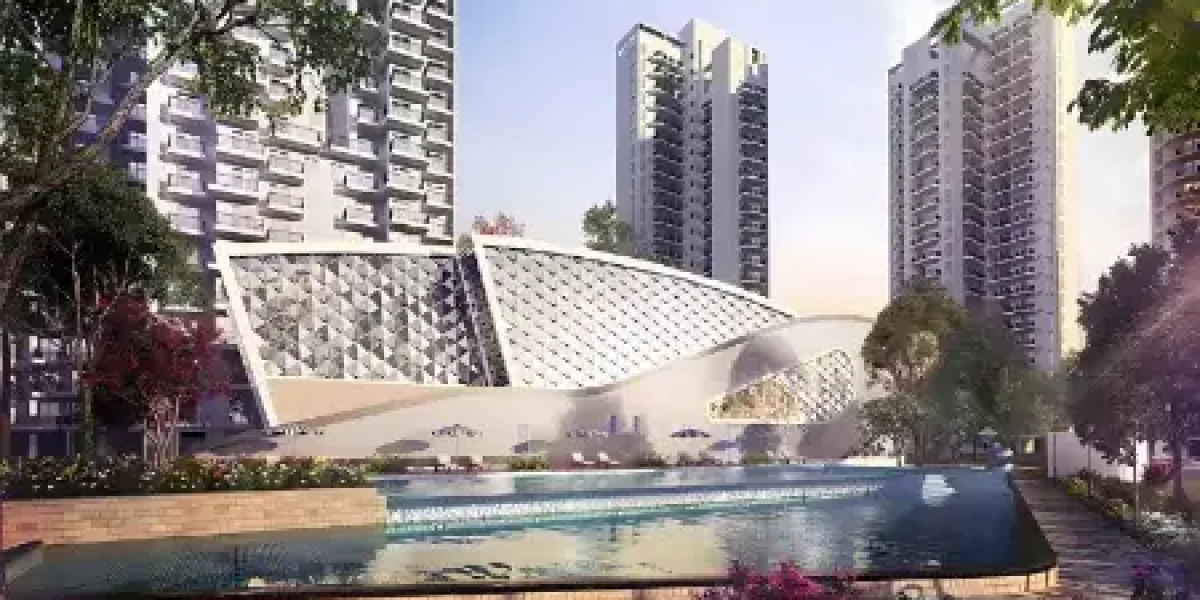 Master Review: Evaluating Godrej Nature Plus, Sector 33, Gurgaon
The layout uses a smart structural pattern where towers are angled away from each other. This creates a staggered footprint that gives corner apartments clear, unblocked views of the Aravalli foothills while ensuring optimal morning and afternoon sunlight. Inside the towers, the floor plan
-
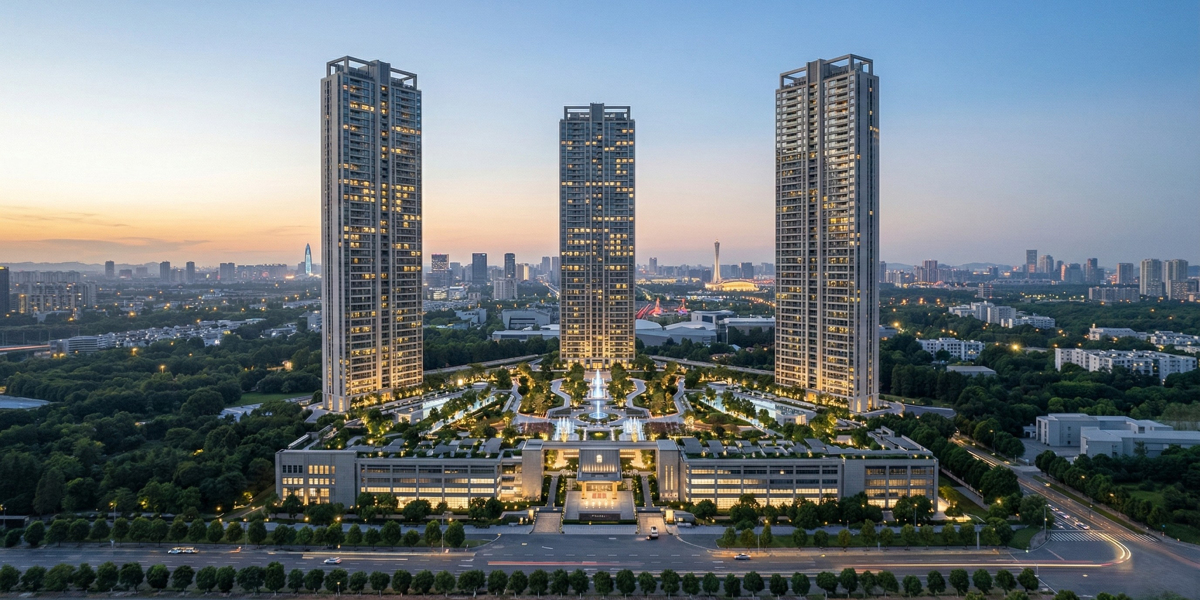 BPTP Downtown 66: A Masterpiece of Vertical Luxury in Sector 66
BPTP Downtown 66 has emerged as one of the most anticipated high-rise developments on the Golf Course Extension Road. Designed by the globally acclaimed architectural firm Aedas, this project is not just a residential complex but a vertical ecosystem where luxury meets functionality.
-
 Aesthetic Clinic in Australia | Beauty Clinic in Carolina | PM Aesthetics
Discover a trusted aesthetic clinic in Australia and a professional beauty clinic in Carolina. PM Aesthetics offers advanced skincare, cosmetic treatments, and personalized beauty solutions.
-
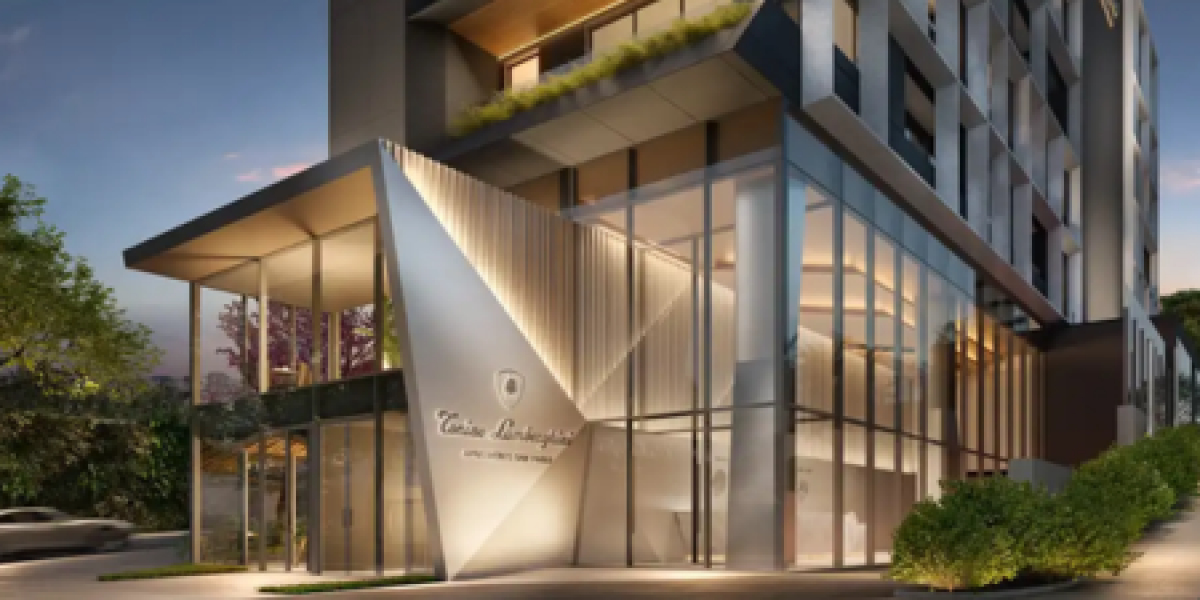 The Masterful Synergy at Signature Global Tonino Lamborghini
Signature Global Tonino Lamborghini Residences represents a ₹2,890 crore synergy of Italian supercar aesthetics and Indian engineering excellence in Sector 71.
-
 Sidewalk Repair NYC: A Complete Guide for Property Owners
Sidewalks in New York City endure constant wear and tear due to heavy foot traffic, extreme weather conditions, and tree root growth. Over time, cracks, uneven surfaces, and potholes can develop. These issues not only create an unpleasant appearance but also pose serious safety hazards for
-
 Why Natural Stone Wall Panels Are Becoming the First Choice for Modern Interiors
Discover why natural stone wall panels are becoming a top choice for modern interiors and exteriors. Learn about their durability, aesthetic appeal, and versatile applications for residential and commercial spaces.
-
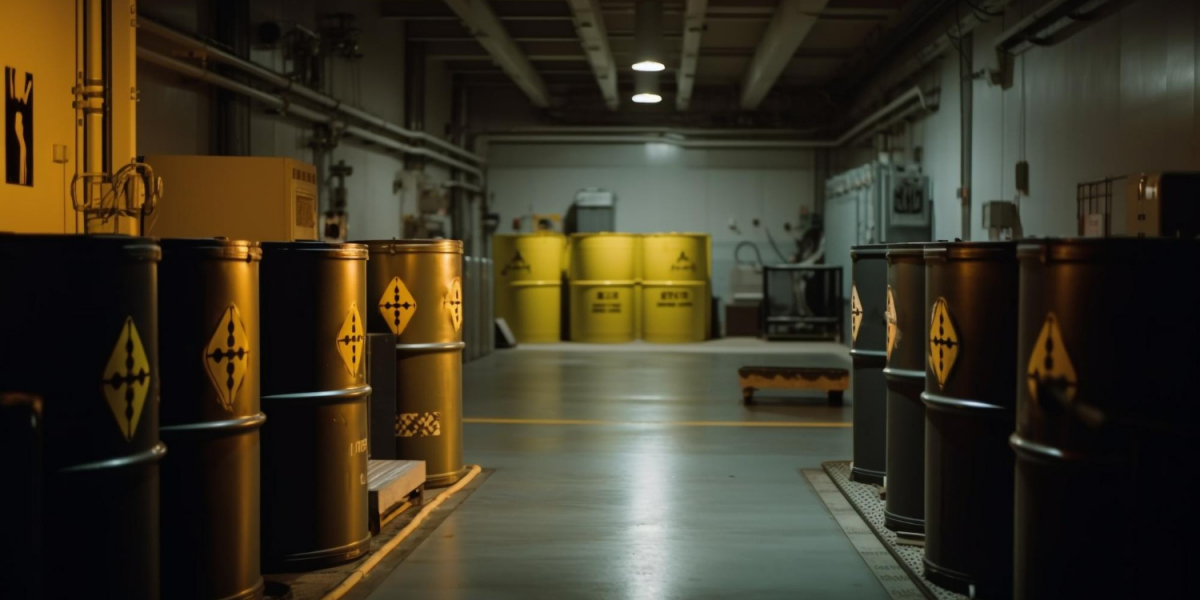 Chemical Supplier for Industrial in UAE: Reliable Solutions for Modern Industries
Find a reliable chemical supplier for industrial in UAE offering high-quality products, consistent supply, and tailored solutions for manufacturing, oil & gas, construction, and water treatment industries.
-
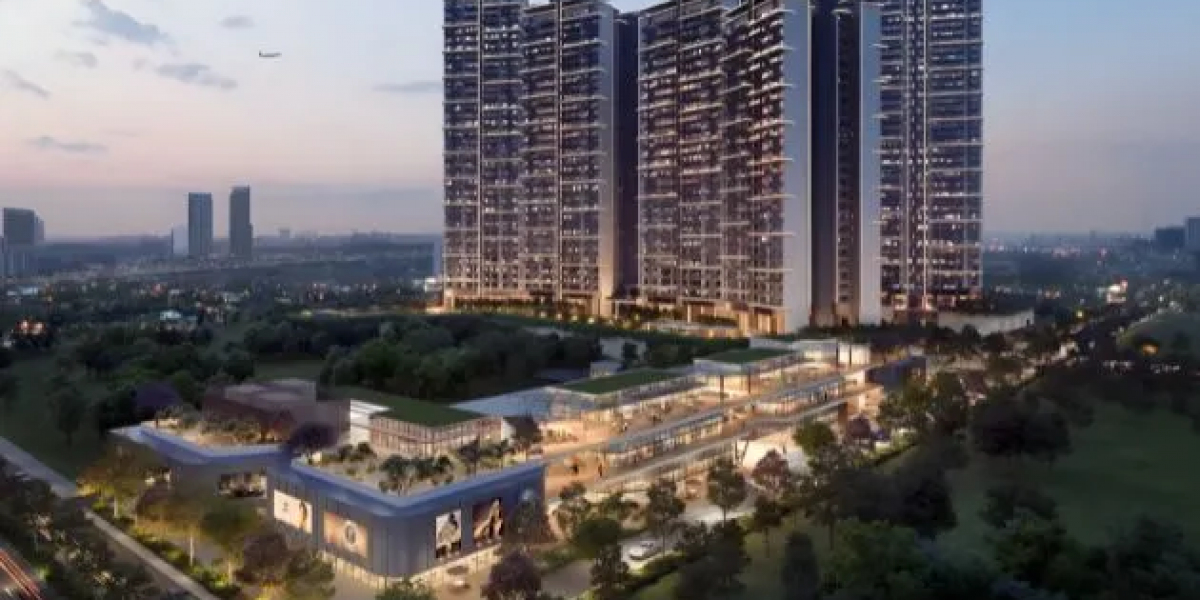 Signature Global Cloverdale SPR Gurgaon – A Modern Address for Comfortable Living
This connectivity allows residents to easily access major employment hubs, corporate offices, and business districts. The proximity to IGI Airport further adds to its appeal, especially for professionals who travel frequently.
-
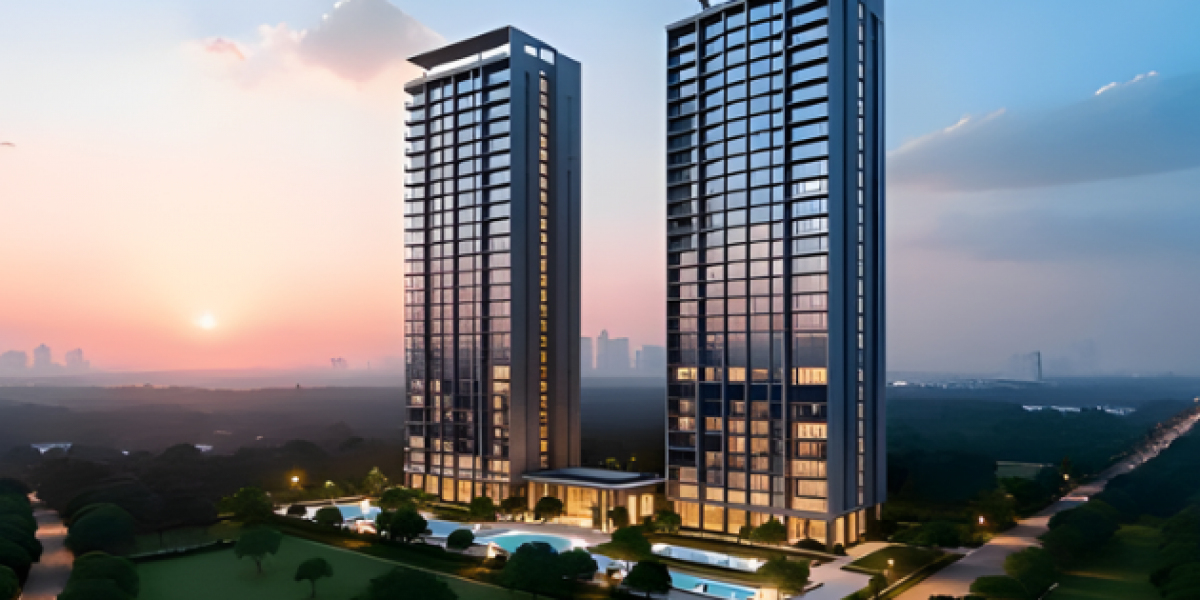 The Vertical Revolution: Living Above the Ordinary at Sobha Rivana
Sobha Rivana is a G+45 floor architectural landmark in Sector 1, Greater Noida West, featuring a low-density design with only four units per floor and four high-speed elevators. It offers a premium lifestyle with 11-foot high ceilings, 80% open green space, and a 50,000 sq. ft. clubhouse,


