Regrouting Tiles in Bathroom & Commercial Waterproofing: A Comprehensive Guide


Maintaining pristine tiles and ensuring watertight commercial spaces are essential steps for preserving both residential and commercial buildings. Two key aspects to achieving this are regrout tiles in bathroom and commercial waterproofing. This guide explores the benefits, methods, and importance of these practices, shedding light on why they are crucial for both aesthetics and structural integrity.
Tiles are a popular choice for bathrooms due to their durability and easy maintenance. However, over time, grout – the material used to fill gaps between tiles – can become discoloured, cracked, or even mould-ridden, compromising the overall look and cleanliness of the bathroom. Here’s why regrouting is essential:
Regrouting bathroom tiles can be a DIY-friendly project with the right tools and patience. Here’s a step-by-step guide:
Step 1: Prepare the Area
Remove any loose dirt or dust from the tiles. It’s best to clean the area thoroughly to ensure you can see all the spots where the grout needs attention.
Step 2: Remove Old Grout
This process requires caution to avoid damaging the tiles. Removing old grout makes space for the new grout to adhere better.
Step 3: Apply New Grout
Mix the new grout according to the instructions and apply it using a grout float. Push the grout into the gaps firmly, ensuring no air pockets remain.
Step 4: Wipe Excess Grout
Using a damp sponge, wipe off any excess grout from the tile surface before it dries completely.
Step 5: Let it Cure
Allow the grout to set for about 24-48 hours, depending on the type of grout. Avoid getting the area wet during this curing period.
Step 6: Seal the Grout
Once the grout has cured, apply a grout sealer to prolong its life and enhance water resistance. Sealing is especially important in high-moisture areas like bathrooms.
In commercial spaces, waterproofing goes beyond protecting tiles. It involves applying waterproof barriers across various surfaces to prevent water penetration. Here's why commercial waterproofing is vital:
Commercial waterproofing often requires a more extensive approach compared to residential spaces:
Membrane Waterproofing
This involves applying a waterproof membrane on surfaces like walls, floors, and roofs. Membranes can be liquid-applied or sheet-applied, forming a protective layer that prevents water from seeping into the building structure.
Cementitious Waterproofing
This is a cost-effective waterproofing solution often used for basements and foundations. The cement-based products bond to surfaces to create a water-resistant barrier. It’s a straightforward process that works well for areas with minimal movement.
Polyurethane Liquid Membrane
Polyurethane offers flexible, durable, and highly water-resistant properties, making it ideal for areas exposed to moisture, such as roofs or decks. It can withstand temperature fluctuations and is also resistant to abrasion and chemicals.
Bentonite Waterproofing
Bentonite is a type of clay used in waterproofing solutions. It expands when it comes in contact with water, effectively sealing off any potential leaks. This method is often used in foundation waterproofing for commercial buildings.
Bituminous Coating Waterproofing
Commonly known as asphalt coating, bituminous waterproofing is often applied on foundations, basements, and roofs. The bitumen creates a watertight layer that prevents water ingress, making it ideal for commercial spaces.
While bathroom regrouting focuses on surface-level issues, combining it with waterproofing can provide long-term protection.
While DIY solutions exist for regrouting and minor waterproofing projects, professionals bring expertise that can be invaluable, especially in commercial settings. Here’s why hiring a professional may be a worthwhile investment:
Conclusion
Regrouting bathroom tiles and implementing commercial waterproofing are essential maintenance steps for any property owner. Not only do they enhance the aesthetics and durability of spaces, but they also prevent costly water damage and promote healthier environments. Whether you opt for a DIY approach or hire professionals, these practices are investments that pay off by protecting the integrity and value of your property.
By understanding the importance and techniques behind regrouting and waterproofing, property owners can make informed choices, ensuring their buildings remain secure, attractive, and resilient.
Super Sealed
5 posts
-
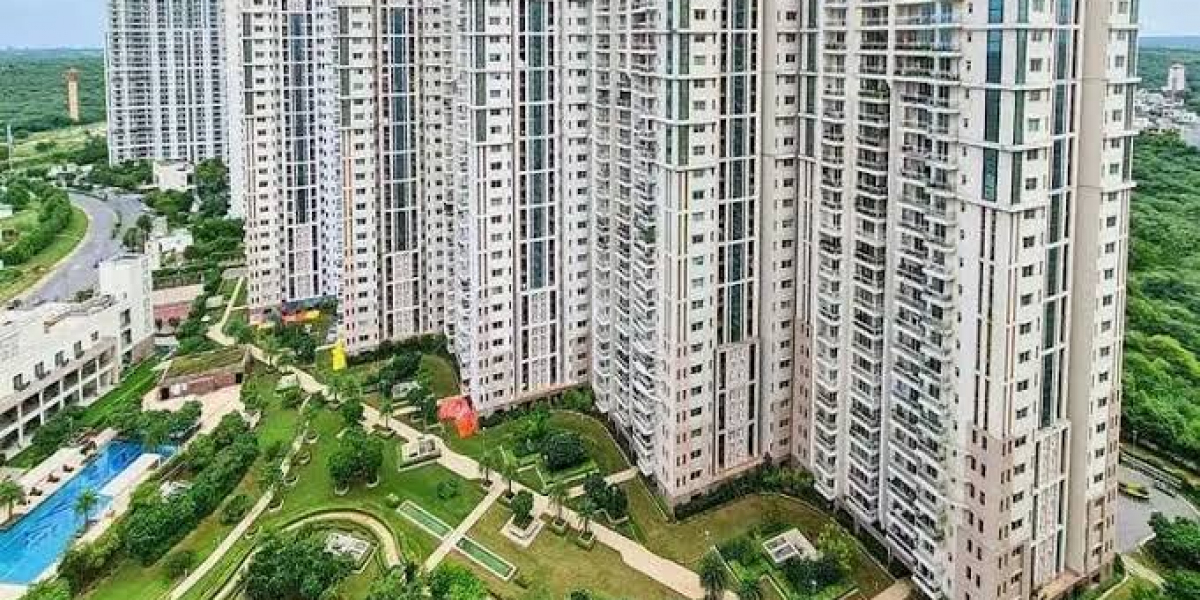 Mastering the Asset: Technical Infrastructure, Micro-Market Value, and Structural Layouts at DLF Park Place
This deep dive focuses on the granular technical infrastructure, exact structural layouts, and macro-economic factors that explain why this specific project maintains a massive edge over its competition in 2026.
-
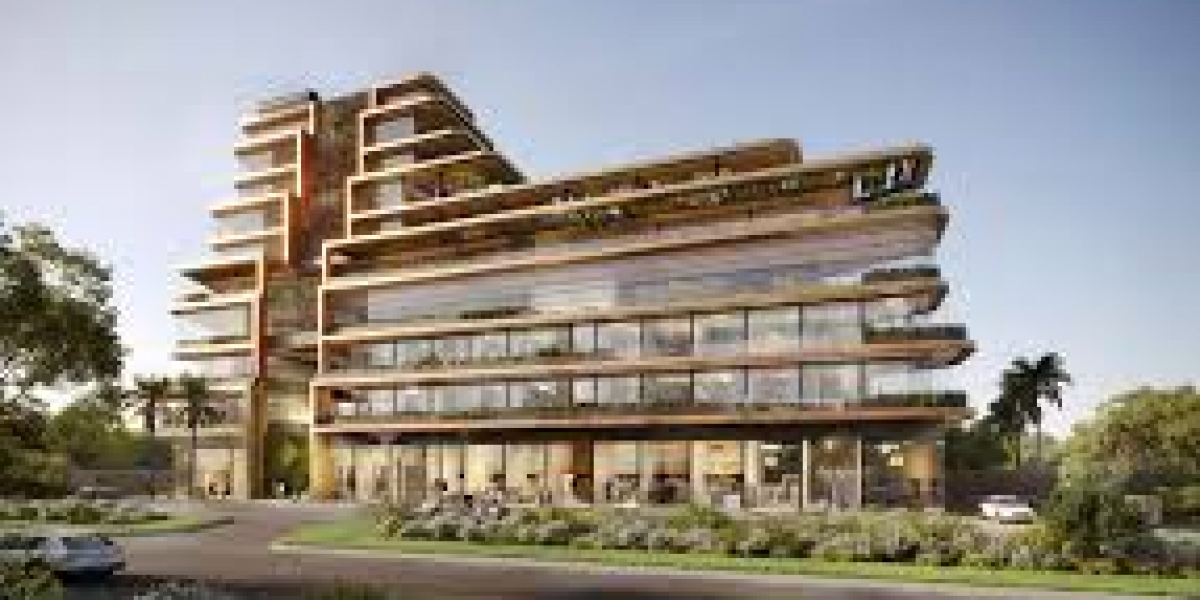 Brand Identity and Tenant Experience: Cultivating Loyalty at Elan Empire Gurgaon
Securing high occupancy in a premium high-street asset is only half the battle. For long-term viability, property management and individual investors must shift their focus to building tenant loyalty and creating a distinctive brand identity.
-
 Master Review: Evaluating Godrej Nature Plus, Sector 33, Gurgaon
The layout uses a smart structural pattern where towers are angled away from each other. This creates a staggered footprint that gives corner apartments clear, unblocked views of the Aravalli foothills while ensuring optimal morning and afternoon sunlight. Inside the towers, the floor plan
-
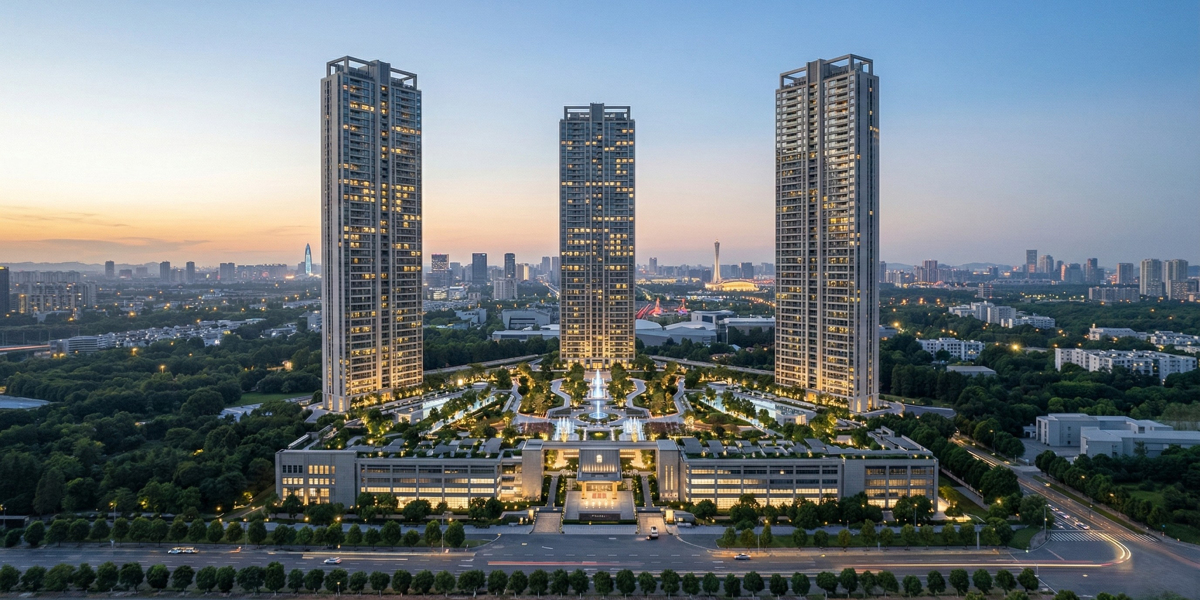 BPTP Downtown 66: A Masterpiece of Vertical Luxury in Sector 66
BPTP Downtown 66 has emerged as one of the most anticipated high-rise developments on the Golf Course Extension Road. Designed by the globally acclaimed architectural firm Aedas, this project is not just a residential complex but a vertical ecosystem where luxury meets functionality.
-
 Aesthetic Clinic in Australia | Beauty Clinic in Carolina | PM Aesthetics
Discover a trusted aesthetic clinic in Australia and a professional beauty clinic in Carolina. PM Aesthetics offers advanced skincare, cosmetic treatments, and personalized beauty solutions.
-
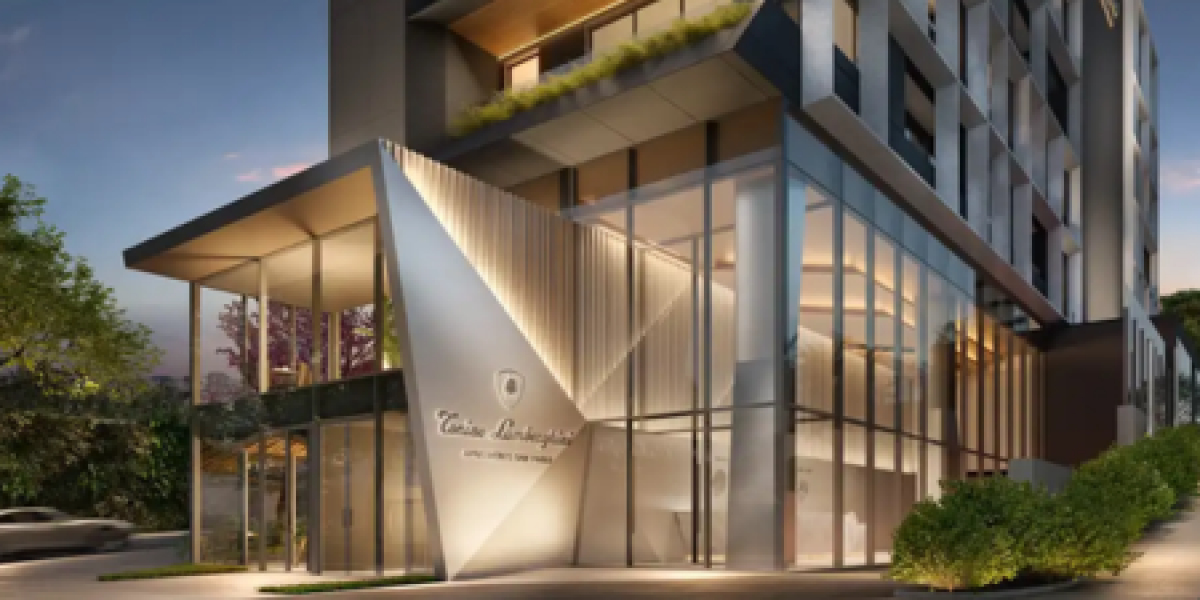 The Masterful Synergy at Signature Global Tonino Lamborghini
Signature Global Tonino Lamborghini Residences represents a ₹2,890 crore synergy of Italian supercar aesthetics and Indian engineering excellence in Sector 71.
-
 Sidewalk Repair NYC: A Complete Guide for Property Owners
Sidewalks in New York City endure constant wear and tear due to heavy foot traffic, extreme weather conditions, and tree root growth. Over time, cracks, uneven surfaces, and potholes can develop. These issues not only create an unpleasant appearance but also pose serious safety hazards for
-
 Why Natural Stone Wall Panels Are Becoming the First Choice for Modern Interiors
Discover why natural stone wall panels are becoming a top choice for modern interiors and exteriors. Learn about their durability, aesthetic appeal, and versatile applications for residential and commercial spaces.
-
 Chemical Supplier for Industrial in UAE: Reliable Solutions for Modern Industries
Find a reliable chemical supplier for industrial in UAE offering high-quality products, consistent supply, and tailored solutions for manufacturing, oil & gas, construction, and water treatment industries.
-
 Signature Global Cloverdale SPR Gurgaon – A Modern Address for Comfortable Living
This connectivity allows residents to easily access major employment hubs, corporate offices, and business districts. The proximity to IGI Airport further adds to its appeal, especially for professionals who travel frequently.
-
 The Vertical Revolution: Living Above the Ordinary at Sobha Rivana
Sobha Rivana is a G+45 floor architectural landmark in Sector 1, Greater Noida West, featuring a low-density design with only four units per floor and four high-speed elevators. It offers a premium lifestyle with 11-foot high ceilings, 80% open green space, and a 50,000 sq. ft. clubhouse,


