Refrigeration Oil Market Environmental Impact, Sustainability Measures, and Regulatory Landscape Analysis


The refrigeration oil market plays a crucial, yet often overlooked, role in the environmental footprint of cooling systems. As industries and regulators worldwide strive for greener technologies and improved energy efficiency, the environmental impact of refrigeration oils, along with evolving sustainability trends and compliance mandates, are transforming market practices and expectations.
While refrigeration oils themselves do not directly contribute to greenhouse gas emissions, their interactions with refrigerants and compressors are central to system efficiency—and thus broader energy consumption. Traditional mineral oils can degrade or cause increased wear under extreme conditions, reducing system efficiency and potentially leading to longer operational hours and higher electricity use.
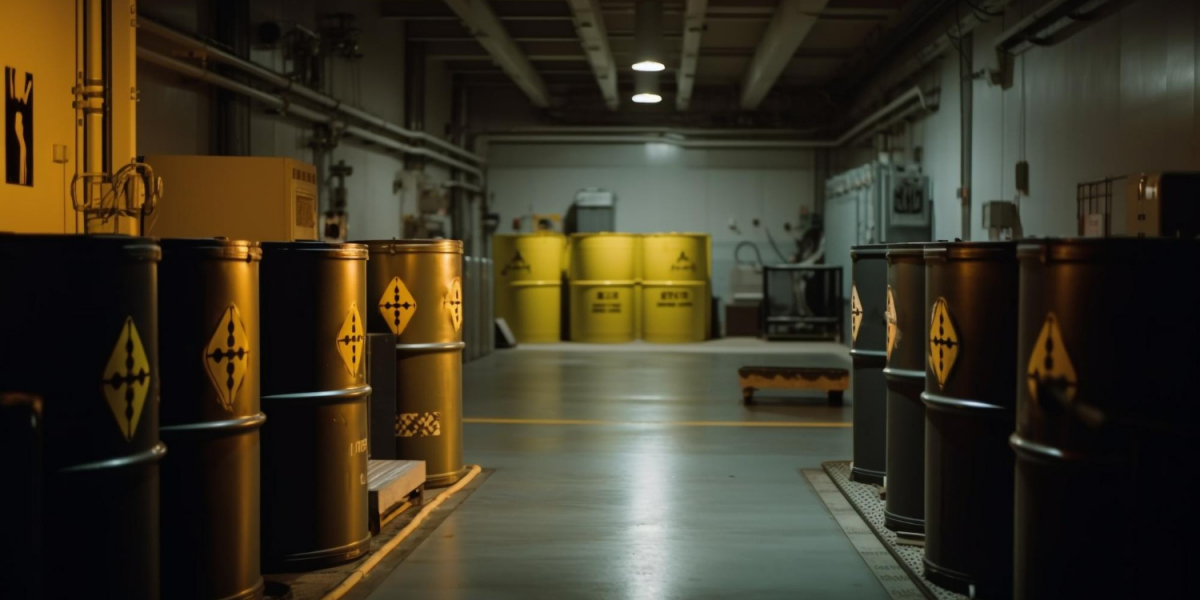
Furthermore, improper disposal or accidental leakage of refrigeration oils—especially those mixed with synthetic additives or refrigerants—can pose ecological risks. This necessitates careful handling, safe disposal, and, where possible, reclamation or recycling of spent oil to prevent soil or water contamination.
1. Transition to Eco-Compatible Oils
The industry is progressively shifting from mineral-based oils to synthetic and semi-synthetic lubricants. These are engineered for modern systems using eco-friendly refrigerants—offering enhanced thermal stability, reduced degradation, and improved miscibility with low-GWP gases like CO₂, HFOs, and ammonia blends.
2. Biodegradable and Non-Toxic Formulations
Manufacturers are actively developing biodegradable oil blends with reduced environmental persistence. These next-generation oils are designed to meet performance standards while minimizing ecological impact in case of release or during disposal.
3. Closed-Loop Recycling Programs
Leading companies are deploying take-back initiatives and recycling programs aimed at reclaiming used oil, refining it, and safely reintroducing it into the supply chain. This circular economy approach reduces both waste and the environmental footprint of oil production.
4. Enhanced Formulation Technologies
New additive packages are being developed to resist oxidation and sludge formation—prolonging oil lifespan and reducing the need for frequent changes. This minimizes waste and conserves resources over the long term.
1. Phasedown of High-GWP Refrigerants
Global agreements and regional policies are accelerating the phase-out of high-global warming potential (GWP) refrigerants like HFCs. This shift necessitates oils that are compatible with more sustainable refrigerants, creating a surge in demand for specialized formulations.
2. Environmental Standards for Lubricants
Some regions are already introducing regulations on lubricant biodegradability and toxicity thresholds. Anticipated future regulations may further restrict types of base stocks or additives allowed in refrigeration oils—propelling manufacturers toward cleaner chemistries.
3. Waste Management and Disposal Protocols
Stringent regulations now mandate proper labeling, collection, and disposal of used oils. Many jurisdictions classify spent refrigerant-oil mixtures as hazardous materials, mandating certified recycling or disposal practices to avoid environmental harm.
4. Certification and Eco-Labeling
Voluntary standards—such as Green Seal, EcoLabel, or ENERGY STAR partnership programs—are influencing purchase decisions and prompting manufacturers to attain compliance credentials for their oil products, signaling both eco-friendliness and technical performance.
Growing Demand for Green Products
As regulatory pressure mounts and sustainability becomes a purchasing criterion, demand is rising for refrigeration oils that meet both performance and environmental benchmarks.
Manufacturer Adaptation
Proactive players are investing in R&D to develop oils specified for natural refrigerants and biodegradable formulations. Collaboration with HVAC equipment manufacturers ensures optimized oil-system compatibility and aligns with eco-regulatory trends.
Consumer and OEM Influence
Original equipment manufacturers (OEMs) are increasingly specifying eco-certified oils as part of equipment bundles—encouraging end users to adopt greener maintenance and operating standards.
Long-Term Opportunity Areas
The refrigeration oil market stands at a critical intersection of technical performance and environmental responsibility. By embracing sustainable practices—from eco-safe formulations to scalable recycling—businesses can lead in compliance, customer trust, and long-term profitability. As regulatory frameworks tighten and eco-consciousness grows, the shift toward greener refrigeration oils is not just responsible—it’s indispensable for sustained industry evolution.
Aradhana Nair
41Blog posts
-
 Brand Identity and Tenant Experience: Cultivating Loyalty at Elan Empire Gurgaon
Securing high occupancy in a premium high-street asset is only half the battle. For long-term viability, property management and individual investors must shift their focus to building tenant loyalty and creating a distinctive brand identity.
-
 Master Review: Evaluating Godrej Nature Plus, Sector 33, Gurgaon
The layout uses a smart structural pattern where towers are angled away from each other. This creates a staggered footprint that gives corner apartments clear, unblocked views of the Aravalli foothills while ensuring optimal morning and afternoon sunlight. Inside the towers, the floor plan
-
 BPTP Downtown 66: A Masterpiece of Vertical Luxury in Sector 66
BPTP Downtown 66 has emerged as one of the most anticipated high-rise developments on the Golf Course Extension Road. Designed by the globally acclaimed architectural firm Aedas, this project is not just a residential complex but a vertical ecosystem where luxury meets functionality.
-
 Aesthetic Clinic in Australia | Beauty Clinic in Carolina | PM Aesthetics
Discover a trusted aesthetic clinic in Australia and a professional beauty clinic in Carolina. PM Aesthetics offers advanced skincare, cosmetic treatments, and personalized beauty solutions.
-
 The Masterful Synergy at Signature Global Tonino Lamborghini
Signature Global Tonino Lamborghini Residences represents a ₹2,890 crore synergy of Italian supercar aesthetics and Indian engineering excellence in Sector 71.
-
 Sidewalk Repair NYC: A Complete Guide for Property Owners
Sidewalks in New York City endure constant wear and tear due to heavy foot traffic, extreme weather conditions, and tree root growth. Over time, cracks, uneven surfaces, and potholes can develop. These issues not only create an unpleasant appearance but also pose serious safety hazards for
-
 Why Natural Stone Wall Panels Are Becoming the First Choice for Modern Interiors
Discover why natural stone wall panels are becoming a top choice for modern interiors and exteriors. Learn about their durability, aesthetic appeal, and versatile applications for residential and commercial spaces.
-
 Chemical Supplier for Industrial in UAE: Reliable Solutions for Modern Industries
Find a reliable chemical supplier for industrial in UAE offering high-quality products, consistent supply, and tailored solutions for manufacturing, oil & gas, construction, and water treatment industries.
-
 Signature Global Cloverdale SPR Gurgaon – A Modern Address for Comfortable Living
This connectivity allows residents to easily access major employment hubs, corporate offices, and business districts. The proximity to IGI Airport further adds to its appeal, especially for professionals who travel frequently.
-
 The Vertical Revolution: Living Above the Ordinary at Sobha Rivana
Sobha Rivana is a G+45 floor architectural landmark in Sector 1, Greater Noida West, featuring a low-density design with only four units per floor and four high-speed elevators. It offers a premium lifestyle with 11-foot high ceilings, 80% open green space, and a 50,000 sq. ft. clubhouse,
-
 Find the Perfect Christmas Jewellery at Stonex Jewellers
Our Christmas collection features a wide range of designs, from classic to contemporary, ensuring there is something for everyone.


