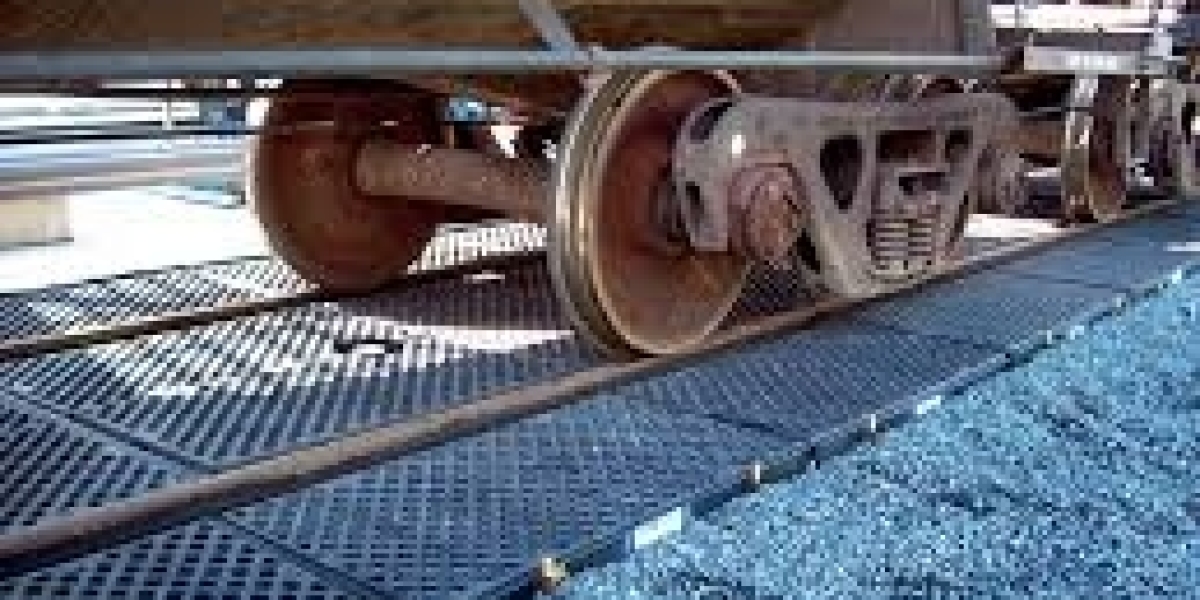
The railcar spill containment market is vital for preventing environmental contamination during the transportation of hazardous materials by rail. Stringent regulations and guidelines govern the design, implementation, and maintenance of spill containment systems to ensure safety and compliance. This article delves into the key industry regulations and guidelines shaping the railcar spill containment market.
In the United States, the Environmental Protection Agency (EPA) enforces the SPCC rule under 40 CFR Part 112. This regulation mandates facilities to develop and implement spill prevention plans that include secondary containment measures for oil storage and transfer operations. For railcar operations, this means installing containment systems capable of holding at least 150% of the capacity of the largest railcar to prevent spills from reaching navigable waters.
The FRA oversees the safe transportation of hazardous materials by rail. While the FRA does not prescribe specific spill containment designs, it enforces safety standards that indirectly influence containment system requirements. For instance, the FRA's Hazardous Materials Division ensures that railcars and facilities comply with safety protocols that minimize the risk of spills during transit and handling.
OSHA's regulations, particularly those under the Hazardous Waste Operations and Emergency Response (HAZWOPER) standard, apply to railcar spill containment systems. These standards require facilities to implement safety measures that protect workers from exposure to hazardous materials during spill containment operations. This includes proper training, use of personal protective equipment (PPE), and emergency response procedures.
Beyond federal regulations, various environmental guidelines influence spill containment practices. For example, the EPA's hazardous waste storage regulation 40 CFR 264.175 requires that secondary containment systems be impervious, free of gaps or cracks, and chemically compatible with the material being stored. The containment system must have the capacity to contain at least 10% of the total volume of the primary container or 100% of the volume of the largest container, whichever is larger.
In addition to federal regulations, state and local agencies may impose additional requirements for railcar spill containment. For instance, California's Department of Toxic Substances Control has specific guidelines for spill containment systems used in rail operations. These regulations often align with federal standards but may include stricter provisions to address regional environmental concerns.
For railcar operations outside the United States, international standards play a crucial role. The International Maritime Organization's (IMO) International Maritime Solid Bulk Cargoes (IMSBC) Code provides guidelines for the safe transport of bulk cargoes, including those transported by rail. Similarly, the European Union's REACH (Registration, Evaluation, Authorization, and Restriction of Chemicals) regulation influences spill containment practices by setting standards for chemical safety that extend to rail transport.
Industry associations, such as the American Association of Railroads (AAR), provide best practice guidelines for spill containment. These guidelines recommend the use of modular containment systems, regular maintenance schedules, and employee training programs to ensure effective spill prevention and response. Adhering to these best practices helps facilities maintain compliance with regulatory requirements and enhance operational safety.
Advancements in technology have led to the development of innovative spill containment solutions. For example, the use of corrosion-resistant materials and real-time monitoring systems enhances the effectiveness of containment systems. These technological innovations not only improve spill containment but also assist in meeting regulatory compliance by providing data for inspections and audits.
Despite the availability of regulations and guidelines, facilities often face challenges in achieving compliance. These challenges include high implementation costs, lack of technical expertise, and varying regulations across jurisdictions. Addressing these challenges requires a coordinated approach involving regulatory agencies, industry stakeholders, and technology providers to develop cost-effective and efficient spill containment solutions.
The railcar spill containment market is expected to grow as environmental concerns and regulatory pressures increase. Projections indicate a compound annual growth rate (CAGR) of approximately 5.0% from 2025 to 2035, with the market size expected to increase from USD 26.3 billion in 2025 to USD 42.8 billion by 2035. This growth is driven by the need for effective spill containment solutions to mitigate environmental and safety risks associated with the transportation of hazardous materials by rail.
The railcar spill containment market operates within a complex framework of regulations and guidelines designed to protect the environment and ensure safety. Compliance with these regulations is essential for facilities engaged in railcar operations involving hazardous materials. By understanding and adhering to these industry standards, stakeholders can mitigate risks, avoid penalties, and contribute to environmental sustainability.

Aradhana Nair
41Blog posts
-
 Brand Identity and Tenant Experience: Cultivating Loyalty at Elan Empire Gurgaon
Securing high occupancy in a premium high-street asset is only half the battle. For long-term viability, property management and individual investors must shift their focus to building tenant loyalty and creating a distinctive brand identity.
-
 Master Review: Evaluating Godrej Nature Plus, Sector 33, Gurgaon
The layout uses a smart structural pattern where towers are angled away from each other. This creates a staggered footprint that gives corner apartments clear, unblocked views of the Aravalli foothills while ensuring optimal morning and afternoon sunlight. Inside the towers, the floor plan
-
 BPTP Downtown 66: A Masterpiece of Vertical Luxury in Sector 66
BPTP Downtown 66 has emerged as one of the most anticipated high-rise developments on the Golf Course Extension Road. Designed by the globally acclaimed architectural firm Aedas, this project is not just a residential complex but a vertical ecosystem where luxury meets functionality.
-
 Aesthetic Clinic in Australia | Beauty Clinic in Carolina | PM Aesthetics
Discover a trusted aesthetic clinic in Australia and a professional beauty clinic in Carolina. PM Aesthetics offers advanced skincare, cosmetic treatments, and personalized beauty solutions.
-
 The Masterful Synergy at Signature Global Tonino Lamborghini
Signature Global Tonino Lamborghini Residences represents a ₹2,890 crore synergy of Italian supercar aesthetics and Indian engineering excellence in Sector 71.
-
 Sidewalk Repair NYC: A Complete Guide for Property Owners
Sidewalks in New York City endure constant wear and tear due to heavy foot traffic, extreme weather conditions, and tree root growth. Over time, cracks, uneven surfaces, and potholes can develop. These issues not only create an unpleasant appearance but also pose serious safety hazards for
-
 Why Natural Stone Wall Panels Are Becoming the First Choice for Modern Interiors
Discover why natural stone wall panels are becoming a top choice for modern interiors and exteriors. Learn about their durability, aesthetic appeal, and versatile applications for residential and commercial spaces.
-
 Chemical Supplier for Industrial in UAE: Reliable Solutions for Modern Industries
Find a reliable chemical supplier for industrial in UAE offering high-quality products, consistent supply, and tailored solutions for manufacturing, oil & gas, construction, and water treatment industries.
-
 Signature Global Cloverdale SPR Gurgaon – A Modern Address for Comfortable Living
This connectivity allows residents to easily access major employment hubs, corporate offices, and business districts. The proximity to IGI Airport further adds to its appeal, especially for professionals who travel frequently.
-
 The Vertical Revolution: Living Above the Ordinary at Sobha Rivana
Sobha Rivana is a G+45 floor architectural landmark in Sector 1, Greater Noida West, featuring a low-density design with only four units per floor and four high-speed elevators. It offers a premium lifestyle with 11-foot high ceilings, 80% open green space, and a 50,000 sq. ft. clubhouse,
-
 Find the Perfect Christmas Jewellery at Stonex Jewellers
Our Christmas collection features a wide range of designs, from classic to contemporary, ensuring there is something for everyone.


