Even if a beginner manages to get their first few trades right, the actual results are tested over time. To prevent a strategy from devolving into a chain of chaotic bets, it must be tested over time—backtested, that is, running the rules on historical data. This allows one to understand whether the chosen system works not only in attractive examples but also in real market conditions. For traders who are unwilling to risk real money in the early stages, the Quotex otc broker platform becomes a kind of laboratory where they can safely explore the market and test their ideas.
A backtest isn't simply a mechanical verification of signals on a past chart. It's a reconstruction of trading conditions, an attempt to recreate the very atmosphere of uncertainty in which a trader will make decisions in real time. A good backtest isn't limited to individual chart segments, but encompasses different market periods: periods of growth, decline, flats, and panicky news. Only then can one see whether a strategy can withstand the pressure of unpredictability.
It's important to avoid self-deception here. History always looks better than the actual trading session. When we know the price will go up in ten minutes, it's easy to convince ourselves that this is exactly how we would have acted at that moment. But a backtest must be honest, otherwise it turns into a rule-fitting exercise—a beautiful mirage that has nothing to do with future results.
The quality of initial quotes is the foundation for any testing. If the data is incomplete or delayed, the results are distorted, and the trader builds a strategy on illusion. For digital options, tick or at least minute data is especially important: it allows one to see how accurately the strategy reacts to price changes. Experienced traders also consider factors such as asset liquidity, potential slippage, and execution delays.
Don't forget about "survivorship bias." Many beginners use only those assets that are currently trading, forgetting that some instruments may have been excluded from the market or experienced periods of catastrophic volatility. To create a more realistic picture, it's useful to include a variety of assets and periods in your testing, even those that were complex or unpredictable.
A strategy's true strength is revealed not on calm days, but during periods of market turbulence. A stress test is a kind of disaster simulation: spreads widen, lags increase, sharp gaps appear, and news events that throw the price off balance are simulated. If a strategy survives these conditions, it can be considered ready for real trading.
This stage is especially valuable for digital options, where decisions are made quickly and mistakes are punished immediately. Stress testing helps assess not only the statistical stability of the system but also the trader's psychological readiness.
Even perfect numbers won't help if a trader can't follow their own rules. In real trading, excitement, fear, and the desire to increase the bet after a winning streak or "claw back" after a loss emerge. Therefore, after analytical testing, it's important to switch to demo mode and experience how the strategy works in real life. Only then can you understand whether you're ready to follow its signals without emotional breakdowns and improvisation.
A backtest isn't an endpoint, but a stage of iteration. Based on this, a trader refines their strategy, tests new ideas, eliminates unnecessary ones, and retests the resulting version. Gradually, a coherent trading system emerges from a set of hypotheses, demonstrating consistent results over various time periods.
When this process becomes a habit, trading ceases to be a lottery. It transforms into a conscious, structured approach, where every action is statistically justified and risk is controlled in advance. And this is precisely the essence of backtesting: it allows decision-making to move from the realm of guesswork to the realm of proven patterns.
A backtest is a filter that allows only those strategies that can survive in real life. It doesn't guarantee profit, but it does allow us to eliminate obviously weak ideas, saving time, money, and stress. For a digital options trader, this isn't just a technical tool, but a way to build trading on a solid foundation. The more thoroughly the backtest is performed, the more secure your trading will be on a real account—where mistakes are unforgiving.

alex snowy
6Blog posts
-
 Tài khoản ngân hàng hơn 3 năm không giao dịch có thể bị đóng
Ngân hàng có thể chủ động đóng tài khoản rác và tài khoản không giao dịch 3 năm trở lên để hạn chế rủi ro gian lận, lừa đảo.
-
 CEO Nvidia nỗ lực tăng sức hút tại Hàn Quốc
Bữa tối với bia và gà rán năm 2025 cùng Chủ tịch Samsung, Hyundai giúp Jensen Huang biết làm thế nào để thu hút sự chú ý tại Hàn Quốc.
-
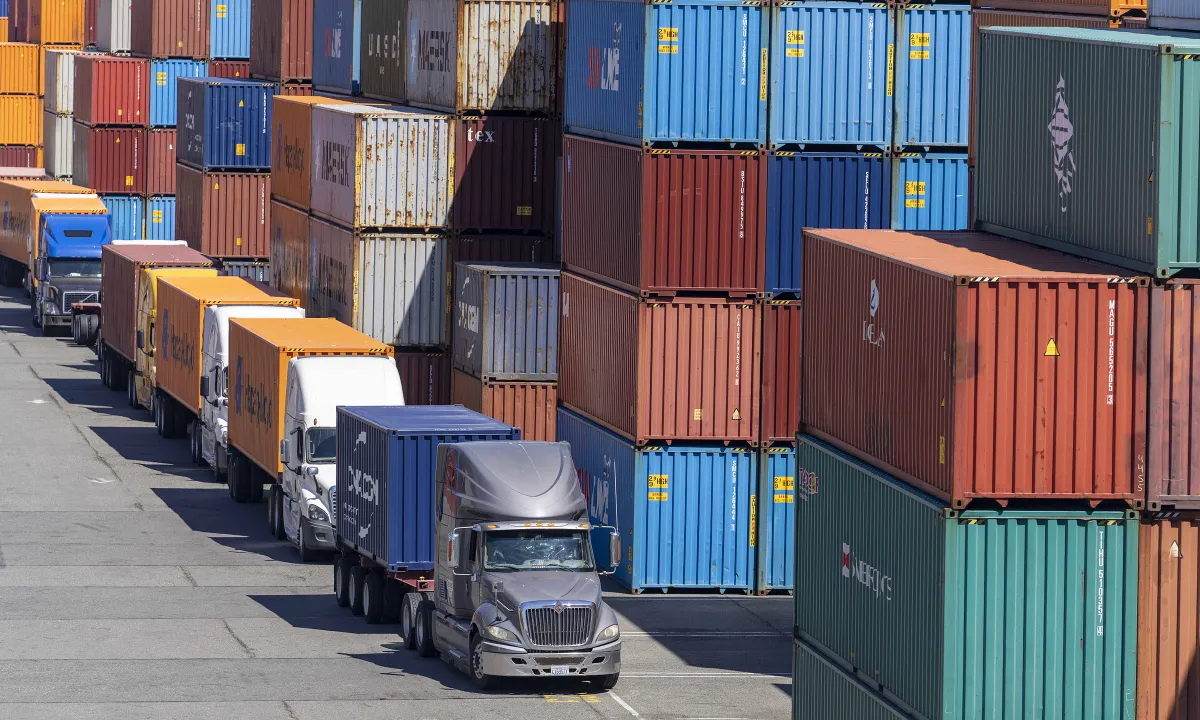 Chính quyền ông Trump đề xuất áp thuế bổ sung với 60 nền kinh tế
Văn phòng Đại diện Thương mại Mỹ đề xuất áp thuế bổ sung đến 12,5% hàng nhập từ 60 nền kinh tế, vì hành vi thương mại không công bằng.
-
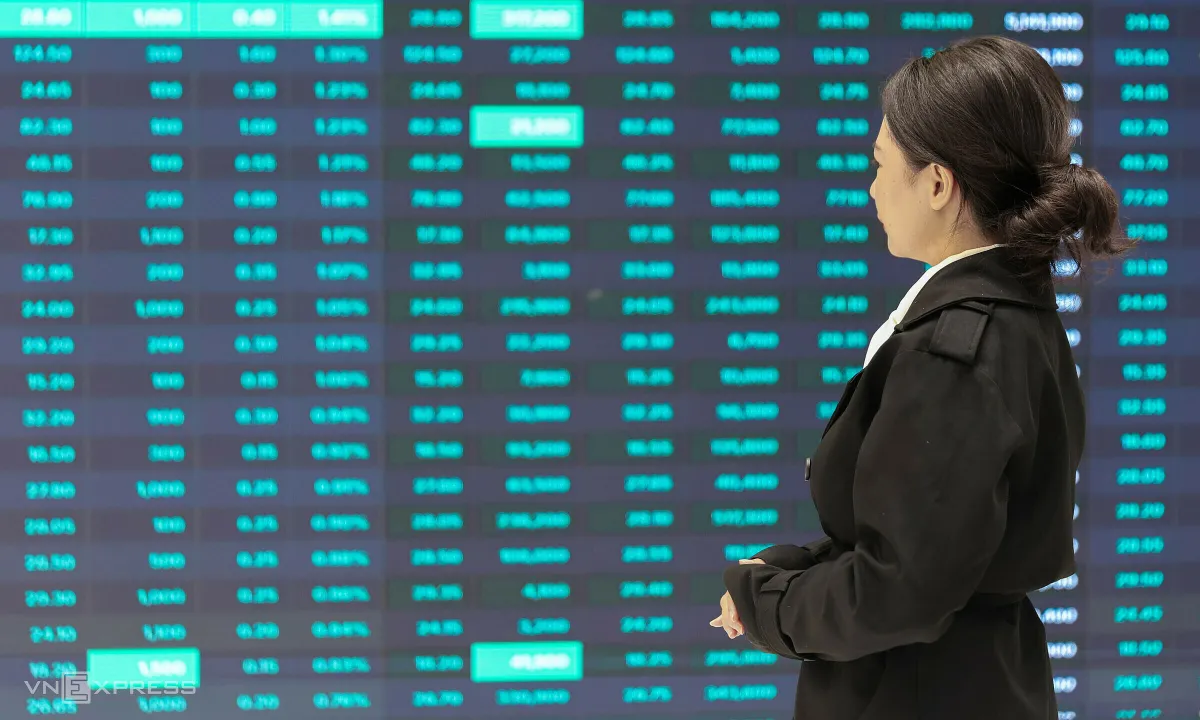 Chứng khoán dứt chuỗi giảm điểm
Sau 7 phiên đi xuống liên tiếp, VN-Index tăng 12,5 điểm nhưng rơi vào tình trạng xanh vỏ, đỏ lòng khi số lượng cổ phiếu giảm chiếm phần nhiều hơn.
-
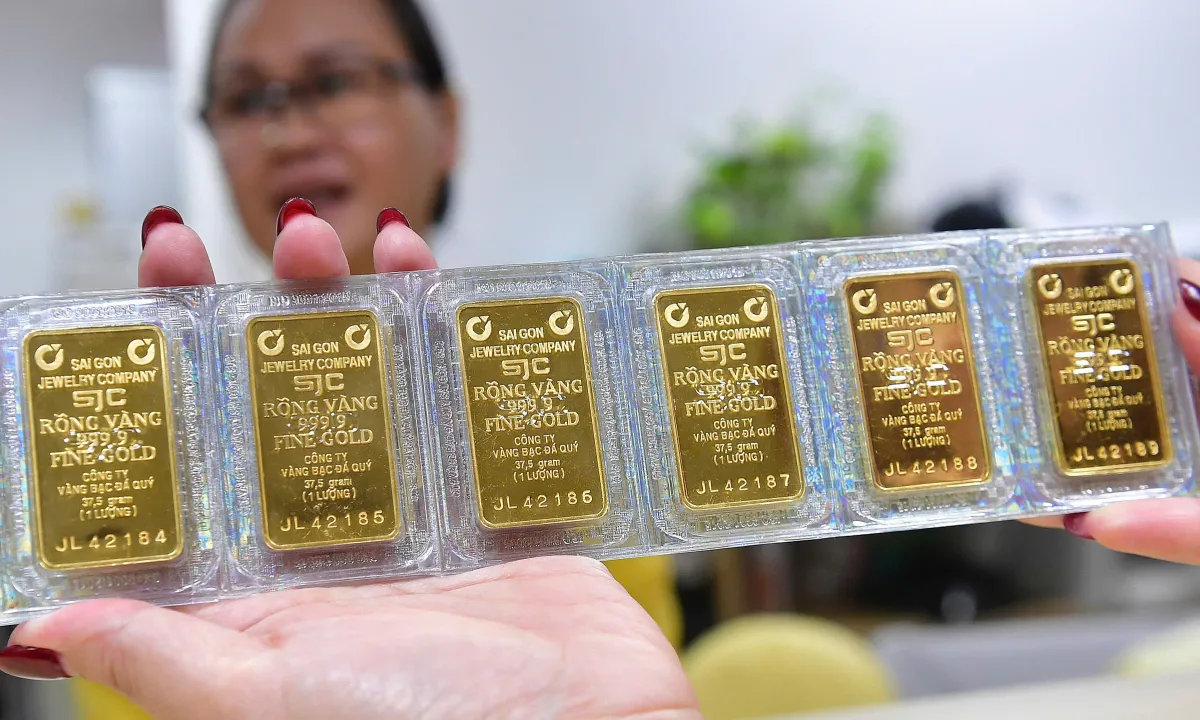 Bộ Tài chính: Chưa đủ căn cứ áp thuế thu nhập với mua bán vàng miếng
Bộ Tài chính cho biết chưa đủ căn cứ áp thuế thu nhập cá nhân với mua bán vàng miếng, vì cần chờ cấp có thẩm quyền thông qua đề án lập sàn giao dịch vàng.
-
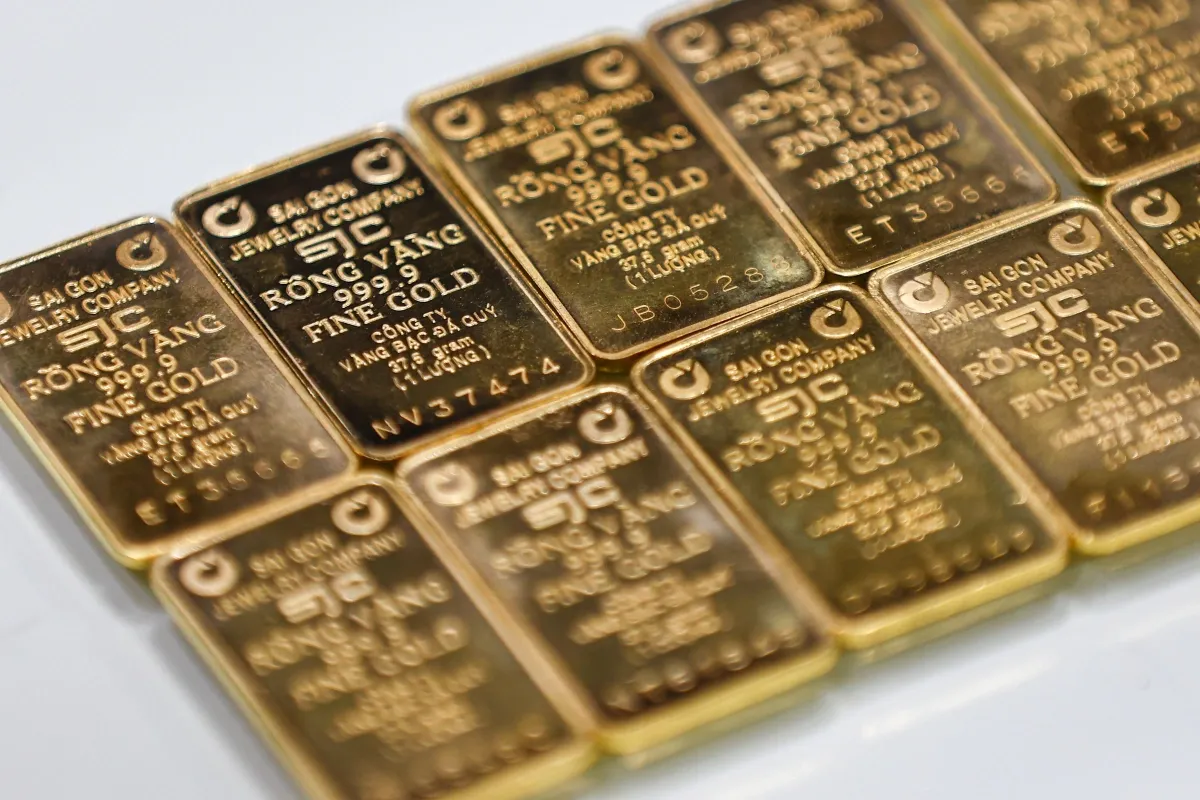 Giá vàng miếng xuống thấp nhất từ đầu năm
Các thương hiệu bán ra vàng miếng quanh mức 156,5 triệu đồng một lượng, thấp nhất từ kể từ đầu năm.
-
 Thủ tướng: Sớm đưa các dự án năng lượng trọng điểm vào hoạt động
Thủ tướng Lê Minh Hưng yêu cầu Bộ Công Thương sớm đưa các dự án năng lượng trọng điểm vào hoạt động, trong bối cảnh thời tiết diễn biến bất thường, nhu cầu điện tăng.
-
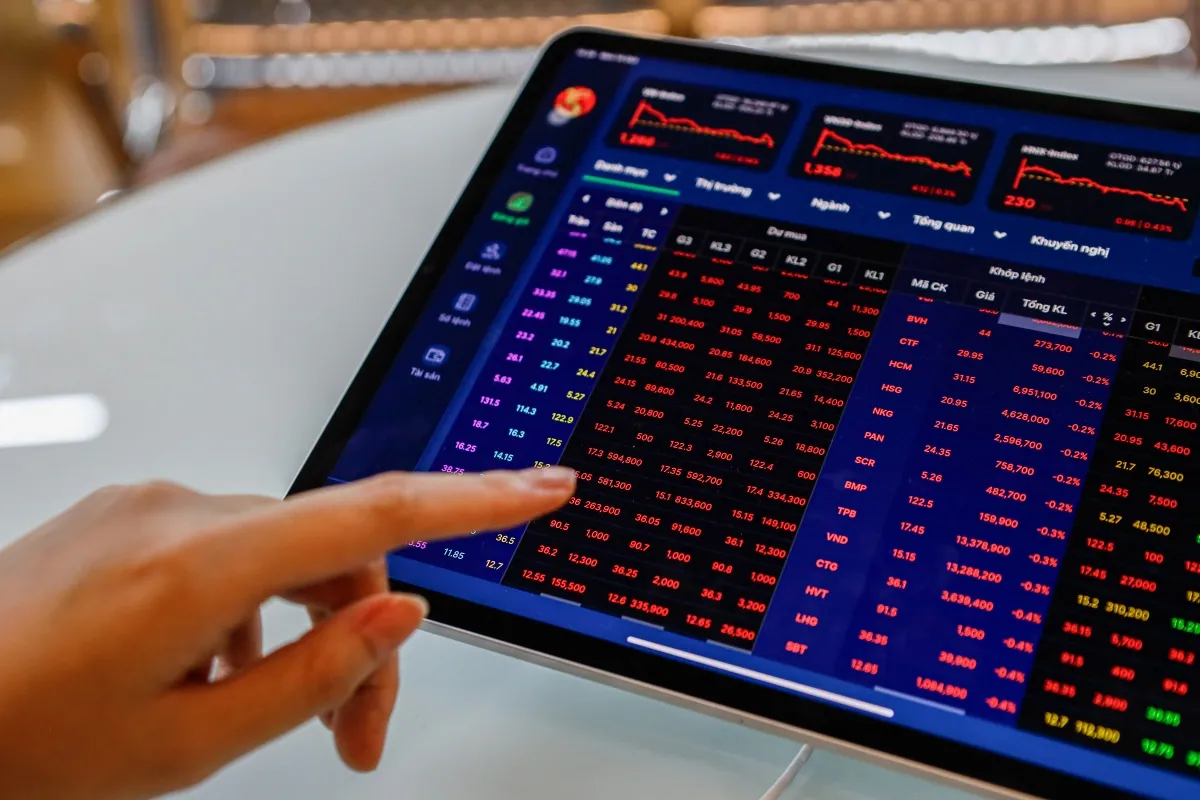 VN-Index chưa cắt chuỗi giảm sâu
VN-Index giảm liên tục 7 phiên và có lúc thủng mốc 1.800 điểm do áp lực xả hàng tập trung vào một số cổ phiếu trụ.
-
 Công ty sở hữu mảng sản xuất của VinFast có Chủ tịch mới
Bà Thái Thị Thanh Hải được bầu làm Chủ tịch của VFTP, doanh nghiệp sở hữu mảng sản xuất cùng hai nhà máy của VinFast tại Việt Nam.
-
 Có nên bán vàng để dành mua nhà khi giá giảm mạnh?
Theo chuyên gia, vàng là tài sản phòng vệ nhưng không tuyệt đối, nên có thể bán bớt một phần để tránh ảnh hưởng kế hoạch mua nhà năm sau.
-
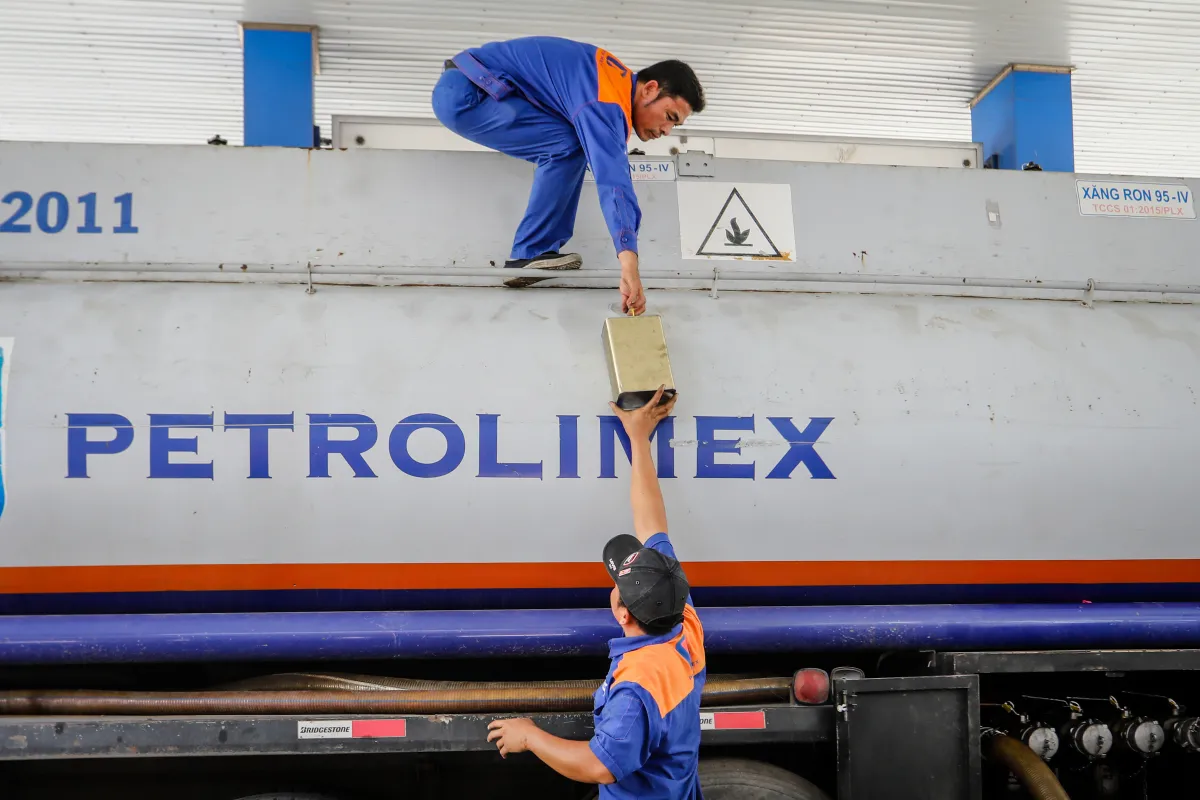 Petrolimex tính bán toàn bộ cổ phiếu quỹ
Hội đồng Quản trị Tập đoàn Xăng dầu Việt Nam (Petrolimex) thống nhất chủ trương bán hết 23,28 triệu cổ phiếu quỹ để đáp ứng điều kiện công ty đại chúng.


