
Buying or inheriting property is supposed to feel like a fresh start, but sometimes ownership isn’t as clear as it looks on paper. Maybe you found an old lien that never got released, or a neighbor suddenly claims a strip of your yard. In California, when ownership is questioned or records don’t line up, the law provides a remedy called a quiet title action. This process gives a judge the power to declare who truly owns a piece of land, so you can move forward without that knot in your stomach. Nakase Law Firm Inc. often hears from people who ask things like how can I prove a seller lied on a disclosure? because these surprises tend to surface after a purchase, and quiet title lawsuits can end up being part of the solution. And yes, this is a court case—not a quick phone call—so a bit of patience and paperwork is part of the deal.
Think of it as a way to “quiet” the noise around your property—conflicting deeds, boundary squabbles, or outdated liens that keep popping up. It’s a structured path that helps owners get a clean answer. California Business Lawyer & Corporate Lawyer Inc. often gets questions such as how does a quiet title action work in California from clients who discover hidden issues that need to be sorted out before they can confidently say the home or land is truly theirs. The short version: you file, you notify everyone with a potential claim, you present proof, and the court issues a judgment that settles ownership in the public record.
At its heart, a quiet title case is about wiping away doubt. Say you buy a house, and a few weeks later a letter arrives from someone claiming their grandfather left them the same property long ago. You might know your deed is valid, but that claim still creates uncertainty. Lenders, buyers, and title insurers balk at uncertainty. So, a quiet title lawsuit asks the court to review the competing claims, weigh the proof, and declare who has good title. Once the judge rules, that judgment gets recorded with the county, and anyone who checks the records sees a clear answer.
Starting one of these cases is straightforward in concept, and careful in practice. The property owner files a verified complaint in superior court—signed under penalty of perjury—laying out the property’s legal description, how the owner acquired it, and what competing claims need to be resolved. Next comes notice. Everyone who might have an interest—lienholders, easement holders, or unknown heirs—must be named and served. If someone can’t be found, notice may be published in a local paper. It’s methodical, and that’s on purpose, because the goal is finality.
Here’s how the rhythm usually goes, and yes, real life can add twists:
File the verified complaint.
Serve all known and potential claimants.
If nobody responds, the court can enter a default judgment.
If there’s a dispute, the case goes to trial, with documents and testimony on both sides.
Record the judgment with the county recorder to lock it into the public record.
That last step matters. Without recording the judgment, you don’t get the full benefit in future title checks.
You might wonder where this comes up in day-to-day life. Here are situations that push owners toward quiet title:
A family buys at a foreclosure sale, then the former owner challenges the sale months later.
Neighbors disagree about the fence line, and both point to maps that seem to back them up.
Years ago, a scammer forged a deed and “sold” property they didn’t own, and the fake transfer keeps haunting the chain of title.
A lender was paid off, but nobody recorded the release, leaving what looks like an active lien.
A shared driveway or access path turns into a standoff about whether the easement is real and enforceable.
These aren’t rare. On top of that, they can block refinancing, derail a sale, or keep you from building the garage you’ve been saving for.
Because the outcome rewrites the practical story of who owns the property, courts expect solid proof. Think deeds, title reports, tax records, and surveys. In a boundary fight, for example, one side might bring a licensed surveyor who measured the line to the inch; the other side might bring decades of photos and utility records showing long-standing use. The judge sorts through all of it and decides which claim carries legal weight. To put it simply, the better your documentation, the smoother your path.
This isn’t overnight. If nobody contests the case, it can wrap up within a few months. If there’s a real dispute—competing deeds, witness testimony, expert surveys—expect a longer haul. Add extra time if notice has to be done by publication. That said, moving early helps. Picture trying to close a sale with a title company raising red flags; acting sooner can be the difference between closing and starting over with a new buyer later.
There are filing fees, attorney time, title searches, and sometimes expert witnesses. An uncontested case might stay in the lower thousands; a hotly contested one climbs. Still, many owners see it as the price of certainty. With a clouded title, selling gets harder, refinancing can stall, and family transfers turn into headaches. In some situations, the winner may recover legal fees, but that depends on the details of the dispute and what the law or contracts allow.
California’s property market moves fast and keeps lots of hands on the wheel—buyers, sellers, lenders, investors, and contractors. With that level of activity, paperwork mistakes, recording gaps, and even fraud show up more than anyone likes. A quiet title action serves as a reset button. It lets owners clean up the record and stop problems from echoing into the future. Without it, small issues can grow into deal-killers right when you need financing or a clean sale.
Let’s say you inherit a cottage that’s been in the family for decades. When you try to refinance, the title search turns up an old deed from the 1990s where a cousin’s name was recorded in error. Everyone in the family knows it was a mistake, yet the record is what lenders rely on. A quiet title case brings that history into court, compares the paperwork, takes testimony if needed, and issues a judgment that reflects reality. After the judgment is recorded, the refinance can move forward. Simple? Not always. But effective once complete.
A buyer wins a bid at a foreclosure auction. Months later, the former owner claims the foreclosure was defective. The buyer can’t sell or get a loan because the title insurer won’t cover the risk. With a quiet title case, the court reviews the foreclosure steps, legal notices, and sale records. If the process checks out, the judgment confirms the buyer’s ownership. With that recorded, the title company issues coverage, and the buyer can finally breathe.
A quiet title action in California is the formal path to certainty when ownership questions won’t go away. It starts with a verified complaint, brings every potential claimant into the loop, leans on solid evidence, and ends with a judgment that clears the record for good. Yes, it takes time and money, but the payoff is peace of mind—and the freedom to use, sell, or pass on your property without a cloud hanging over it. If questions are piling up, getting out in front of them can save deals, keep projects on track, and, just as important, give you clarity about the place you call yours.

Darlene Joann
1Blog posts
-
 Cảnh sát ngăn người phụ nữ chuyển 1,3 tỷ đồng cho 'Tướng Mỹ' trên mạng
Tin lời người đàn ông tự xưng là tướng quân đội Mỹ, hứa gửi ngoại tệ và quà giá trị lớn, người phụ nữ 60 tuổi suýt chuyển 1,3 tỷ đồng cho nhóm lừa đảo.
-
 Chó cưng nổi tiếng có 1,5 triệu fan hâm mộ bị ăn trộm, giết thịt
Khi chủ nhân đi du lịch nước ngoài, chú chó Border Collie 1,5 triệu người theo dõi trên mạng bị câu trộm và giết thịt.
-
 Giơ cánh tay cụt để minh oan vẫn bị cảnh sát Mỹ phạt vì dùng điện thoại
Dù đã giơ tay để chứng minh mình bị cụt bàn tay phải nên không thể bấm điện thoại khi lái xe, cảnh sát vẫn cho rằng Kathleen thiếu bằng chứng, và viết vé phạt 116 USD.
-
 Tổ chức đá gà ăn thua 80 tỷ đồng một tháng, nhiều người bị bắt
Lê Văn Ngộ, 40 tuổi, cùng đồng phạm tổ chức cho các con bạc cá cược đá gà qua mạng, khoảng 80 tỷ đồng một tháng.
-
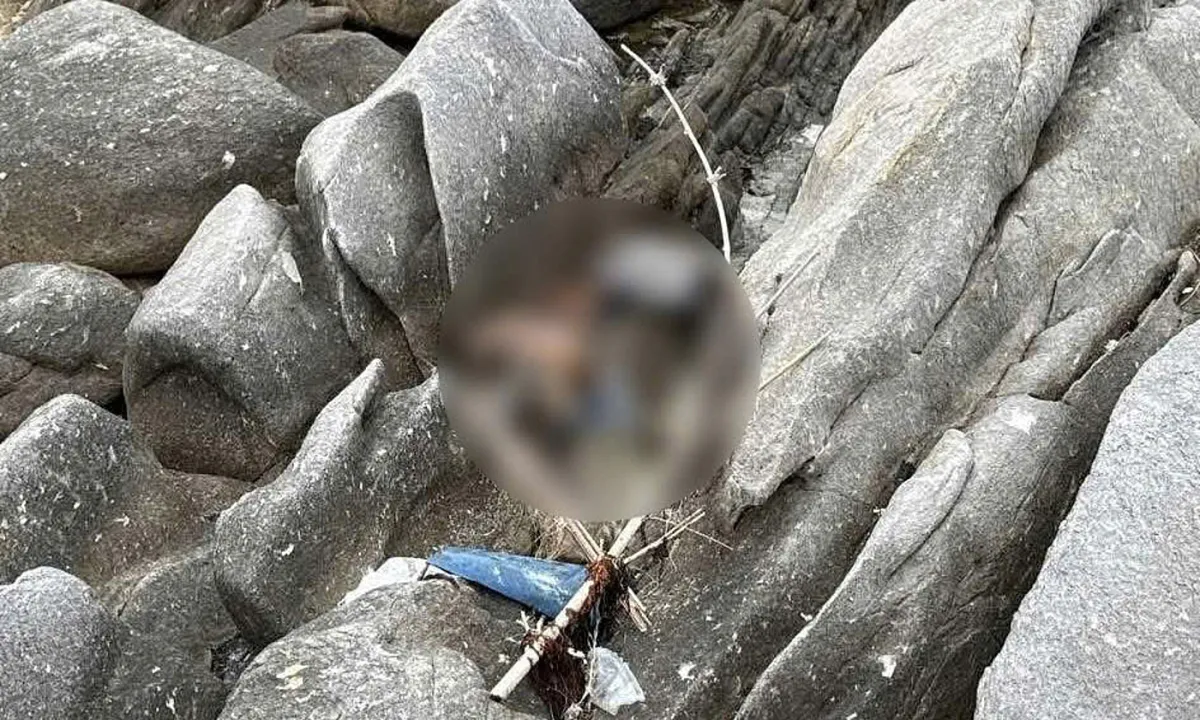 Bộ xương người mắc kẹt trên gành đá ở Cam Ranh
Cảnh sát điều tra vụ thi thể nam giới phân hủy chỉ còn bộ xương, được người dân phát hiện tại khu vực gành đá ven biển ở phường Bắc Cam Ranh.
-
 Vì sao người phạm tội đã chết, con vẫn phải bồi thường thay?
Người phạm tội qua đời trước khi xét xử có thể được đình chỉ điều tra, song có được miễn luôn khoản bồi thường thiệt hại không và khi nào con họ phải thực hiện thay nghĩa vụ này?
-
 Chồng triệu phú che giấu tài sản, vợ kiện đòi suốt 24 năm
Bà Varsha Gohil thắng kiện trong cuộc chiến ly hôn được cho là kéo dài nhất nước Anh sau khi phát hiện chồng cũ giấu nhẹm khối tài sản 28 triệu bảng.
-
 Công ty hỗ trợ tiền điện thoại, tôi có phải nghe máy của sếp 24/24?
Hàng tháng, công ty hỗ trợ cho tôi 1.400.000 đồng tiền điện thoại để phục vụ công việc, như liên hệ với sếp, khách hàng và đối tác.
-
 Bridging the Distance The Legal Realities of an International Engagement
Bridging the Distance The Legal Realities of an International Engagement
-
 Bắn 7 phát súng dọa giết cả nhà bạn gái
Mâu thuẫn tình cảm, nam thanh niên đem súng đến nhà bạn gái bắn 7 phát rồi bỏ chạy; may mắn gia đình nạn nhân đã được di dời từ trước.
-
 Thiếu nữ chuyên dụ tình trai trẻ cho bạn trai cướp
Alyssa Canul, 17 tuổi, bị bắt với cáo buộc dụ dỗ các chàng trai từ trang web hẹn hò online vào bẫy, nơi bạn trai cô ta cướp tài sản và bắn các nạn nhân.


