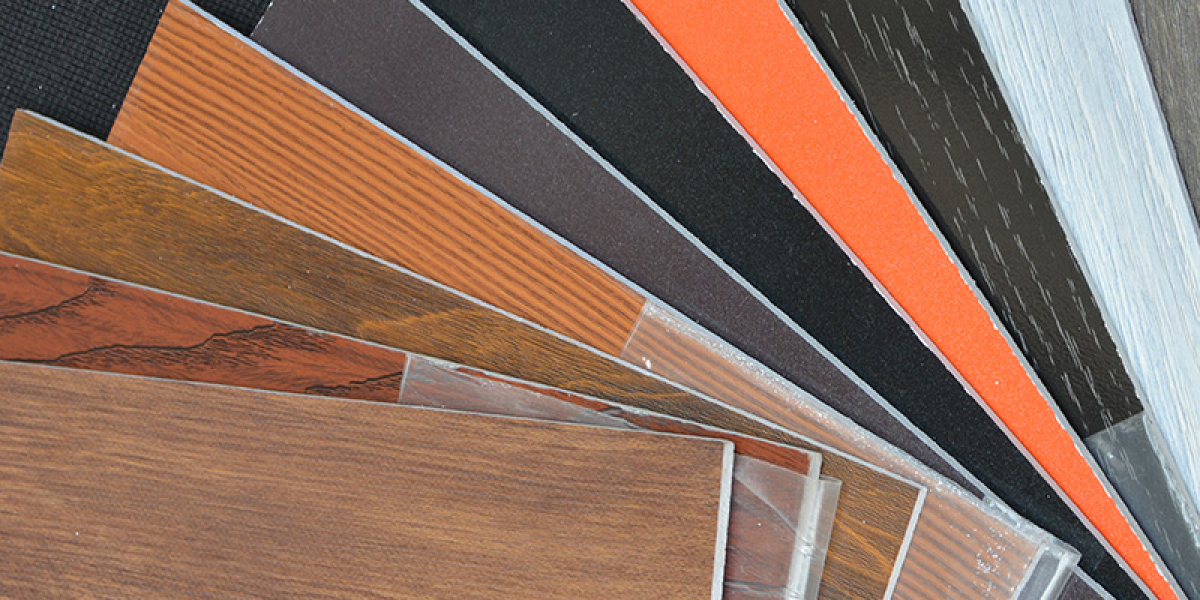
Polyvinyl chloride—more commonly known as PVC—is one of the most adaptable plastic polymers ever created. From plumbing and signage to wall cladding and packaging, PVC sheets have become an indispensable material across industries due to their affordability, durability, and adaptability.
In today's fast-moving world, where materials need to be lightweight, resilient, cost-effective, and sustainable, PVC sheets deliver unmatched value. Whether you are a builder, designer, manufacturer, or engineer, PVC sheets offer solutions for an endless range of challenges.
In this comprehensive guide, we’ll explore the types, applications, benefits, and industry-specific uses of PVC sheets. We will also spotlight 3Block, a leading Israeli manufacturer of advanced construction and protection materials, and their contribution to the PVC sheet market.
What Are PVC Sheets?
PVC sheets are flat, rigid or flexible plastic panels made from polyvinyl chloride resin, often with added plasticizers, stabilizers, UV inhibitors, or flame retardants to improve performance in specific environments.
They can be extruded into solid, foamed, or multi-layer structures, and are typically produced in sizes like 4’x8’ or custom-cut dimensions, with thicknesses ranging from 1 mm to over 30 mm.
Types of PVC Sheets
Type | Description |
Rigid PVC Sheets | Tough, non-flexible sheets used in construction, signage, and structural panels |
Flexible PVC Sheets | Softened with plasticizers, used in curtains, liners, or packaging |
Foamed PVC (PVC Foam Board) | Lightweight and ideal for display, advertising, or cladding |
Clear PVC Sheets | Transparent and used in protective barriers, windows, and packaging |
Colored PVC Sheets | Available in many colors for branding, décor, or industrial coding |
Key Properties of PVC Sheets
Excellent chemical and corrosion resistance
Fire-retardant (self-extinguishing in many cases)
Waterproof and UV resistant
High impact strength and durability
Easy to fabricate, bend, print, or glue
Recyclable (depending on grade and use)
These characteristics make PVC sheets suitable for indoor and outdoor applications across multiple industries.
Top Applications of PVC Sheets
Construction and Architecture
PVC sheets are widely used for:
Wall and ceiling cladding
Hygienic panels in commercial kitchens or cleanrooms
Formwork and shuttering boards
Bathroom and wet area surfaces
Temporary partitions and hoardings
Signage and Advertising
Foamed PVC boards are preferred for:
Retail signage
POS displays
Exhibition booths
Interior design elements
Their smooth surface supports printing and vinyl lamination.
Industrial Use
In factories and facilities, PVC sheets are used as:
Chemical-resistant liners
Protective covers for machinery
Insulation boards
PVC Sheets: The Versatile Powerhouse of Modern Materials Noise barrier panels
Packaging
Flexible and rigid PVC is used for:
Blister packs
Thermoforming trays
Lids and containers
Agriculture
PVC sheets serve as:
Greenhouse coverings
Soil protection barriers
Animal enclosure panels
DIY and Home Applications
Kitchen backsplashes
Shelving liners
Waterproof cladding in basements
Window sills and door panels
Advantages of PVC Sheets Over Other Materials
PVC Sheets | Wood Panels | Acrylic Sheets | Metal Sheets |
Waterproof and weatherproof | Susceptible to moisture | Prone to cracking or scratching | May corrode if not treated |
Lightweight and durable | Heavy and requires treatment | More fragile | Heavier, more expensive |
Fire-resistant (self-extinguishing) | Flammable | Flammable unless coated | Conducts heat |
Cost-effective | Often more costly | Higher material cost | Expensive to fabricate |
Easy to clean and maintain | Needs finishing and sealing | Requires special cleaners | Requires protective coating |
3Block: Israel’s Leader in PVC and Protective Materials
3Block is an Israeli company that has gained a stellar reputation in the field of construction protection and surface solutions, including the supply of premium PVC sheets. Their product range includes rigid PVC panels, foam PVC boards, and custom-formulated sheets that meet the needs of builders, manufacturers, and logistics professionals.
Committed to innovation, sustainability, and quality, 3Block manufactures PVC materials that are resistant to weather, chemicals, and impact—perfect for both temporary and permanent uses. Their PVC sheets are widely used across Israel and exported to neighboring markets, where their durability, cost-efficiency, and eco-conscious manufacturing have made them the go-to choice for architects and contractors alike.
Environmental Considerations of PVC Sheets
PVC has a complicated environmental history due to its composition. However, recent technological advances and regulatory reforms have made it much more sustainable.
Recyclability
Most rigid and foam PVC boards are recyclable into other products like pipes, traffic cones, and protective packaging.
Longevity
PVC’s long life means fewer replacements and reduced environmental impact over time.
Energy-Efficient Manufacturing
Modern PVC production processes use less energy than aluminum or glass.
Green Alternatives
Some manufacturers (including 3Block) are developing phthalate-free, lead-free, or bio-PVC options for more sustainable solutions.
Customization and Finishes Available
PVC sheets are highly customizable:
Colors: White, black, green, blue, red, transparent, and more.
Textures: Matte, gloss, embossed, wood grain, or brushed finish.
Thicknesses: From 1 mm to 30 mm depending on application.
Special Additives:
UV Stabilizer for outdoor use
Anti-static for electronics
Flame-retardants for high-risk areas
Anti-microbial coatings for hospitals or kitchens
Working with PVC Sheets
PVC sheets are easy to fabricate using:
CNC routers
Table saws or jigsaws
Heat guns for bending
Adhesives or solvent welding
Screws, nails, or rivets
Their workability makes them excellent for:
Custom architectural designs
Shopfitting
Prototyping
Display manufacturing
Use Case Examples
Tel Aviv Tech Park
A tech firm used 3Block’s fire-resistant PVC wall cladding to outfit its data centers, choosing PVC for its clean finish, moisture resistance, and easy maintenance.
Modular Construction Project
A real estate developer in Jerusalem employed PVC foam boards for internal partition walls during a modular housing project. The result: faster installation and lower costs compared to drywall.
Trade Show Display
An event company used printed PVC sheets to construct portable and reusable exhibition booths. The material was easy to cut, lightweight to transport, and strong enough to last multiple events.
Cost Analysis: PVC vs Alternatives
Material | Average Price/m² | Lifespan | Maintenance | Ease of Installation |
PVC Sheet | $2–$6 | 10–30 years | Low | Very Easy |
Plywood | $5–$12 | 5–15 years | Moderate | Medium |
MDF | $3–$8 | 5–10 years | High | Easy |
Aluminum | $15–$30 | 30+ years | Low | Hard |
PVC proves to be cost-effective not just in initial investment but also in long-term maintenance, lifespan, and ease of use.
Safety and Fire Resistance
PVC sheets are:
Self-extinguishing in many formulations
Resistant to most acids and bases
Stable under UV if treated
Safe for food applications when certified
Always check for RoHS, REACH, or FDA approvals based on application.
Packaging and Delivery
PVC sheets are:
Supplied flat or in rolls
Available in protective film layers for scratch-free delivery
Shipped in bulk or custom pallet sizes
Easy to warehouse and transport due to light weight
Manufacturers like 3Block offer on-site delivery, cut-to-size service, and bulk purchase discounts.
Where to Buy High-Quality PVC Sheets
When sourcing PVC sheets, look for:
Established manufacturers with good reputations
ISO-certified quality
Material customization
Fast delivery and inventory availability
Clear safety and environmental documentation
Top Suppliers Worldwide:
3Block (Israel)
Simona AG (Germany)
Palram (Global/Israel)
Vycom Plastics (USA)
PolyOne Corporation
EPlast (Europe)
Conclusion: Why PVC Sheets Are the Future of Material Innovation
PVC sheets are more than just a versatile plastic—they are the backbone of construction, advertising, packaging, and modern design. With impressive physical properties, cost-efficiency, and environmental adaptability, they continue to power projects across every sector.
And with innovative companies like 3Block leading the charge in Israel’s sustainable manufacturing space, PVC sheets are being elevated to new levels of performance and responsibility.
From flooring to façades, and signage to surface shields—PVC sheets are the smart choice for professionals who value durability, safety, and sustainability in a single solution.

Hashir Tahir
4 posts
-
 Remote Specialist in Bing Ads
"Get expert Bing Ads management remotely. Maximize your ROI with tailored strategies. Hire a skilled Bing Ads specialist today!"
-
 Revitalize Your Radiance: Top Lymphatic Drainage in LA
Revitalize at Beverly Hills Med Spa with expert lymphatic drainage in Los Angeles. Unwind, reduce swelling, and boost well-being. Beauty meets wellness here!
-
 Best Hydrafacial Los Angeles
Don't Use Any Exfoliating Treatments, Like Glycolic Acid Or Enzymes, For At Least 48 Hours After The Treatment.
-
 Kiếm tiền VN Ngày Nay – “Tuyển lính liền tay, có ngay tiền mặt”
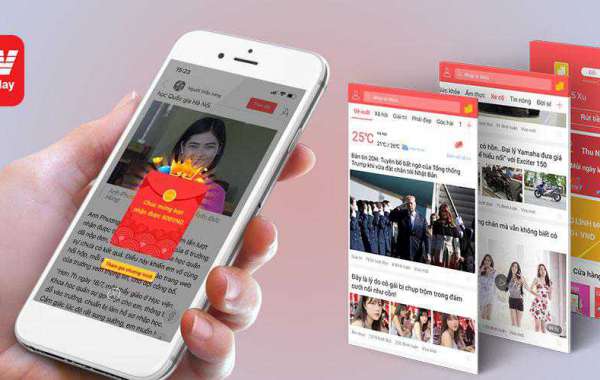
VN Ngày Nay là một app kiếm tiền khá đơn giản, thu hút rất nhiều bạn trẻ tại Việt Nam tham gia. Bạn có thể kiếm được vài chục ngàn, thậm chí vài trăm ngàn mỗi ngày chỉ với việc “tuyển lính mới”.
-
 Kiếm tiền VN Ngày Nay – “Tuyển lính liền tay, có ngay tiền mặt”
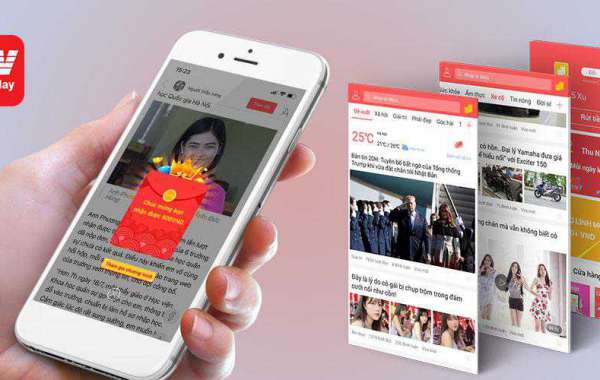
VN Ngày Nay là một app kiếm tiền khá đơn giản, thu hút rất nhiều bạn trẻ tại Việt Nam tham gia. Bạn có thể kiếm được vài chục ngàn, thậm chí vài trăm ngàn mỗi ngày chỉ với việc “tuyển lính mới”.


