
In the world of business development, proposal writing and management are crucial skills that can make or break a company's ability to win contracts, secure partnerships, and grow its market presence. Whether you are responding to government RFPs (Requests for Proposals), private sector RFQs (Requests for Quotes), or pursuing business partnerships, crafting a compelling proposal is essential. However, writing the proposal is just one part of the equation—effective proposal management ensures that the process is well-organized, timely, and strategic.
This article will provide a comprehensive guide to proposal writing and management, covering the entire process from understanding the client’s needs to submitting a winning proposal and managing its lifecycle.
Proposal writing is the process of creating a detailed document that outlines how a company or organization plans to meet the needs of a client or secure a contract. The proposal typically includes technical, financial, and organizational details, as well as a clear explanation of how the company will deliver the required goods or services.
Proposal management, on the other hand, refers to the oversight and coordination of the entire proposal process, ensuring that the proposal is developed efficiently, aligns with the client’s needs, and meets submission deadlines. Proposal management involves planning, team coordination, resource allocation, and quality control throughout the proposal lifecycle.
Winning Business: Well-crafted proposals are often the deciding factor in winning contracts, especially in competitive environments. Proposal writing is an opportunity to showcase a company’s strengths, understanding of client needs, and competitive advantage.
Establishing Professional Relationships: A well-structured proposal demonstrates professionalism and increases credibility with potential clients. Clear, compelling proposals help build trust, which is critical for long-term business relationships.
Organizational Efficiency: Proper proposal management ensures that the process is efficient, with all deadlines met and all requirements addressed. It reduces the risk of errors and miscommunication, improving the overall quality of proposals.
Strategic Alignment: Proposal writing and management ensure that business development efforts are aligned with the company’s strategic objectives, ensuring resources are used effectively and that the company targets the right opportunities.
Before diving into the writing process, identifying and evaluating the right opportunities is crucial. Proposal management starts long before the proposal is written—during the early stages of identifying potential bids.
Once the decision is made to pursue a proposal, proper planning is crucial for ensuring a smooth and organized process.
Proposal writing is where the bulk of the work takes place. It’s essential to follow a structured approach to ensure clarity, coherence, and compliance with client requirements.
After drafting the proposal, a thorough review process is crucial to ensure the proposal is clear, compelling, and compliant with the client’s requirements.
Once all revisions have been made and the proposal is finalized, the submission process begins.
Even after submitting the proposal, management doesn’t stop.
Maintain Clear Communication: Ensure that everyone involved in the proposal is on the same page. Regular communication between proposal writers, subject matter experts, project managers, and stakeholders is key to ensuring the proposal is accurate, consistent, and high-quality.
Use Proposal Templates and Tools: Standardized templates, proposal management software, and content libraries help streamline the process and ensure consistency across proposals. Using proven templates for sections like the executive summary, technical approach, and management plan saves time and reduces errors.
Focus on Client Needs: Tailor each proposal to the specific client and project, emphasizing how your solution addresses their pain points and requirements. Generic proposals are often rejected in favor of those that demonstrate a deeper understanding of the client’s needs.
Quality over Quantity: It's better to submit fewer, well-crafted proposals than to spread your efforts too thin. Focus on high-quality, targeted proposals for the best opportunities rather than trying to bid on everything.
Monitor Deadlines: Proposal management requires careful attention to deadlines at every stage. Set internal milestones for reviews and revisions to ensure that the proposal is completed well before the final submission deadline.
Continuous Improvement: After each proposal, conduct a post-mortem to identify what went well and areas for improvement. This helps refine future proposals, making them stronger and more competitive.
Proposal Writing and Management are pivotal to a company’s success in securing contracts and partnerships. A well-written proposal can effectively communicate a company’s value proposition, while strong proposal management ensures that the process is efficient and organized. From understanding client needs to refining the proposal and managing its lifecycle, every step is crucial in ensuring the submission of a high-quality, competitive proposal. By adopting best practices and leveraging the right tools, businesses can enhance their chances of winning contracts, building long-term relationships, and achieving growth in a competitive marketplace.

Dynamic Consultants
2 posts
-
 Lana煙彈是否有二手菸?你應該知道的真相
隨著電子煙普及,許多人開始將傳統紙菸替換為更為便利、氣味較低的封閉式煙彈產品,如Lana煙彈
-
2025年電子菸市場新興品牌介紹
2025年電子煙市場持續蓬勃,新興品牌憑藉創新技術與獨特設計快速崛起,吸引新手與資深玩家的目光
-
IQOS主機:全球菸民的智慧之選
自IQOS上市以來,IQOS主機便以其獨特的加熱技術和卓越的吸菸體驗,迅速風靡全球
-
Optimale Häufigkeit für Microneedling: Wann ist der beste Zeitpunkt?
Microneedling ist eine beliebte Methode zur Verbesserung der Hauttextur
-
Microneedling Rötung: Wie lange dauert sie wirklich und was hilft dagegen?
Dr.Pen Microneedling hat sich als effektive Methode zur Hautverjüngung, Narbenbehandlung und Porenverfeinerung etabliert.
-
ウォーターピーリングとマイクロニードル美顔器、どっちがいい?徹底比較!
その中でもウォーターピーリンDr. Penグとマイクロニードル美顔器は注目を集めているデバイスです。しかし、多くの人がどちらを選択すべきか迷っています
-
加熱菸主機怎麼選?IQOS ILUMA全系列購買指南
從電池續航到煙彈相容性,本文提供IQOS ILUMA系列購買決策樹,協助你找到最適合的加熱菸主機。
-
 Join the Satta Matta Matka Revolution
Satta is a game where you choose numbers and bet on them, hoping to match the winning combination. Simple to play, yet full of excitement, Satta offers endless opportunities to win, especially when you play with sattamatkateez.
-
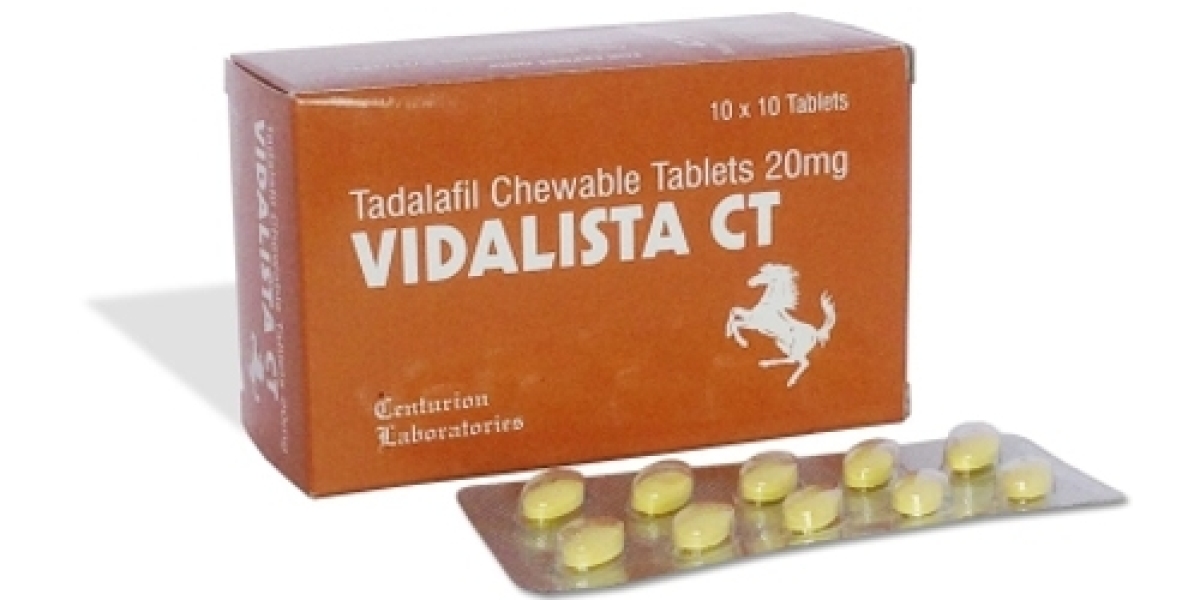 Vidalista CT 20 Mg To Treat Erectile Dysfunction
Everyone's sexual urges are suppressed due to erectile dysfunction; however, since Centurion Lab's vidalista ct 20 drug became available, people have been able to rekindle their passions.
-
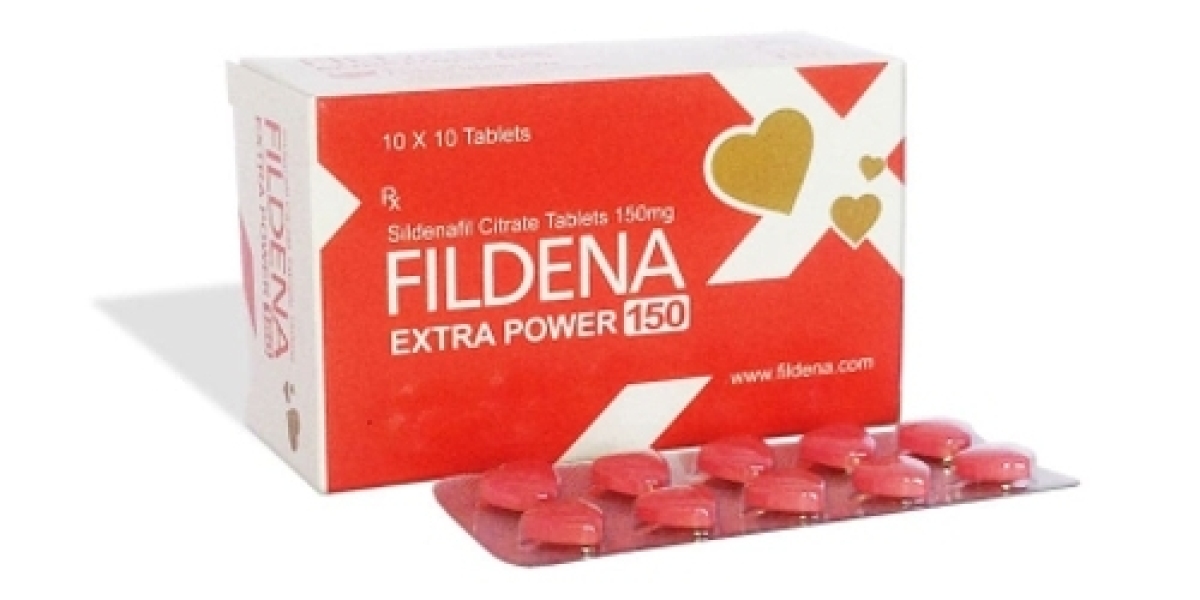 To Get Best Erection Take Fildena 150 Mg
Fildena 150 mg is a generic prescription that uses the same generic drug as other branded medications
-
 To Get Best Erection Take Fildena 150 Mg
Fildena 150 mg is a generic prescription that uses the same generic drug as other branded medications


