
In the era of digital healthcare, the ability to connect patients, providers, and data seamlessly has become a cornerstone of modern care delivery. The rise of connected health platforms—integrated systems that combine devices, apps, analytics, and cloud technologies—has transformed how care is delivered, monitored, and optimized. Driving this transformation is Product Engineering Innovation, which blends technology, user experience, and data science to create intelligent, patient-centric digital ecosystems.
Connected health platforms are redefining traditional healthcare models. They enable real-time patient monitoring, telehealth consultations, personalized treatment plans, and predictive insights powered by artificial intelligence (AI) and the Internet of Things (IoT). Yet, building and scaling these sophisticated systems requires more than just medical expertise—it demands innovative engineering that bridges technology and healthcare needs.
Product engineering innovation plays a critical role in shaping next-generation connected health ecosystems. It involves designing secure, interoperable, and scalable platforms that integrate multiple data sources—electronic health records (EHRs), wearable sensors, imaging systems, and more—into a unified, intelligent framework. From conceptualization to deployment, engineering innovation ensures that connected health solutions are not only functional but also compliant, user-friendly, and adaptable to evolving care models. The process includes design thinking, cloud and data architecture, AI-driven analytics, and security and compliance engineering. By leveraging these capabilities, healthcare organizations can create digital ecosystems that empower proactive care rather than reactive treatment.
Interoperability remains one of the biggest challenges in healthcare. Product engineering innovation addresses this by developing API-driven architectures that allow various systems—EHRs, diagnostic tools, mobile apps, and IoT devices—to communicate seamlessly. For example, when a patient’s wearable device sends continuous vital sign data, the platform can automatically update their EHR and alert clinicians in real time. Scalable cloud infrastructure ensures these interactions occur securely and efficiently, even as data volumes grow exponentially. This engineering-first approach lays the groundwork for connected ecosystems capable of supporting nationwide and even global digital health initiatives.
Connected health is not just about technology—it’s about human connection. Product engineering innovation ensures platforms are designed around patient needs and experiences. Through intuitive interfaces, personalized dashboards, and AI-powered engagement tools, patients are empowered to take control of their health. For instance, an app developed with user-centered design principles can send medication reminders, track activity, and provide teleconsultation access in one interface. The result: improved adherence, better outcomes, and stronger patient-provider relationships.
The true power of connected health platforms lies in the data they generate. Product engineering innovation integrates AI and machine learning models that analyze vast datasets to detect patterns, predict potential health risks, and recommend preventive interventions. For example, predictive algorithms can alert clinicians about deteriorating vital signs before a crisis occurs. In chronic disease management, AI can forecast disease progression and recommend lifestyle changes or medication adjustments in real time. By combining engineering precision with medical intelligence, connected platforms are enabling data-driven, proactive care delivery.
Telehealth and remote monitoring are now essential components of modern healthcare. Through innovative product engineering, connected health platforms can integrate IoT-enabled devices—from smart inhalers and glucose monitors to heart rate sensors—into unified care systems. These platforms allow physicians to remotely track patient health, adjust treatment plans, and intervene early when abnormalities arise. This approach is particularly valuable for managing chronic conditions, rural populations, and post-operative care. Additionally, cloud-based engineering ensures that remote monitoring systems remain scalable and secure as more patients adopt virtual care solutions.
In healthcare, data security is non-negotiable. Product engineering innovation integrates advanced encryption, secure APIs, and compliance frameworks (HIPAA, GDPR) into every stage of development. This ensures that sensitive patient information is protected without compromising accessibility or performance. By implementing role-based access controls, secure cloud storage, and real-time threat detection, connected health platforms can maintain patient trust while supporting regulatory compliance.
Through automation, AI, and data integration, product engineering innovation significantly reduces operational inefficiencies in healthcare organizations. Automated workflows minimize administrative overhead, while predictive analytics optimize resource utilization—from staff scheduling to equipment management. By streamlining processes and reducing redundancies, healthcare providers can focus more on patient care and less on manual data management. The result is a more sustainable and cost-efficient healthcare delivery model.
As healthcare continues to evolve, the fusion of engineering innovation and medical intelligence will define the next generation of connected care. Emerging trends such as edge computing, blockchain for data integrity, and generative AI-driven diagnostics will further strengthen the connected health ecosystem. The future lies in personalized, continuous, and predictive care—powered by advanced engineering that connects every stakeholder in real time. Healthcare enterprises that embrace this model today will lead tomorrow’s digital health revolution.
Connected health platforms represent the next frontier of healthcare transformation. With the power of Product Engineering Innovation, these platforms can become smarter, safer, and more responsive to both patients and providers. By integrating data, devices, and digital experiences into unified ecosystems, healthcare organizations can deliver more efficient, patient-centered care anytime, anywhere. As a leader in healthcare technology innovation, Scale Health Tech empowers providers and health systems to design, build, and scale connected health platforms that drive real-world outcomes, enabling a truly connected and intelligent healthcare future.

Scale health tech
2Blog posts
-
 Ứng dụng ChatGPT đạt một tỷ người dùng hàng tháng
ChatGPT trở thành ứng dụng đạt một tỷ người dùng hàng tháng nhanh nhất từ trước đến nay khi chỉ cần khoảng ba năm.
-
 'Sinh viên hào hứng với AI, nhưng thấy bất định về tương lai'
Theo Rafif Srour, Phó hiệu trưởng Trường Khoa học và Công nghệ IE, dù hào hứng với AI, sinh viên băn khoăn sự nghiệp của họ sẽ thay đổi ra sao trong một nền kinh tế dẫn dắt bởi trí tuệ nhân tạo.
-
 Tương lai của siêu tên lửa Starship V3
Sau chuyến bay thử hôm 22/2, siêu tên lửa Starship V3 sẽ cần phóng lên quỹ đạo Trái Đất và tiếp nhiên liệu ở đó để sẵn sàng cho nhiệm vụ Artemis 3 của NASA.
-
 Nước sạch có thể là rủi ro khi SapceX tiến hành IPO
SpaceX cảnh báo các nhà đầu tư rằng tình trạng khan hiếm nước có thể kìm hãm cuộc đua AI.
-
 Microsoft bị chỉ trích vì dọa kiện người tiết lộ lỗ hổng Windows
Microsoft đăng bài viết chỉ trích và dọa kiện nhà nghiên cứu bảo mật vì công khai loạt lỗi liên quan đến công cụ chống virus và mã hóa ổ đĩa của Windows.
-
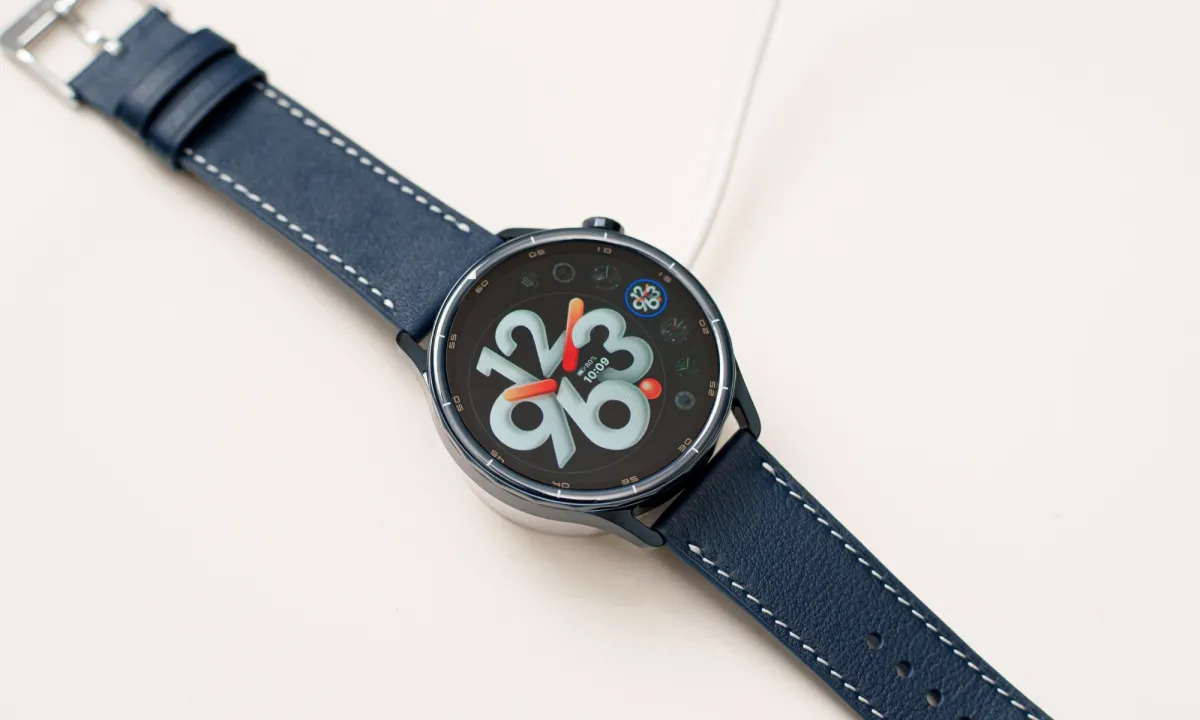 Xiaomi Watch S5 - smartwatch khung thép, pin 21 ngày
Xiaomi Watch S5 nổi bật với khung bằng thép, độ hoàn thiện tốt, màn hình AMOLED độ sáng cao và thời lượng pin tối đa 21 ngày nhưng chưa có lựa chọn cỡ nhỏ.
-
 Hậu quả từ vụ nổ bất thường của tên lửa Blue Origin
Tên lửa New Glenn của Blue Origin nổ tung khi thử nghiệm, khiến bệ phóng hư hại và có thể làm chậm chương trình Mặt Trăng của NASA.
-
 'Việt Nam xây dựng các nhóm nghiên cứu mạnh phát triển công nghệ lượng tử'
Thứ trưởng Lê Xuân Định cho rằng Việt Nam không tiếp cận lượng tử theo phong trào, mà xây dựng năng lực thực chất bắt đầu từ nền tảng khoa học cơ bản, hình thành các nhóm nghiên cứu mạnh.
-
 Tham vọng xây trung tâm dữ liệu vũ trụ của Musk khó thành
Kế hoạch phóng một triệu vệ tinh trung tâm dữ liệu lên quỹ đạo năm 2028 của Elon Musk bị đánh giá có thể khiến SpaceX sụp đổ tài chính.
-
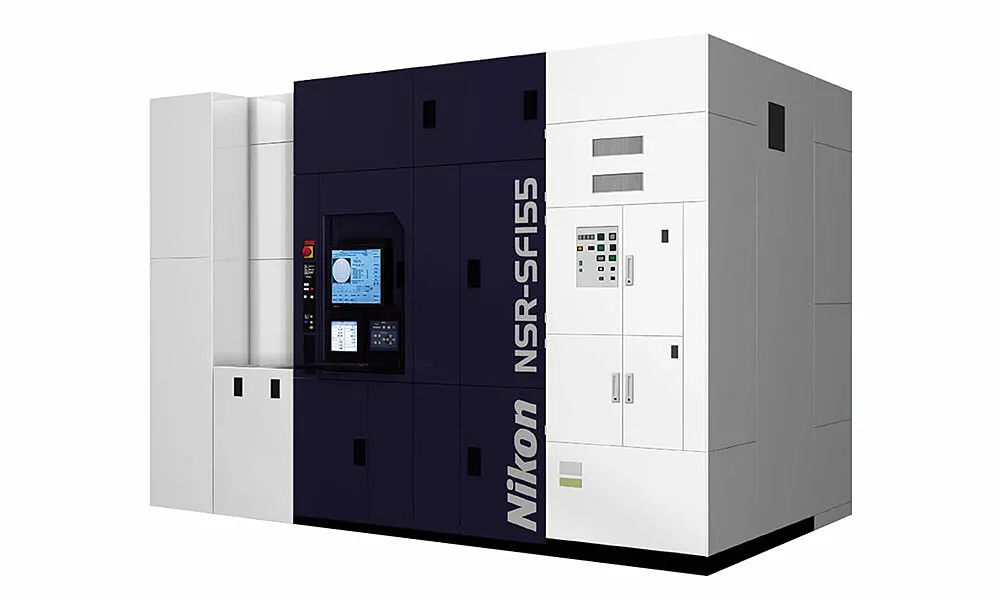 Nikon muốn cạnh tranh ASML bằng giá bán
Nikon cho biết sẽ tận dụng lợi thế tự chủ linh kiện để hạ giá thành máy quang khắc DUV, quyết tâm giành lại các khách hàng lớn từ tay đối thủ Hà Lan.
-
 Xiaomi Việt Nam lên tiếng về án phạt 290 triệu đồng
Chiều 3/6, Xiaomi Việt Nam cho biết đã ghi nhận các kết luận của Ủy ban Cạnh tranh Quốc gia (VCC), trong đó xử phạt 290 triệu đồng với ba hành vi vi phạm.


