
High net worth individuals often possess substantial assets, including real estate, investments, and businesses. A prenup helps ensure that these assets remain protected and are classified as separate property in the event of divorce.
Individuals with significant wealth often have complex financial portfolios. A prenup can outline how various assets will be managed, divided, or preserved, providing clarity and reducing potential conflicts.
High net worth individuals may have substantial debts, such as business loans or mortgages. A prenup can specify which spouse is responsible for specific debts, preventing financial complications during and after the marriage.
For entrepreneurs and business owners, a prenup is crucial to protect business interests. The agreement can clarify how a business will be treated in the event of divorce, ensuring that it remains a separate entity.
High net worth individuals may have children from prior relationships. A prenup can secure the financial interests of these children, ensuring that their inheritance rights are preserved.
Both parties should provide a comprehensive list of their assets and liabilities. This transparency is critical for a fair and enforceable agreement.
The prenup should clearly define what constitutes separate property (owned before marriage) and marital property (acquired during marriage) to protect individual assets.
The agreement should outline how property will be divided in the event of divorce or separation, addressing both individual and shared assets.
While not always necessary, the prenup can include terms for spousal support or alimony, specifying amounts and conditions if applicable.
Including clauses for how disputes will be resolved—such as mediation or arbitration—can help streamline potential conflicts.
While they are often associated with wealthy individuals, prenups can benefit anyone who wants to clarify financial expectations and protect personal assets.
Many view prenups as a sign of mistrust. In reality, they can foster open communication about finances and help couples build a stronger partnership.
When properly drafted, prenups are generally enforceable in court, provided both parties understand and agree to the terms.
Start with candid conversations about finances, expectations, and any concerns. Honest communication is vital for creating a strong agreement.
Work with family law attorneys who specialize in high net worth cases. Each party should have independent legal counsel to ensure their interests are adequately represented.
Both parties must provide complete disclosures of their financial situations, ensuring transparency and fairness.
Carefully review the prenup with your attorney and finalize it well before the wedding date to avoid last-minute pressures.
A Prenup For High Net Worth Individuals is a crucial tool for protecting assets, clarifying financial expectations, and ensuring peace of mind. By addressing significant financial matters before marriage, couples can foster a stronger, more secure relationship. If you’re considering a prenup, consulting legal professionals and maintaining open communication are essential steps in the process.

Hoangphuc Cool
20 posts
-
 Green Engineering and Health Optimization at Whiteland The Aspen
To address this, Whiteland Corporation integrated specialized CTMA3 Air Purification technology into the core building systems. This central air infrastructure works continuously to treat, filter, and circulate air throughout enclosed common areas, double-height entrance lobbies, and tower
-
 Mastering the Asset: Technical Infrastructure, Micro-Market Value, and Structural Layouts at DLF Park Place
This deep dive focuses on the granular technical infrastructure, exact structural layouts, and macro-economic factors that explain why this specific project maintains a massive edge over its competition in 2026.
-
 Elegant House Warming Invitation Video Templates for Memorable Griha Pravesh Celebrations
A new home is a dream come true for every family.
-
 Brand Identity and Tenant Experience: Cultivating Loyalty at Elan Empire Gurgaon
Securing high occupancy in a premium high-street asset is only half the battle. For long-term viability, property management and individual investors must shift their focus to building tenant loyalty and creating a distinctive brand identity.
-
 Master Review: Evaluating Godrej Nature Plus, Sector 33, Gurgaon
The layout uses a smart structural pattern where towers are angled away from each other. This creates a staggered footprint that gives corner apartments clear, unblocked views of the Aravalli foothills while ensuring optimal morning and afternoon sunlight. Inside the towers, the floor plan
-
 Creative Baby Shower Invitation Video Templates for Special Celebrations
These templates are easy to customize with names, event dates, venue details, photos, and personal messages. Whether you want a cute pink theme, a royal blue design, floral decorations, or animated baby elements, MyVideoInvites offers a wide variety of styles for every celebration.
-
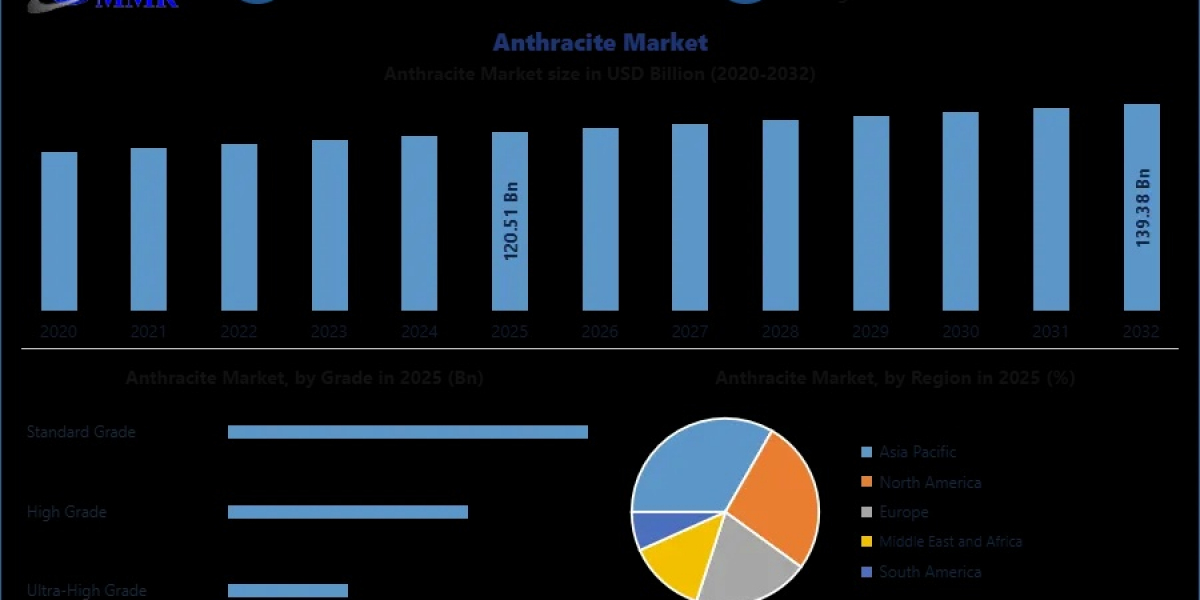 Anthracite Market Opportunities Emerging from Energy Production Needs
The Asia‑Pacific anthracite market is driven by rapid industrialization, robust steel production capacity, and expanding energy demand.
-
 Mastering the Metropolitan Maze The Ultimate Legal Shield for Capital Motorists
Mastering the Metropolitan Maze The Ultimate Legal Shield for Capital Motorists
-
 Permanent Makeup in Delhi – Wake Up Beautiful Every Day
Permanent Makeup in Delhi – Wake Up Beautiful Every Day
-
 1st Birthday Invitation Video Maker with Music and Photos
Creating a birthday invitation video online is simple and convenient with myvideoinvites. The platform offers ready made templates and easy editing tools that allow users to create professional looking invitations without technical experience.
-
 The Architecture of Victory: Why the 2026 Border Demands Elite Representation
The Architecture of Victory: Why the 2026 Border Demands Elite Representation


