Prediction markets surge in US as public health advocates call for support to combat gambling

By Anna Betts in New York • June 21, 2026 • US news
Platforms like Kalshi and Polymarket operating in areas with limited resources for people with gambling problems
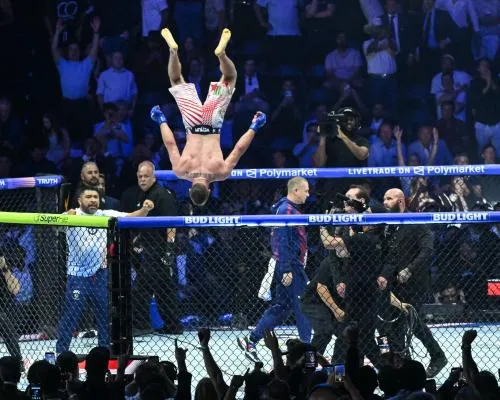
Public health resources across the US are failing to keep pace with the rapid growth of online gambling, problem health advocates warned, after Donald Trump endorsed the controversial nationwide surge of prediction markets. Prediction market platforms, where users can wager on everything from Tony Award winners to World Cup goals, have pushed betting even further into American life. Leading brands like Kalshi marketed aggressively around the NBA finals. And Polymarket’s logo was plastered across the cage hosting the UFC fights at the White House last Sunday. The contested push of such platforms across the US, including in states that have long prohibited gambling, mean they are now operating – and heavily advertising their services – in markets with limited public resources for those who develop problems with gambling. “When you expand access and availability and normalization of it, you’re going to have more participation,” said Timothy Fong, an addiction psychiatrist and gambling researcher at UCLA. “When you have more participation and engagement in risky products, you’re going to have more problems, you’re going to have more side effects.” Since the US Supreme Court struck down a longstanding federal ban on sports betting in 2018, the digital gambling industry has boomed. Sports betting now legal in 39 states and Washington DC. And more recently, prediction market platforms have rapidly risen in prominence. Companies like Polymarket and Kalshi argue they are not gambling operators, which are typically regulated – and require approval to operate – on a state-by-state basis. Instead, they argue they offer “event derivatives”, overseen at a federal level by the US Commodity Futures Trading Commission (CFTC). That distinction has so far allowed prediction markets to operate across much of the country, including in states like Utah and Hawaii, where gambling has long been illegal. More than a dozen lawsuits filed in several states are challenging that interpretation, with regulators and lawmakers arguing the platforms should fall under state gambling laws. Trump’s administration has been sympathetic to the industry’s argument. And the US president weighed in himself last last month, claiming it to be “critically important” that the CFTC maintain “exclusive authority” over prediction markets, rather than states. “It is a major Industry, and we must protect it.” A CFTC spokesperson said: “Through the Commodity Exchange Act, Congress gave exclusive jurisdiction to the CFTC for regulating swaps, including prediction markets, to ensure a federal framework and prevent a patchwork of conflicting state laws.” They added: “The CFTC will defend that jurisdiction against overzealous states that attempt to bypass federal law.” While the state legal battles drag on, and as the sector continues to boom, problem gambling experts and advocates warn that gambling addiction is spiraling “out of control”, and that public-health resources are lagging. Resources for problem gambling are “phenomenally way way behind”, Fong said. In California, he noted, the state spends about $9m a year to address problem gambling through its Department of Health, but hundreds of millions of dollars a year to address tobacco and alcohol-related harms. “The larger question has always been, who’s responsible for help?” Fong said. “Who’s responsible for taking care of the needs of people who develop harm from these products?”. The White House said in a statement: “Through executive actions, supporting legislation like the GENIUS Act, and other common-sense policies, the administration is fulfilling the President’s promise to make the United States the crypto capital of the world by driving innovation and economic opportunity for all Americans.” There is currently no dedicated federal funding stream for gambling addiction prevention or treatment. And public funding in states where gambling remains illegal is also often limited or nonexistent. In Utah, for example – home to some of the strongest anti-gambling laws in the US – there are no federal or state-funded resources dedicated to problem gambling. While the state reports compartively low official rates of gambling addiction, some residents are seeking help. And despite opposition to prediction markets from its Republican leaders, they are still operating in the state, with the support of the president. The National Council on Problem Gambling’s (NCPG) helpline – which relies on donations – has received nearly 18,000 calls from Utah residents since 2016. In May 2025 alone, it recorded 319 calls from Utah, its highest monthly total since 2017. The organization has not yet released numbers for 2026. Fong said that the increase is unsurprising given the growth of online betting and prediction markets. He also added that the actual number of people suffering with problem gambling is probably larger. Many people who experience harm “never pick up the phone, never do a Google search”, said Fong. “They just endure. They just suffer quietly.” Cole Wogoman, the NCPG’s director of government relations and league partnerships, said its helpline can “only offer resources if the resources are there” in relevant states. In Utah, he said, the organization may offer callers budgeting guidance, and information about peer-support groups and telehealth counseling services, which often require health insurance. But little else. Gamblers Anonymous only has one in-person meeting in Utah, located in St. George, although virtual meetings have expanded access since the pandemic. “Even though there’s no legalized gambling in Utah, it doesn’t mean that people aren’t still gambling,” said Michael C, a Gamblers Anonymous trustee, whose district includes parts Utah. Michael said that he also considers things like “day trading and stocks” as a form of gambling “because you have no if you don’t have any control of the outcome”. While some users of prediction markets may see the platforms as a form of entertainment or investing, and the companiesthemselves argue they are not technically gambling platforms. Fong, the psychiatrist, said he had “no doubt that many aspects of the offerings inside prediction markets are gambling”. A recent NCPG survey found 45% Americans believe that prediction markets are comparable to gambling, while 27% said they are most similar to investing. The survey also found that 85% believe users can develop unhealthy or addictive behavior related to the platforms. Elliott Rapaport, founder and CEO of Birches Health, which offers online therapy for gambling addiction recovery nationwide, said any activity “combines money, uncertainty and risk” can lead to “compulsive behaviors” for some users. “It’s very important to have the state social infrastructure, because otherwise people end up getting hurt,” he added. Rapaport said Birches has seen “increased outreach” from people in states where gambling is not technically legal “because you don’t have the state safety net, and the state access to care there”. Lawmakers need to realize their constituents “are gambling, they’re sports betting, they’re engaging in at risky, compulsive trading behaviors, no matter whether or not these are things are legal”, Rapaport said. While many states with legal gambling fund state problem gambling resources through tax revenue from state-licensed casinos or sportsbooks, Wogoman said states without it could still allocate funds resources through their general budgets. Calls for a nationwide intervention continue. The NCPG has backed the Points Act, introduced in Congress in March, which would create the first federal funding stream for gambling addiction prevention and treatment resources. “It’s long past due to the federal government takes this addiction seriously,” said Wogoman.
Source: The Guardian
World News Today
267 posts
-
 Iran đóng cửa eo biển Hormuz: Tình hình Trung Đông tiếp tục căng thẳng
Tình hình Trung Đông tiếp tục căng thẳng sau khi thỏa thuận ngừng bắn được ký kết
-
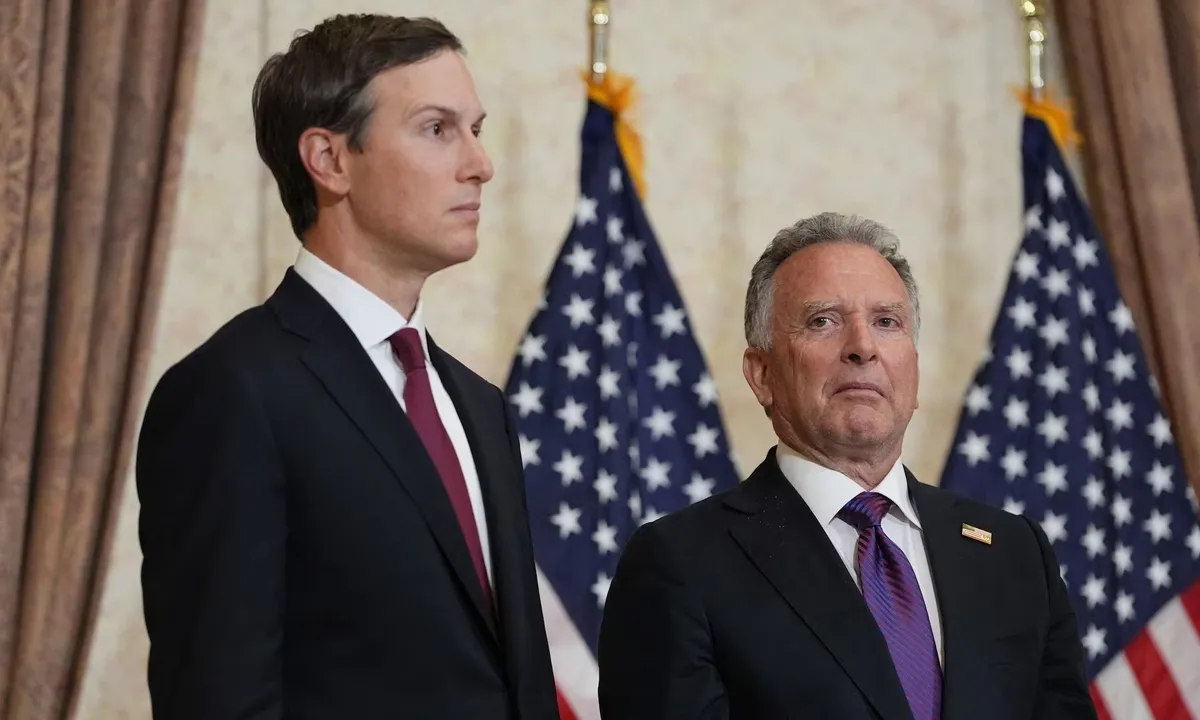 Đàm phán Mỹ - Iran: Những bước đi quan trọng
Vì sao cuộc đàm phán giữa Mỹ và Iran lại quan trọng và có thể ảnh hưởng đến tình hình chính trị thế giới?
Đặc phái viên Mỹ Steve Witkoff và con rể… -
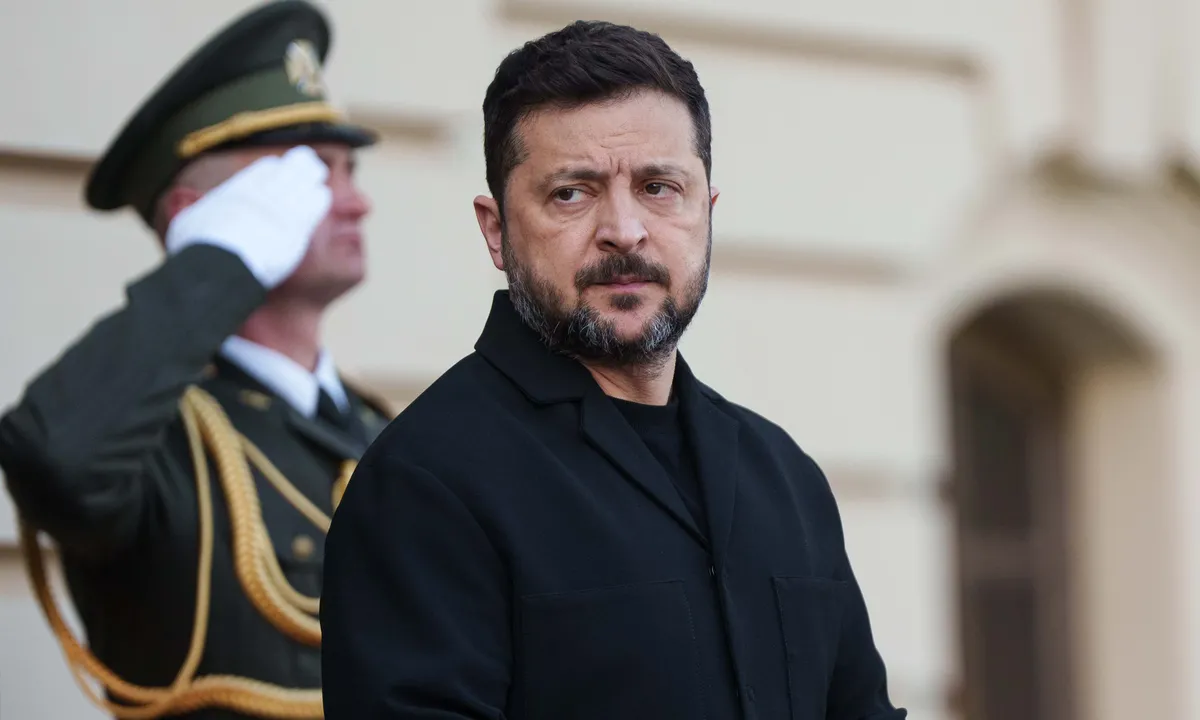 Tổng thống Zelensky cảnh báo Belarus về hỗ trợ chiến dịch Nga
Tổng thống Zelensky đưa ra tối hậu thư với Belarus về hỗ trợ chiến dịch Nga
-
 CĐV Nhật Bản dọn rác World Cup: Hành động đẹp nhưng còn nhiều việc phải làm
Câu hỏi cốt lõi
Vì sao hành động dọn rác của CĐV Nhật Bản lại trở thành đề tài bàn luận về bình đẳng giới?
Phân tích chi tiết
Một bức ảnh chế… -
 Eo biển Hormuz: Thách thức hậu cần khi mở cửa lại
Eo biển Hormuz mở cửa lại sau khi Iran và Mỹ ký bản ghi nhớ chấm dứt xung đột, nhưng vẫn còn nhiều thách thức về hậu cần
-
 Dịch cúm bùng phát tại căn cứ Mỹ sau khi thay đổi quy định tiêm vaccine
Câu hỏi cốt lõi
Vì sao dịch cúm lại bùng phát tại căn cứ không quân Lackland sau khi thay đổi quy định tiêm vaccine?
Phân tích chi tiết
Dịch… -
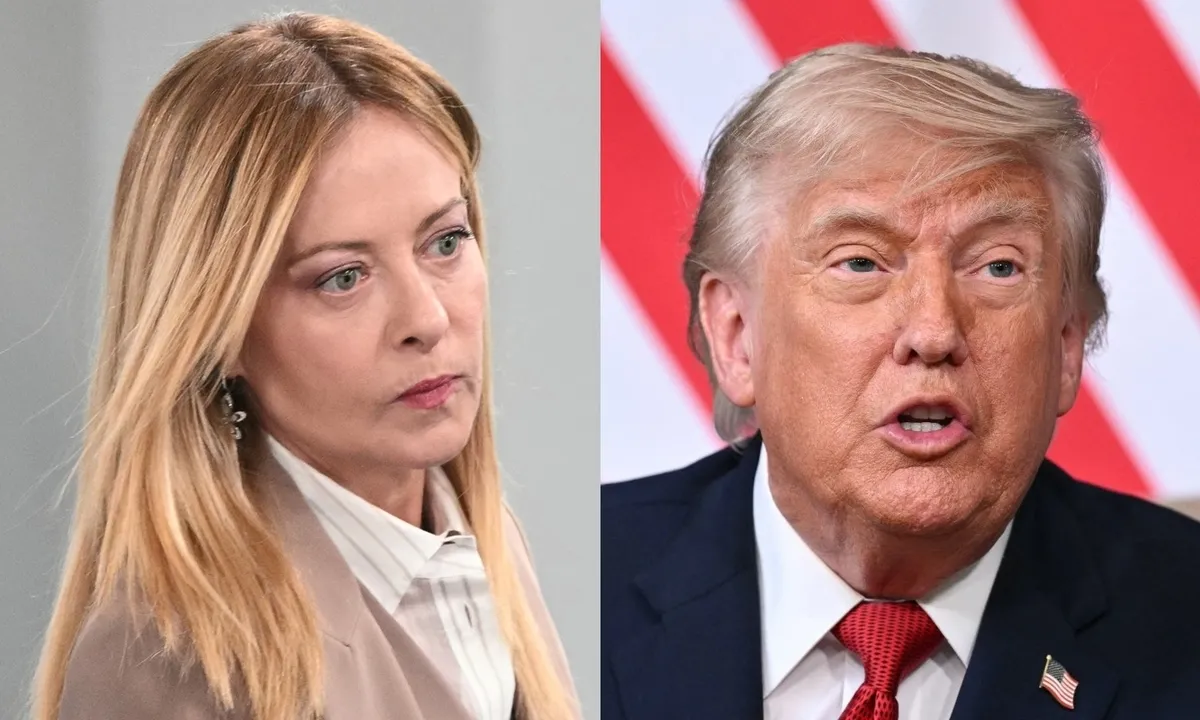 Mối quan hệ Mỹ - Italy rạn nứt sau bình luận của Tổng thống Trump
Mối quan hệ Mỹ - Italy rạn nứt sau bình luận của Tổng thống Trump
-
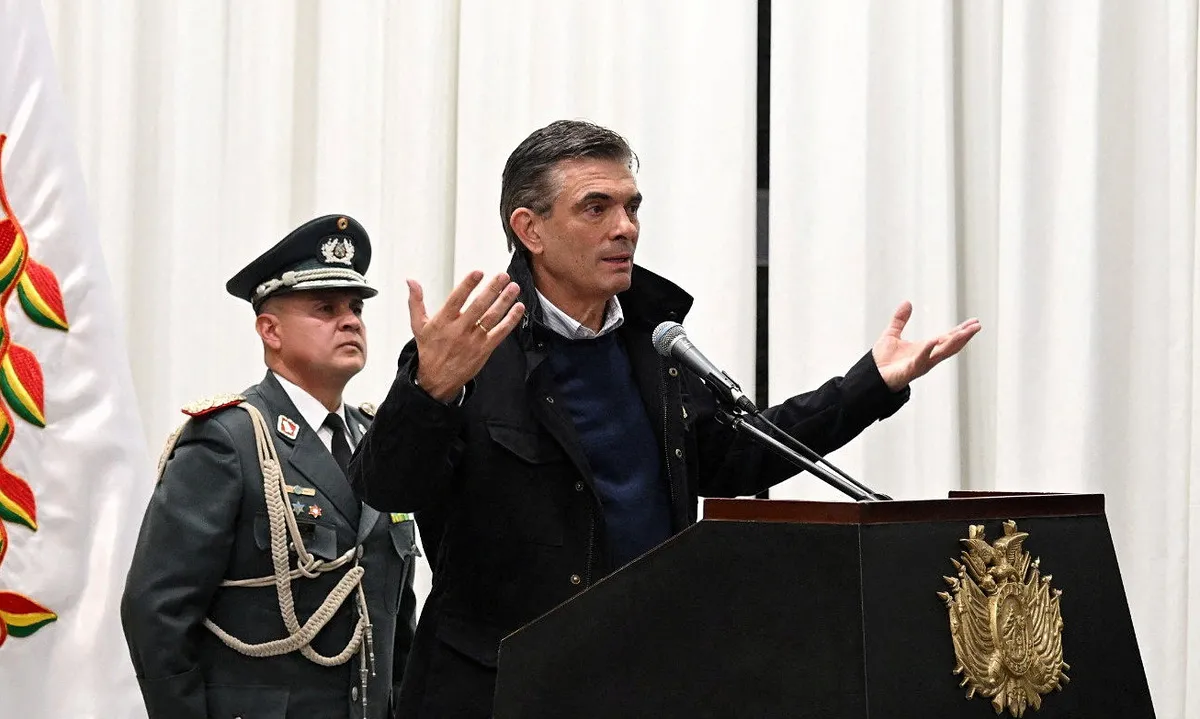 Bolivia đối mặt với tình trạng khẩn cấp do biểu tình
Bolivia đối mặt với tình trạng khẩn cấp do biểu tình sau khi cắt giảm trợ giá nhiên liệu và cải cách ruộng đất.
-
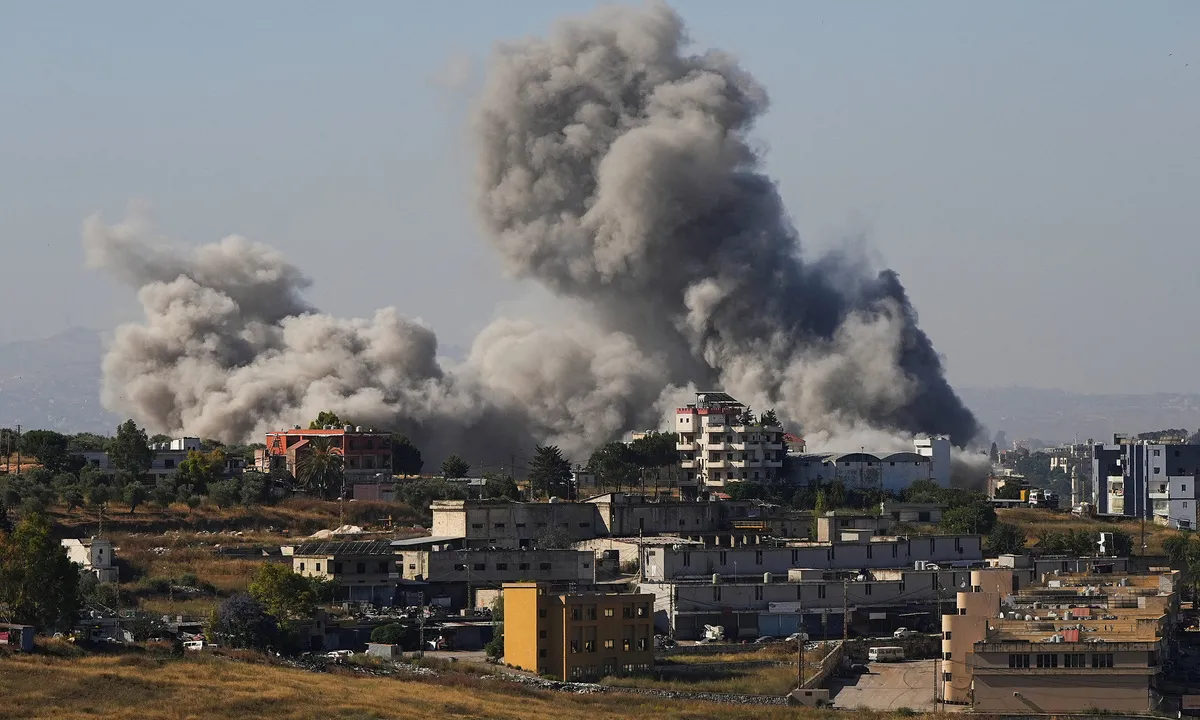 Israel và Hezbollah tiếp tục giao tranh bất chấp thỏa thuận ngừng bắn
Israel và Hezbollah tiếp tục giao tranh bất chấp thỏa thuận ngừng bắn
-
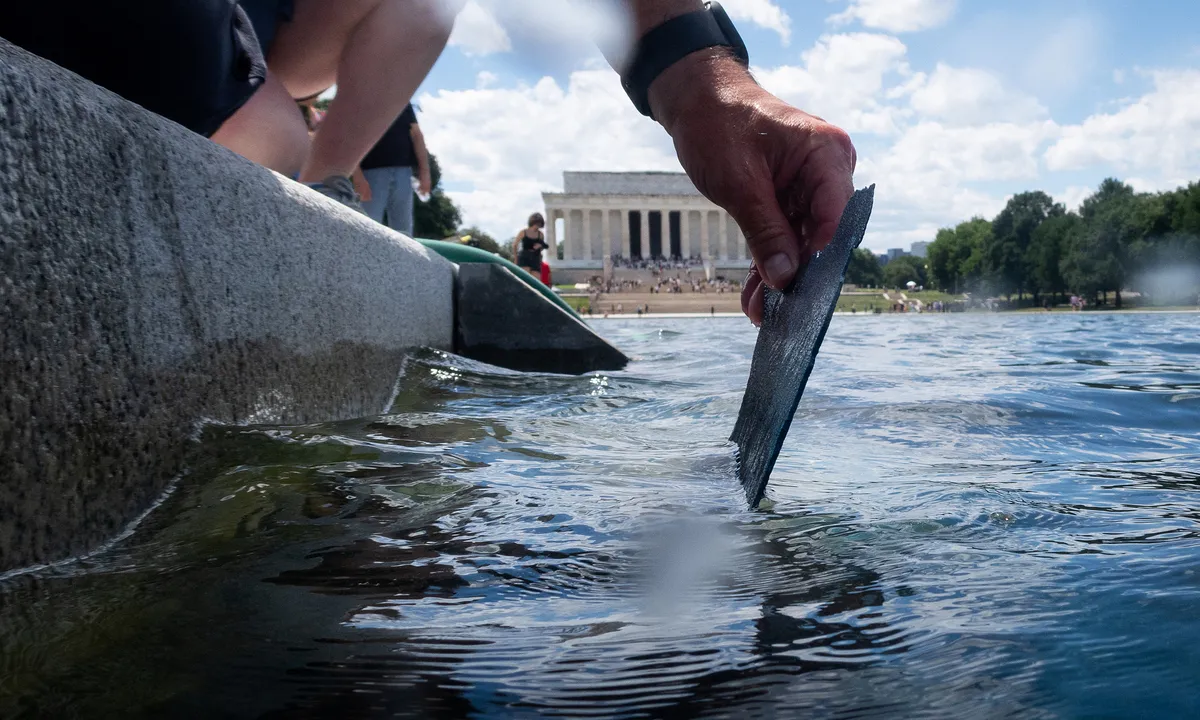 Hồ Phản chiếu tại Mỹ: Dự án cải tạo 14 triệu USD gặp vấn đề
Dự án cải tạo Hồ Phản chiếu tại Washington gặp vấn đề về sơn bong tróc và tảo xanh
-
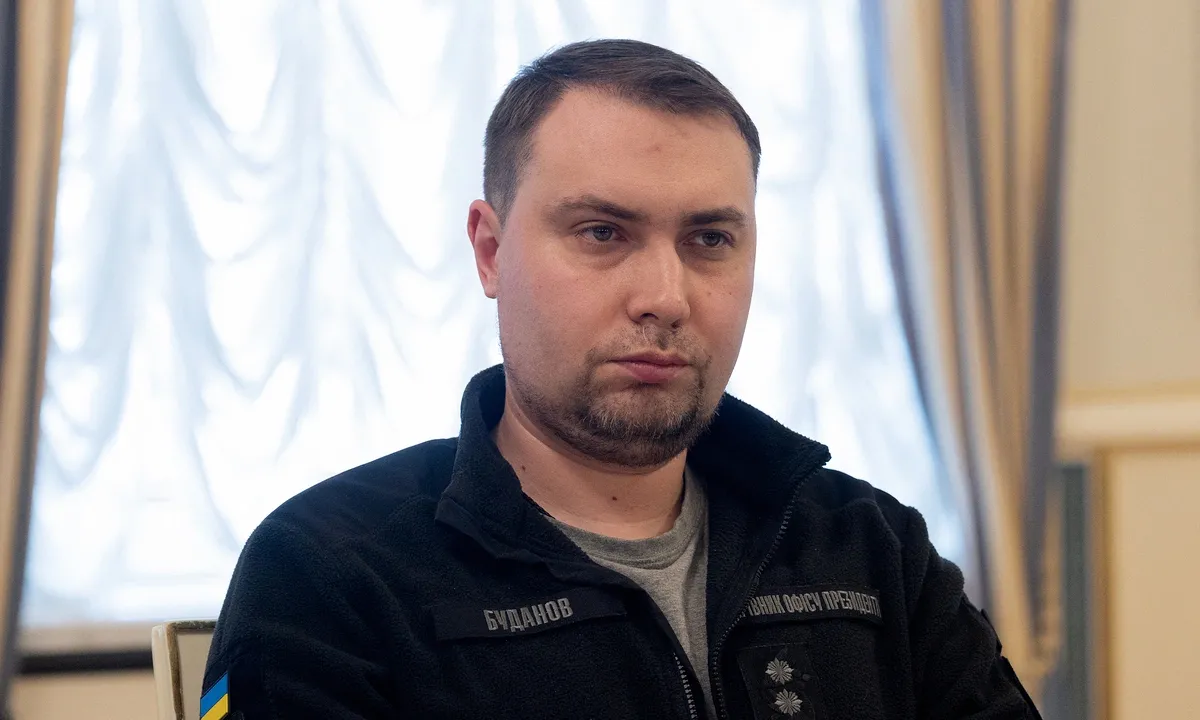 Căng thẳng Ukraine - Ba Lan: Huân chương bị thu hồi
Căng thẳng giữa Ukraine và Ba Lan gia tăng sau khi Tổng thống Zelensky đặt tên đơn vị quân đội là 'Những anh hùng UPA', dẫn đến việc thu hồi huân chương.


