
When procurement teams evaluate partners, they often ask how Aluminum Mig Wire Manufacturers maintain consistent alloy chemistry, surface finish, and spool integrity across every batch. Quality control in wire production is a chain of linked processes that starts with raw material sourcing and runs through melting, casting, drawing, surface treatment, spooling, and packing. Each station presents opportunities for variation, and systematic controls at those points reduce the chance that a spool will compromise weld results on the shop floor.
Raw material verification is the first vital mile. Reputable producers maintain documented supplier lists and test incoming scrap and primary ingots for composition. Sampling and spectrometer checks verify that feedstock matches specification before it enters the melt. This front line of defense prevents off grade alloying elements from migrating into final product chemistry, which would otherwise affect arc stability, bead appearance, and mechanical performance. Traceable records of these checks also help buyers demonstrate provenance when projects require documented material histories.
Melting and alloying operations follow strict process windows. Controlled furnace cycles and measured additions of alloying elements ensure the melt achieves a uniform composition. Inline sensors and experience driven procedures reduce variability among melts. Once the alloy reaches target chemistry, refining steps remove unwanted gases and inclusions, improving homogeneity. These metallurgical best practices yield wire that behaves predictably during welding, reducing qualification iterations and shortening time to production.
Downstream drawing and surface control are equally important. As the rod is reduced to final diameter it passes through multiple die stages where dimensional tolerance and surface integrity are established. Automated drawing lines with closed loop tension and temperature control limit diameter drift and prevent hard spots. Surface inspection systems identify scratches, embedded particles, or scale that could later cause feeding issues or arc disruption. Where machines flag anomalies, operators isolate affected lengths and retain them for analysis rather than allowing suspect wire to flow into assemblies.
Spooling, packaging, and storage complete the production chain. Proper spool winding patterns prevent backlash and bird nesting when the wire feeds through automatic torches. Sealed packaging with moisture control protects aluminum from premature oxidation in transit. Clear lot labels and lot retention policies enable fabricators to record which spool was used on which joint, a detail that simplifies troubleshooting and supports quality audits for critical projects. Suppliers that maintain these practices reduce on site surprises and support consistent weld outcomes.
Quality assurance extends beyond the factory. Accredited testing, including chemical analysis, tensile work, and bend checks on weld deposits, verifies that wire meets expected mechanical targets and service conditions. Non destructive examinations on sample welds and documented pass fail criteria form the backbone of a supplier's release procedures. When buyers require additional verification, manufacturers often provide batch test reports and sample reels for customer trials so parameter tuning can occur before large volumes ship.
Process transparency and continuous improvement practices separate reliable makers from casual suppliers. Documented process flow charts, regular calibration of equipment, and staff training programs reduce operator drift. Root cause investigations that convert defects into corrective actions produce measurable reductions in variability over time. These documented loops of detection and correction help ensure that material arriving at the job site reflects the same properties used in qualification welds.
Supply continuity and logistics preparedness have grown more important as global trade dynamics shift. Manufacturers with regional inventory hubs and flexible packaging options can respond to urgent needs without forcing fabricators into hasty substitutions. Clear communication about lead times, packaging choices, and freight options allows buyers to plan buffer stock sensibly and avoid costly downtime in production or field repairs.
Technical support and collaboration accelerate qualification and reduce risk. Suppliers that provide application engineering assistance, recommended parameter sets, and on site commissioning support help shops replicate lab results in real world conditions. Sharing parameter libraries keyed to spool lot numbers means welders can reproduce bead profiles and penetration consistently when spools are replaced during long runs. This level of partnership shortens ramp up and preserves productivity.
When teams prepare to audit a potential partner, practical checkpoints matter. Request incoming inspection records, view melt charts, review drawing line controls, and examine packaging practices. Ask for recent batch certificates and sample spools to run trials. Confirm training and calibration schedules and discuss how non conformances are handled. These steps reduce procurement risk and help align expectations between fabrication teams and manufacturers.
For fabricators seeking a supplier that combines disciplined production with application support and steady logistics, detailed product and process information can guide selection and contracting. To explore product specifications, testing documentation, and supply options for aluminum welding wire visit https://www.kunliwelding.com/product/aluminum-alloy-wire/aluminum-alloy-welding-wire.html. The site includes product pages and contact channels enabling technical dialogue about alloy selection, trial spools, and delivery planning to match manufacturing schedules and project priorities.

Jason Robby
3Blog posts
-
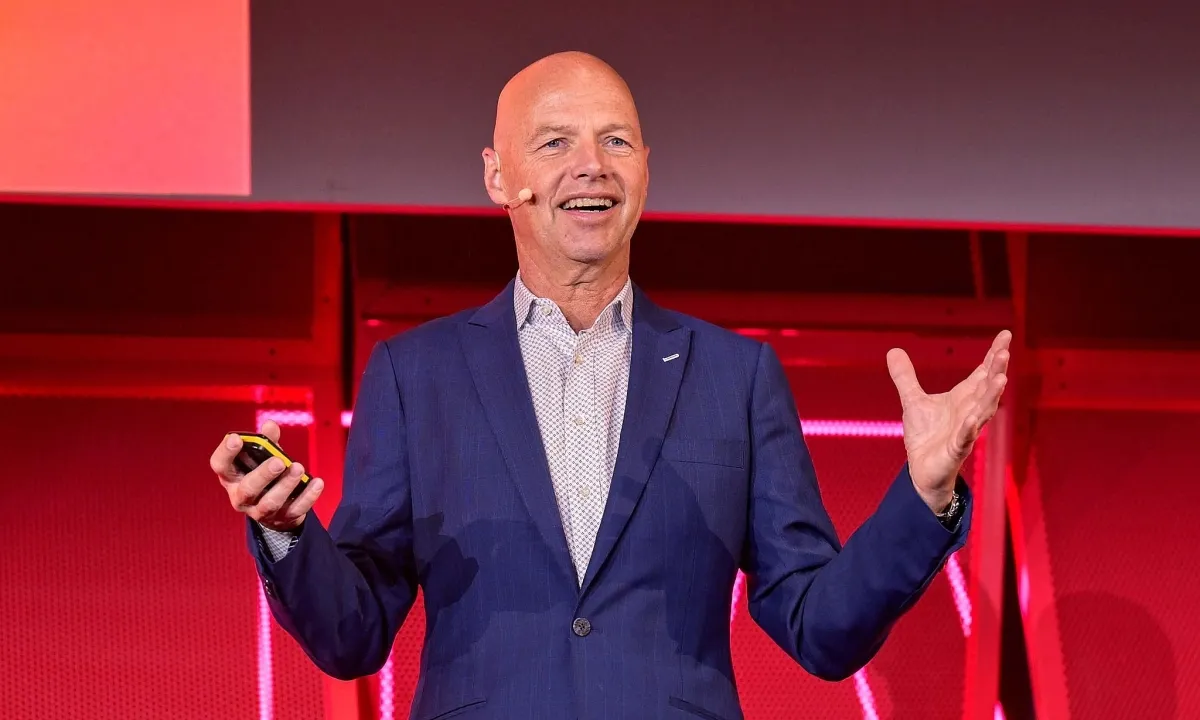 Nhà sáng lập Google X: 'Không thể theo lối cũ khi AI đã làm tốt hơn'
Sebastian Thrun, nhà đồng sáng lập Google X, con người đang sống trong giai đoạn đặc biệt với AI nên cách giáo dục cũng cần thay đổi để tương lai ai cũng có thể trở thành một kỹ sư phần mềm.
-
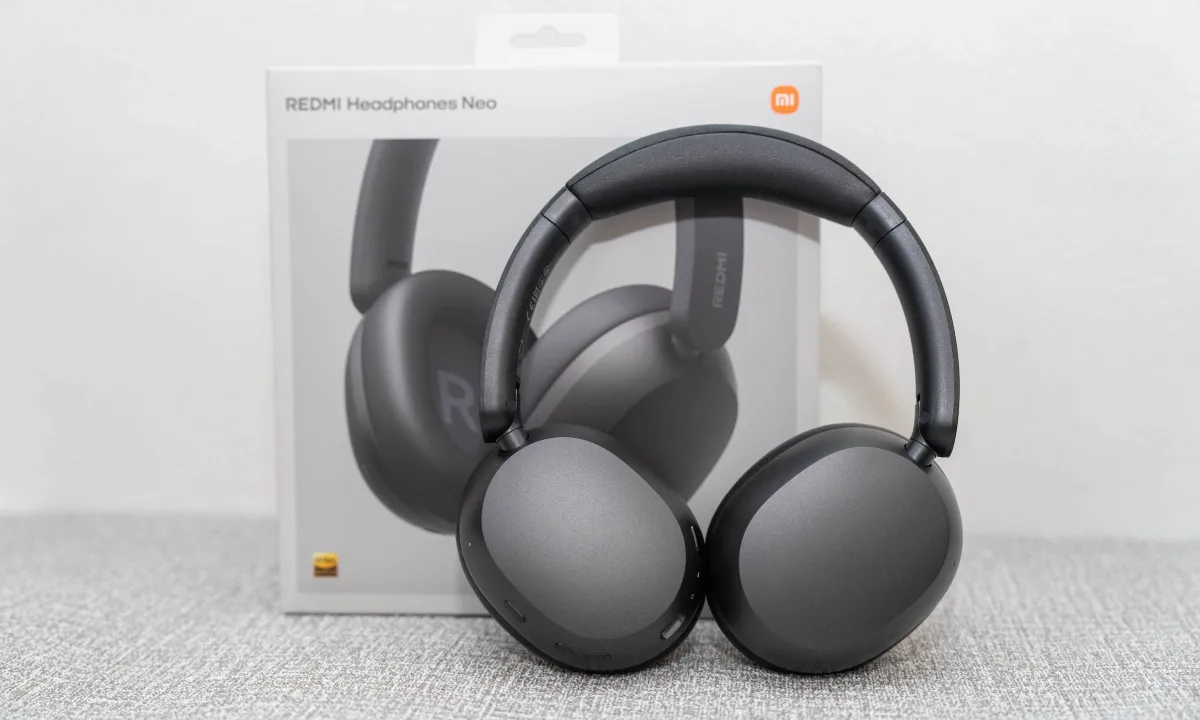 Tai nghe chụp tai đầu tiên của Xiaomi giá 2,09 triệu đồng
Redmi Headphone Neo có màng loa 40 mm, đạt chuẩn âm thanh Hi-Res, chống nước IP54, chống ồn chủ động và thời lượng pin đến 72 tiếng.
-
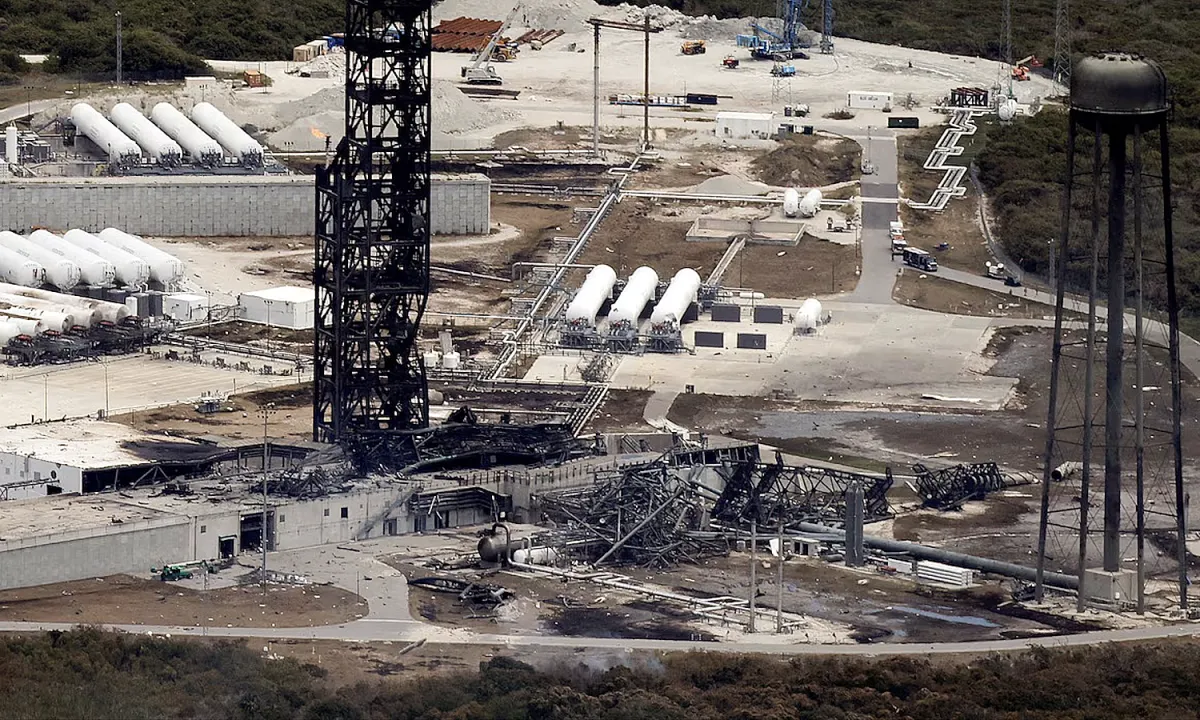 Blue Origin muốn phóng lại tên lửa trước cuối năm nay
Sau sự cố nổ tên lửa, Blue Origin muốn hoàn tất việc sửa chữa và đưa một tên lửa New Glenn khác lên bệ phóng trong những tháng tới.
-
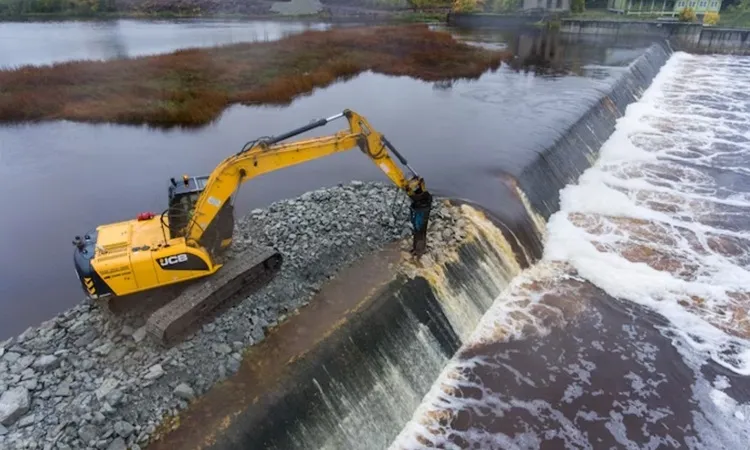 Châu Âu phá hơn 600 con đập cứu môi trường
Các quốc gia châu Âu lập kỷ lục phá bỏ 603 con đập và rào cản khác trong năm 2025, giúp kết nối lại hơn 3.740 km sông ngòi.
-
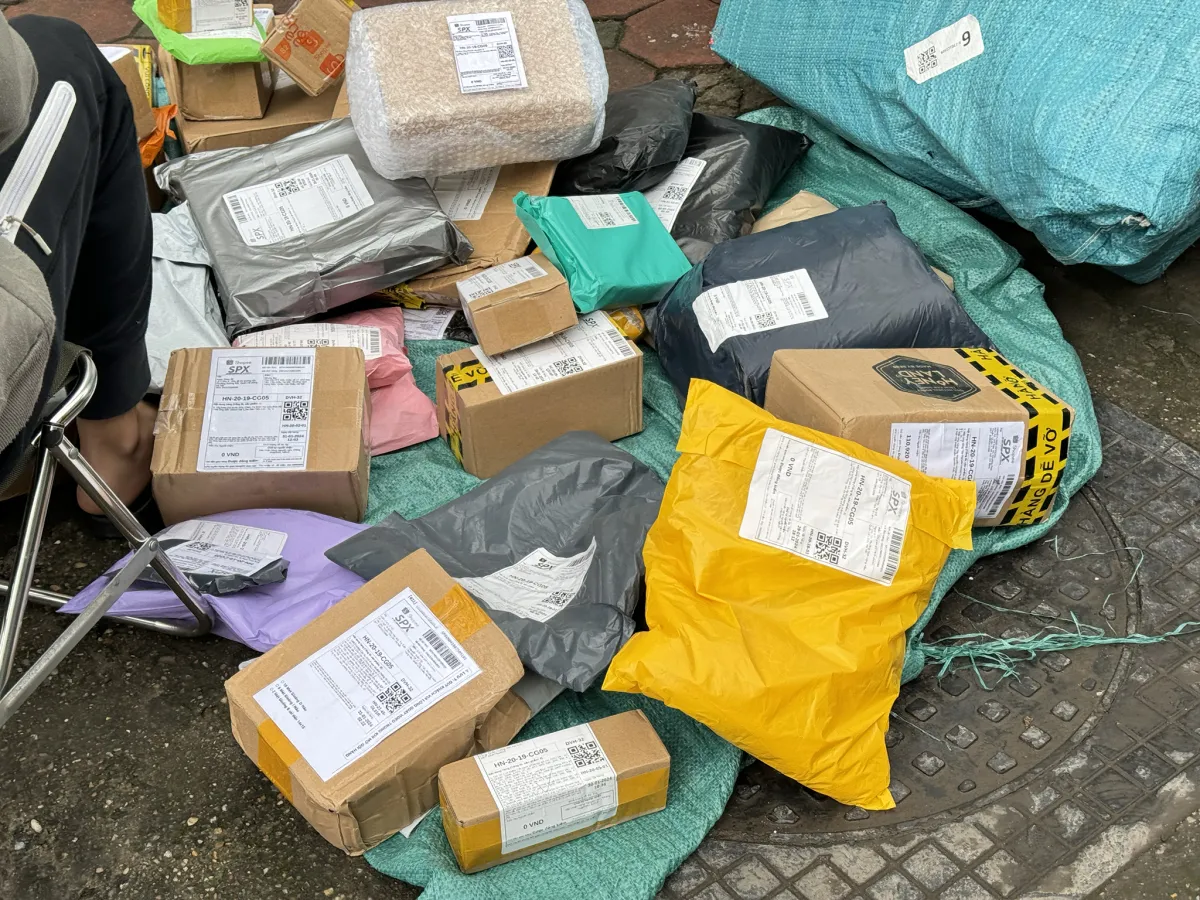 Đề xuất người gửi hàng qua bưu chính sẽ phải định danh
Dự thảo Luật Bưu chính sửa đổi đề xuất mỗi bưu gửi gắn với mã định danh riêng và thông tin người gửi, nhằm tăng khả năng truy vết trong toàn bộ quá trình, thúc đẩy bưu chính số.
-
 'Việt Nam không nên cố xây mô hình AI lớn'
Các chuyên gia quốc tế cho rằng AI hiện đã quá mạnh và ngày càng hoàn thiện, do đó Việt Nam nên tập trung vào phát triển con người.
-
 AI của Google đánh vần kém
Tính năng AI Overview của Google trả lời sai những câu hỏi đánh vần hay đếm chữ cái đơn giản, cho thấy hạn chế của mô hình ngôn ngữ lớn khi xử lý từ ngữ.
-
 Nước sạch có thể là rủi ro khi SpaceX tiến hành IPO
SpaceX cảnh báo các nhà đầu tư rằng tình trạng khan hiếm nước có thể kìm hãm cuộc đua AI.
-
 Mô hình ngôn ngữ lớn tiếng Việt với 120 tỷ tham số
Mô hình VT-Super-120B-A12B do kỹ sư Viettel huấn luyện dựa trên kiến trúc của Nvidia, hướng tới tạo ra các AI hiểu sâu ngôn ngữ Việt Nam.
-
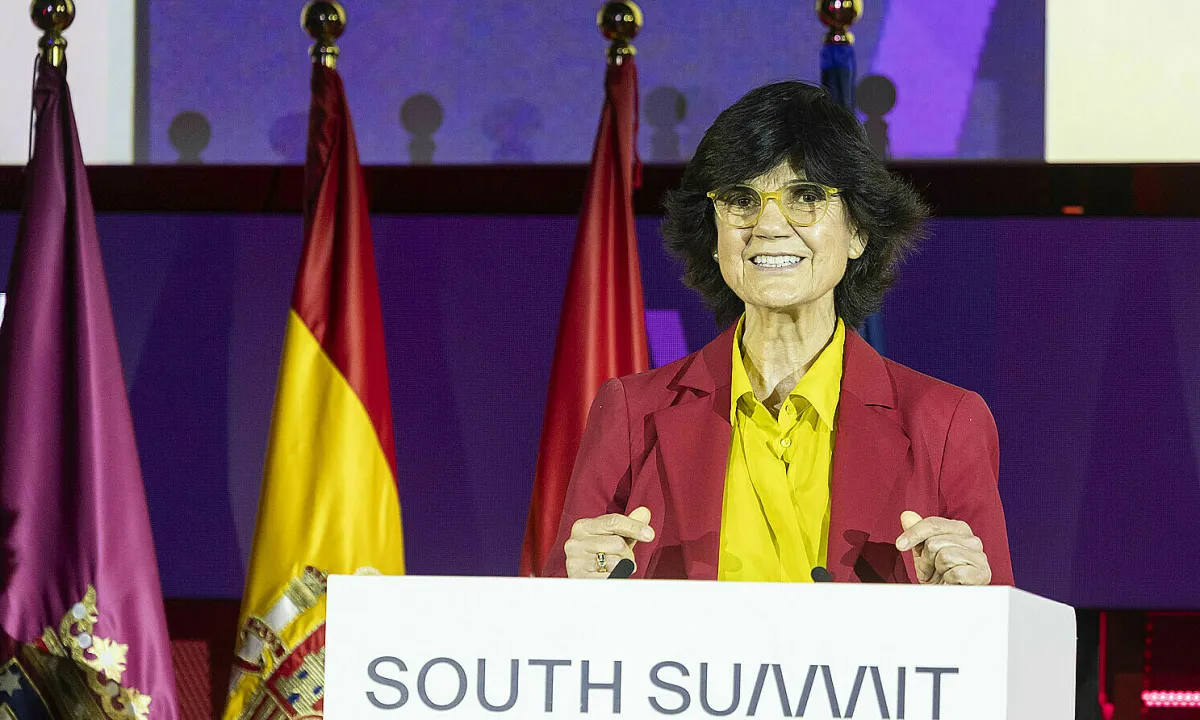 AI giúp công ty châu Âu không phải 'tìm đường' đến Mỹ
AI được xem là động lực mới giúp doanh nghiệp châu Âu phát triển ngay tại quê nhà, thay vì phải tìm cách đến Mỹ hay các quốc gia khác.
-
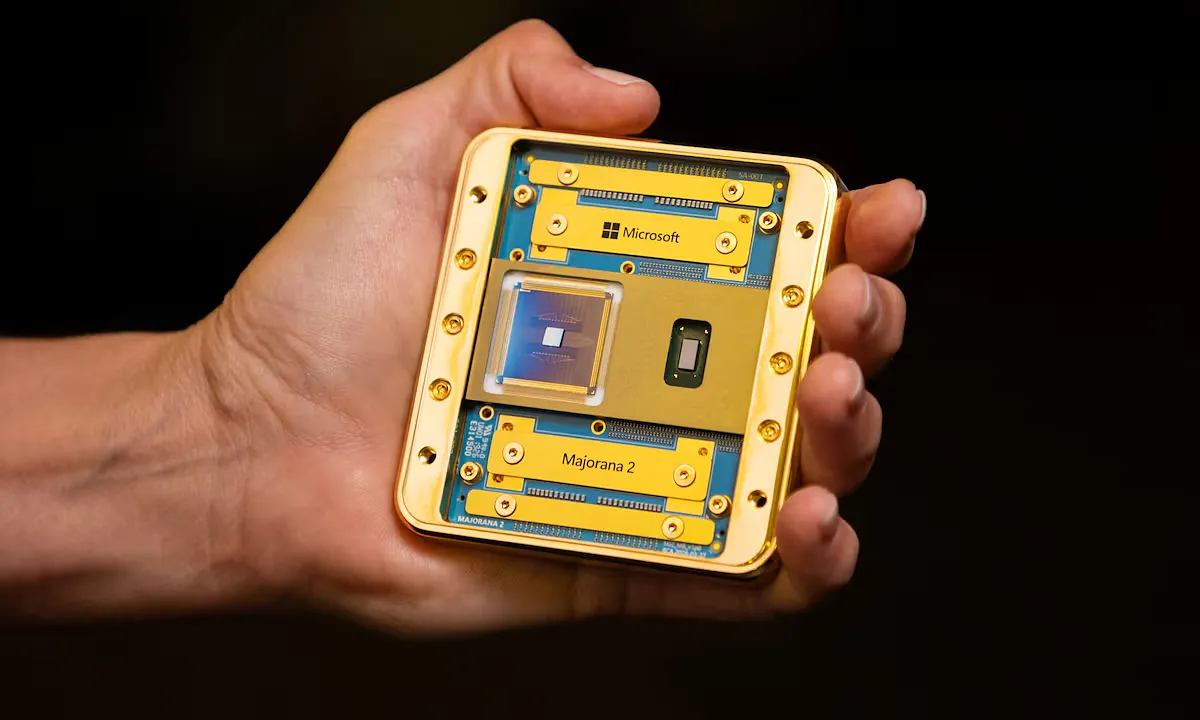 Microsoft ra chip lượng tử mới 'với sự trợ giúp của AI'
Microsoft công bố chip lượng tử Majorana 2 sử dụng vật liệu gốc chì mới, và tuyên bố do các công cụ AI khoa học vật liệu hỗ trợ.


