Plate and Shell Heat Exchanger: A Revolutionary Solution in Precision Equipment

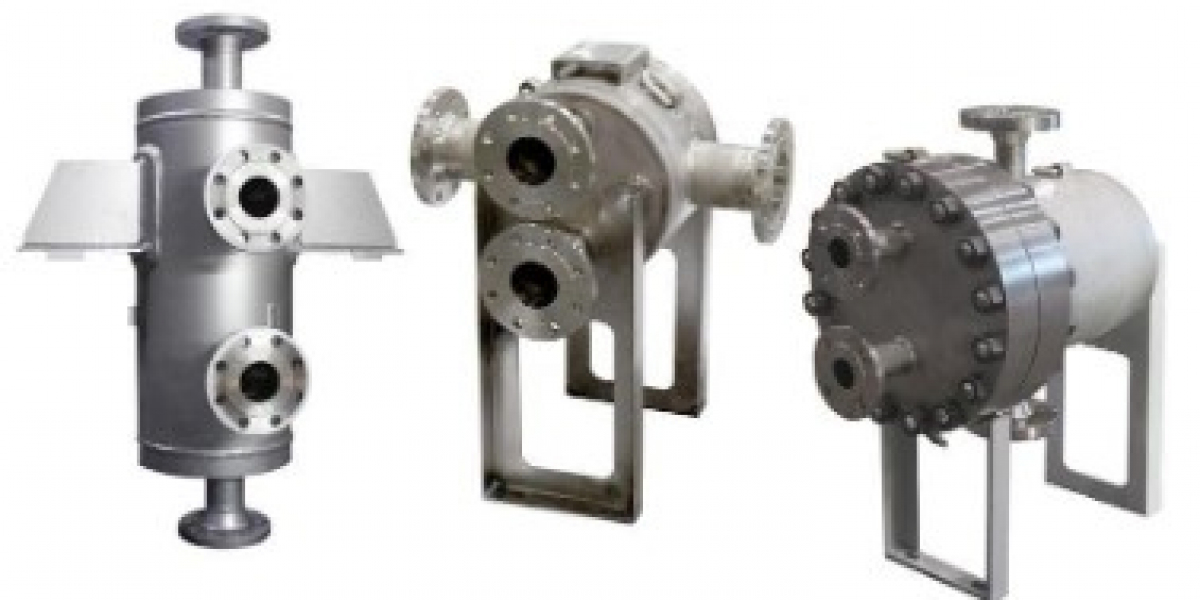
In the world of industrial applications, efficient heat transfer systems play a pivotal role in optimizing energy usage and ensuring seamless operations. Among the diverse range of heat exchangers, the Plate and Shell Heat Exchanger stands out for its superior performance, compact design, and versatility. This innovative equipment has become indispensable across various industries such as power generation, chemical processing, HVAC systems, and more.
A Plate and Shell Heat Exchanger is a hybrid heat exchanger that combines the benefits of plate heat exchangers and shell-and-tube heat exchangers. It features a cylindrical shell that houses a series of corrugated plates. The design allows for efficient heat transfer between two fluids, even under high-pressure and high-temperature conditions.
This unique combination provides the compactness and efficiency of plate heat exchangers while maintaining the robustness of shell-and-tube systems. Its adaptability and energy efficiency make it an ideal choice for precision equipment requiring stringent thermal management.
In power plants, Plate and Shell Heat Exchangers are used for condensing steam, cooling turbine oils, and managing heat recovery systems. Their compact size and high efficiency are crucial in optimizing energy usage.
Chemical processes often involve handling corrosive and high-temperature fluids. The durable construction and thermal efficiency of these heat exchangers make them ideal for use in reactors, distillation columns, and other critical chemical equipment.
Plate and Shell Heat Exchangers ensure energy-efficient cooling and heating in heating, ventilation, and air conditioning systems. Their compact design suits modern buildings and industrial facilities with limited space.
The oil and gas sector relies on heat exchangers for processes such as crude oil refining, natural gas liquefaction, and pipeline heating. The robust and efficient Plate and Shell Heat Exchanger meets these demands effectively.
In food processing, maintaining precise temperatures is critical for product quality and safety. These heat exchangers are widely used for pasteurization, sterilization, and temperature-sensitive mixing operations.
The pressure and temperature requirements of your application dictate the material and design of the heat exchanger. Plate and Shell Heat Exchangers are highly customizable to meet these needs.
The type and viscosity of fluids being processed influence the choice of plate material and corrugation patterns to ensure efficient heat transfer and durability.
Consider the ease of cleaning and replacement of components, especially for applications involving high-fouling fluids or environments requiring frequent maintenance.
Compact designs like the Plate and Shell Heat Exchanger are perfect for facilities with limited space, providing efficient performance without compromising on installation feasibility.
Ongoing advancements in materials science and manufacturing processes have further enhanced the performance and reliability of Plate and Shell Heat Exchangers. Some noteworthy innovations include:
The demands of precision equipment necessitate systems that offer reliability, efficiency, and adaptability. Plate and Shell Heat Exchangers fulfill these criteria, providing:
Their advanced design and superior performance make them a valuable asset in optimizing processes and reducing costs.
The Plate and Shell Heat Exchanger has revolutionized heat transfer technology, offering unparalleled efficiency, durability, and versatility. Its innovative design bridges the gap between compactness and robust performance, making it indispensable for precision equipment across industries.
As industries continue to evolve, the demand for efficient and reliable heat exchange solutions will grow. The Plate and Shell Heat Exchanger, with its proven track record and potential for further innovation, is poised to remain at the forefront of this technological landscape, ensuring optimal performance and sustainability in industrial operations.
precision equipment
3 posts
-
 Elegant House Warming Invitation Video Templates for Memorable Griha Pravesh Celebrations
A new home is a dream come true for every family.
-
 Brand Identity and Tenant Experience: Cultivating Loyalty at Elan Empire Gurgaon
Securing high occupancy in a premium high-street asset is only half the battle. For long-term viability, property management and individual investors must shift their focus to building tenant loyalty and creating a distinctive brand identity.
-
 Master Review: Evaluating Godrej Nature Plus, Sector 33, Gurgaon
The layout uses a smart structural pattern where towers are angled away from each other. This creates a staggered footprint that gives corner apartments clear, unblocked views of the Aravalli foothills while ensuring optimal morning and afternoon sunlight. Inside the towers, the floor plan
-
 Creative Baby Shower Invitation Video Templates for Special Celebrations
These templates are easy to customize with names, event dates, venue details, photos, and personal messages. Whether you want a cute pink theme, a royal blue design, floral decorations, or animated baby elements, MyVideoInvites offers a wide variety of styles for every celebration.
-
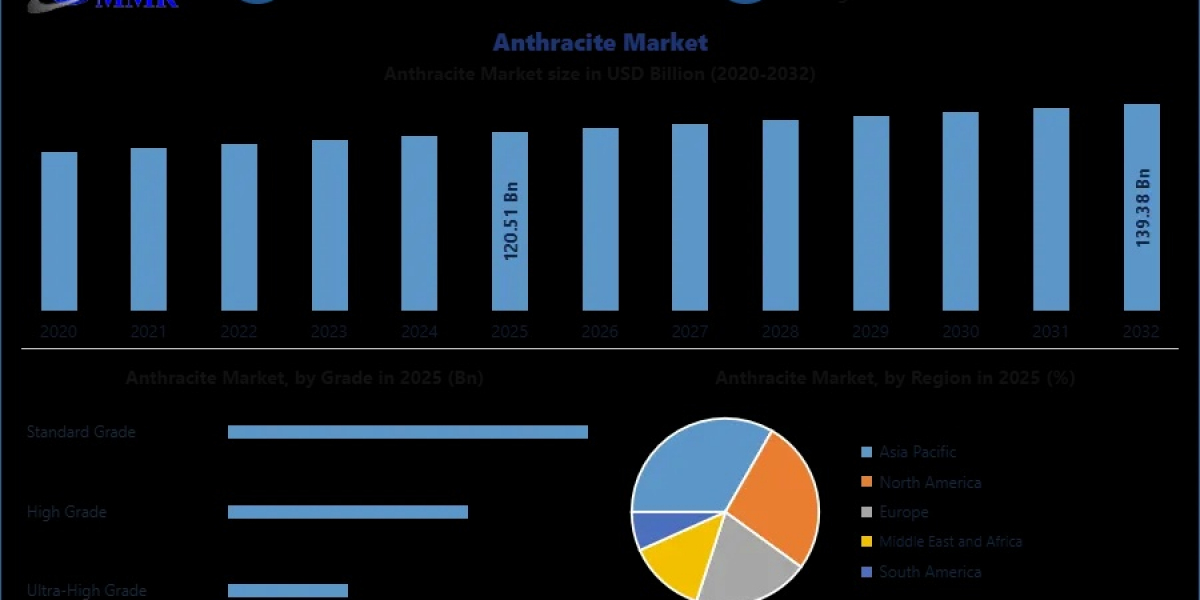 Anthracite Market Opportunities Emerging from Energy Production Needs
The Asia‑Pacific anthracite market is driven by rapid industrialization, robust steel production capacity, and expanding energy demand.
-
 Mastering the Metropolitan Maze The Ultimate Legal Shield for Capital Motorists
Mastering the Metropolitan Maze The Ultimate Legal Shield for Capital Motorists
-
 Permanent Makeup in Delhi – Wake Up Beautiful Every Day
Permanent Makeup in Delhi – Wake Up Beautiful Every Day
-
 1st Birthday Invitation Video Maker with Music and Photos
Creating a birthday invitation video online is simple and convenient with myvideoinvites. The platform offers ready made templates and easy editing tools that allow users to create professional looking invitations without technical experience.
-
 The Architecture of Victory: Why the 2026 Border Demands Elite Representation
The Architecture of Victory: Why the 2026 Border Demands Elite Representation
-
 The Apex of Traffic Offenses: Defending Against the Severity of a Dangerous Driving Charge
The Apex of Traffic Offenses: Defending Against the Severity of a Dangerous Driving Charge
-
Portugal Golden Visa: Complete Guide 2026 Benefits
Among the many options available, the Portugal Golden Visa has become one of the most attractive residency-by-investment programs.