By Natasha May and Carmela Fonbuena • June 13, 2026 • World news
7.8-magnitude quake hit the southern island of Mindanao killing at least 55 people and leaving a trail of destruction
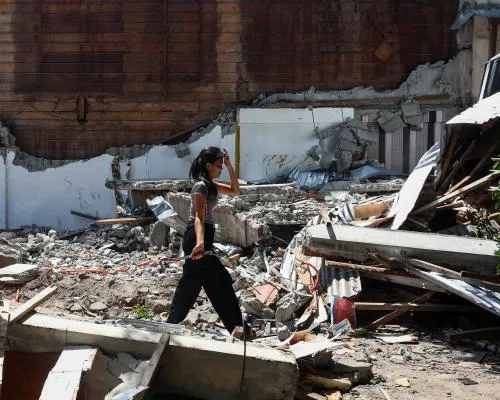
It was just before midnight when the rescue team pulled the body from the rubble of a grocery store destroyed by the most powerful quake to hit the Philippines in half a century. The family wailed at the sight. “While tragic, it offered the family a painful consolation,” said Rene Baliong, the head of the search and rescue team. “They have a body to bury.” For days rescuers have trawled through the wreckage in General Santos City on the nation’s second-most populous island of Mindanao after a 7.8-magnitude earthquake shook the region, triggered a tsunami warning and killed at least 55 people. Baliong’s team worked non-stop for days searching for bodies under the collapsed grocery store, their spirits buoyed after they pulled out a victim still alive on Tuesday. Dozens remained missing while at least 1,120 were injured. More than 45,000 were displaced, mostly those who fled after the tsunami alert was sent in Mindanao in the country’s south. Triggered by movement in the Cotabato Trench, Monday’s earthquake was the strongest since the same undersea depression triggered an 8.1-magnitude quake that whipped up tsunami waves on 17 August 1976, according to Teresito Bacolcol, the director of the Philippine institute of volcanology and seismology. The quake left a trail of destruction including a landslide that buried houses and killed 18 people in the mountainside town of Glan. In nearby General Santos City, at least 13 people were killed when buildings collapsed. At least 19 major commercial buildings in the city were damaged, including a mall and hotel, while more than 19,000 homes were damaged. In the immediate aftermath, the government was working to provide food and water filtration mechanisms after the city’s pipes burst during the quake, said Rodrigo Sosmeña, regional director for the office of civil defence. Rufa Cagoco Guiam, a university professor and resident of General Santos, said it has not been easy to buy basic necessities because the big malls were closed. “I’m going around the city now looking for a supermarket to buy food and water,” Guiam said. Beyond the physical damage, local residents also grappled with the emotional shock, with the earthquake striking just as students were returning to school after the two-month summer holiday break. “I think we underestimate the mental health toll that an earthquake like this can take on people, especially children,” said Drew Strobel, from the International Federation of Red Cross. “We’re already seeing that people are really traumatised by the event.” The earthquake hit before classes began, but many students saw their school buildings wobble as they gathered in the fields to sing the national anthem, he said. Ten schools were damaged and 6,000 remained closed for safety assessments. The Red Cross was providing mental health support, offering hot meals, assisting in rescue operations and assessing the impact on people’s livelihoods, with jobs affected and tourism likely to decline, Strobel added. The recovery challenges could also be exacerbated by the weather. The predicted El Niño phenomenon could be complicated for the region by the south-west monsoon, potentially bringing both flooding and a severe dry spell, according to Sosmeña. The big concern was agricultural production, he said, as the region is considered one of the top rice producing areas in the Philippines, while coconut production supports the economy in some areas of Sarangania. “These are the main source of livelihood of the people, and with these abnormal weather conditions, coupled with some vulnerability brought about by damaged infrastructure caused by this earthquake … we are bracing ourselves,” Sosmeña said. Picking up the pieces after the earthquake, he said, “is not an easy job”. With Associated Press
Source: The Guardian

Guardian News World
128 posts
-
 Judge orders restoration of national park plaques removed under Trump directive
Officials given 21 days to comply with order after Angel Kelley condemns administration for ‘telling half-truths’
-
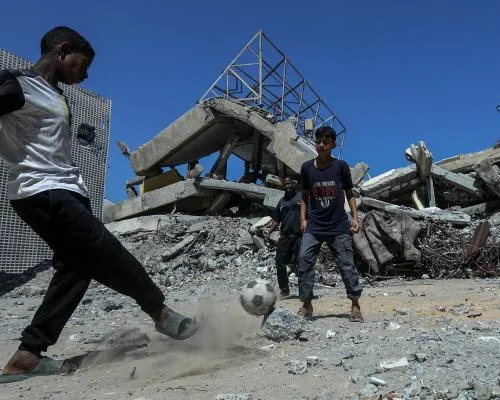 Palestinian and Israeli civil society groups urge G7 to take action on Gaza
Paris meeting draws up proposals and calls for urgent diplomacy towards two-state solution at summit next week
-
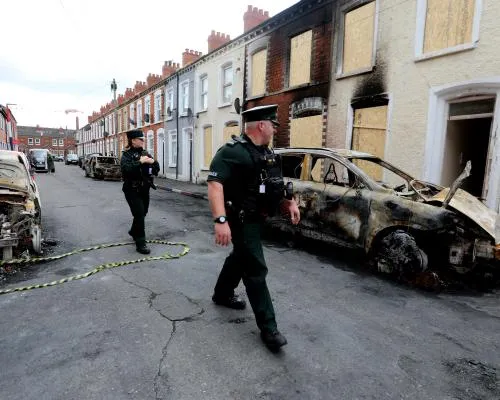 Number of arrests after riots in Northern Ireland rises to 19
Police call for calm before anti-racist protests in Belfast and Glasgow as MPs warn of failure over online misinformation
-
 A powerful US surveillance law is set to expire – what happens now?
Congress has failed to reauthorize section 702 of the Foreign Intelligence Surveillance Act amid questions over its future
-
 Ba tổng thống Mỹ sinh cùng năm
1946 đi vào lịch sử Mỹ như một cột mốc độc nhất vô nhị, khi là năm duy nhất tới nay sản sinh ra ba tổng thống: Donald Trump, George W. Bush và Bill Clinton.
-
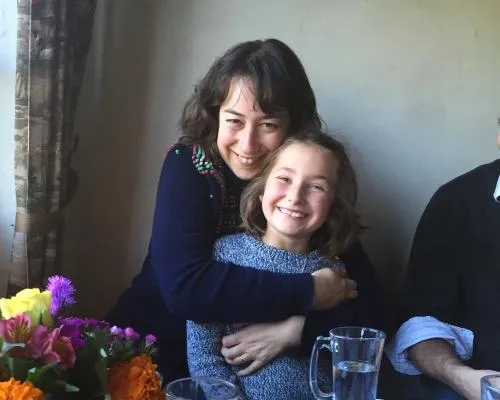 Merope Mills awarded CBE in king’s honours list for Martha’s rule campaign
Journalist and healthcare campaigner was driving force behind patient safety initiative after death of 13-year-old daughter
-
 US justice department approves $111bn merger of Paramount and Warner Bros Discovery
Deal still under UK scrutiny with new investigation, and could face lawsuit from state attorneys general
-
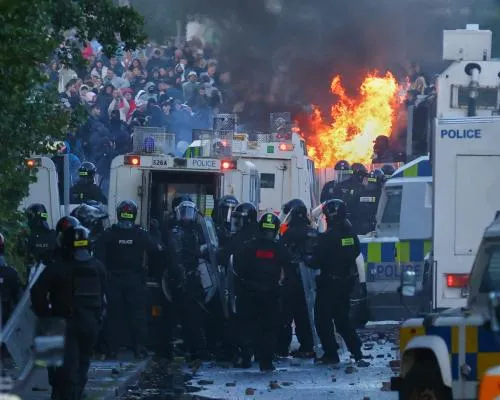 Ugly scenes in Belfast expose a broken politics
Letters: Readers respond to nights of rioting in the city fuelled by anti-migrant rhetoric
-
 Helen Mirren and six Lionesses receive honours for King Charles’s birthday
Footballers, charity founders, actors and musicians among those celebrated for service to Britain
-
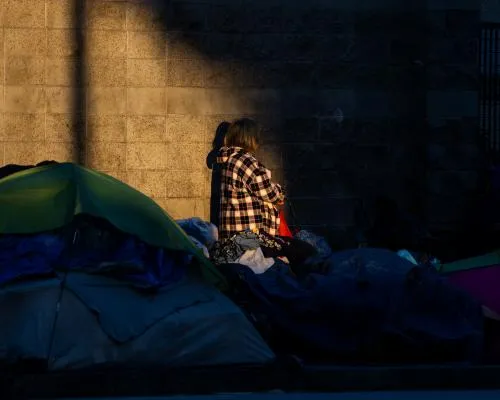 Trump officials cut federal funds to LA homeless services agency
Housing and urban development department alleges fraud in administration’s latest clash with California


