How Does Personalized Medicine Improve Outcomes in Cancer Treatment?
Personalized medicine is reshaping cancer treatment by customizing therapies to each patient's specific genetic makeup, lifestyle, and environmental factors. This precision-based approach offers a substantial improvement over traditional one-size-fits-all methods, which often result in suboptimal outcomes for patients with complex diseases like cancer.
Key players such as Illumina Inc. are advancing personalized medicine by developing next-generation sequencing (NGS) technologies. Illumina's sequencing platforms help identify specific genetic mutations in tumors, allowing for the development of targeted therapies. Exact Sciences Corporation is also at the forefront of this field, using its Cologuard test to detect early-stage colorectal cancer through non-invasive DNA screening.
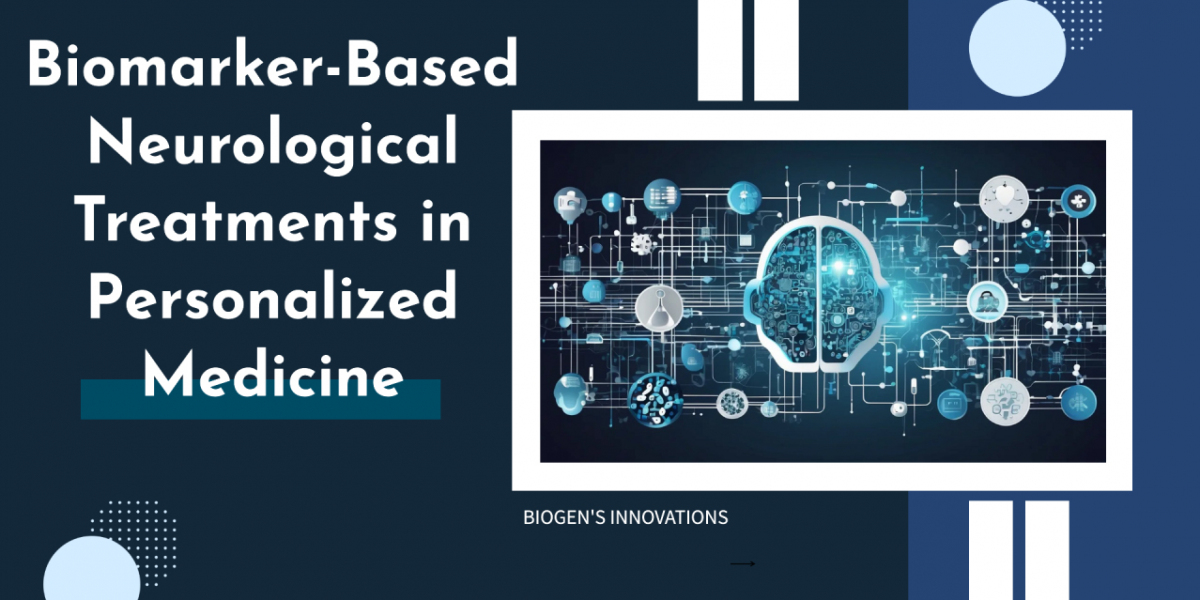
In addition to genomics, Biogen has made strides in using biomarkers to customize treatments for neurological cancers. This personalized approach ensures that the right patients receive the most effective drugs based on their unique genetic profiles, significantly improving survival rates and reducing side effects.
Latest Innovations:
- Next-Generation Sequencing (NGS): Enables rapid and comprehensive analysis of patient genomes to detect mutations.
- Biomarker Development: Identifying biomarkers helps in selecting the right therapies for specific types of cancer, improving overall treatment efficacy.
- Targeted Drug Therapies: Personalized treatments focus on cancer-causing mutations, offering better results with fewer side effects.
What Are the Barriers to Adopting Personalized Medicine in Healthcare?
Despite the benefits, several barriers hinder the widespread adoption of personalized medicine in healthcare. One major challenge is the integration of vast amounts of patient data from different sources. For example, genomic, proteomic, and clinical data need to be harmonized and analyzed collectively to make personalized treatment decisions.
IBM Corporation is addressing this challenge with its Watson for Genomics platform, which uses AI to sift through enormous datasets and deliver actionable insights to healthcare providers. However, the cost of implementing these technologies remains prohibitive for many healthcare systems, particularly in low-resource settings.
Additionally, regulatory frameworks need to adapt to the evolving landscape of personalized medicine. Companies like GE Healthcare are working closely with regulatory bodies to develop clear guidelines for the approval of personalized therapies, ensuring that treatments are both safe and effective.
Top Challenges:
- Data Integration: Harmonizing genetic, clinical, and proteomic data for comprehensive analysis.
- Cost: High costs of sequencing and data analysis tools limit accessibility.
- Regulatory Hurdles: Slow adaptation of policies related to personalized treatments hinders rapid deployment.
How Will Advancements in Genomics Drive the Future of Personalized Medicine?
Advancements in genomics are the cornerstone of personalized medicine's future. The ability to sequence an individual’s genome quickly and affordably has opened new possibilities for custom-tailored treatments. Celera Diagnostics LLC and Decode Genetics Inc. are pioneers in using genomics to identify genetic variants associated with diseases like cardiovascular conditions and Alzheimer’s disease.
The power of CRISPR-Cas9 gene-editing technology, led by innovations from companies like Danaher Corporation, is also transforming the field. This technology allows scientists to correct genetic mutations at their source, offering the potential for curative treatments for inherited disorders and certain cancers. Additionally, Illumina is pushing the boundaries of genomic sequencing, making it faster, cheaper, and more accurate. This is vital for early disease detection and prevention.
Latest Technologies:
- CRISPR-Cas9 Gene Editing: Corrects disease-causing mutations at the genetic level.
- Whole Genome Sequencing (WGS): Enables comprehensive analysis of an individual’s DNA to detect disease risks and tailor prevention strategies.
- Single-Cell Genomics: Studies the genetic profile of individual cells, leading to more precise treatment plans for complex diseases like cancer.
How Is Artificial Intelligence Revolutionizing Personalized Medicine?
Artificial intelligence (AI) plays a crucial role in accelerating the adoption of personalized medicine by improving the speed and accuracy of data analysis. AI algorithms can analyze massive datasets of genetic, proteomic, and clinical information to provide insights that would be impossible for humans to process in a reasonable time frame. Precision Biologics is using AI to develop immune-oncology therapies that target specific tumor antigens, thus personalizing cancer immunotherapy treatments.
Moreover, Exagen Inc. is using AI-driven platforms to develop personalized treatments for autoimmune diseases like lupus, allowing for more accurate diagnoses and customized therapeutic interventions. IBM's Watson continues to be a leader in this space, using machine learning to interpret complex data and help doctors make informed treatment decisions based on an individual's unique health profile.
AI-Powered Innovations:
- AI-Driven Drug Discovery: AI identifies new therapeutic targets more efficiently than traditional methods.
- Machine Learning for Genomics: Analyzes genomic data to discover disease-causing mutations and predict responses to therapies.
- Personalized Immunotherapies: AI helps design individualized cancer treatments by analyzing tumor genetics and immune responses.
Personalized medicine is reshaping healthcare by focusing on the individual rather than the disease, allowing for more effective and targeted treatments. Companies like Illumina Inc., IBM Corporation, and Precision Biologics are leading innovations in genomics, artificial intelligence, and targeted therapies. However, challenges such as cost, data integration, and regulatory hurdles remain. As new technologies like CRISPR and AI continue to evolve, the potential for personalized medicine to transform healthcare is becoming increasingly clear, offering hope for more precise, efficient, and accessible treatments worldwide.
For more information visit at MarketResearchFuture
Other Trending Reports

Nasir Hussain
67 posts
-
 What's The Current Job Market For Smart Robot Professionals Like?
Robotic Vacuum Cleaner On Sale vacuum cleaners (47.105.231.218) Smart Robot Vacuum Sale (http://www.tengenstudio.com/)
-
 Case Studies: Successful ERP Transformations with Offshore Odoo Consulting Teams
In this article, we delve into several compelling case studies showcasing successful ERP transformations powered by offshore Odoo consulting teams. These real-world examples highlight how partnering with the right odoo consulting company can drive digital transformation, optimize business
-
 Custom Odoo Modules: When to Build and When to Buy
In this article, we'll explore when it's more beneficial to build a custom Odoo module and when buying makes more sense. We'll also discuss how odoo erp customization services can help businesses make the right decision and ensure a successful implementation.
-
 Why Content Is Important for SEO
Why Content Is Important for SEO - Why Content Is Important for SEO
-
 Tips & Techniques For SEO Content Writing
Tips & Techniques For SEO Content Writing
-
 Reasons Why an SEO Writer is So Important Today
Reasons Why an SEO Writer is So Important Today


