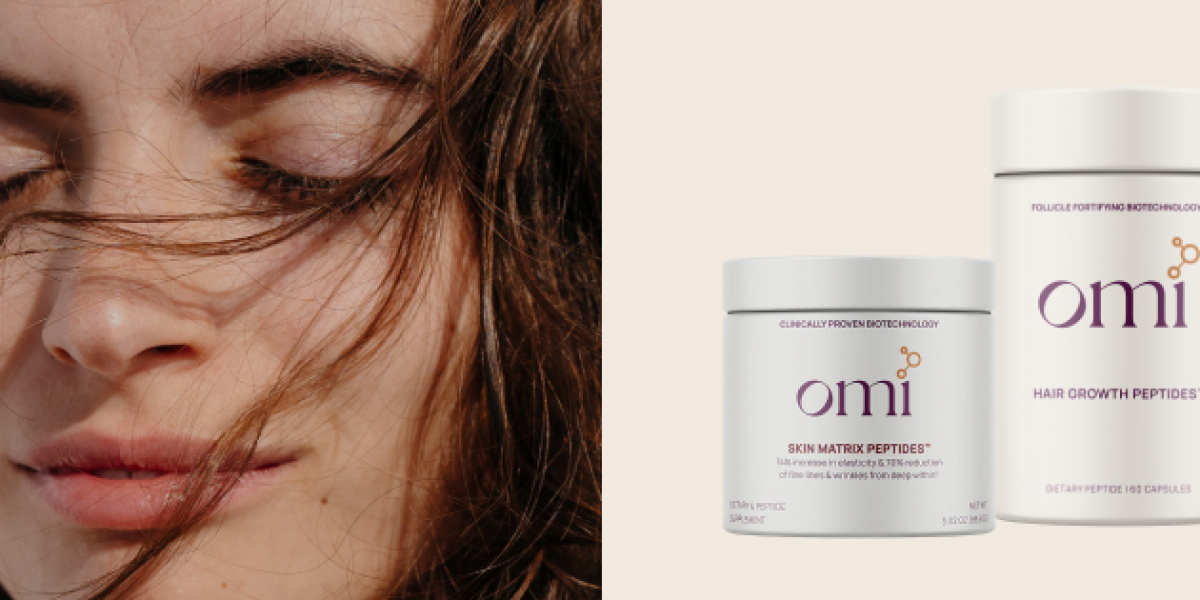
What Are Peptides and Why Do They Matter for Hair?
Peptides are short chains of amino acids, which are the building blocks of proteins. In the human body, peptides play critical roles in healing, regeneration, and cellular communication. When it comes to hair care, certain peptides can trigger biological processes that support hair follicle health and growth.
In hair products, peptides signal the scalp to boost circulation, reduce inflammation, and produce more of the proteins—like keratin and collagen—that strengthen and build each strand from root to tip.
Unlike harsh chemical treatments, peptides are generally non-toxic and gentle, making them a great option for those seeking natural ways to regrow or thicken their hair.
The Hair Growth Cycle and How Peptides Help
To understand how peptides help, it’s important to know how your hair grows. Hair goes through three main phases:
Hair loss typically occurs when follicles exit the growth phase too early or remain in the resting phase too long. Factors like stress, aging, hormones, or poor nutrition can throw off this cycle.
Hair peptides support the growth phase by nourishing follicles, improving blood flow to the scalp, and encouraging the production of essential structural proteins. They help reactivate dormant follicles and extend the time your hair spends actively growing.
Top Peptides Used for Hair Growth
Not all peptides are created equal. Here are some of the most effective peptides for promoting hair growth:
These are powerful anti-inflammatory agents that also promote blood circulation and tissue remodeling. Copper peptides can stimulate new hair follicle growth and are often used in high-end serums and clinical treatments.
This peptide helps anchor hair more firmly in the scalp by stimulating structural proteins like collagen and laminin. It strengthens the follicle and reduces shedding.
Originally developed for lash and brow enhancement, this peptide is now popular in scalp treatments. It encourages keratin production, improving hair thickness and length.
These lab-engineered peptides mimic the body’s own growth factors. Often used in conjunction with microneedling, they can jump-start regeneration in areas with thinning or dormant hair follicles.
How to Use Peptides for Hair Growth
You’ll find peptides in a variety of hair care products, including:
Best Practices:
Some users boost their peptide treatments with microneedling at home or in a clinic. This creates micro-channels in the scalp, allowing peptides to penetrate more deeply and act more efficiently.
What Results to Expect From Hair Peptides
Hair peptides aren’t a miracle overnight cure, but consistent use can lead to:
Most users begin to notice subtle improvements within 6–8 weeks, with more substantial changes visible by the third month.
Who Should Consider Peptides for Hair Regrowth?
Peptides are a great fit for anyone looking to improve hair health naturally. They’re especially useful for:
Are There Any Side Effects of Hair Peptides?
Peptides are considered safe and generally well-tolerated. However, as with any topical product, some people may experience:
Always do a patch test before fully applying a new product and consult your doctor if you have underlying scalp conditions or are pregnant/nursing.
Final Thoughts: Are Peptides for Hair Growth Worth It?
If you’re looking for a science-backed, non-invasive way to boost your hair’s health, hair peptides are absolutely worth exploring. They offer a smart, gentle approach to improving hair density, reducing loss, and revitalizing tired follicles—all without relying on hormones or synthetic drugs.

Evelyn Lewis
1 posts
-
 How Women Long Sleeve Hoodies Redefine Tactical Streetwear Fashion
Women Long Sleeve Hoodies have transformed from simple wardrobe essentials into defining pieces of tactical streetwear fashion. Their evolution reflects a broader shift in how clothing is perceived—not just as a necessity, but as an extension of personality and lifestyle.
-
 Elevate Your Health with Natural Therapies in Oceanside
Discover natural healing at an Acupuncture Clinic Oceanside and a trusted Holistic Wellness Center Oceanside for stress relief, pain management, and total wellness.
-
 Get 10% Off Reliable ED Medicines with Medsvilla Special Deal
These medicines are commonly prescribed and widely used for managing ED symptoms effectively when used under proper medical guidance.
-
 How to Get a Hydrocodone Prescription
Online via Telehealth (Safe & Legal Guide)This guide explains how to safely and legally get a hydrocodone prescription via telehealth,
along with key legal rules and safety precautions. -
 Transform Your Health with Advanced Surgical Solutions in Houston
Invest in your future. Choose Houston. Choose life-changing care.
-
 Unlocking Wellness: Functional Lab Testing & Nutraceutical Care in Columbia
Your path to balance, vitality, and healing starts here.
-
 How Modern Medical Equipment in Train Ambulance Ensures Patient Stability
Discover how advanced ICU equipment in Train Ambulance Service in Patna ensures patient stability during long-distance transfers with ventilators, monitors & expert care.
-
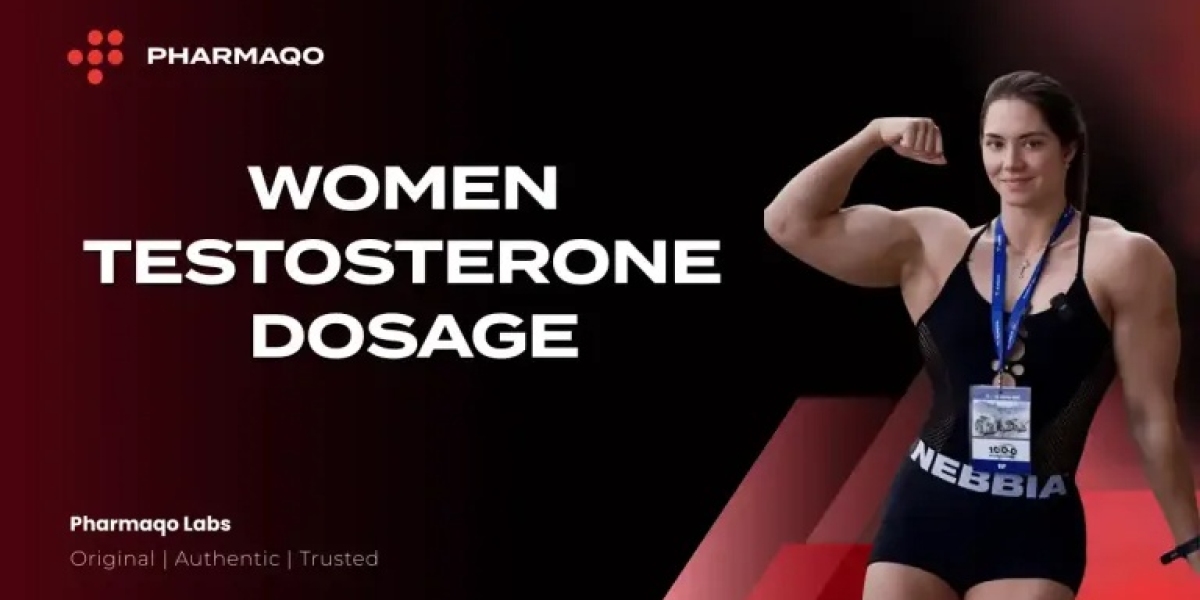 Women’s Testosterone Dosage: What You Should Know
Testosterone isn’t just for men — it’s also a key hormone for women. When balanced properly, it supports energy, mood, muscle tone, mental clarity, and sexual wellness.
-
 Safe Anavar Purchase Tips: A Detailed Guide
Anavar is a top choice for people looking to build lean muscle, improve strength, and maintain a defined physique.
-
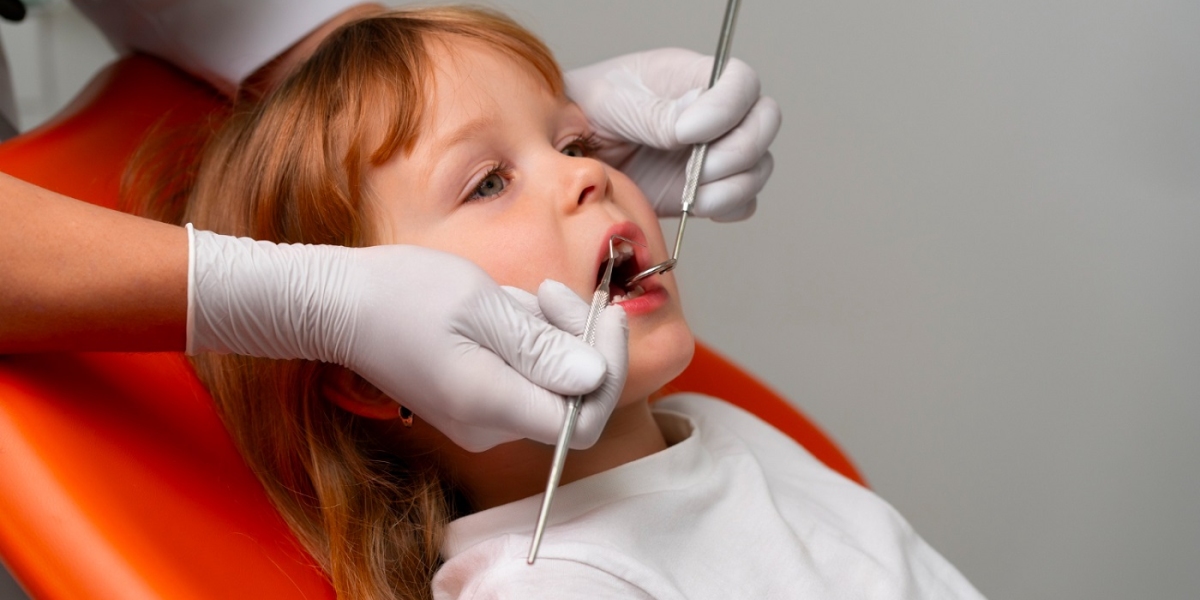 Book Your Appointment for a Pediatric Dentist Today
Quite rightly so, the early establishment of a "dental home" is the best way to monitor your child's development in a continuous and proactive manner. Finding an excellent pediatric dentist in Dubai should top your list if you seek great specialised attention for your chi
-
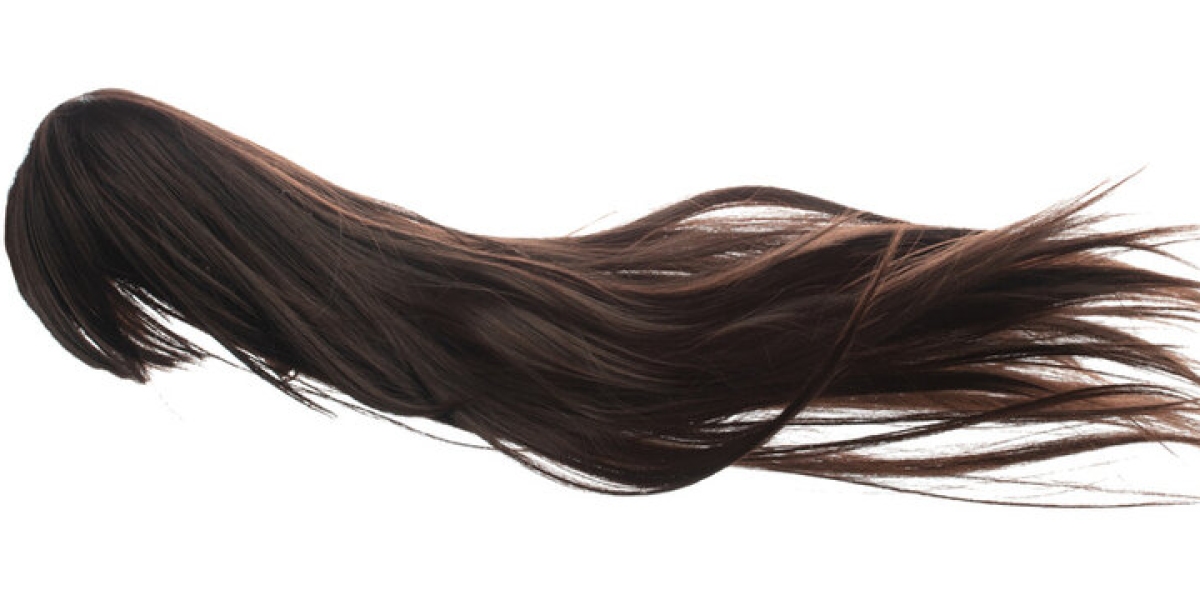 Anti-Aging Hair Products Market Advancing Through Hair Pigment Preservation And Gray Hair Reversal Innovations
Explore melanin-boosting ingredients, pigment-stabilizing antioxidants, nutraceutical integration, and sustainable practices driving innovation and consumer adoption in the anti-aging hair products market for youthful, vibrant, and resilient hair.


