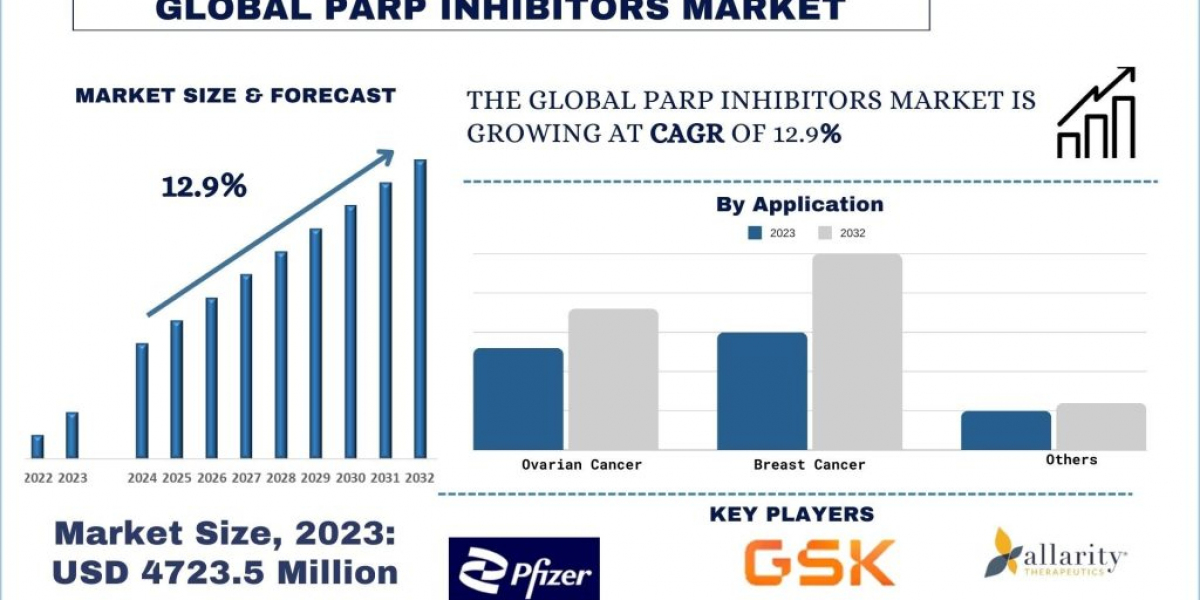
The introduction of PARP Inhibitors Market have transformed the landscape of cancer treatment, particularly in the United States. These drugs have become a cornerstone in the management of various cancers, including ovarian, breast, prostate, and pancreatic cancers, especially in patients with specific genetic mutations. The surge in the prevalence of cancer is one of the major factor driving their demand in US market during the forthcoming years. According to the Centers for Disease Control and Prevention (CDC) and the National Cancer Institute (NCI), the U.S. Cancer Statistics (USCS) report for 2020 provides detailed insights into cancer incidence and mortality:
Incidence Rates:
In 2020, approximately 1.8 million new cancer cases were diagnosed in the United States. This translates to an incidence rate of 442 new cases per 100,000 people.
Mortality Rates:
Cancer was responsible for about 602,350 deaths in the same year, resulting in a mortality rate of 152 deaths per 100,000 people.
The Science Behind PARP Inhibitors
PARP inhibitors works by targeting the PARP enzyme, which is critical for repairing single-strand breaks in DNA. By inhibiting PARP, these drugs cause the accumulation of DNA damage in cancer cells, leading to cell death, particularly in cells deficient in other DNA repair pathways (such as those with BRCA1 or BRCA2 mutations). This mechanism of action makes PARP inhibitors highly effective in certain cancer types, offering a targeted approach to cancer therapy.
Key PARP Inhibitors in the U.S.
Several PARP inhibitors have gained approval in the U.S. and are making significant strides in cancer treatment:
Recent Company News and Developments
The U.S. market for PARP inhibitors has seen substantial developments in recent months, driven by clinical trials, regulatory approvals, and strategic partnerships. Here are some of the latest updates:
AstraZeneca and Merck
Olaparib (Lynparza) has been a pioneer in the PARP inhibitor class. Recent developments include:
GlaxoSmithKline
Niraparib (Zejula) has also made notable strides:
Clovis Oncology
Rucaparib (Rubraca) continues to play a crucial role in the PARP inhibitor market:
Pfizer
Talazoparib (Talzenna) has also seen important developments:
The Impact of PARP Inhibitors in Cancer Treatment
The introduction and expansion of Poly (ADP-ribose) polymerase (PARP) inhibitors in the U.S. have significantly influenced cancer treatment. These innovative drugs offer several notable benefits that are transforming the management of various cancers.
Targeted Therapy
PARP inhibitors provide a highly targeted approach to cancer treatment by specifically targeting cancer cells that have deficiencies in DNA repair mechanisms. This precision reduces damage to healthy cells, leading to fewer side effects compared to traditional chemotherapy. The ability to selectively kill cancer cells while sparing normal cells marks a significant advancement in oncology, offering a more tolerable treatment option for patients.
Request Free Sample Pages with Graphs and Figures Here https://univdatos.com/get-a-free-sample-form-php/?product_id=62523
Improved Survival Rates
Clinical trials have consistently shown that PARP inhibitors improve progression-free survival and overall survival in patients with specific types of cancer, particularly those with BRCA1 and BRCA2 mutations. For instance, studies have demonstrated that PARP inhibitors like olaparib (Lynparza) significantly extend the time patients remain free from cancer progression. This improvement translates to better patient outcomes and an enhanced quality of life.
Combination Therapies
Combining PARP inhibitors with other cancer treatments, such as chemotherapy, immunotherapy, and targeted therapies, has yielded promising results. These combinations can enhance the efficacy of treatment, overcome drug resistance, and provide new therapeutic options for patients with advanced or resistant cancers. For example, the combination of olaparib with bevacizumab has shown superior results in treating advanced ovarian cancer compared to monotherapy.
Expanding Indications
The use of PARP inhibitors is expanding beyond their initial indications in ovarian and breast cancers to include prostate, pancreatic, and other types of cancers. Ongoing research and clinical trials are validating their effectiveness in these additional indications, potentially broadening their use and offering benefits to a larger patient population. This expansion reflects the versatility and potential of PARP inhibitors in oncology.
Future Directions
The future of PARP inhibitors in the U.S. looks bright, with ongoing research and development focused on several key areas:
Overcoming Resistance
One of the primary challenges with PARP inhibitors is the development of resistance. Researchers are actively studying the mechanisms behind this resistance and developing strategies to overcome it. This includes exploring novel combinations of PARP inhibitors with other drugs and developing next-generation PARP inhibitors that can bypass resistance mechanisms.
Personalized Medicine
Advancements in genomic profiling are paving the way for personalized medicine, where treatments are tailored to the genetic makeup of an individual's cancer. PARP inhibitors, with their reliance on specific genetic mutations, are at the forefront of this approach. Personalized treatment plans that incorporate PARP inhibitors can offer more effective and targeted therapy options for patients.
Expansion into Combination Therapy
In the past few years, scientists are continuously exploring combinational therapies for PARP inhibitors. Combining PARP inhibitors with other agents, such as checkpoint inhibitors, angiogenesis inhibitors, and other targeted therapies, holds the potential to further enhance treatment efficacy and improve patient outcomes. These combinations can provide synergistic effects, leading to better therapeutic results for the management of cancer.
Conclusion
The rise of PARP inhibitors in the U.S. represents a significant advancement in cancer treatment. With substantial investments, successful clinical trials, and new product launches, PARP inhibitors are poised to play a crucial role in the future of oncology. As research continues to expand their applications and overcome current limitations, patients stand to benefit from more effective and personalized cancer therapies. The future holds great promise for PARP inhibitors, offering hope and improved outcomes for countless cancer patients.
Contact Us:
UnivDatos Market Insights
Email - [email protected]
Contact Number - +1 9782263411
Website -www.univdatos.com
Related Chemical Market Research Industy Report:-
Software as a Medical Device Market: Current Analysis and Forecast (2024-2032)
Antibiotic Resistance Market: Current Analysis and Forecast (2024-2032)

Harry Jex
21 posts
-
 Mastering the Asset: Technical Infrastructure, Micro-Market Value, and Structural Layouts at DLF Park Place
This deep dive focuses on the granular technical infrastructure, exact structural layouts, and macro-economic factors that explain why this specific project maintains a massive edge over its competition in 2026.
-
 Brand Identity and Tenant Experience: Cultivating Loyalty at Elan Empire Gurgaon
Securing high occupancy in a premium high-street asset is only half the battle. For long-term viability, property management and individual investors must shift their focus to building tenant loyalty and creating a distinctive brand identity.
-
 Master Review: Evaluating Godrej Nature Plus, Sector 33, Gurgaon
The layout uses a smart structural pattern where towers are angled away from each other. This creates a staggered footprint that gives corner apartments clear, unblocked views of the Aravalli foothills while ensuring optimal morning and afternoon sunlight. Inside the towers, the floor plan
-
 BPTP Downtown 66: A Masterpiece of Vertical Luxury in Sector 66
BPTP Downtown 66 has emerged as one of the most anticipated high-rise developments on the Golf Course Extension Road. Designed by the globally acclaimed architectural firm Aedas, this project is not just a residential complex but a vertical ecosystem where luxury meets functionality.
-
 Aesthetic Clinic in Australia | Beauty Clinic in Carolina | PM Aesthetics
Discover a trusted aesthetic clinic in Australia and a professional beauty clinic in Carolina. PM Aesthetics offers advanced skincare, cosmetic treatments, and personalized beauty solutions.
-
 The Masterful Synergy at Signature Global Tonino Lamborghini
Signature Global Tonino Lamborghini Residences represents a ₹2,890 crore synergy of Italian supercar aesthetics and Indian engineering excellence in Sector 71.
-
 Sidewalk Repair NYC: A Complete Guide for Property Owners
Sidewalks in New York City endure constant wear and tear due to heavy foot traffic, extreme weather conditions, and tree root growth. Over time, cracks, uneven surfaces, and potholes can develop. These issues not only create an unpleasant appearance but also pose serious safety hazards for
-
 Why Natural Stone Wall Panels Are Becoming the First Choice for Modern Interiors
Discover why natural stone wall panels are becoming a top choice for modern interiors and exteriors. Learn about their durability, aesthetic appeal, and versatile applications for residential and commercial spaces.
-
 Chemical Supplier for Industrial in UAE: Reliable Solutions for Modern Industries
Find a reliable chemical supplier for industrial in UAE offering high-quality products, consistent supply, and tailored solutions for manufacturing, oil & gas, construction, and water treatment industries.
-
 Signature Global Cloverdale SPR Gurgaon – A Modern Address for Comfortable Living
This connectivity allows residents to easily access major employment hubs, corporate offices, and business districts. The proximity to IGI Airport further adds to its appeal, especially for professionals who travel frequently.
-
 The Vertical Revolution: Living Above the Ordinary at Sobha Rivana
Sobha Rivana is a G+45 floor architectural landmark in Sector 1, Greater Noida West, featuring a low-density design with only four units per floor and four high-speed elevators. It offers a premium lifestyle with 11-foot high ceilings, 80% open green space, and a 50,000 sq. ft. clubhouse,


