
Laser hair removal has become an increasingly popular choice for people seeking a long-term solution to unwanted hair. With its promise of permanent hair reduction, many individuals are curious about the procedure, its effectiveness, and, of course, the level of pain involved. In this article, we will dive deep into understanding the pain levels associated with laser hair removal, what factors can influence these levels, and how you can manage any discomfort during the process.
Before delving into the pain aspects, it’s essential to understand how laser hair removal works. The procedure involves using concentrated light (laser) to target and destroy hair follicles. The laser emits a specific wavelength of light that is absorbed by the pigment (melanin) in the hair. When the hair follicles absorb the light, they heat up and become damaged, which inhibits their ability to grow hair.
Typically, a laser hair removal session can take anywhere from a few minutes to over an hour, depending on the area being treated. Before the procedure begins, both the practitioner and the patient should wear protective eyewear to shield against the laser light.
During the session, the practitioner will apply a cooling gel or device to help protect your skin and minimize discomfort. After this, the laser will be applied to the targeted area, and you may feel a sensation akin to a rubber band snapping against your skin.
When it comes to pain levels, patients often describe their experience during laser hair removal in varying degrees. Reviews and testimonials can differ, as everyone’s pain tolerance is unique. However, on a general scale, the pain level is usually rated between 1 and 4 on a scale from 1 to 10, with 1 being minimal discomfort and 10 being excruciating pain.
Multiple factors can impact how much discomfort a person feels during laser hair removal:
Skin Sensitivity: Individuals with sensitive skin may experience more discomfort during the procedure. Skin conditions like eczema, rosacea, or psoriasis can heighten sensitivity.
Hair Color and Thickness: Darker, thicker hair typically absorbs more laser energy, which can sometimes result in increased pain as compared to lighter, finer hair.
Treatment Area: Certain areas of the body are inherently more sensitive than others. For example, the bikini area and underarms may be more painful, while areas like the legs or back may cause less discomfort.
Technology Used: Different laser hair removal devices vary in their intensity and efficacy. Technologies that incorporate cooling mechanisms will generally cause less discomfort than traditional treatments.
Your Pain Tolerance: Everyone has different thresholds for pain; what may feel intense for one person might feel relatively mild for another.
Although some discomfort is associated with laser hair removal, there are several strategies to manage or mitigate pain:
Topical Anesthetics: Many clinics offer topical numbing creams that can be applied to the treatment area approximately 30 minutes before the laser session. This can help minimize discomfort significantly.
Cool Compresses: Applying a cold pack or ice to the area following treatment can provide relief from any residual discomfort and reduce inflammation.
Distraction Techniques: Bring headphones and listen to music during your session or practice deep breathing exercises. These techniques can help take your mind off the procedure.
Talk to Your Technician: Communicate openly with your technician about your pain levels during the session. They can adjust the settings or pace of the treatment to make you more comfortable.
After the procedure, it’s normal to experience some mild redness, swelling, or tenderness in the treated area, akin to a mild sunburn. These side effects usually subside within a few hours to a couple of days. To ease any discomfort, consider:
Moisturizing: Use a gentle, fragrance-free moisturizer to keep the treated area hydrated.
Avoiding Sun Exposure: Protect your skin from direct sunlight post-treatment. Apply sunscreen to minimize the risk of pigmentation changes.
Avoiding Irritants: Refrain from using harsh products, such as exfoliants or retinoids, on the treated area for a few days.
While laser hair removal can cause some discomfort, understanding the pain levels and factors influencing them can help prepare you for the experience. Awareness of your body’s reactions, combined with effective pain management techniques, can significantly enhance your comfort during and after the procedure.
If you’re considering laser hair removal, consult with a qualified practitioner to discuss your pain concerns and what to expect. With the right knowledge and preparation, you can approach your laser hair removal journey with confidence and ease.
Laser hair removal presents a long-lasting solution to unwanted hair with the added bonus of minimal pain for many individuals. Understanding what to expect can empower you to make informed decisions regarding your hair removal options. After all, achieving smooth, hair-free skin shouldn’t come at the cost of suffering. Always prioritize safety and comfort as you embark on this journey!

Chris Smart
19 posts
-
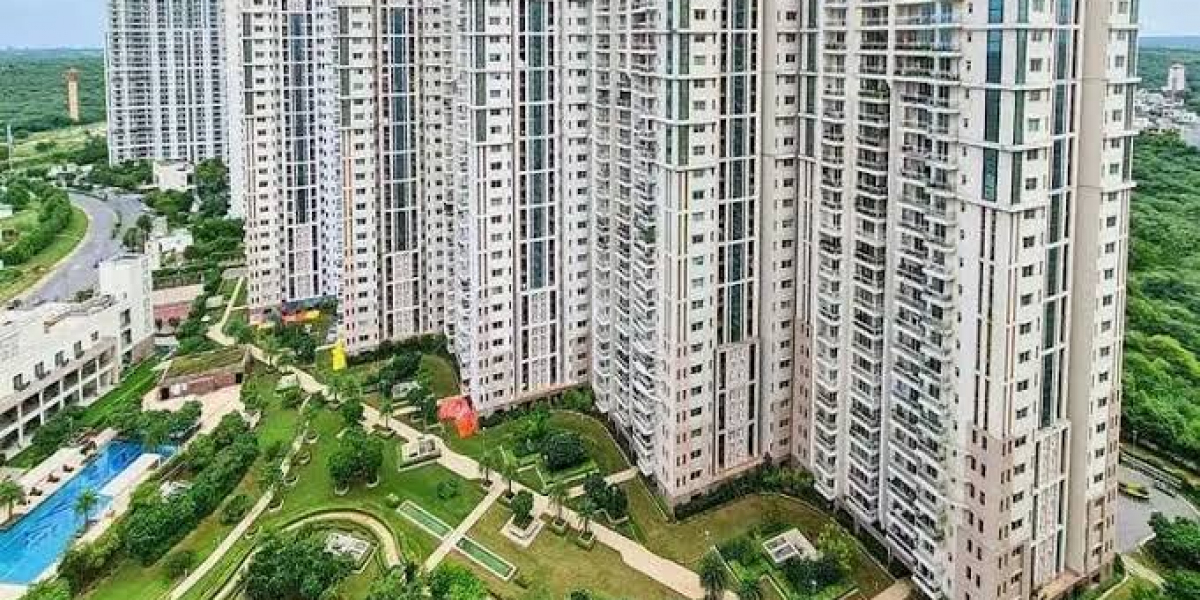 Mastering the Asset: Technical Infrastructure, Micro-Market Value, and Structural Layouts at DLF Park Place
This deep dive focuses on the granular technical infrastructure, exact structural layouts, and macro-economic factors that explain why this specific project maintains a massive edge over its competition in 2026.
-
 Brand Identity and Tenant Experience: Cultivating Loyalty at Elan Empire Gurgaon
Securing high occupancy in a premium high-street asset is only half the battle. For long-term viability, property management and individual investors must shift their focus to building tenant loyalty and creating a distinctive brand identity.
-
 Master Review: Evaluating Godrej Nature Plus, Sector 33, Gurgaon
The layout uses a smart structural pattern where towers are angled away from each other. This creates a staggered footprint that gives corner apartments clear, unblocked views of the Aravalli foothills while ensuring optimal morning and afternoon sunlight. Inside the towers, the floor plan
-
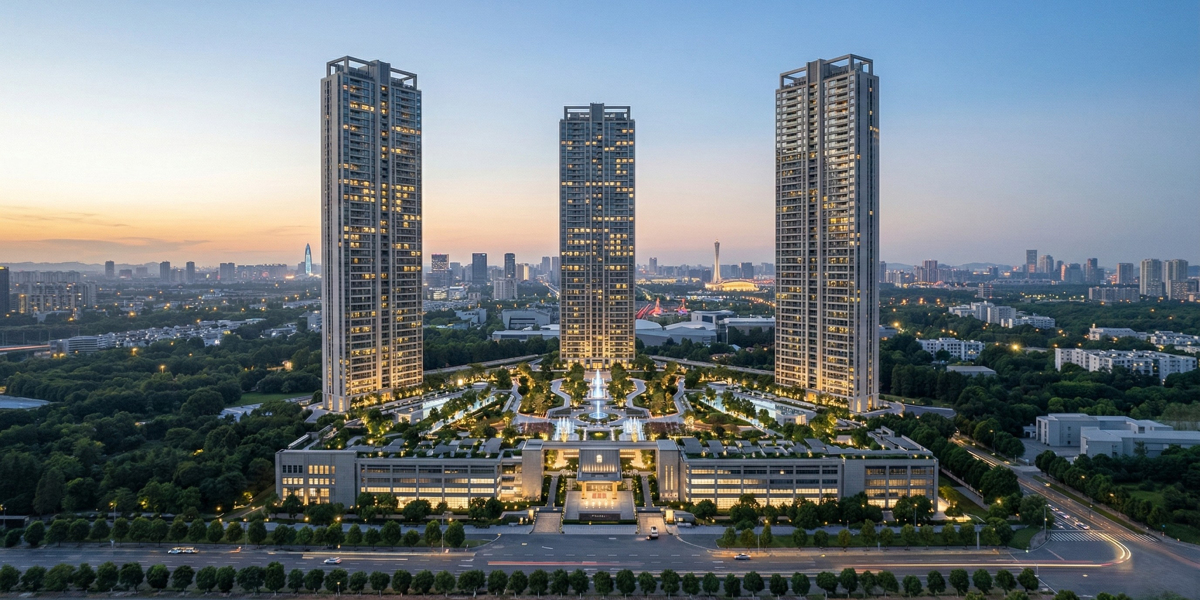 BPTP Downtown 66: A Masterpiece of Vertical Luxury in Sector 66
BPTP Downtown 66 has emerged as one of the most anticipated high-rise developments on the Golf Course Extension Road. Designed by the globally acclaimed architectural firm Aedas, this project is not just a residential complex but a vertical ecosystem where luxury meets functionality.
-
 Aesthetic Clinic in Australia | Beauty Clinic in Carolina | PM Aesthetics
Discover a trusted aesthetic clinic in Australia and a professional beauty clinic in Carolina. PM Aesthetics offers advanced skincare, cosmetic treatments, and personalized beauty solutions.
-
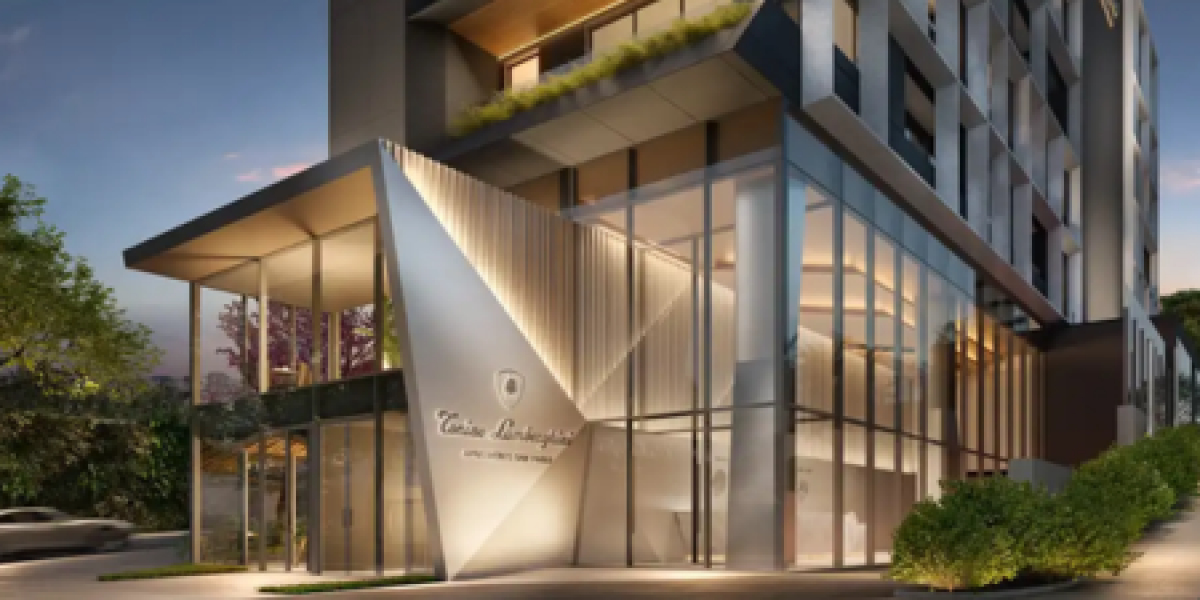 The Masterful Synergy at Signature Global Tonino Lamborghini
Signature Global Tonino Lamborghini Residences represents a ₹2,890 crore synergy of Italian supercar aesthetics and Indian engineering excellence in Sector 71.
-
 Sidewalk Repair NYC: A Complete Guide for Property Owners
Sidewalks in New York City endure constant wear and tear due to heavy foot traffic, extreme weather conditions, and tree root growth. Over time, cracks, uneven surfaces, and potholes can develop. These issues not only create an unpleasant appearance but also pose serious safety hazards for
-
 Why Natural Stone Wall Panels Are Becoming the First Choice for Modern Interiors
Discover why natural stone wall panels are becoming a top choice for modern interiors and exteriors. Learn about their durability, aesthetic appeal, and versatile applications for residential and commercial spaces.
-
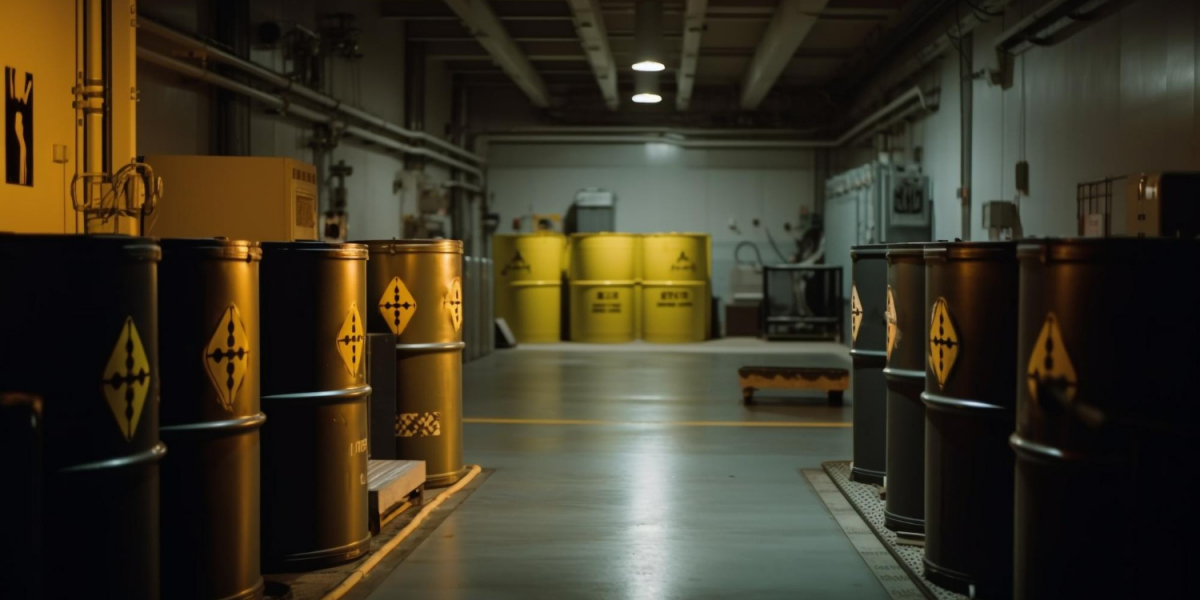 Chemical Supplier for Industrial in UAE: Reliable Solutions for Modern Industries
Find a reliable chemical supplier for industrial in UAE offering high-quality products, consistent supply, and tailored solutions for manufacturing, oil & gas, construction, and water treatment industries.
-
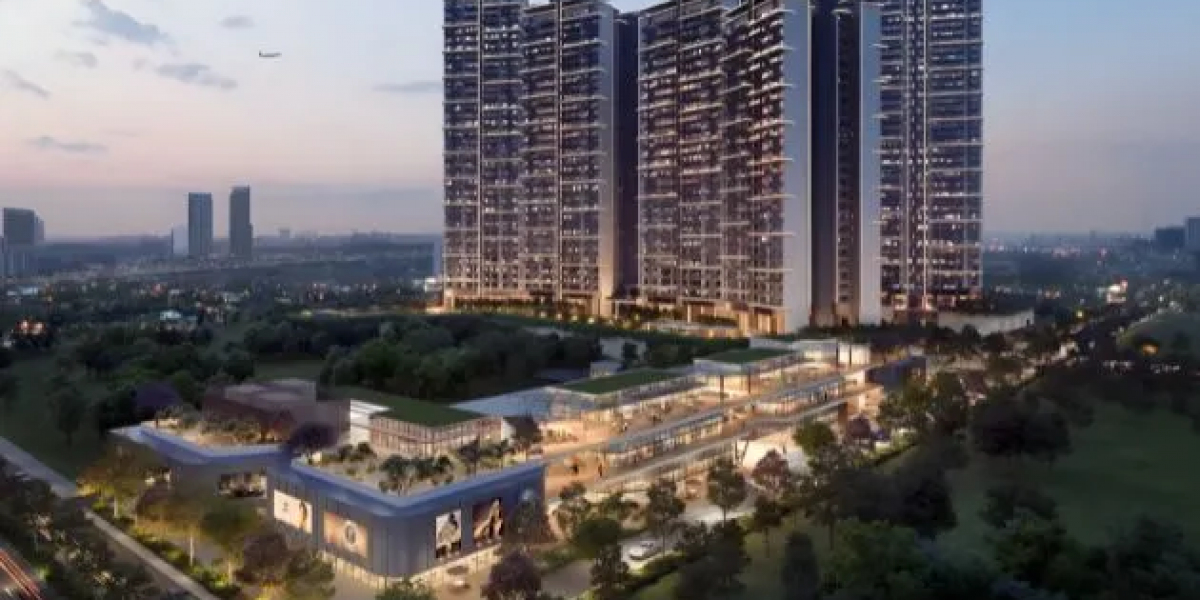 Signature Global Cloverdale SPR Gurgaon – A Modern Address for Comfortable Living
This connectivity allows residents to easily access major employment hubs, corporate offices, and business districts. The proximity to IGI Airport further adds to its appeal, especially for professionals who travel frequently.
-
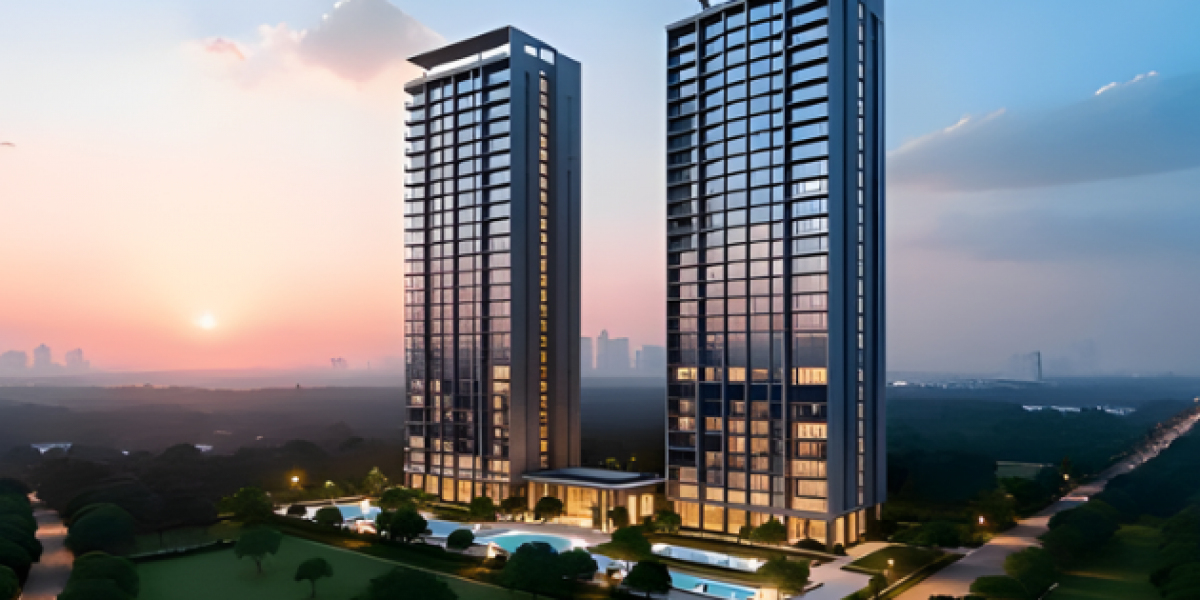 The Vertical Revolution: Living Above the Ordinary at Sobha Rivana
Sobha Rivana is a G+45 floor architectural landmark in Sector 1, Greater Noida West, featuring a low-density design with only four units per floor and four high-speed elevators. It offers a premium lifestyle with 11-foot high ceilings, 80% open green space, and a 50,000 sq. ft. clubhouse,


