By Sanya Mansoor • June 19, 2026 • US news
Depending on AI can also potentially decrease the ability to discern misinformation, research says
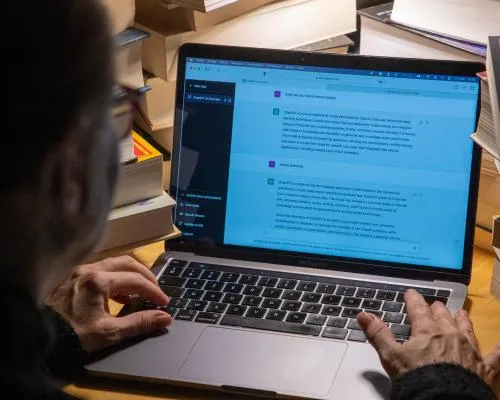
A new study from the Massachusetts Institute of Technology is the latest research to find that relying too much on chatbots can diminish critical-thinking skills, and potentially decrease our ability to discern misinformation for ourselves. As AI tools are becoming more sophisticated and accessible, manipulated images and misleading headlines are becoming more common. AI can be part of the solution, and has proved useful in helping users identify fake content – but there’s a cost to using it this way, the new research suggests. An over-dependence on AI to help figure out what’s real on the internet can lead to trouble making those judgments. During the four-week study, released in April, researchers tracked 67 participants and quizzed them on whether pairs of news-related headlines and images were real. They found that AI assistants like Claude and ChatGPT would be useful for detecting fake news – but when participants relied on them too much, they became worse at spotting misinformation. Researchers also found that when it came to deciding which news headlines and images were real, AI often prioritized an accurate response, rather than cultivating an ability to think. This dependency could actually worsen judgment in the long-term, according to the study. “When we’re interacting with AI, we feel we’re becoming better at certain tasks and there’s enough research that shows we are not,” says Anku Rani, a PhD student at MIT and co-lead author of the study. Participants in the month-long study were asked to respond to questions about fake news and images with and without the help of an AI assistant that runs on GPT-4o and is integrated with Google search. The chatbot could hint at clues to look for; one example showed the AI chatbot advising a user to take a closer look at a police badge that revealed an image was fake. The study authors evaluated how helpful AI was in guiding participants to make an accurate decision, as well as how their independent judgment changed over time. They found a trade-off: AI helped participants better discern what’s real – and resulted in a 21% higher chance they would make the right call. But their unassisted performance, when reviewing new images without AI’s help, grew 15.3% worse in the experiment’s fourth week. “These results indicate that while AI may help immediately, it may ultimately degrade long-term misinformation detection abilities,” the study noted. Concerns about the effects of depending too much on AI, and even other forms of technology, aren’t new. Calculators and GPS devices have dulled the ability to do mental math and navigate neighborhoods without assistance. A 2025 Lancet study found that doctors who use AI classification tools to detect cancer eventually became worse at doing so on their own. A neuroscientist at the Possibility Institute, a metascience research group, recently warned that diverting too much of one’s thinking to AI can weaken the brain’s defenses against dementia. The recent MIT study’s analysis notes that an AI system’s approach – and whether it’s more prescriptive or probing – can affect a user’s ability to maintain good judgment. Although users are often looking for a chatbot to provide speed and certainty, it’s the more nuanced, guided questioning that can improve critical thinking, the study notes. Participants who use AI systems that tell them what to do say they often “go along with the system because it sounds knowledgeable”, the study adds. About one-quarter of participants said they thought their detection skills were improving, even when their performance was getting worse. The MIT study has some key limitations. The authors acknowledge that they were working with participants predominantly from the US and UK and that a more diverse sample could indicate whether this skill degradation occurs across cultural contexts and educational systems. Longer studies that track people for more than four weeks could also shed light on whether the effects of an over-reliance of AI continues at the same rate as time progresses. Researchers say their results are especially important for educators to consider as they increasingly rely on AI for learning tools. The study’s observations are also relevant for the broader public, given an inundation of dubious online information, from news and viral images to medical claims and political rumors. “As AI becomes increasingly sophisticated, ensuring these tools build critical thinking skills rather than cognitive dependency becomes essential for maintaining public resilience to misinformation,” the study notes.
Source: The Guardian

World News Today
238 posts
-
 Venice’s new mayor seeks to raise day-tripper fee to up to €50
Simone Venturini says proposal aimed at discouraging arrivals in ‘periods of heightened tourist pressure’
-
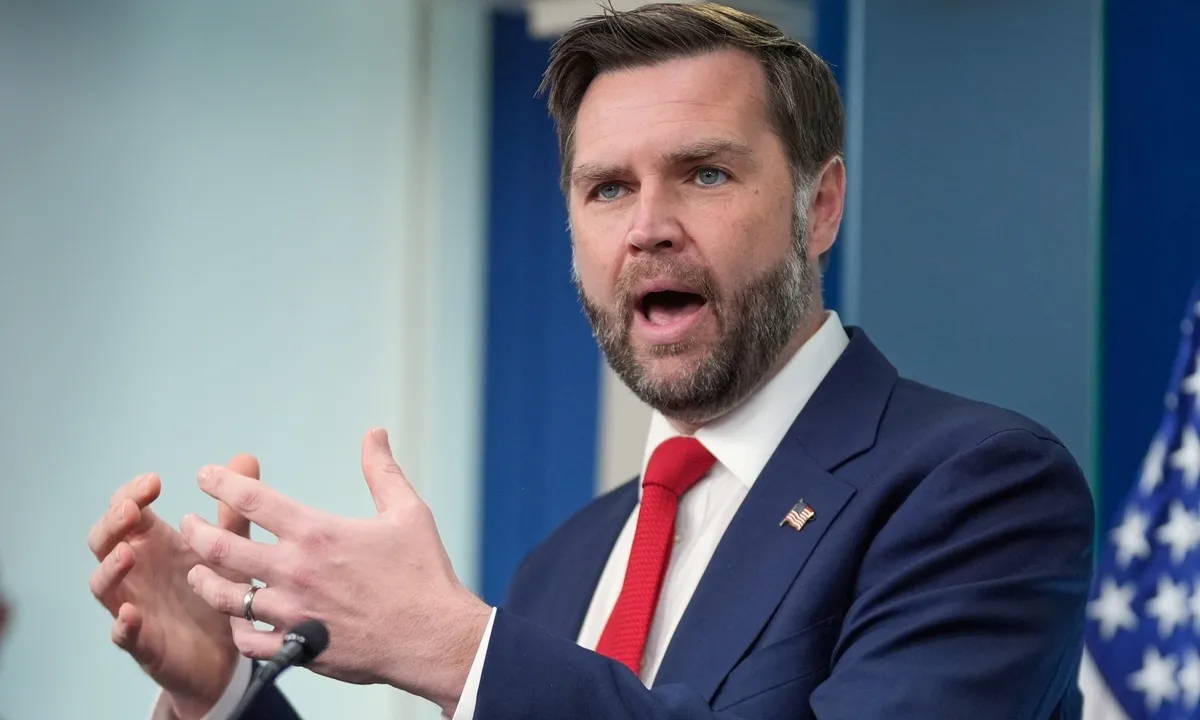 Canh bạc của ông Vance khi dẫn dắt đàm phán với Iran
Dẫn đầu đàm phán hòa bình với Iran, Phó tổng thống Vance đang đối mặt một canh bạc rủi ro, khi số phận chính trị của ông gắn liền với tiến trình này.
-
 Two men jailed for arson attacks on property linked to Keir Starmer
Roman Lavrynovych and Stanislav Carpiuc imprisoned for seven years and two years respectively
-
 Lượt tàu qua Hormuz tăng mạnh sau khi Mỹ - Iran ký thỏa thuận
Số lượng tàu thương mại qua eo biển Hormuz tăng mạnh ngay sau khi tuyến hàng hải này mở cửa trở lại theo thỏa thuận giữa Mỹ với Iran.
-
 First Thing: US-Iran peace talks abruptly cancelled amid renewed Israeli strikes in Lebanon
JD Vance lambasted Israeli critics of the proposed deal, but did not travel to Europe as planned
-
 Macron calls for vigilance as western Europe faces second heatwave of year
More than half of France’s population under severe weather warning with temperatures expected to exceed 40C
-
 Hành trình gian nan của đội tuyển Iran trên đất Mỹ
Căng thẳng chính trị, vấn đề thị thực và trở ngại trong việc di chuyển đang gây khó khăn cho hành trình thi đấu World Cup của đội tuyển Iran.
-
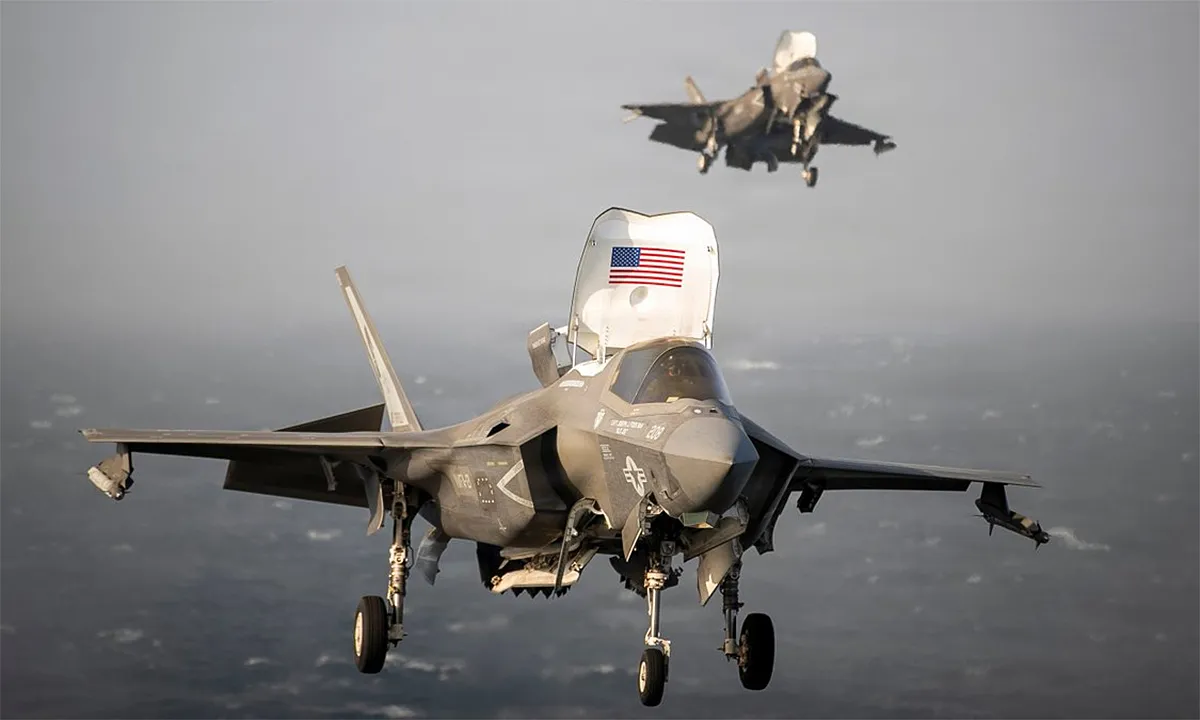 Lầu Năm Góc 'cần thêm 80 tỷ USD' sau chiến dịch nhằm vào Iran
Lầu Năm Góc dường như đã đề nghị các nghị sĩ duyệt chi 80 tỷ USD, cảnh báo nguy cơ cạn ngân sách cho hoạt động vào mùa hè này.
-
 Trump’s Iran deal could place his legacy in the hands of Tehran
He lambasted Jimmy Carter during the 1980 hostage crisis; now Trump’s presidency could be similarly blemished
-
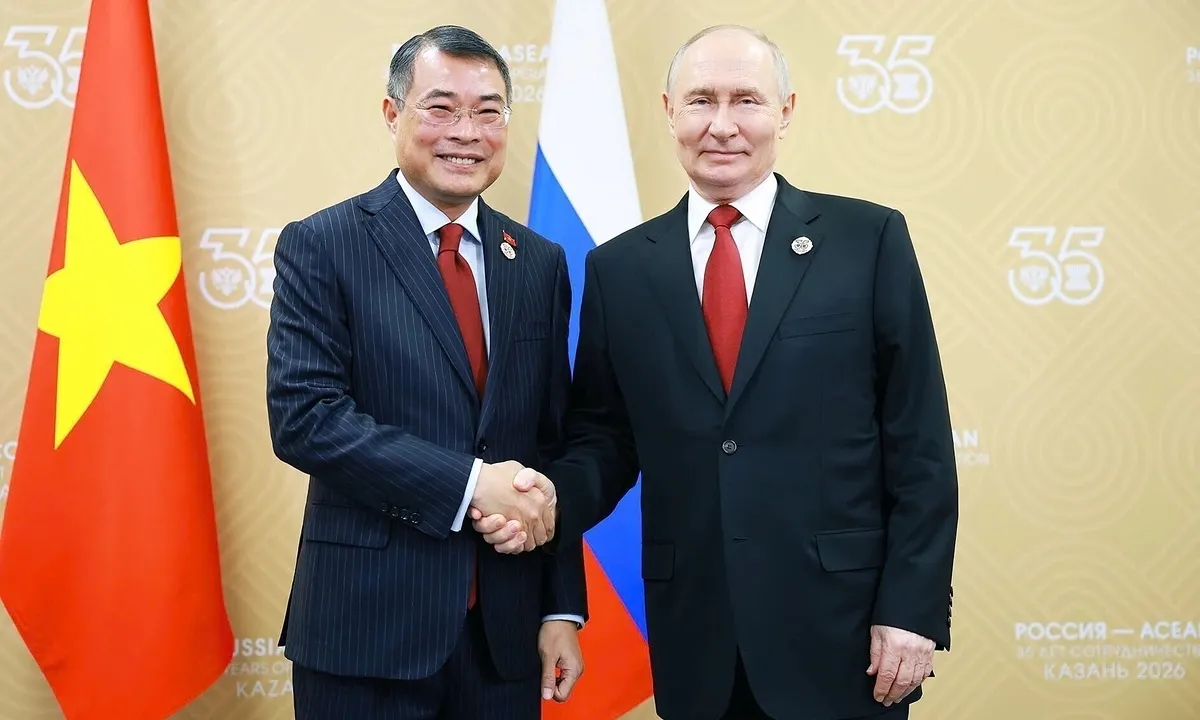 Chuyến thăm của Thủ tướng Lê Minh Hưng giúp nâng tầm quan hệ Việt - Nga
Bộ trưởng Ngoại giao Lê Hoài Trung đánh giá chuyến công tác tại Kazan của Thủ tướng Lê Minh Hưng đã thúc đẩy hợp tác ASEAN - Nga và nâng tầm quan hệ Việt - Nga.


