Oil price falls to lowest level since before the US-Iran war; UK firms hope Burnham will ease burden – business live


By Graeme Wearden • June 25, 2026 • Business
Rolling coverage of the latest economic and financial news
Chancellor Rachel Reeves, who is widely predicted to be replaced if Andy Burnham becomes prime minister, is due to speak at the BCC’s conference today. Several other senior political figures are also due to speak…. as is Andy Haldane, the former Bank of England chief economist who has reportedly been advising Andy Burnham. Here’s the latest agenda: 9.00am Chancellor the Rt Hon Rachel Reeves MP 9.25am BCC Director General, Shevaun Haviland, CBE 10.00am BCC President, Andy Haldane, CBE 11.00am Shadow Chancellor, The Rt Hon Sir Mel Stride MP 12.10pm Leader of the Liberal Democrats, The Rt Hon Sir Ed Davey MP 3.40pm Reform Treasury Spokesperson, The Rt Hon Robert Jenrick MP 4.30pm Green Party Leader, Zack Polanski AM UK firms have been through a torrid decade – first the Brexit vote, then Covid-19, and then the twin energy shocks from the Ukraine and Iranian wars. And with a new prime minister soon to take office, business leaders are hoping they will resist the temptation to pile costs on business. Shevaun Haviland, Director General of the British Chambers of Commerce (BCC) will warn today that the next PM – likely to be Andy Burnham - should try to lift business confidence to achieve higher growth, not stifle it. Haviland will tell the BCC’s Global Annual Conference today that a lack of confidence is hurting the economy, explaining: “Weak confidence reduces appetite for risk, which reduces investment, which hampers growth, which knocks confidence further. “And this circular crisis of confidence is now shackling ambition. Blocking the actions needed to invest, innovate and trade. “And whoever sits in No10, or the Treasury, needs to understand that. “Businesses can only deliver growth, if the environment they operate in gives them the confidence to act. And that is where political leadership can make all the difference.” Good morning, and welcome to our rolling coverage of business, the financial markets and the world economy. Fears that the world could soon face an over-supply of oil have pushed crude prices below their levels before the Iran war. The price of a barrel of Brent crude has fallen as low as $72.24 today, slightly lower than the day before the Iran war began. Oil prices have been sliding since the US and Iran finally began peace talks, bolstering hopes of a lasting agreement to end the conflict and encouraging more oil tankers to pass through the strait of Hormuz. According to CNN last night, vessel traffic in the strait of Hormuz doubled over the previous 24 hours to its highest level since late February, MarineTraffic data shows. Nws that vessels are now transiting the Strait of Hormuz with their satellite signals switched on helped push down the oil price, reports Ipek Ozkardeskaya, senior analyst at Swissquote, adding: A combination of strategic inventory releases, a collapse in demand from top buyer China and a substantial number of tankers quietly leaving the Persian Gulf “dark” had contributed to a small oversupply in some key markets, according to traders interviewed by Bloomberg. The agenda 9am BST onwards: British Chambers of Commerce global annual conference 9am BST: ECB’s Bulletin 1.30pm BST: US PCE inflation index for May
Source: The Guardian
Business Daily
166 posts
-
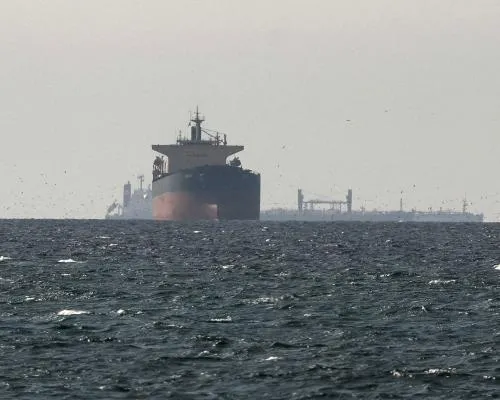 Oil price falls to pre-Iran war levels as more tankers exit strait of Hormuz
Fears of long-lasting energy crunch ‘slinking away’ as vessel traffic doubled in 24 hours to highest level since late February
-
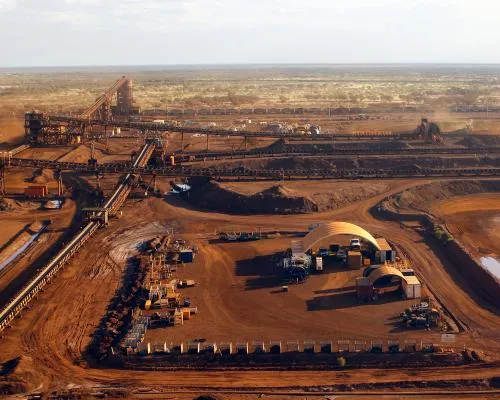 Fortescue class action: female workers claim sexual harassment at remote mine sites
One woman says she found man in her room at WA fly-in, fly-out accommodation while another states she was ‘howled’ at, federal court told
-
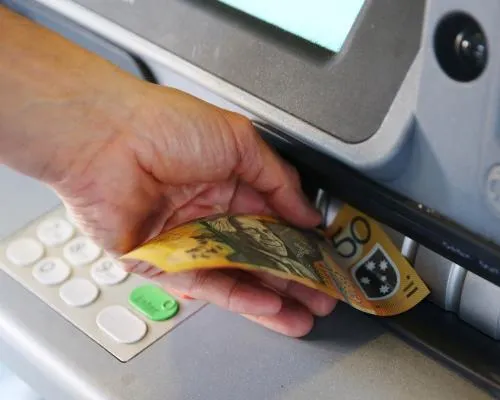 1 July changes: minimum wage rises, payday super, parental leave tweaks and everything else coming for 2026–27
New financial year will also see a tax cut, more anti-price-gouging measures and SMS sender ID changes designed to protect against scam texts
-
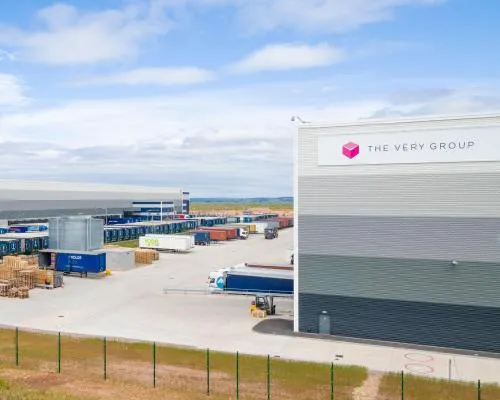 Another FTSE firm is under attack from a US raider. Demand top dollar
The warehouse landlord Segro has a bright future, not least with datacentres, so there’s no reason to roll over
-
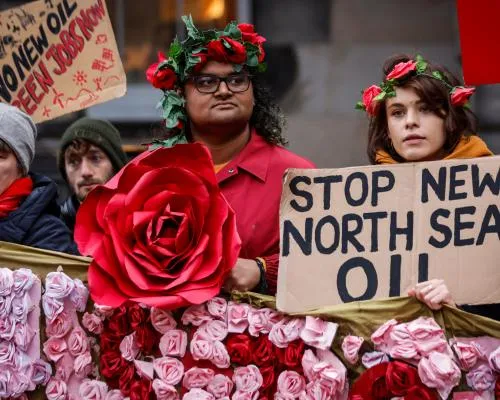 Exploit last North Sea oil and gas or risk mass job losses, Andy Burnham urged
British Chamber of Commerce boss Shevaun Haviland says transition to clean energy could be handled better
-
 Capital gains tax changes are already having an impact on wealth inequality – and vested interests are running scared
Weekend house auction results and the official taxation data reveal the arguments from outraged conservatives are hollow
-
 BT pension scheme lost £300m on Thames Water stake
Loss came after decision to write off 8.7% equity stake in water company moving closer towards nationalisation
-
 Bedford train crash occurred after train passed red signal and was not stopped, investigators believe
Interim report says other train it hit had halted on line because warning system wrongly caused it to brake
-
 UK warehouse landlord Segro rejects £12.6bn takeover offer from US rival
FTSE 100 firm says Prologis all-share proposal turned down as it falls long way short of its own views on value
-
 Heatwave pushes Great Britain’s grid operator to call for extra electricity from power plants
Neso issues rare summer warning for Wednesday evening, as households turn on fans and air conditioning


