Off-Grid Comfort: How Tanzania’s Safari Lodges Thrive Without Leaving a Trace


Tanzania’s wilderness is one of the most breathtaking places on earth—an untouched landscape where wildlife still roams free across ancient migration paths and endless plains. Many travelers today seek experiences that honor this raw beauty without damaging it, which is where Mawe Lodges Tanzania and other eco-conscious safari brands stand out. These off-grid safari lodges prove that comfort, sustainability, and authentic wilderness experiences can exist together in harmony.
What Does “Off-Grid” Really Mean in Tanzania’s Safari Landscape?
“Off-grid” is more than operating without public electricity or city water. In Tanzania, off-grid safari lodges embrace a philosophy rooted in environmental preservation, low-impact operations, and respect for local communities. From the Serengeti to Tarangire and the Ngorongoro highlands, many lodges run entirely on solar energy, use rainwater harvesting systems, and avoid permanent construction to leave minimal trace on the land.
This approach ensures that travelers can enjoy modern comforts—hot showers, beautiful rooms, delicious food—while knowing the environment remains protected.
Solar Power: Lighting the Wilderness Responsibly
One of the most impressive elements of off-grid safari lodges is their use of solar power. Tanzania receives abundant sunshine year-round, making solar energy the most sustainable choice for remote properties.
Lodges like those in the Mawe Lodges portfolio utilize:
Solar panels for electricity
Solar water heaters for warm showers
Battery storage systems to power lights and devices at night
This eliminates the need for noisy generators, preserving the silence that makes the savannah so magical.
Eco-Friendly Architecture Blending With the Land
Tanzania’s best safari lodges avoid heavy construction. Instead, they use natural, locally sourced materials:
Hardwood and reclaimed timber
Canvas tents
Stone from nearby areas
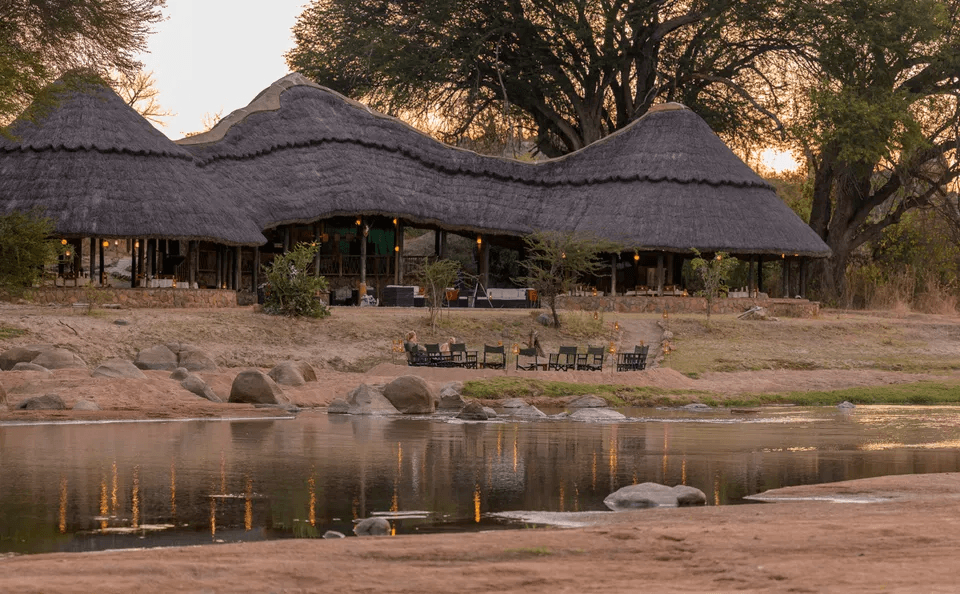
Makuti thatched roofs
The result? Camps that feel like an organic part of the landscape.
At Mawe Lodges’ camps in the Serengeti and Tarangire, tented suites are elevated slightly on platforms to protect delicate soil and vegetation. When a camp eventually moves or is decommissioned, the land can return to its natural state within weeks.
Water Conservation and Waste Management
Fresh water is precious in the bush. Off-grid lodges use systems designed to reduce waste while maintaining guest comfort.
Common strategies include:
Low-flow showers
Eco-friendly flush systems
Biodegradable toiletries
Greywater recycling
Rainwater storage tanks
Mawe Lodges Tanzania also implements internal waste sorting and composting programs to reduce landfill contributions and protect nearby ecosystems.
Sustainable Dining in the Bush
Even the cuisine at Tanzania’s eco-lodges reflects sustainability. Off-grid lodges partner with local farms to source fresh produce and ingredients. Many run their own vegetable gardens, minimizing the environmental footprint of food transport.
Meals are often prepared using:
Fresh, locally grown vegetables
Free-range eggs
Grass-fed meats
Traditional Tanzanian flavors blended with international cuisine
This farm-to-table style not only supports nearby communities but also gives guests a taste of Tanzanian culture.
Protecting Wildlife Through Minimal Impact Practices
The wildlife-rich reserves of Tanzania—Serengeti National Park, Tarangire National Park, and the Ngorongoro Conservation Area—require careful stewardship. Off-grid lodges implement practices to avoid disturbing wildlife:
Avoiding bright nighttime lighting
Using natural colors and materials that blend into the surroundings
Training staff in wildlife-friendly conduct
Limiting vehicle numbers during game drives
Organizations like Mawe Lodges also work directly with wildlife rangers and conservation units to support anti-poaching efforts through community programs and guest awareness.
Supporting Local Communities
Sustainability doesn’t stop at land protection—it includes people. Many lodges in Tanzania hire, train, and empower residents of nearby villages. This reduces unemployment while providing long-term economic benefits.
Mawe Lodges, for example, works with local artisans, guides, and farmers to create a positive ripple effect in the communities surrounding their camps.
Off-Grid Doesn’t Mean Lack of Comfort
Despite being off-grid, Tanzania’s safari lodges offer:
Plush bedding
Private decks
Ensuite bathrooms
Lounge areas
Fine dining
Hot showers
Stunning views
The experience is luxurious yet grounded, merging nature and comfort seamlessly.
Why Off-Grid Matters for the Future of Tanzanian Tourism
With the growing popularity of safaris, sustainable tourism is crucial for preserving Tanzania’s ecosystems. Off-grid lodges show that tourism can thrive while respecting the environment and wildlife.
Conclusion
Eco-friendly safari lodges in Tanzania demonstrate that luxury and sustainability can coexist. Through solar power, minimal-impact design, community support, and deep respect for wildlife, brands like Mawe Lodges Tanzania offer travelers a chance to enjoy the wilderness without leaving a trace. These camps are shaping the future of responsible tourism—proving that thoughtful operations protect the land while creating unforgettable safari experiences.
Aima Samson
22Blog posts
-
 Linh hồn món ăn đường phố Việt trong phim tài liệu Pháp
Trong phim tài liệu của kênh SLICE (Pháp), ẩm thực đường phố Việt Nam hiện lên qua hình ảnh bánh mì, ốc vỉa hè, được ca ngợi là di sản văn hóa độc đáo.
-
 Cặp khách Tây 'chỉ đường' cho người đến du lịch Việt Nam
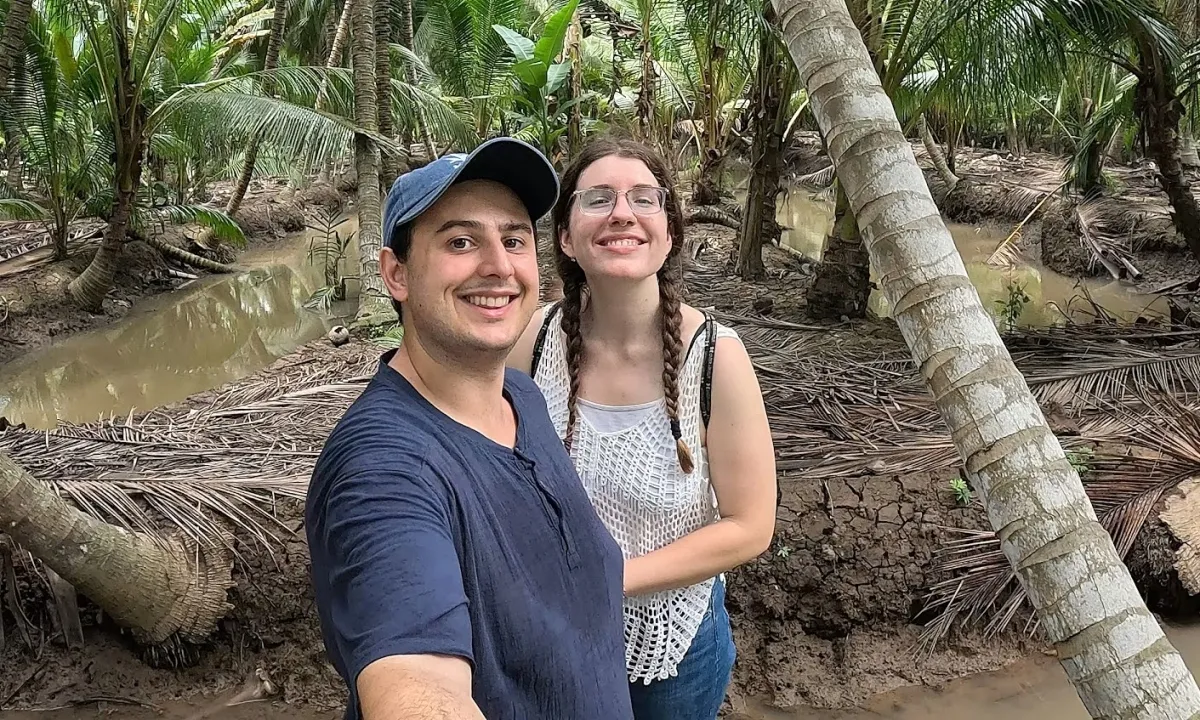
Hai du khách Liam và Sarah đã lập kênh thông tin Two Peas Abroad để trực tiếp hướng dẫn người nước ngoài trải nghiệm du lịch Việt Nam sau hơn ba năm sinh sống như người bản địa.
-
 Cặp khách Tây 'chỉ đường' cho hàng nghìn người đến du lịch Việt Nam
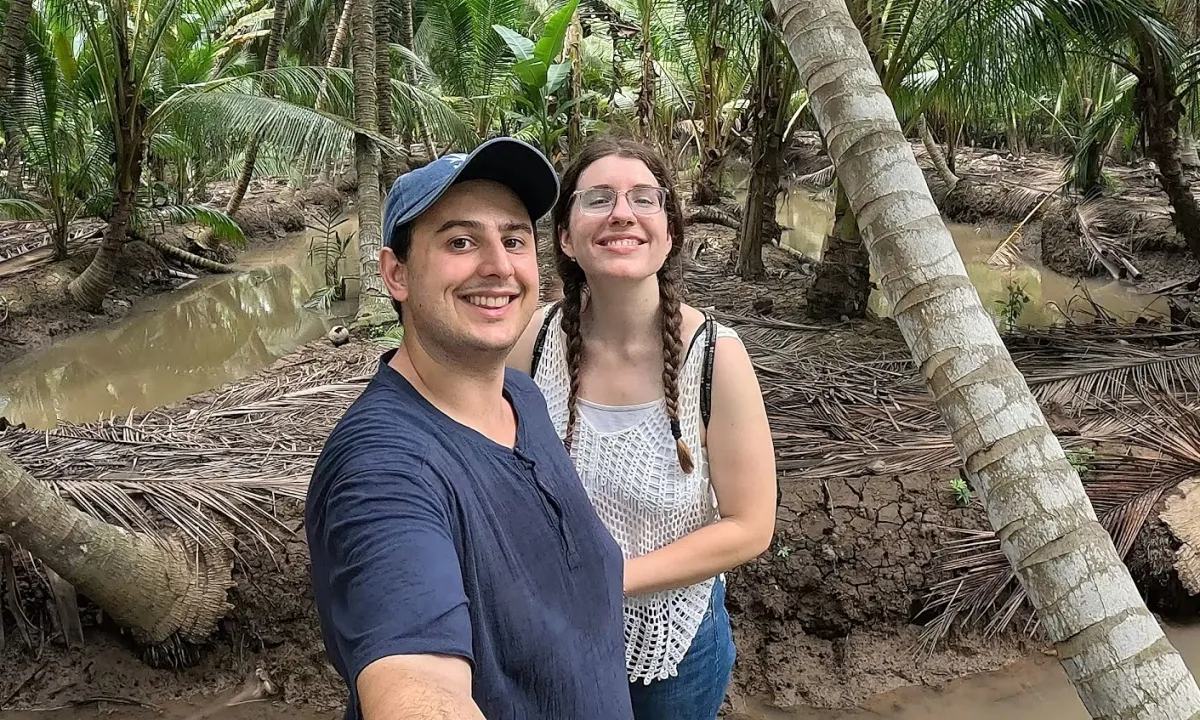
Nhận 8.600 tin nhắn mỗi tuần hỏi kinh nghiệm du lịch Việt Nam, Liam Gordon và Sarah tự viết một bộ công cụ lọc dữ liệu và chia sẻ quy tắc 40:1 để giúp du khách tìm quán ăn ngon như người bản địa.
-
 Cách hang Hùng chứa ngọc động được khai thác du lịch
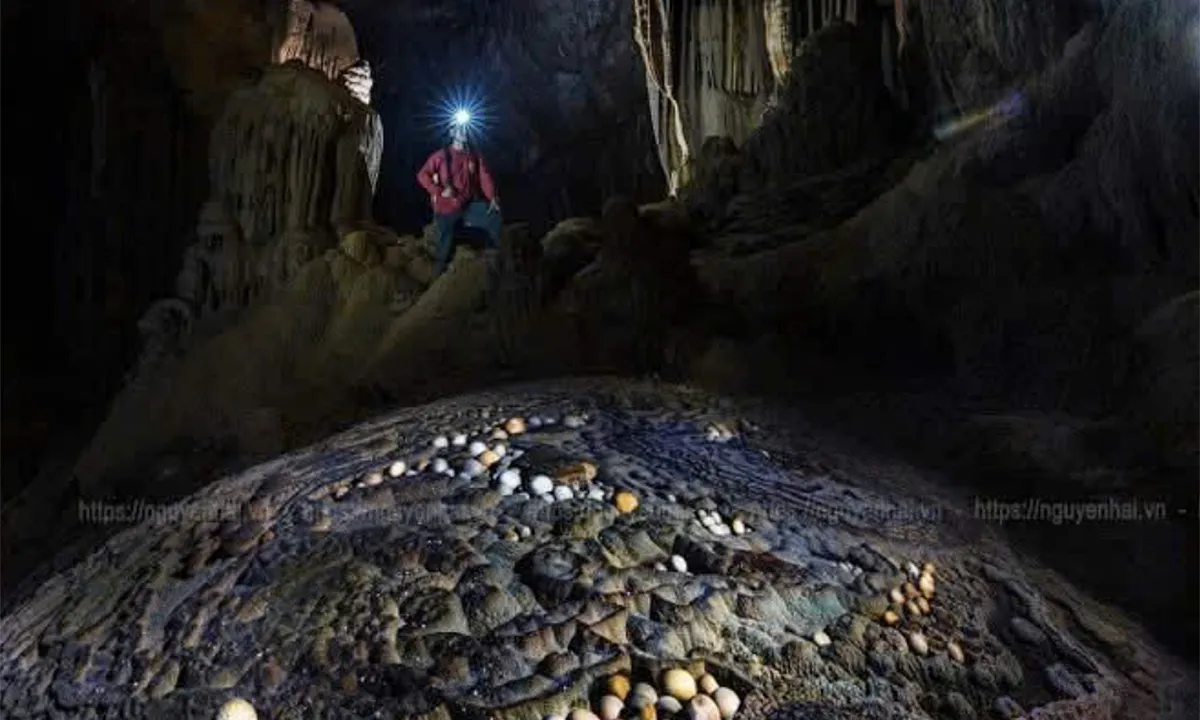
Nằm trong vùng lõi Vườn quốc gia Phong Nha - Kẻ Bàng, hang Hùng thu hút sự chú ý với hàng trăm viên ngọc động, được đưa vào khai thác du lịch mạo hiểm có kiểm soát ba năm qua.
-
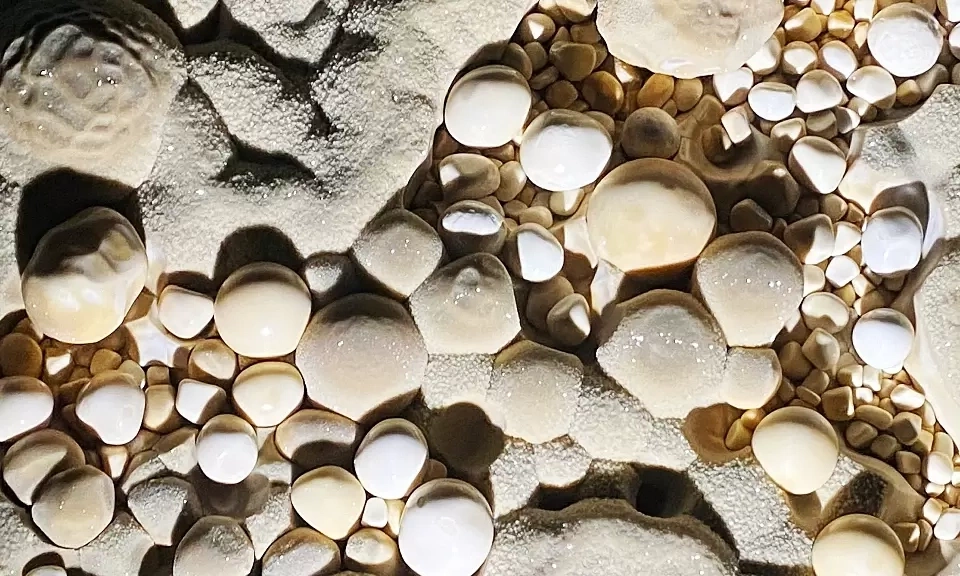 Bên trong hang chứa hàng trăm ngọc động ở Phong Nha – Kẻ Bàng
Hang Hùng thuộc hệ thống hang Hung Thoòng, nằm trong vùng lõi Vườn Quốc gia Phong Nha - Kẻ Bàng, chứa hàng trăm ngọc động và thạch nhũ với nhiều hình dáng, màu sắc.
-
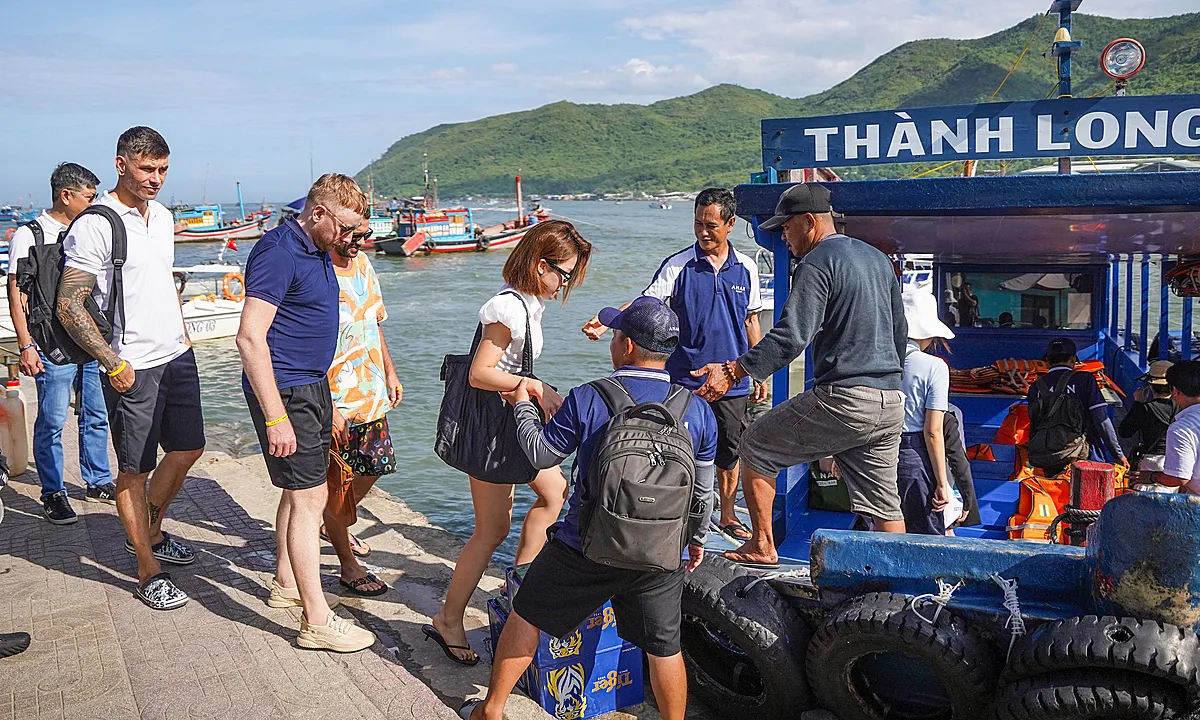 Trả lương tháng 1.100 USD vẫn khó tìm hướng dẫn viên tiếng Nga
Lượng khách Nga đến Khánh Hòa tăng gần 5 lần so với cùng kỳ, nhưng toàn tỉnh chỉ có 83 hướng dẫn viên tiếng Nga khiến nhiều doanh nghiệp chật vật dù trả lương cao.
-
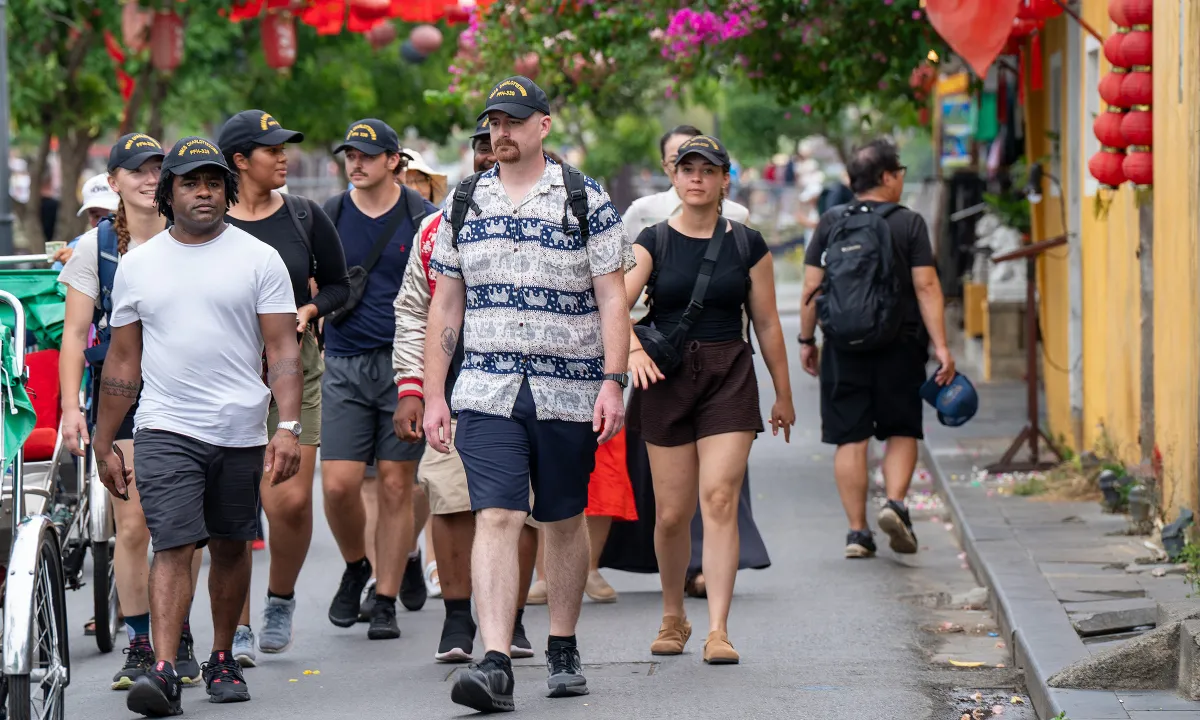 Khách quốc tế đến Việt Nam 5 tháng cao nhất lịch sử
Ngành du lịch đón 10,6 triệu lượt khách quốc tế trong 5 tháng đầu năm, mức cao nhất lịch sử cho giai đoạn này, dù lượng khách tháng 5 có sự chững lại do tính mùa vụ.
-
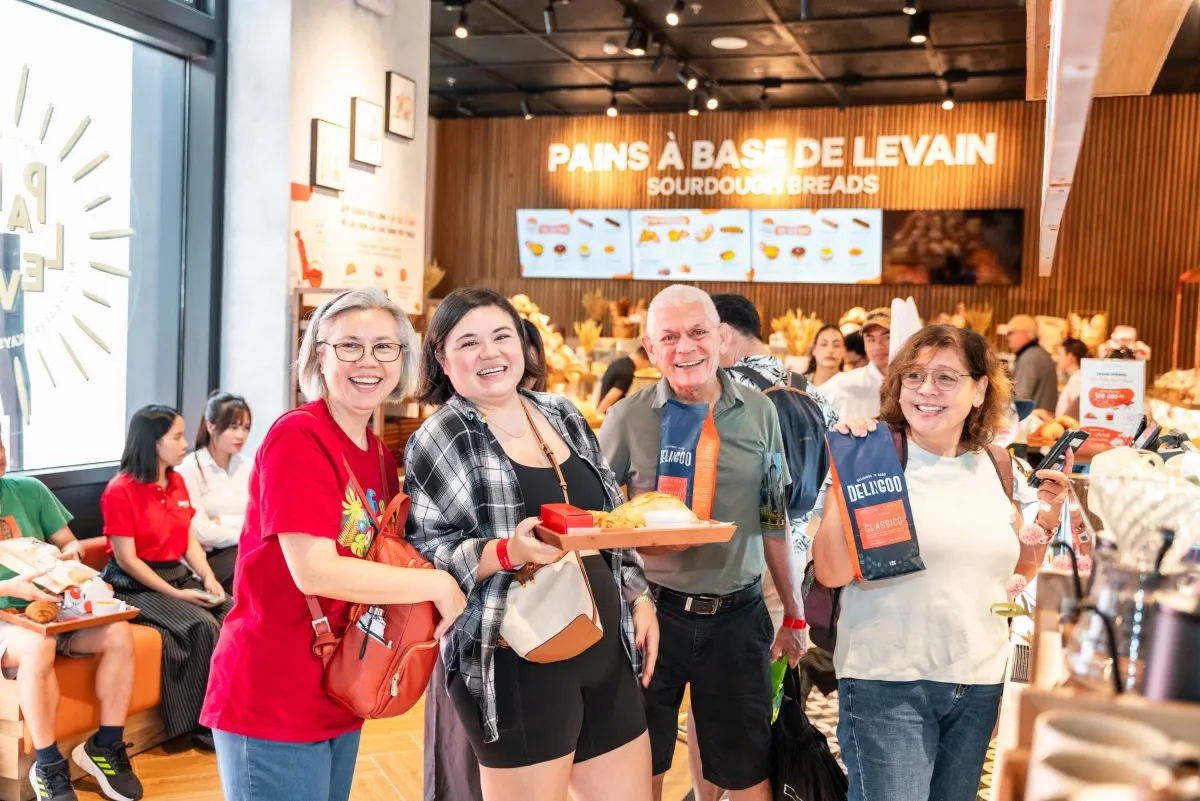 Tiệm bánh danh tiếng Pháp ra mắt trên đỉnh Bà Nà
Tiệm bánh Eric Kayser - thương hiệu lâu đời của Pháp vừa mở cửa đón những vị khách đầu tiên tại khu du lịch Sun World Ba Na Hills.
-
 Dubai đối mặt thách thức lấy lại niềm tin du khách
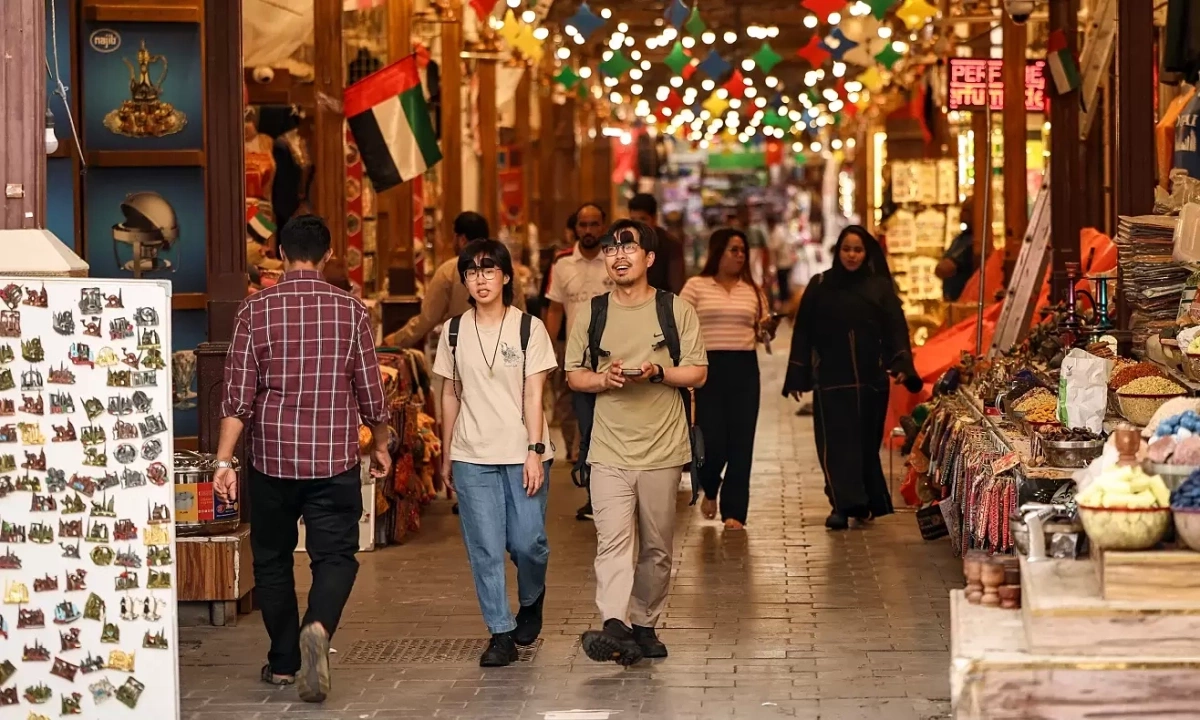
Giao thông Dubai dần nhộn nhịp như cũ, các nhà hàng hút khách đến, nhìn bề ngoài, cuộc sống tại Dubai có vẻ bình thường nhưng niềm tin của du khách chưa thực sự được lấy lại.
-
 Ý nghĩa của ký hiệu 'RR' trên thẻ lên máy bay
Dòng chữ RR trên thẻ lên máy bay báo hiệu hành khách đã bị chọn ngẫu nhiên để kiểm tra an ninh tăng cường, khiến thời gian chờ đợi tại cửa khởi hành lâu hơn.
-
 Vietjet mở đường bay thẳng TP HCM - Cebu
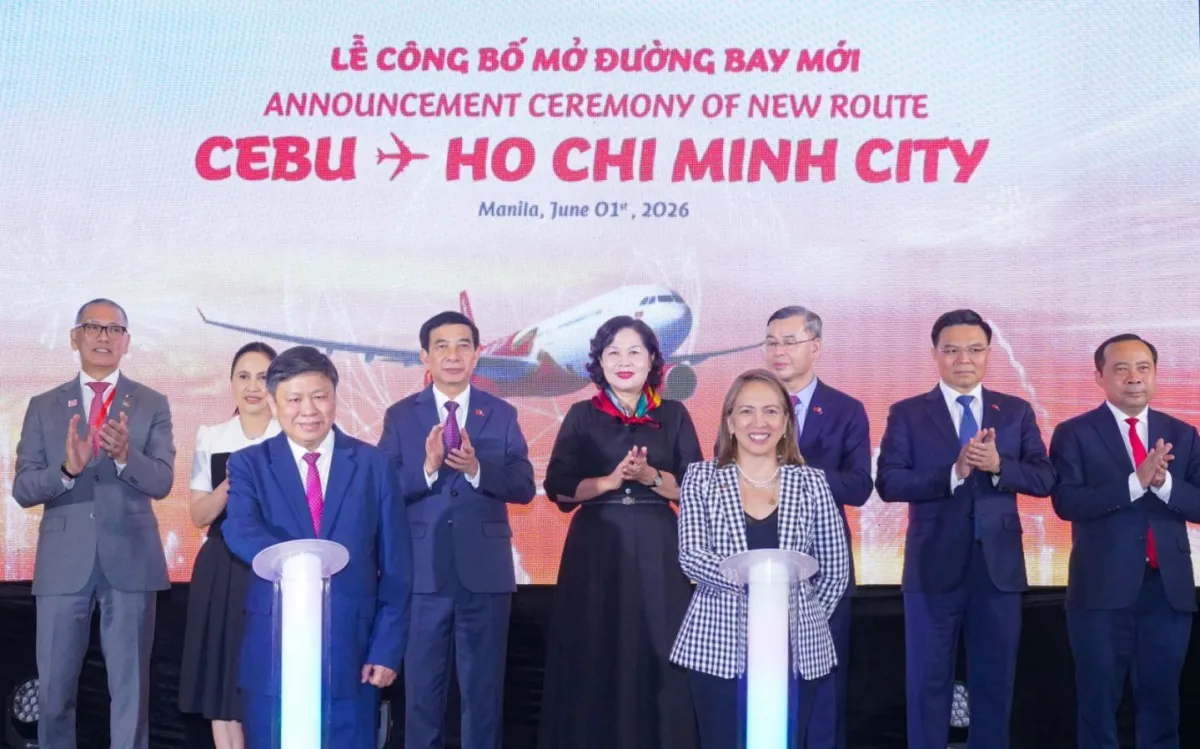
Vietjet mở đường bay TP HCM - Cebu từ ngày 11/12, khai thác 5 chuyến khứ hồi mỗi tuần, là đường bay thẳng thứ 5 từ Việt Nam đến Philippines.


