As renewable energy solutions become more popular, net metering has gained significant attention in Pakistan. This system not only helps homeowners and businesses reduce electricity bills but also promotes sustainable energy practices. Understanding the net meter price in Pakistan is crucial for those considering this eco-friendly investment. This article will guide you through the costs, benefits, and installation process, providing all the essential details.
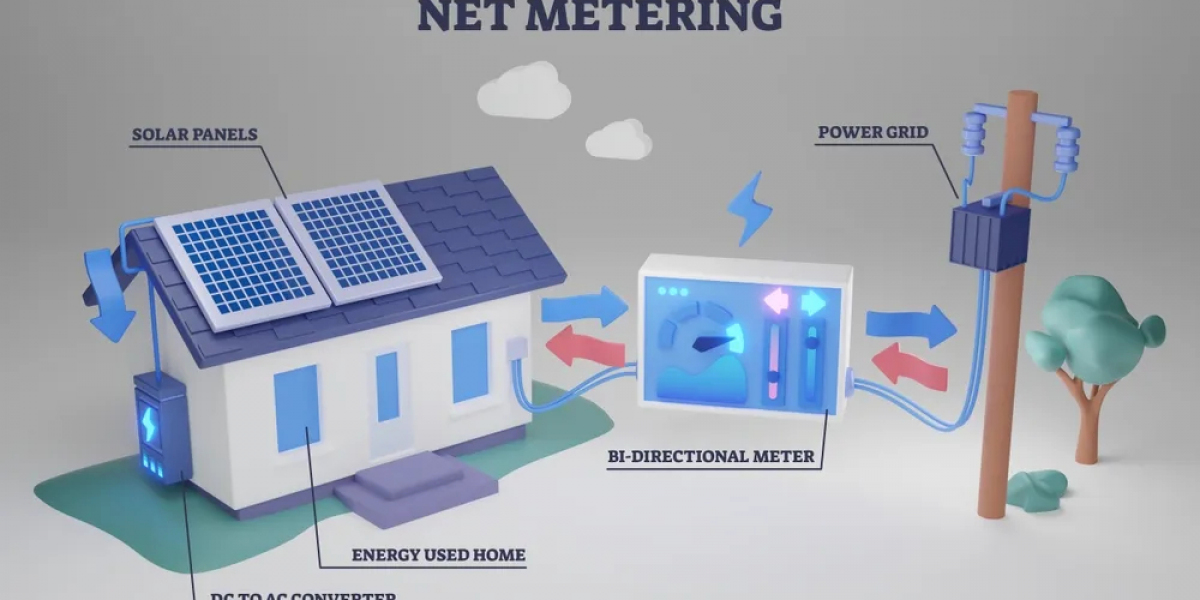
Net metering is a billing system that allows solar energy users to sell surplus electricity back to the grid. When your solar panels produce more energy than you consume, the extra electricity is exported to the utility company. This offsets your energy costs, and you are billed only for the net amount consumed.
For this system to function, a net meter is installed, which tracks both the energy exported and imported. This innovative solution has made solar systems even more appealing in Pakistan.
The cost of a net meter can vary due to several factors. Understanding these can help you estimate the expenses more accurately.
There are single-phase and three-phase net meters. Single-phase meters are more affordable and are suitable for homes with lower energy consumption. Three-phase meters are required for larger setups and are generally more expensive.
The quality and brand of the meter also play a significant role. Reputable brands often come with warranties and better performance, justifying their higher price.
The cost also includes fees for regulatory approvals, licensing, and certification required by the National Electric Power Regulatory Authority (NEPRA) in Pakistan.
The price of a net meter usually doesn’t include installation costs. Hiring professional installers is essential for proper setup and compliance with safety standards.
Net meter prices in Pakistan typically range from PKR 15,000 to PKR 50,000, depending on the type and specifications. For small residential setups, a single-phase net meter may cost around PKR 15,000 to PKR 20,000. Larger commercial or industrial installations may require three-phase meters, which can cost up to PKR 50,000 or more.
While understanding the net meter price is essential, you should also account for the following expenses:
Selecting the right net meter is essential to maximize the benefits of your solar system. Here are some tips:
Evaluate your monthly electricity consumption to determine whether a single-phase or three-phase net meter is appropriate.
Ensure the meter is approved by NEPRA to avoid regulatory issues during the application process.
Invest in a reliable brand with positive reviews to ensure durability and efficiency.
Net metering offers numerous advantages for both individuals and the environment.
The ability to sell excess energy back to the grid significantly lowers your monthly electricity expenses.
By offsetting energy costs, net metering shortens the payback period for solar system installations.
Switching to solar energy and using a net meter reduces reliance on fossil fuels, contributing to a cleaner environment.
With a net metering system, you rely less on traditional energy sources, ensuring stable electricity even during outages.
Installing a net meter involves several steps. Here’s how the process works:
First, install a solar system that meets your energy needs. Ensure all components are compliant with NEPRA regulations.
Submit an application for net metering to your local distribution company (DISCO). The application includes details about your solar setup and the type of net meter required.
After reviewing your application, NEPRA and DISCO will inspect your system. Upon approval, they will issue a certification for net metering.
Once certified, hire a licensed professional to install the net meter. Ensure the installation meets safety and regulatory standards.
After installation, your system will be activated, allowing you to start exporting excess energy to the grid.
While net metering offers numerous benefits, users may face challenges. Understanding these can help you make informed decisions.
The upfront cost of a solar system and net meter can be significant. However, government incentives and financing options can make it more affordable.
The approval process may take time due to regulatory procedures. Staying informed and submitting accurate documentation can expedite the process.
Regular maintenance is essential to keep your solar system and net meter functioning efficiently.
The Pakistani government is actively promoting renewable energy through various initiatives, making net metering more accessible:
With rising energy costs and increasing environmental concerns, net metering is a practical solution for sustainable energy in Pakistan. It not only reduces electricity expenses but also allows homeowners and businesses to contribute to the national grid, ensuring a more reliable energy future.
By understanding the net meter price in Pakistan and the associated benefits, you can make an informed decision about transitioning to solar energy.
DSG Energy is transforming Pakistan’s energy landscape by promoting smarter, more sustainable energy solutions. Specializing in cutting-edge Grid-Tied Solar System installations, the company empowers individuals and businesses to embrace renewable energy while benefiting from net metering. By providing solutions that enhance energy efficiency and reduce reliance on conventional power, DSG Energy makes the shift to clean energy both seamless and cost-effective. Explore how DSG Energy’s expertise can help you optimize your solar investment while taking full advantage of the net meter price in Pakistan for a greener, more reliable energy future.
Investing in net metering is a cost-effective way to reduce electricity bills and support clean energy. With proper planning, installation, and maintenance, the system can provide long-term savings and environmental benefits. Now is the time to embrace this technology for a sustainable future.

adam smith
2 posts


