

In the landscape of Health news India, the National Health Mission (NHM) stands as one of the most impactful public health programs ever launched. Since its inception in 2013—merging the National Rural Health Mission (NRHM) and National Urban Health Mission (NUHM)—the NHM has been the backbone of India’s journey toward universal health coverage. From improving maternal and child health to fighting communicable diseases, the NHM has changed the way India delivers primary healthcare.
However, as the program completes more than a decade, it’s crucial to look beyond the milestones and assess both its achievements and persistent challenges in ensuring quality healthcare for all Indians.
1. A Quick Overview of the National Health Mission
The National Health Mission was launched by the Ministry of Health and Family Welfare (MoHFW) with the vision of providing accessible, affordable, and quality healthcare to India’s rural and urban populations.
The NHM operates through two key sub-missions:
National Rural Health Mission (NRHM) – focusing on strengthening rural healthcare infrastructure.
National Urban Health Mission (NUHM) – targeting urban poor communities and slum areas.
The mission emphasizes decentralized planning, community participation, and integration of health services to make healthcare delivery people-centric and inclusive.
2. Major Achievements of the National Health Mission
a. Strengthening Health Infrastructure
One of the most remarkable achievements under the NHM is the massive expansion of healthcare infrastructure.
Over 1.5 lakh Health & Wellness Centres (HWCs) have been operationalized, bringing primary care closer to communities.
Sub-centres, Primary Health Centres (PHCs), and Community Health Centres (CHCs) have been upgraded with modern facilities, labs, and digital reporting systems.
States like Kerala, Tamil Nadu, and Himachal Pradesh have shown exemplary models in public health management through NHM-supported programs.
These efforts have significantly improved access to basic healthcare in remote and tribal areas.
b. Maternal and Child Health Improvements
The NHM’s focus on reproductive, maternal, newborn, child, and adolescent health (RMNCH+A) has shown encouraging results.
Maternal Mortality Ratio (MMR) dropped from 167 (2011–13) to 97 (2018–20).
Infant Mortality Rate (IMR) reduced from 39 (2014) to 27 (2021).
Institutional deliveries increased substantially due to the Janani Suraksha Yojana (JSY) and Janani Shishu Suraksha Karyakram (JSSK), which provide free maternity and neonatal care.
These programs have improved both survival and quality of maternal care, contributing to better national health indicators.
c. Expanding the Frontline Workforce
The backbone of NHM’s success has been its Accredited Social Health Activists (ASHAs)—over 10 lakh women workers who serve as the first point of contact in villages.
ASHAs have played vital roles in:
Immunization campaigns,
Malaria prevention,
Health education, and
Tracking maternal and child health outcomes.
Their community trust and grassroot reach have made NHM’s initiatives truly people-driven.
d. Disease Control and Immunization
Under NHM, India has made significant progress in disease surveillance and prevention.
Universal Immunization Programme (UIP) now covers 12 vaccine-preventable diseases.
Initiatives like Mission Indradhanush and Intensified Mission Indradhanush (IMI) have improved immunization rates across districts.
The National Vector Borne Disease Control Programme (NVBDCP) has reduced malaria and dengue incidence in several high-burden states.
The NHM also supported pandemic responses, especially during COVID-19, by mobilizing infrastructure and manpower for vaccination and testing drives.
e. Focus on Digital Health
Digitalization has been another key NHM achievement. The Health Management Information System (HMIS) and Integrated Disease Surveillance Programme (IDSP) have improved data-driven decision-making.
Moreover, the NHM complements the Ayushman Bharat Digital Mission (ABDM) to ensure digital health records and teleconsultations reach every citizen, enhancing transparency and accountability.
3. Persistent Challenges Under the NHM
Despite notable achievements, the NHM continues to face several challenges that impact its full potential.
a. Uneven State Performance
While some states have excelled, others lag behind. For instance, Bihar, Uttar Pradesh, and Madhya Pradesh continue to struggle with inadequate infrastructure and human resource shortages. The disparity in healthcare outcomes between northern and southern states remains a critical concern.
b. Human Resource Gaps
Shortages of doctors, nurses, and lab technicians—especially in rural and tribal areas—remain persistent.
Even though ASHA workers have filled part of this gap, they often face low remuneration, lack of training, and inadequate support, limiting their motivation and efficiency.
c. Quality of Care
The focus on quantity—such as the number of health centres—sometimes overshadows quality. Many PHCs lack essential drugs, diagnostic tools, and emergency care equipment.
Ensuring quality assurance mechanisms, periodic audits, and continuous capacity-building is essential for sustainable progress.
d. Financing and Accountability
Health expenditure under NHM is still below 1.2% of GDP, much lower than the global average.
Funds are often delayed, and utilization remains inconsistent across districts.
Enhanced financial transparency, decentralized budgeting, and public-private partnerships can help bridge this gap.
e. Urban Health Neglect
While the NUHM aims to address urban healthcare needs, urban slums still face challenges such as overcrowded facilities, lack of awareness, and limited preventive care services.
Urban health systems require better integration with private and municipal setups for effective implementation.
4. The Way Forward: Strengthening the NHM for Future Health Security
The National Health Mission remains a cornerstone of India’s public health policy, but it must now evolve to meet emerging health threats like non-communicable diseases (NCDs), air pollution-related illnesses, and mental health challenges.
Key Priorities Moving Forward:
Increase Health Budget: Raise public health expenditure to at least 2.5% of GDP to meet national health policy targets.
Empower ASHA Workers: Provide better incentives, digital tools, and structured training.
Integrate Digital Health Platforms: Strengthen telemedicine, electronic health records, and AI-based disease surveillance.
Focus on Preventive Care: Shift from curative to preventive approaches through lifestyle interventions and community awareness.
Strengthen Urban Health Infrastructure: Develop a robust referral network in urban slums with private sector collaboration.
5. Why NHM Matters in Health News India
In the broader context of Health news India, the National Health Mission exemplifies India’s determination to build a resilient, equitable, and inclusive health system.
It connects the dots between policy and people, bridging gaps in healthcare access and outcomes.
Every milestone achieved under NHM—whether in reducing maternal mortality, enhancing immunization, or digitizing health services—reflects a step forward in India’s journey toward “Health for All.”
At the same time, recognizing its challenges helps policymakers, health professionals, and citizens hold the system accountable and drive meaningful reform.
Conclusion
The National Health Mission has transformed India’s health ecosystem over the past decade. It has improved lives, empowered communities, and brought healthcare closer to the underserved. Yet, the mission’s sustainability depends on addressing funding gaps, ensuring quality, and adapting to modern challenges.
As we look ahead, the NHM must not only remain a pillar of Health news India but also evolve into a model for integrated, technology-driven, and equitable healthcare that truly leaves no one behind.

Digital health news Health News
1Blog posts
-
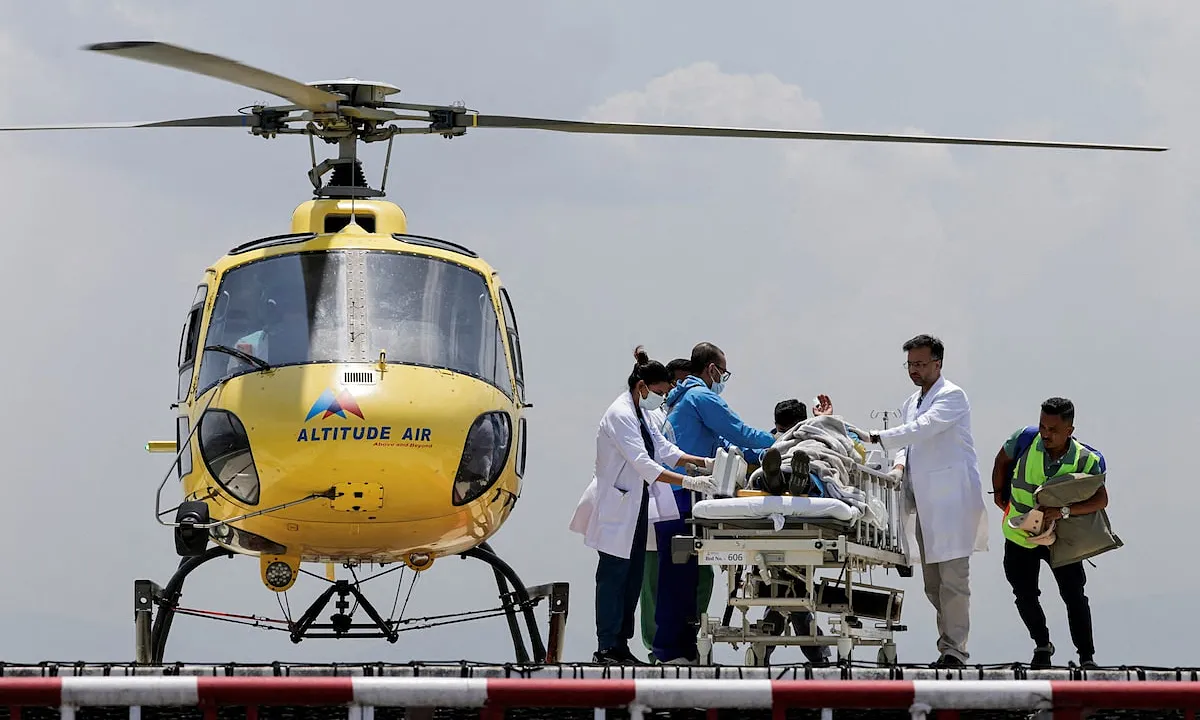 Người đàn ông sống sót gần một tuần trên Everest mà không có oxy phụ trợ
Hướng dẫn viên người Nepal được tìm thấy và giải cứu sau một tuần sống sót trên đỉnh Everest mà không có oxy phụ trợ hay thức ăn.
-
 Liên minh tình báo phương Tây lần đầu phát cảnh báo chung về Trung Quốc
Liên minh Ngũ Nhãn phát cảnh báo chung hiếm hoi về việc điệp viên Trung Quốc sử dụng các nền tảng tuyển dụng trực tuyến để chiêu mộ nguồn tin.
-
 Đội bóng đá nữ Triều Tiên òa khóc khi gặp ông Kim Jong-un
Các cầu thủ CLB bóng đá Triều Tiên Naegohyang, đội vừa vô địch giải nữ châu Á trên đất Hàn Quốc, đã òa khóc khi gặp lãnh đạo Kim Jong-un.
-
 Đề nghị các nước tôn trọng chủ quyền của Việt Nam với Hoàng Sa
Bộ Ngoại giao đề nghị các nước tôn trọng chủ quyền của Việt Nam với Hoàng Sa, khi bình luận về hoạt động của tàu chiến Hà Lan gần quần đảo.
-
 Khu nghỉ dưỡng liên quan con rể ông Trump vấp phải chỉ trích
Dự án khu nghỉ dưỡng ven biển quy mô lớn tại Albania, có liên hệ với gia đình Tổng thống Trump, vấp phải làn sóng phản đối ngày càng lớn.
-
 Máy bay tiếp dầu Mỹ va chạm nhau, rách cánh đuôi
Một chiếc KC-135 Mỹ rách cánh đuôi sau cú va chạm với máy bay cùng loại ở căn cứ tại Anh, khiến cả hai phi cơ phải ngừng hoạt động.
-
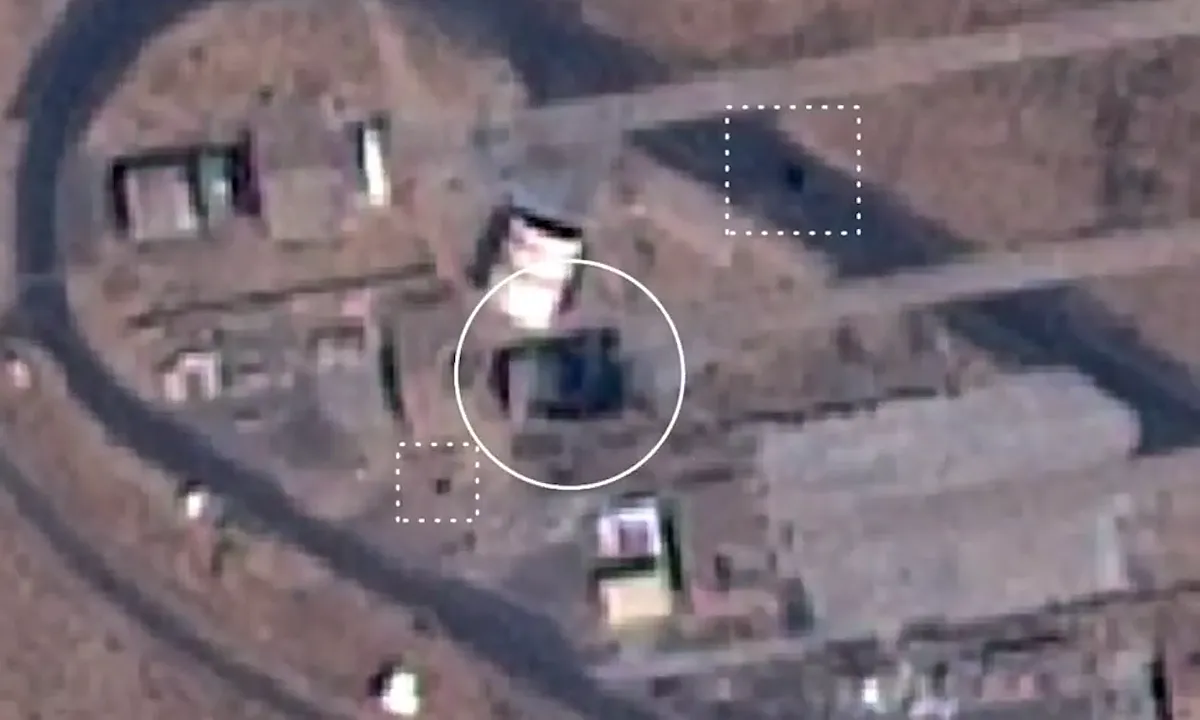 Ảnh vệ tinh căn cứ Mỹ nghi trúng đòn tập kích của Iran
Ảnh mới công bố cho thấy nhà chứa máy bay tại căn cứ đồn trú của Mỹ ở Kuwait đã bị phá hủy sau cuộc tập kích của Iran.
-
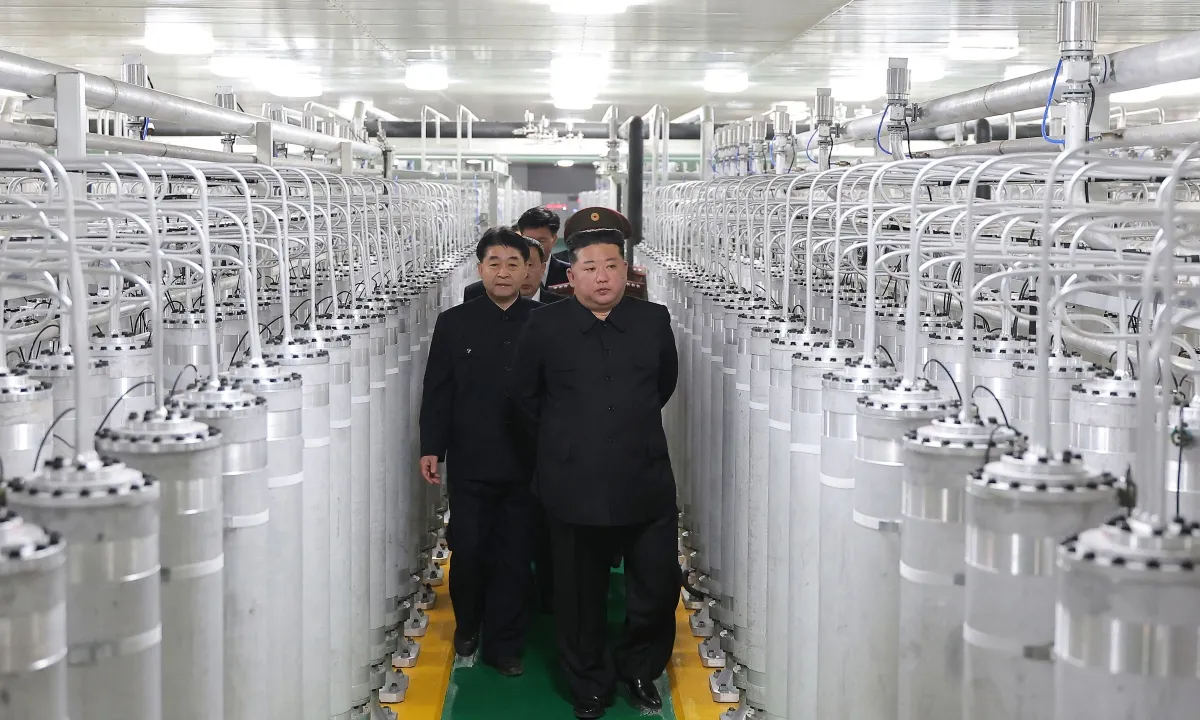 Triều Tiên tuyên bố tăng sức mạnh hạt nhân theo cấp số nhân
Ông Kim Jong-un tuyên bố sẽ tăng cường năng lực hạt nhân quân sự với tốc độ theo cấp số nhân, khi thị sát cơ sở hạt nhân mới.
-
 Kênh đào 10 tỷ USD của Trung Quốc đi vào thử nghiệm
Kênh đào Bình Lục với vốn đầu tư hơn 10 tỷ USD đã hoàn tất việc dẫn nước vào kênh và bước vào giai đoạn vận hành thử nghiệm.
-
 Gấu rượt đuổi, tấn công người tại nhà máy Fukushima
Con gấu đen tấn công, rượt đuổi nhân viên nhà máy thép ở Fukushima, làm 4 người bị thương.
-
 Iran đăng video phóng tên lửa về phía 'tàu khu trục Mỹ'
Iran tuyên bố tập kích tàu khu trục Mỹ tham gia hành động gây hấn trên vịnh Oman, song Washington bác bỏ thông tin.


