By Damian Carrington • June 19, 2026 • Environment
In this week’s newsletter: The melting of the Arctic’s summer sea ice is the most visible upshot of the climate crisis. Refreezing it might be a long shot – but do drastic times call for drastic measures?
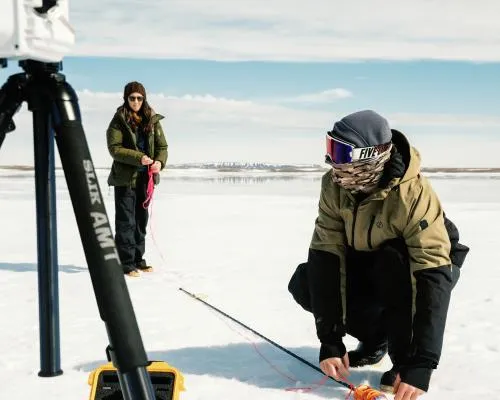
Speeding across rapidly melting Arctic ice on a snowmobile gave me a vivid feel for its beauty and fragility. The brilliant white landscape gleamed ahead, while the sky blue pools of meltwater jetted up on to my boots. When I visited Cambridge Bay in northern Canada at the start of this month, the melt season had hit with brutal speed: temperatures were 5-10C above normal, kickstarting the melting almost overnight. But I was there to report on a bold attempt to do something that might at first sound crazy: refreezing the Arctic sea ice. Find out how it went, after this week’s headlines. Essential reads Why farmers see Colombia’s knife-edge election as a battle for the Amazon’s future Jamaica’s beach access crisis: ‘We shouldn’t be forced to fight for what is already ours’ ‘The Antarctic is the last frontier’: the quest to save Shackleton’s Endurance In focus Global heating has destroyed about 40% of the Arctic’s summer sea ice in the last 45 years. It is perhaps the most visible impact of the climate crisis. Worse, the ice reflects the sun’s heat 10 times better than the dark sea below, so losing it creates a vicious circle of melting and heating. Slashing carbon emissions to zero by ending the burning of fossil fuels is how the climate crisis ends. But it is already here, and getting worse. So some scientists are looking into geoengineering schemes that could, if feasible and safe, act as emergency brakes if society deemed them necessary at some point. In Cambridge Bay, researchers from the Real Ice project braved temperatures of -40C to drill small holes in the sea ice and then pump ocean water up on to its surface. That froze almost immediately and thickened the ice by about 50cm. When I visited, the 450 metre by 450 metre area they worked on was clearly melting more slowly, forming a sparkling white island in a growing sea of blue. That means the island is reflecting more sunlight back to space, slowing the warming. (You can see for yourself in my short Instagram video.) But the Arctic is vast, and millions of sq km of ice have been lost. Another 80,000 sq km of summer sea ice is lost every year. Could any project even make a dent in that? Finding out is the point of the project, funded by a £3.5m grant from the UK government. They have shown they can thicken ice; now, they need to research the longer term impacts both on temperatures and wildlife. The expertise of local Inuit people, who depend on the sea ice for transport and hunting, is crucial – they helped set up the experiment and continue work on it now. Next year, Real Ice researchers will use underwater drones, already tested in prototype off Finland, to make the holes in the ice with a heated probe. Their hope is that this could be scalable, with a rough estimate of $10bn over the longer term to halt the annual shrinking of Arctic sea ice. That’s a lot of money. But for perspective, it is the same as the windfall profits made by the top 100 oil companies in less than a fortnight after the Iran war sent the oil price soaring. A single extreme weather disaster, the 2025 Los Angeles wildfire, which was supercharged by the climate crisis, caused $60bn in damage. Geoengineering is controversial and some polar scientists have strongly criticised the idea of refreezing Arctic sea ice, calling it unfeasible, environmentally dangerous and posing a dangerous distraction to emissions cuts. But the Real Ice project is not the rollout of a huge programme. It’s a research project attempting to answer the key questions, in order to inform decisions about any potential future roll out. With nearly 20 years of reporting from the frontlines of the climate crisis, it’s clear to me that huge climate damage to lives and livelihoods has already arrived and is intensifying fast. Is refreezing the Arctic a long shot? Yes. But, in my view, we’re at the point where we need to explore every option. Read more: • Antarctica’s west coast missing an area of sea ice the size of France as temperatures peak 20C above average • Nordic heatwave part of record year that saw temperatures scorch most of Europe, report finds • What Trump’s plans for the Arctic mean for the global climate crisis | Down to Earth • To read the complete version of this newsletter – subscribe to receive Down to Earth in your inbox every Thursday.
Source: The Guardian

Green News
99 posts
-
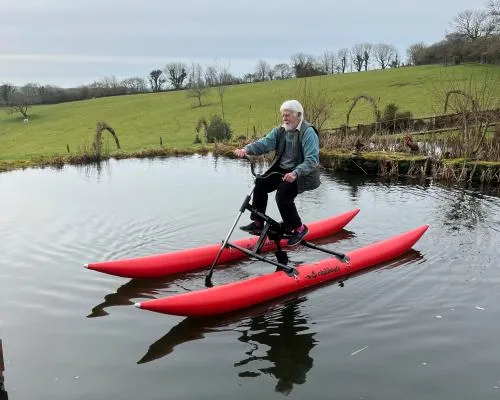 ‘I’m 90 for goodness sake’: rainforest activist to pedal 104 miles down Thames
Veteran campaigner Robin Hanbury-Tenison is raising money for a research station near his home in Cornwall
-
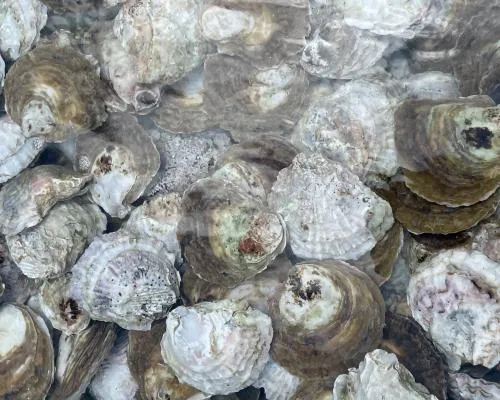 Country diary: These oysters are destined – we hope – for great things
Portsmouth, Hampshire: A huge conservation effort is under way to restore native oysters to the Solent, and I was on hand to help give them a pre-release spa day
-
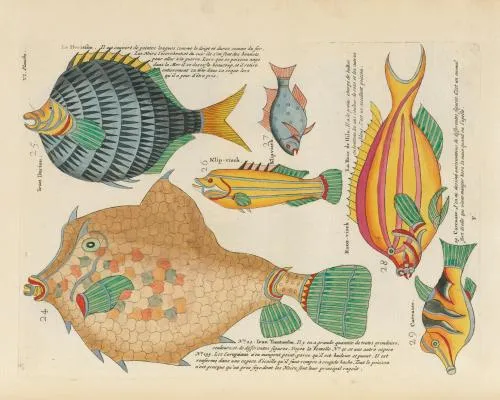 A bonanza for fans of the natural world: the digital library sharing 64m pages of scientific knowledge with everyone
The Biodiversity Heritage Library is an invaluable online archive of historic texts on species living and lost supplied by the world’s leading museums and universities. Now its future is in doubt
-
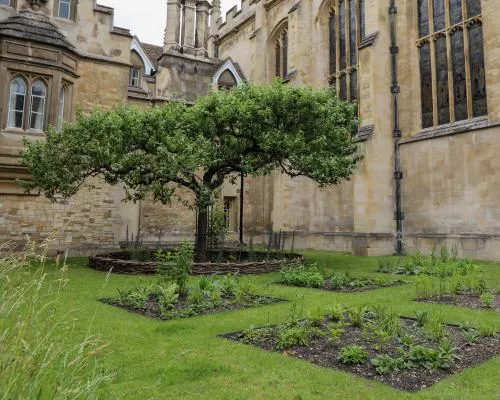 Cambridge experts recreate 336-year-old garden to commemorate ‘father of natural history’
John Ray, 17th-century botanist who coined words petal and pollen, was a tutor at Cambridge when he created his first garden
-
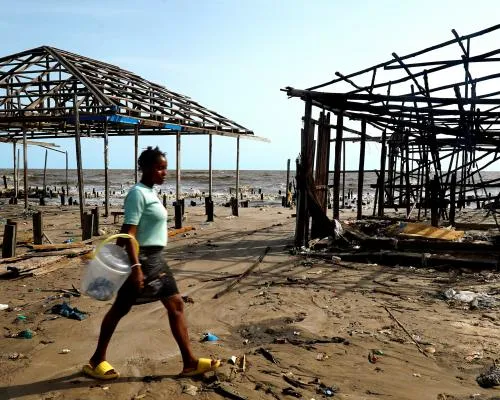 ‘The sea took everything away’: how Nigeria’s ‘Happy City’ is disappearing beneath the waves
More than half of Ayetoro – a Christian utopia founded in the 1940s – has been lost to the ocean, and its remaining people are running out of options
-
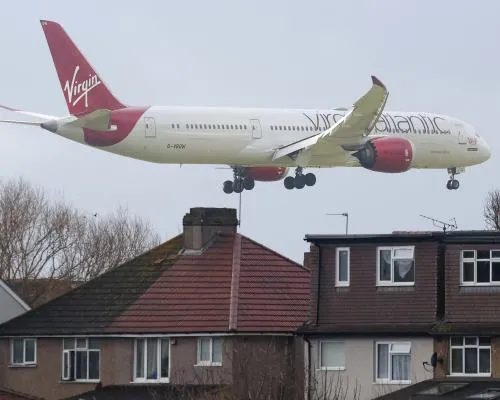 Heathrow third runway likely to affect health of millions nearby, official report warns
Analysis says expansion could also harm access to housing, education, healthcare, open spaces and transport
-
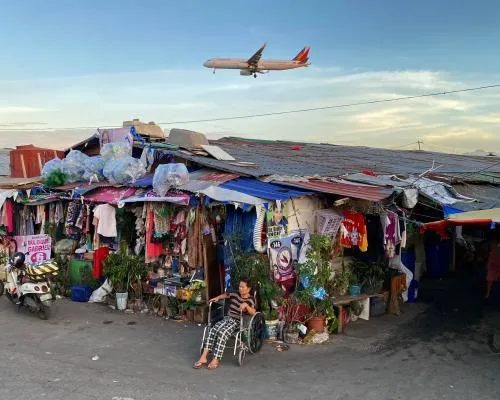 ‘Mega-consumers’ of food and energy cost environment $5.7tn a year, study finds
Top 10% generate climate and biodiversity damage bill that exceeds economies of most countries, say researchers
-
 We would like to hear your memories of the Major oak in Sherwood Forest
Did you visit the famed tree? Did you take photos of it? Please share them with us
-
 Tell us: how do you interact with the UK native wild birds in your local area?
We’d like to hear from people in the UK about how their local bird populations are faring, and what they mean to them
-
 Country diary: Watching the ruffs strut like ludicrous Walter Raleighs
Blackwater Estuary, Essex: Near a vast sweep of flats and creeks, one small pool has become a destination for both me and a parade of shore birds


