In the world of embroidery, you’ll find no shortage of automated online tools that promise to convert your image into a machine file in minutes for just a few dollars. On the surface, it seems like a great deal. But if you’ve ever used one, you know the result is often a gamble—a file that might stitch out, but rarely looks truly professional. This is because these tools focus solely on conversion, a mechanical process of translating pixels. What they completely miss is the digitizing—an artful and technical craft that adds immense hidden value. This is the profound difference you get when you partner with a professional digitizer embroidery service.
Choosing a human-led service is not just paying for a file; it’s investing in strategic thinking, problem-solving, and quality assurance. It’s the difference between having a translator convert a document word-for-word and hiring a seasoned writer to adapt the story for a new audience, preserving its soul, nuance, and impact. A professional digitizer doesn’t just give you something your machine can read; they give you a design that will look exceptional when stitched, saving you money, time, and frustration in the long run.
Automated converters operate on a simple algorithm: detect edges, assign stitches, and generate a path. They are blind to the critical factors that make embroidery succeed or fail. They cannot interpret artistic intent or understand physical constraints.
A computer algorithm doesn't see a delicate, script font; it sees a series of complex shapes and may try to fill them with dense stitches, rendering the text unreadable. It doesn't see a large fill area on a stretchy knit fabric; it just fills the space, inevitably causing the garment to pucker. It doesn't understand that the order of operations is crucial; it creates a chaotic stitch path full of unnecessary jumps and trims that slow production and create a messy backing.
This "conversion trap" leads to the three major costs of cheap digitizing: wasted materials (ruined garments), wasted time (machine troubleshooting and re-dos), and a damaged brand reputation (from unprofessional-looking results).
A professional digitizer embroidery service brings a layer of cognitive skill that software can never replicate. This is where the true value lies.
1. Strategic Problem-Solving and Artistic Interpretation
Your logo was designed for a flat, static medium like paper or a screen. A human digitizer’s first job is to re-imagine it for the dynamic, textured medium of thread and fabric. They act as an interpreter and an engineer simultaneously.
They ask critical questions: How can I simplify this complex gradient without losing the design's essence? This text is too small for satin stitches—should I convert it to a running stitch or suggest a size adjustment? Does this element need to be broken into separate parts for better registration? This proactive problem-solving ensures the final stitched design is not just a copy, but a successful adaptation of your original artwork.
2. The Secret Sauce: Underlay and Stabilization
This is one of the most significant differentiators. Underlay is the foundation of stitches laid down before the top stitches. It stabilizes the fabric, prevents puckering, and helps the top stitches look smooth and raised.
A human digitizer strategically selects the type of underlay (edge run, center run, zig-zag, or grid) and its density based on the specific fabric you’re using. They understand that a design for a stiff cap needs a different foundation than one for a plush towel or a stretchy t-shirt. Automated tools largely ignore this step or apply a one-size-fits-all approach, which is a primary reason for their poor results.
3. Engineering for the Physical World: Pull Compensation
Fabric is not a digital canvas. It moves. Every needle puncture pushes and pulls the material, which can cause shapes to distort—a perfect circle in the file can become an oval on the shirt.
A human digitizer anticipates this physical reality. They use a technique called pull compensation, digitally adjusting the shapes in the file to counteract the fabric’s movement. This foresight ensures your logo stitches out with perfect proportions and that all elements remain in perfect registration, with no gaps or overlaps between colors.
4. Efficiency Engineering for Cost Savings
Time is money, especially in production. A professional digitizer doesn’t just create a file that works; they create a file that works efficiently. They meticulously plan the stitch path and sequence to:
Minimize the number of thread trims.
Group all areas of the same color together.
Reduce long jumps across the design.
This efficient file runs faster on your machine, reducing stitch time and labor costs. It also consumes less thread and puts less wear and tear on your equipment. The savings from a single efficient run can often pay for the digitizing service itself.
When you hire a professional service, you’re not just submitting an order; you’re entering a collaboration. A good digitizer acts as a consultant, asking questions you might not have considered:
“What type of fabric will this be stitched on?”
“What is the final size of the embroidery?”
“What is the purpose of this garment? Does it need to withstand industrial washing?”
This dialogue allows them to tailor the digitizing strategy specifically for your project’s needs. They might suggest slight modifications to the design to make it more embroidery-friendly, ultimately ensuring a better final product. This proactive communication prevents costly mistakes before a single garment is hooped.
It’s easy to see a $8 automated conversion and a $35 professional digitizing job and assume the cheaper option is better for your budget. This is a classic false economy.
Consider the real costs:
The Cost of a Ruined Garment: A single ruined $25 polo shirt immediately negates the "savings" from a cheap file.
The Cost of Production Delays: An inefficient file that takes 30% longer to stitch wastes machine time and labor.
The Cost of Reputation: A puckered, messy logo on your company’s uniforms or customer products silently communicates poor quality.
When you view professional digitizing not as a cost, but as an insurance policy against these far greater expenses, its value becomes crystal clear. You are paying for predictability, quality, and peace of mind.
In the end, the choice between an automated converter and a human digitizer embroidery service is a choice between a transaction and a partnership. It’s the difference between getting a generic, off-the-rack suit and one tailored specifically for you. One technically covers the basics, while the other fits perfectly, looks impeccable, and is built to last.
The hidden value of a professional service is found in the flawless stitch-out, the time saved on production, the fabric that lies perfectly flat, and the brand that is represented with the highest standard of quality. It’s the assurance that your vision will be translated into thread with skill, strategy, and care. So, when you have your next embroidery project, look beyond simple conversion. Invest in the human expertise that transforms a good idea into an exceptional finished product.

Absolute Digitizing
1Blog posts
-
 Why Drew Clothing and Drew House Are Trending with Drew Justin Bieber Fans
Drew House, inspired by the relaxed fashion culture surrounding Justin Drew Bieber, has become one of the most recognized names in modern streetwear. More
-
 Protect London | Protect LDN Clothing | Shop Now
Step into the world of timeless style and bold fashion with Protect London meets sophistication. Known for its premium fabrics, edgy designs.
-
 Poser London || Poser joggers || Official Store Shop Now
Poser London delivers modern streetwear with a bold comfort.Designed for everyday wear, it blends clean style with effortless confidence.
-
 Protect London | Protect LDN Clothing | Shop Now
Step into the world of timeless style and bold fashion with Protect London meets sophistication. Known for its premium fabrics, edgy designs.
-
 Palace | Palace Skateboard | Palace Official Store | Upto 30% OFF
Palace Classic Tri-Ferg Hood: A cornerstone of streetwear. This cotton hoodie features the world-renowned Tri-Ferg logo on the chest and back.
-
What Are the Best Bras for Small Bust Sizes Comfort
Find the best bras for small bust sizes that offer comfort, light support, and a natural shape. Learn how to choose the right styles, fabrics, and fit for everyday wear to feel confident and comfortable all day long.
-
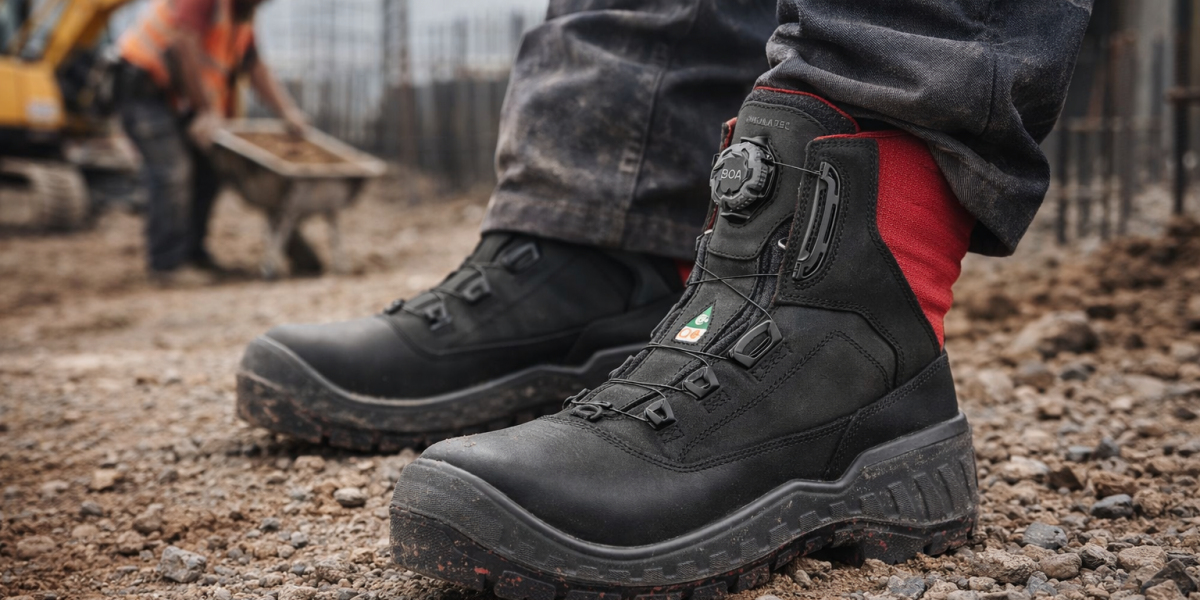 What Are the Best Waterproof Safety Boots to Buy Online in the UK
Choosing the right safety footwear is not just about protection. It directly impacts comfort, productivity and long-term foot health
-
 Detaillierte Analyse der Haltbarkeit von Sex Torso
Die Haltbarkeit von Torsopuppen lässt sich nicht einfach mit „Ja“ oder „Nein“ beantworten; vielmehr kommt es auf die richtige Pflege an. Obwohl sie nicht zerbrechlich sind, vertragen sie keine grobe Behandlung. Sorgfältige Pflege und sorgsame Nutzung sind entscheidend für ihre L
-
 The Essential Guide to Finding a Safe and Productive Girls Hostel in Islamabad
The Essential Guide to Finding a Safe and Productive Girls Hostel in Islamabad
-
 Godrej Sector 63A Gurgaon – Modern Living on Golf Course Extension Road
Godrej Sector 63A Gurgaon price list, floor plans, and premium flats near Golf Course Extension Road. Check latest prices, amenities, and investment benefits.
-
 Terabox APK: A Complete Guide to Cloud Storage on Your Device
Terabox APK: A Complete Guide to Cloud Storage on Your Device