Laser Metal Cleaner: Revolutionizing Industrial Cleaning with Precision, Efficiency, and Safety


The core principle of a laser metal cleaner is the use of high-intensity laser beams to remove contaminants, rust, oxidation, paint, or coatings from metal surfaces. This process leverages the physical properties of laser light, which interacts selectively with unwanted layers while leaving the underlying metal intact. The result is a surface that is thoroughly cleaned and prepared for subsequent processing, coating, or welding operations.
One of the most striking aspects of a laser metal cleaner is its precision. Traditional methods, such as sandblasting, chemical baths, or mechanical scraping, often risk damaging the metal surface or leaving residues behind. By contrast, the focused laser beam can target specific areas with micron-level accuracy, ensuring that only the undesired material is removed. This precision makes laser cleaning particularly valuable for delicate components, intricate machinery, and high-value industrial parts that require careful handling.
The efficiency of laser metal cleaning cannot be overstated. Cleaning metal surfaces with conventional techniques can be time-consuming and labor-intensive. Laser technology allows for continuous operation, enabling high-speed treatment of large surfaces while maintaining consistent quality. In industries where production speed directly affects profitability, integrating a laser metal cleaner into the workflow can result in significant improvements in operational efficiency and throughput.
Another key aspect of laser metal cleaning is its environmental impact. Many traditional cleaning methods rely on chemicals that are hazardous to human health and the environment. Laser cleaning, on the other hand, is a dry process that produces minimal waste and eliminates the need for chemical disposal. Dust and residues created during the process can be managed with proper ventilation systems, further reducing environmental concerns. As industries increasingly adopt sustainable practices, laser metal cleaners offer a forward-looking solution aligned with regulatory standards and ecological responsibility.
In addition to industrial efficiency, laser metal cleaning enhances surface preparation quality. Surfaces treated with lasers are often cleaner and more consistent than those processed with abrasive methods. This quality is crucial in applications such as welding, coating, or painting, where surface imperfections can compromise adhesion, strength, and longevity. Laser cleaning ensures that surfaces are ready for subsequent treatments without additional preparatory steps, saving both time and material costs.
The versatility of a laser metal cleaner extends across multiple materials and industries. From removing rust on steel structures to eliminating coatings on aluminum, copper, or other alloys, the laser can adapt to various surface conditions. It is particularly valuable in situations where traditional methods are impractical, such as confined spaces, intricate components, or sensitive electronic parts. The adaptability of the technology allows it to serve a broad range of industrial sectors, making it a worthwhile investment for companies focused on quality, efficiency, and innovation.
Safety is another critical dimension of laser metal cleaning. While laser systems require trained operators and appropriate protective measures, the elimination of hazardous chemicals and abrasive particles reduces the risk of occupational exposure and long-term health issues. Modern laser cleaners incorporate safety mechanisms such as enclosed workspaces, interlocks, and automated control systems, creating a safer working environment compared to conventional cleaning methods.
The operational control provided by laser metal cleaners is also highly sophisticated. Adjustable parameters, including laser power, pulse frequency, and scanning speed, allow operators to customize the cleaning process for different materials and contaminants. This level of control ensures optimal results and minimizes the risk of surface damage, providing both consistency and flexibility across a range of applications.
Investment in a laser metal cleaner can also be seen as an investment in long-term operational excellence. By reducing the need for consumables, lowering environmental compliance costs, and minimizing downtime associated with surface preparation, companies can achieve substantial operational savings. Furthermore, the precision and quality offered by laser cleaning enhance product performance and durability, contributing to overall customer satisfaction and competitive advantage.
In practical terms, industries such as automotive repair and restoration, aerospace maintenance, heavy machinery refurbishment, and metal fabrication can benefit greatly from integrating laser metal cleaners. Whether preparing components for painting, removing rust from structural elements, or cleaning precision tools, the technology provides a reliable, repeatable, and high-quality solution that meets modern industrial demands.
The adoption of laser metal cleaning is part of a broader trend toward automation and smart manufacturing. Many laser systems can be integrated with robotic arms or CNC machines, allowing for automated and programmable cleaning operations. This integration reduces manual labor, increases throughput, and ensures consistent results across multiple components or production lines. As industries continue to evolve toward Industry 4.0 standards, laser metal cleaners represent a forward-compatible technology that aligns with modern manufacturing practices.
Training and technical support are important factors when implementing laser cleaning systems. Operators need to understand material properties, laser parameters, and safety procedures to achieve the best results. Many manufacturers provide comprehensive training and ongoing support to ensure that organizations can fully utilize the capabilities of their laser metal cleaner while maintaining safe and efficient operation.
Maintenance of laser cleaning equipment is typically straightforward compared to traditional industrial machinery. With fewer moving parts and no reliance on abrasive materials or chemicals, maintenance requirements are generally lower, reducing downtime and operational costs. Routine checks, optical cleaning, and periodic calibration ensure that the system continues to deliver consistent performance over time.
Final Thoughts
The evolution of industrial cleaning has reached a point where precision, speed, and environmental responsibility converge. Laser metal cleaner are not just tools—they are transformative solutions that redefine how industries approach surface preparation. Companies looking to optimize processes, ensure quality, and minimize environmental impact can leverage this technology to achieve measurable improvements and position themselves at the forefront of modern industrial practices.
jack wil
35 posts
-
 Electric Golf Carts Ocala FL – Premium Electric Golf Carts for Sale, Service & Performance
"Carts & Clubs
Address: 4121 S Pine Ave, Ocala, FL 34480, United States
Email: [email protected]
Phone:+13523512278
Carts & Clubs in Ocala, FL offers Yamaha Golf Cars sales, service, and parts. Visit us at 4121 S Pine Ave or call for reliable golf carts -
 Taxi và xe tải lao xuống ruộng sau cú tông trời giáng
Lao tốc độ cao qua ngã tư, chiếc xe taxi tông thẳng vào đuôi xe tải phía trước rồi cả hai rơi xuống ruộng, hôm 19/6 tại Thanh Miện.
-
 Có bị tính vượt đèn đỏ khi chờ ở làn rẽ trái không?
Khi đến ngã tư đèn đang đỏ, nhưng làn chờ rẽ trái vẽ nối tiếp lên phía trước, tôi có được vượt qua vạch. (Tuấn Anh)
-
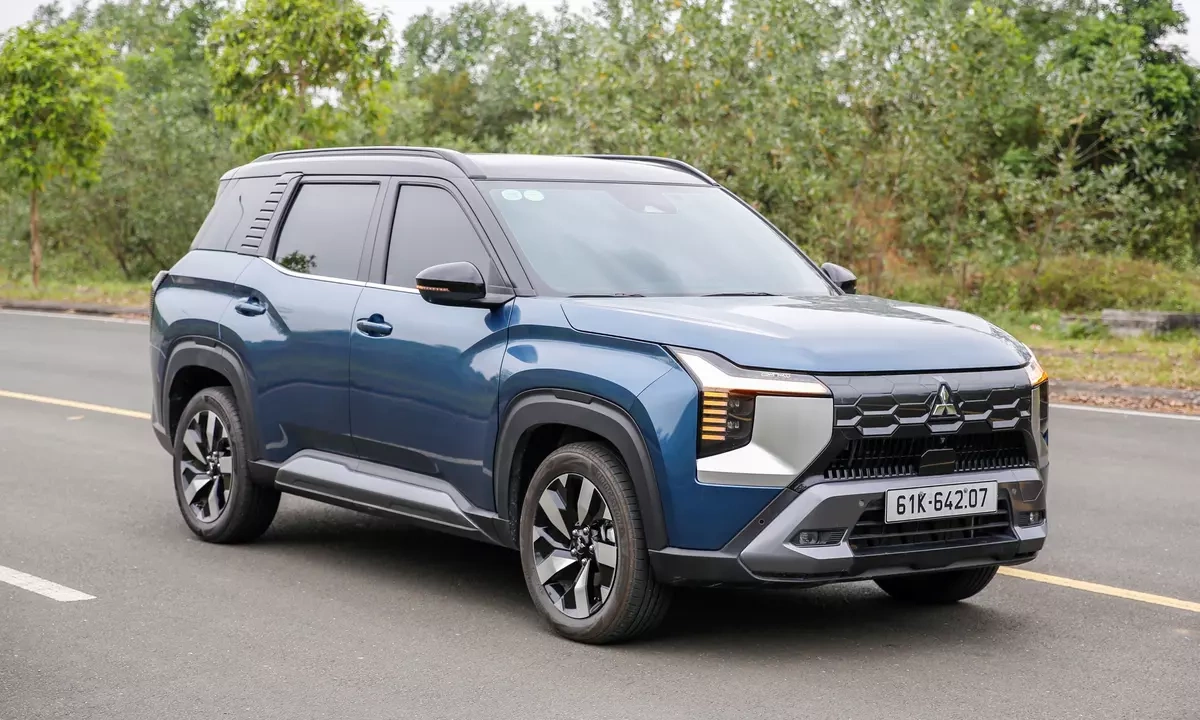 Những lựa chọn ôtô 7 chỗ cho gia đình đông con từ 1/7
Quy định bắt buộc lắp ghế trẻ em từ 1/7 khiến nhiều khách hàng có nhu cầu lựa chọn MPV hay SUV 7 chỗ thay vì xe 5 chỗ.
-
 Sếp Toyota: 'Một mẫu xe có quá nhiều phiên bản'
CEO Kenta Kon cho rằng Toyota đang tạo ra quá nhiều biến thể của cùng một sản phẩm nên một số mẫu có thể bị loại bỏ.
-
 Xe Toyota sẽ cắt giảm số lượng phiên bản
CEO Kenta Kon cho rằng Toyota đang tạo ra quá nhiều biến thể của cùng một sản phẩm nên một số mẫu có thể bị loại bỏ.
-
 Audi triệu hồi e-tron, Q8 e-tron nghi lỏng bàn đạp phanh
Tổng 9 xe nằm trong đợt triệu hồi có thời gian sản xuất từ 2/2/2018 đến 11/6/2024 được nhập khẩu và phân phối chính hãng tại Việt Nam.
-
 Xe con chuyển làn bị xe khách tông: ai sai?
Bật xi-nhan, xe con chuyển sang làn đường sát dải phân cách thì xe khách lao tới.
-
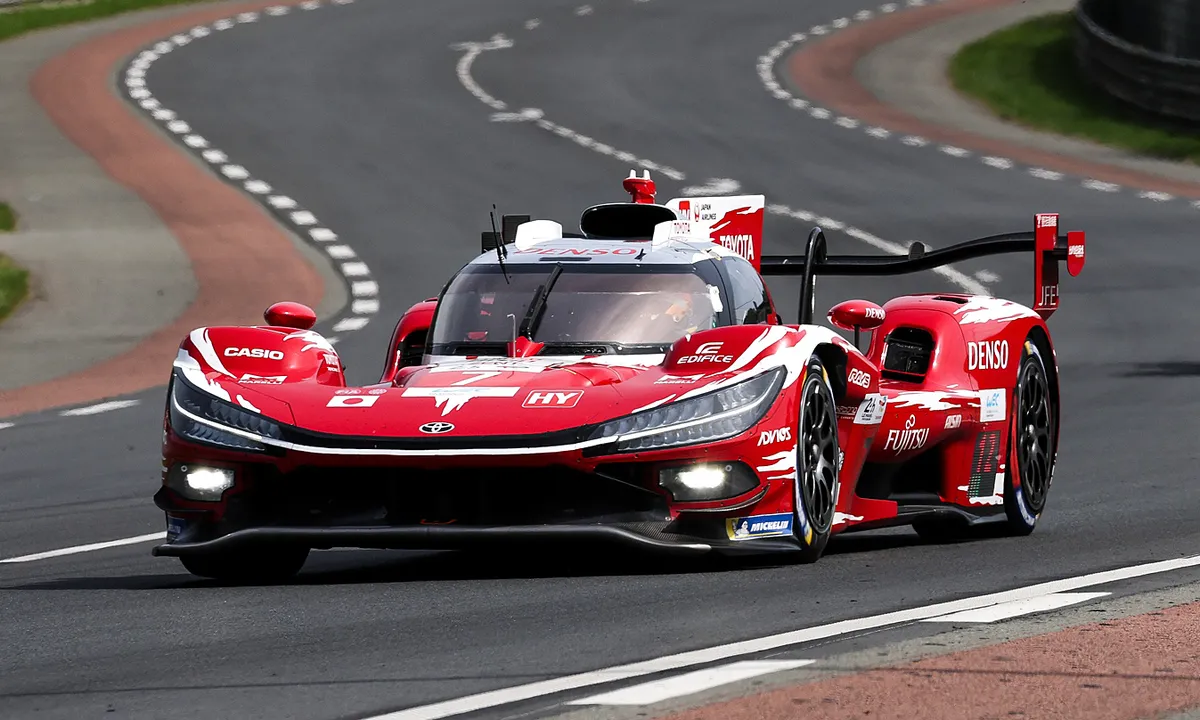 Toyota TR010 Hybrid - tinh hoa công nghệ của hãng xe Nhật
Mẫu xe đua hybrid sử dụng hàng loạt công nghệ vật liệu cùng động cơ hybrid để về đích nhanh nhất nhưng vẫn đảm bảo ổn định sau 24 giờ.
-
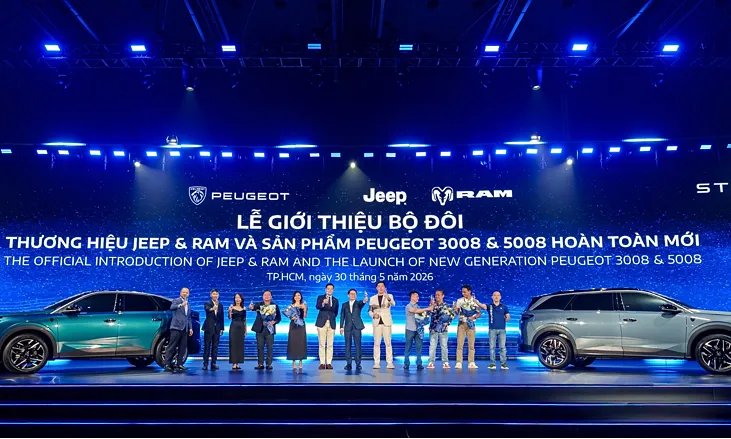 Thaco Auto và Stellantis mở rộng chiến lược đa thương hiệu
Sự kiện giới thiệu bộ đôi thương hiệu Jeep, Ram, hai dòng Peugeot 3008 và 5008 mới, xác lập cột mốc chiến lược trong quan hệ hợp tác Thaco Auto và Stellantis.
-
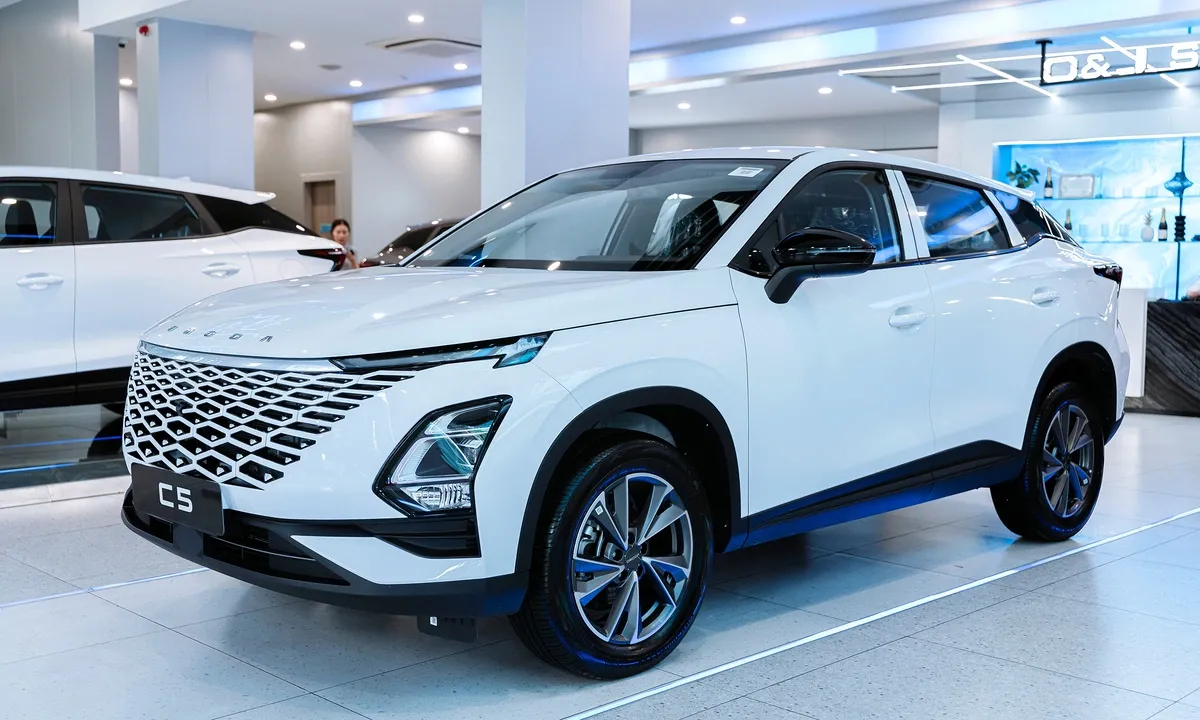 Omoda C5 thêm bản Sport giá 559 triệu đồng
Mẫu xe gầm cao cỡ B bổ sung lựa chọn cho khách hàng Việt, bản Sport mới trang bị nhiều tính năng.


