In today’s fast-paced job market, companies and recruiters are turning to technology to make the hiring process more efficient. One of the most significant developments in recruitment technology is job application automation. Job application automation involves using software tools and systems to handle various stages of the hiring process, from collecting resumes to scheduling interviews. It helps organizations save time, reduce human error, and improve the overall candidate experience.
In this article, we will explore the concept of job application automation, the benefits it offers, key tools used in the process, and tips for successfully implementing automation in your hiring strategy.
Job application automation refers to the use of software and digital tools to automate the repetitive and time-consuming tasks involved in the hiring process. These tasks might include:
Implementing job application automation can offer numerous advantages to companies and HR teams. Here are some key benefits:
Job application automation reduces the time spent on administrative tasks, allowing HR teams to focus on more strategic activities like candidate engagement and decision-making. By automating repetitive tasks, HR professionals can quickly screen resumes, schedule interviews, and process applications without having to do it manually.
Automation helps streamline communication with candidates, ensuring they are updated at every stage of the hiring process. This improves transparency and helps candidates feel more engaged and informed. Automated email responses can confirm receipt of applications and provide details about next steps, reducing uncertainty and frustration.
Many automation tools incorporate artificial intelligence (AI) or machine learning algorithms that help screen candidates based on objective criteria, such as qualifications, skills, and experience. This can reduce the potential for human bias during the initial stages of candidate selection, leading to a more diverse and equitable hiring process.
Automation speeds up various stages of recruitment, from resume screening to interview scheduling. By eliminating manual tasks, companies can move candidates through the process faster, ensuring they don’t lose top talent to competitors who have a quicker hiring process.
By automating parts of the recruitment process, companies can reduce the amount of time spent by HR personnel on administrative duties, thus saving money. Fewer resources are required for manual screening, interview scheduling, and communication with candidates.
Automation tools often come with built-in analytics and reporting features. HR teams can track the effectiveness of different recruitment channels, measure candidate engagement, and analyze the overall hiring process. This data-driven approach helps HR teams make informed decisions about their recruitment strategy.
There are several types of software and platforms that HR teams can use to automate different aspects of the hiring process. Some of the most popular tools include:
An Applicant Tracking System (ATS) is one of the core tools for job application automation. ATS platforms manage the entire recruitment process by allowing HR teams to:
Popular ATS solutions include:
AI-powered resume screening tools use machine learning algorithms to analyze resumes and job applications for keywords, experience, qualifications, and other relevant factors. These tools can quickly identify the most qualified candidates and reduce the need for manual review.
Some popular resume screening tools include:
AI chatbots and virtual assistants are used in job application automation to engage with candidates, answer their questions, and collect basic information. Chatbots can also guide candidates through the application process, helping them upload their resume or complete an application form.
Some popular AI chatbot tools for recruiting include:
Interview scheduling can be a logistical challenge, especially for companies with a large number of applicants. Automated scheduling tools help eliminate the back-and-forth communication by syncing interviewers’ calendars with candidates’ availability and allowing them to book interviews directly.
Popular interview scheduling tools include:
Automating email communication is essential for keeping candidates informed and engaged throughout the hiring process. Automation tools can send personalized messages to candidates, such as application receipt confirmations, interview invitations, and rejection emails.
Popular tools for email automation include:
While job application automation can significantly streamline the hiring process, it’s important to approach implementation thoughtfully. Here are some key tips for successfully integrating automation into your recruitment strategy:
Before choosing any tools, identify your specific goals for automating the hiring process. Are you looking to speed up resume screening? Do you want to improve communication with candidates? By defining your objectives, you can select the right tools to achieve them.
Invest in the right technology that aligns with your recruitment needs. A comprehensive Applicant Tracking System (ATS), combined with resume screening and interview scheduling tools, can provide a complete automation solution. Look for tools that integrate seamlessly with your existing HR systems.
While automation can improve efficiency, it’s important to maintain a personal connection with candidates throughout the hiring process. Use automation to handle administrative tasks but ensure that key stages—like interviews and decision-making—remain human-driven.
For automation to be effective, your HR team must understand how to use the tools and interpret the data. Provide proper training to ensure your team is equipped to use the new technology and can adapt to changes in the recruitment workflow.
Once the automation tools are in place, regularly monitor their performance and gather feedback from both candidates and your HR team. Use the data generated by the tools to optimize your recruitment strategy, fine-tuning the automation process based on what works and what doesn’t.
While job application automation offers numerous benefits, there are also some challenges to consider:
Job application automation is revolutionizing the recruitment process by improving efficiency, reducing human error, and enhancing the overall candidate experience. By using tools like Applicant Tracking Systems (ATS), AI-powered resume screening, chatbots, and automated interview scheduling, HR teams can streamline various stages of recruitment while saving time and money. However, to ensure success, companies must choose the right tools, train their HR teams, and maintain a balance between technology and human involvement.

Job vacancies
2 posts
-
 Top Tips to Rid Your Home of Spring Pests – Number 7 Is the Worst!
Seasons are not a factor for Zealux, the unrelenting innovator in heat pump technology. With Zealux, heat pump wholesalers are guaranteed consistent comfort throughout every season.
-
 10 Eco-Friendly Packing Supplies to Consider for Your Next Move
Indulge yourself in the pure joy of precisely heated waters, making your pool into a relaxing and pleasurable retreat with zealux pool heat pump.
-
 Key Factors Affecting Solar Panel Payback Periods: What You Need to Know
Submerge yourself in warm water provided by a Zealux pool heat pump, enabling the winter's enchantment to enhance your life.
-
 Finding the Right Age and Approach to Teach Your Child Swimming
Submerge yourself in warm water provided by a Zealux pool heat pump, enabling the winter's enchantment to enhance your life.
-
 How to Set Up Your New Home: The Top 17 Must-Have Purchases
With Zealux pool heat pump, the water becomes a realm of endless excitement, where fun knows no limits. Join the Zealux family and let the pool become a playground of treasured memories.
-
 Exploring Zealux's Sustainable Heating Solutions : 365 Days Green Home
Submerge yourself in warm water provided by a Zealux pool heat pump, enabling the winter's enchantment to enhance your life.
-
 13 Pet-friendly Alternatives to Traditional Holiday Decorations
Zealux constantly provides top-notch service for homes as the renowned HVAC expert in the air source heat pump industry. You can rely on Zealux for impeccable comfort, dependability, and competence that enhance your home's ambiance to the highest level.
-
 What Is the Heat Pump Tax Credit for 2024: A Comprehensive Guide
Craft an inviting haven for children effortlessly with Zealux's advanced air source heat pump. As a trusted heat pump manufacturer, Zealux ensures a warm, cozy, and delightful atmosphere where kids flourish and laughter abounds.
-
 What Attracts Centipedes? 10 Tips to Keep Them Away
With the aid of Zealux Heat Pump, you could turn your pool fantasy a reality! Consult Zealux, your trusty heat pump supplier, for turning your pool into a genuine aquatic paradise.
-
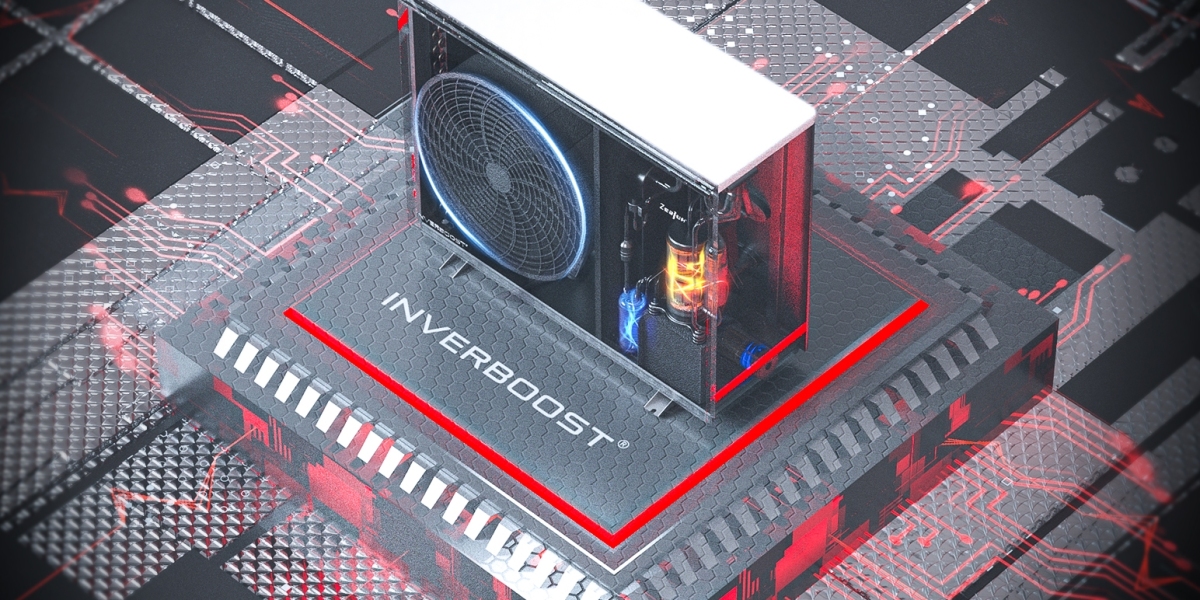
 ZEALUX Unveils Inverboost Technology in Heat Pump at MCE the International Tradeshow
Craft an inviting haven for children effortlessly with Zealux's advanced air source heat pump. As a trusted heat pump manufacturer, Zealux ensures a warm, cozy, and delightful atmosphere where kids flourish and laughter abounds.
-
 What Are the Key Home Warranty Trends to Watch in 2024?
Let yourself to be taken away into your pool's storybook realm, where every plunge is a spectacular experience. Trust Zealux pool heat pump to assist you in creating your own hideaway.


