Is Kling AI Safe for Work? Understanding Its Use Cases and Limitations


Kling AI has quickly become one of the most advanced AI video and image generators available today. Its realistic rendering, smooth animation abilities, and cutting-edge model architecture have attracted creators, marketers, and developers from around the world. But with the rise of powerful generation tools also comes a growing concern: AI safety and NSFW restrictions. Users want to know how safe Kling AI truly is, what limitations it imposes, and how those rules affect real-world use cases.
This article breaks down Kling AI’s safety systems, NSFW policies, approved use cases, and the limitations users should understand before adopting the tool.
Why AI Safety Matters More Than Ever
As AI generation capabilities grow, so do potential risks. These risks include:
The creation of deepfake adult content
Harassment using fabricated images
Manipulated videos involving real people
Distribution of illegal imagery
Ethical misuse of personal likenesses
Because these dangers are very real, platforms like Kling AI must enforce strong AI safety and NSFW restrictions to prevent harmful content from being created or circulated.
Kling AI’s policies are designed not only to protect users but also to comply with global laws and maintain ethical boundaries within the rapidly evolving world of AI content creation.
Does Kling AI Allow NSFW Content?
No — Kling AI does not allow NSFW, erotic, pornographic, or sexually suggestive content of any kind. This includes:
Nudity
Sexual activities
Explicit body parts
Is Kling AI Safe for Work? Understanding Its Use Cases and Limitations Fetish content
Suggestive posing intended to arouse
Deepfake adult imagery involving real people
Minor-involved content (strictly prohibited)
Its detectors go beyond simple keyword recognition. Kling AI uses:
Visual classifiers
Facial/skin detection
Pose estimation
Semantic understanding of prompts
Context analysis
This means even subtle attempts to generate adult content are blocked.
Why Kling AI Enforces Strict NSFW Restrictions
1. Legal Compliance Across Regions
Laws related to explicit content differ across countries, but some elements—such as nonconsensual deepfakes or sexualized minors—are universally illegal. Kling AI avoids legal risk by fully banning NSFW content across all regions.
2. Ethical Responsibility
Kling AI positions itself as a responsible platform. Allowing explicit content could contribute to:
Online harassment
Revenge porn
Exploitative deepfakes
Invasion of personal privacy
Ethical guidelines require generative AI systems to proactively limit harmful applications.
3. Brand and Platform Safety
Partnerships, enterprise adoption, and public trust depend on maintaining a safe environment. Allowing NSFW content could damage Kling AI’s reputation and prevent mainstream adoption.
4. Preventing Model Abuse
Open or partially unrestricted models often face misuse. Kling AI intentionally positions itself as a safe, professional-grade tool for general audiences.
Approved Use Cases for Kling AI
Despite its strict content rules, Kling AI offers a wide range of safe-for-work applications. These include:
1. Marketing and Advertising
Kling AI can produce realistic product videos, promo materials, and brand storytelling visuals—all without crossing NSFW boundaries.
2. Film and Animation Previsualization
Creators use Kling AI to generate concept scenes, motion studies, and artistic references.
3. Social Media Content
Short clips, visual narratives, and stylized animations are commonly generated for platforms like TikTok, Instagram, and YouTube.
4. Educational and Training Material
Kling AI is suitable for demonstrations, explainers, and scenario visualization that adhere to professional standards.
5. Creative Storytelling
Fantasy scenes, fictional characters, landscapes, environments, and dramatic cinematic visuals are all within acceptable boundaries as long as they remain non-sexual.
6. Corporate Use
Teams use Kling AI for internal training videos, presentations, product simulations, and more.
In short, Kling AI is highly versatile—but always within safe and ethical parameters.
What Kling AI Does Not Allow
To maintain compliance with AI safety and NSFW restrictions, Kling AI blocks:
Sexualized imagery
Bare skin beyond safe limits
Lingerie or erotic clothing
Explicit role-play prompts
Seductive posing designed for adult content
Adult-themed narratives
Sexual metaphors or coded language
Even if users attempt to disguise sexual content using synonyms or creative phrasing, Kling AI’s systems are built to detect intent, not just keywords.
Limitations Users Should Know About
While Kling AI is powerful, users should understand the following limitations:
1. No NSFW Output of Any Kind
If your project involves adult art, erotic animation, or mature themes, Kling AI is not the right platform.
2. Restricted Realistic Body Rendering
Because NSFW content is blocked, Kling AI may reject prompts involving low clothing, detailed anatomy, or intimate scenarios even when presented artistically.
3. Sensitive Situations May Be Flagged
Certain contexts—medical, bathing, romance-heavy scenes—may trigger safety filters depending on the level of skin exposure or body position.
4. No Deepfakes of Real People
Even non-sexual deepfakes of celebrities may be restricted depending on the scenario.
Is Kling AI Truly “Safe for Work”?
Yes — Kling AI is built from the ground up to be a fully safe-for-work AI tool. Its robust filtering systems ensure that no explicit content slips through, making it suitable for professional environments, corporate usage, and educational projects.
However, the same restrictions that make the platform safe also limit artistic freedom for users who work in adult or mature themes.
Conclusion
Kling AI is one of the safest AI generation tools available, thanks to its strict commitment to AI safety and NSFW restrictions. It is designed for mainstream, professional, and creative applications—but not for adult content. While this may limit certain use cases, it ensures the platform remains ethical, lawful, and secure for all users.
Techtainment Now
1 posts
-
 Electric Golf Carts Ocala FL – Premium Electric Golf Carts for Sale, Service & Performance
"Carts & Clubs
Address: 4121 S Pine Ave, Ocala, FL 34480, United States
Email: [email protected]
Phone:+13523512278
Carts & Clubs in Ocala, FL offers Yamaha Golf Cars sales, service, and parts. Visit us at 4121 S Pine Ave or call for reliable golf carts -
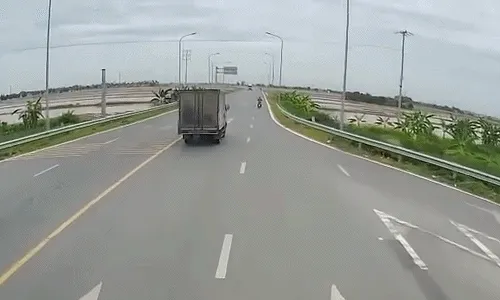 Taxi và xe tải lao xuống ruộng sau cú tông trời giáng
Lao tốc độ cao qua ngã tư, chiếc xe taxi tông thẳng vào đuôi xe tải phía trước rồi cả hai rơi xuống ruộng, hôm 19/6 tại Thanh Miện.
-
 Có bị tính vượt đèn đỏ khi chờ ở làn rẽ trái không?
Khi đến ngã tư đèn đang đỏ, nhưng làn chờ rẽ trái vẽ nối tiếp lên phía trước, tôi có được vượt qua vạch. (Tuấn Anh)
-
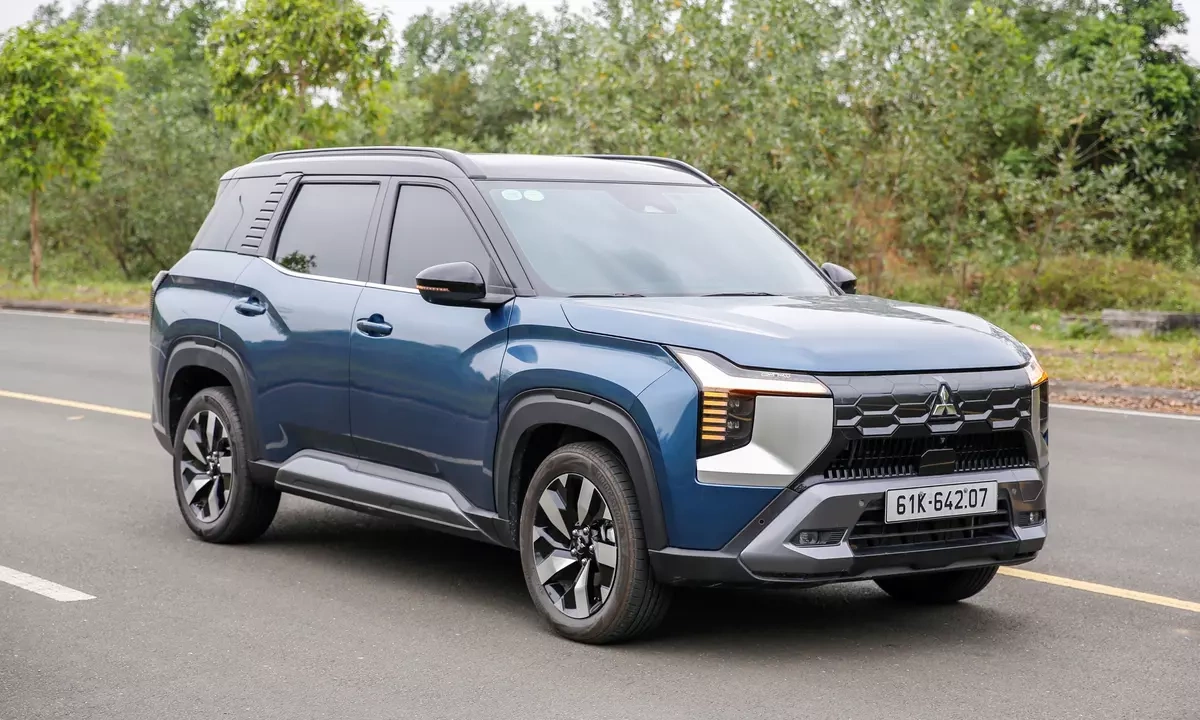 Những lựa chọn ôtô 7 chỗ cho gia đình đông con từ 1/7
Quy định bắt buộc lắp ghế trẻ em từ 1/7 khiến nhiều khách hàng có nhu cầu lựa chọn MPV hay SUV 7 chỗ thay vì xe 5 chỗ.
-
 Sếp Toyota: 'Một mẫu xe có quá nhiều phiên bản'
CEO Kenta Kon cho rằng Toyota đang tạo ra quá nhiều biến thể của cùng một sản phẩm nên một số mẫu có thể bị loại bỏ.
-
 Xe Toyota sẽ cắt giảm số lượng phiên bản
CEO Kenta Kon cho rằng Toyota đang tạo ra quá nhiều biến thể của cùng một sản phẩm nên một số mẫu có thể bị loại bỏ.
-
 Audi triệu hồi e-tron, Q8 e-tron nghi lỏng bàn đạp phanh
Tổng 9 xe nằm trong đợt triệu hồi có thời gian sản xuất từ 2/2/2018 đến 11/6/2024 được nhập khẩu và phân phối chính hãng tại Việt Nam.
-
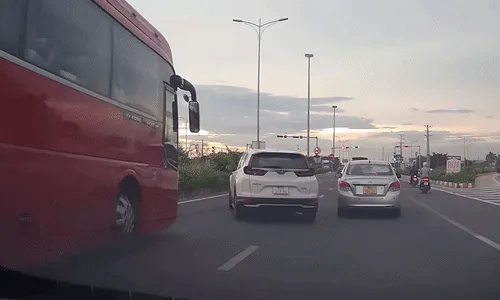 Xe con chuyển làn bị xe khách tông: ai sai?
Bật xi-nhan, xe con chuyển sang làn đường sát dải phân cách thì xe khách lao tới.
-
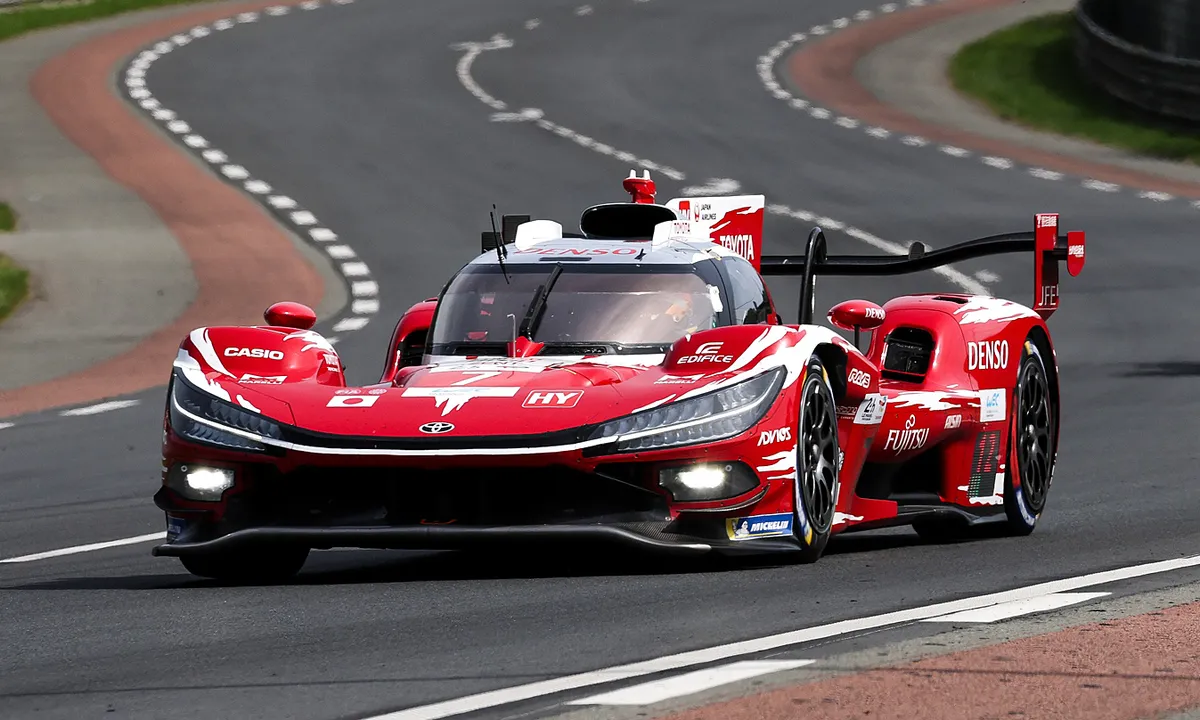 Toyota TR010 Hybrid - tinh hoa công nghệ của hãng xe Nhật
Mẫu xe đua hybrid sử dụng hàng loạt công nghệ vật liệu cùng động cơ hybrid để về đích nhanh nhất nhưng vẫn đảm bảo ổn định sau 24 giờ.
-
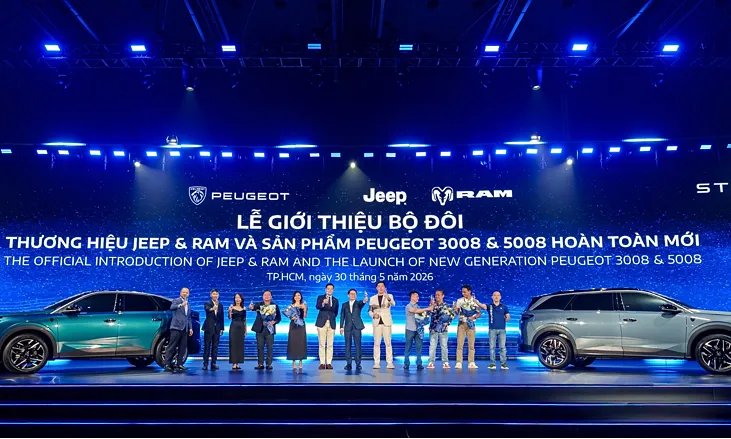 Thaco Auto và Stellantis mở rộng chiến lược đa thương hiệu
Sự kiện giới thiệu bộ đôi thương hiệu Jeep, Ram, hai dòng Peugeot 3008 và 5008 mới, xác lập cột mốc chiến lược trong quan hệ hợp tác Thaco Auto và Stellantis.
-
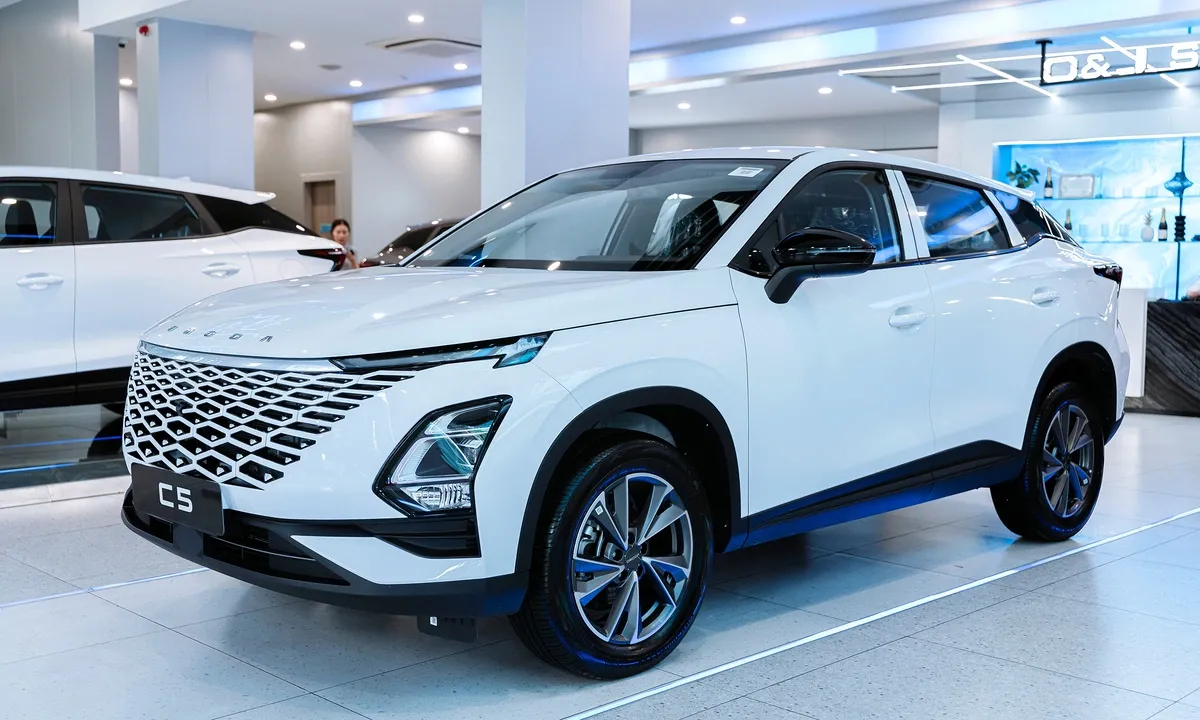 Omoda C5 thêm bản Sport giá 559 triệu đồng
Mẫu xe gầm cao cỡ B bổ sung lựa chọn cho khách hàng Việt, bản Sport mới trang bị nhiều tính năng.


