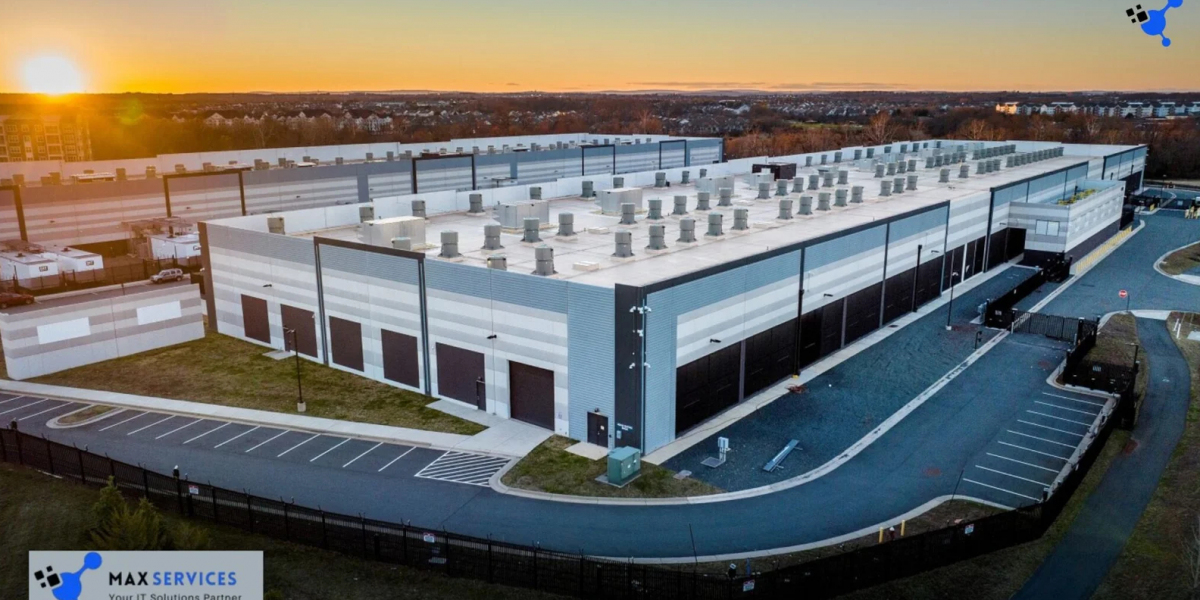
AWS data centers act as economic drivers, generating employment opportunities and supporting local businesses.
The presence of AWS data centers brings well-paying jobs to local communities, ranging from data center technicians and security staff to operations managers and maintenance personnel. AWS also invests in training programs to equip residents with the necessary skills to thrive in these roles.
In Virginia’s “Data Center Alley,” the world’s largest concentration of data centers, AWS has created thousands of jobs, many requiring specialized technical expertise. Through collaborations with educational institutions, AWS helps train individuals for these high-demand positions.
Beyond direct employment, AWS contributes to local economies by contracting small businesses for services such as construction, landscaping, catering, and transportation.
For example, in Northern California, AWS has partnered with local entrepreneurs to support data center operations. These collaborations help small businesses expand, generating additional jobs and economic growth.
AWS prioritizes sustainability, implementing renewable energy projects, water conservation efforts, and waste reduction initiatives to minimize its environmental impact.
AWS is on track to power its operations with 100% renewable energy by 2025. The company has developed large-scale solar and wind projects across the U.S., not only lowering its carbon footprint but also benefiting local communities by supplying clean energy to the grid.
Solar farms in Virginia, Ohio, and Texas are among AWS’s key projects, generating renewable energy while creating jobs in the construction and maintenance of these facilities.
Given the substantial water usage of data centers for cooling, AWS employs innovative water management solutions to reduce consumption. In water-scarce regions, the company uses air-cooled systems to limit water use and invests in restoration projects to replenish local water supplies.
In Oregon, AWS has collaborated with environmental groups to restore freshwater ecosystems, improving water quality and supporting regional biodiversity.
AWS is committed to minimizing waste through recycling and reusing outdated equipment. By repurposing old servers, AWS extends the lifespan of its technology while reducing electronic waste, setting a benchmark for sustainability in the tech industry.
Education is a key focus of AWS’s community engagement, with initiatives designed to equip individuals with skills for the digital economy.
AWS Educate provides free cloud computing courses and certifications for students and educators, while AWS re/Start offers intensive training programs tailored for underrepresented communities. These programs include career coaching and job placement assistance to bridge the skills gap.
AWS collaborates with educational institutions to develop cloud computing curricula that align with industry needs. In Arizona, the company has worked with community colleges to create degree programs, ensuring students receive relevant training for in-demand jobs.
To make tech education more accessible, AWS provides scholarships and grants for students pursuing careers in cloud computing and related fields, reducing financial barriers and expanding opportunities.
AWS actively contributes to local communities through volunteer efforts, donations, and partnerships with nonprofit organizations.
AWS plays a critical role in disaster relief by offering cloud computing resources and financial support to aid recovery efforts. Following Hurricane Ida in Louisiana, AWS donated technology and funds to assist local organizations in rebuilding efforts.
AWS regularly supports local nonprofits addressing issues such as food security, housing, healthcare, and education. In Ohio, the company has contributed to food banks to help combat hunger in underserved communities.
AWS encourages employees to participate in community service, from tutoring students and cleaning public spaces to assisting with housing projects. These efforts strengthen community ties and create positive social impact.
As AWS continues to expand its data center operations, the company remains committed to maximizing its positive impact. Future initiatives include:
AWS data centers serve as more than just technological hubs—they are key drivers of economic growth, sustainability, and community development. Through job creation, small business support, environmental responsibility, and education initiatives, AWS is making a lasting difference across the U.S. As the company expands, its commitment to these efforts ensures that its presence benefits both local residents and the broader global community.

Nguyenphuong Chill
26 posts
-
 I asked AI for help with DIY. It told me to build a subfloor on rotting stumps, but also taught me valuable lessons
Nothing does more for your ego than realising you can make a better decision than a bot with all of human knowledge at its digital fingertips
-
 Amazon expands ultra-fast deliveries in UK and adds same-day fruit and veg
Deliveries in 30 minutes or less coming to Manchester and Birmingham and fresh groceries service to start in London
-
 Microsoft to tighten human rights measures after inquiry into Israel’s use of its tech
Announcement seeks to close a difficult chapter for the company after the Guardian revealed its platform was used in mass surveillance of Palestinians
-
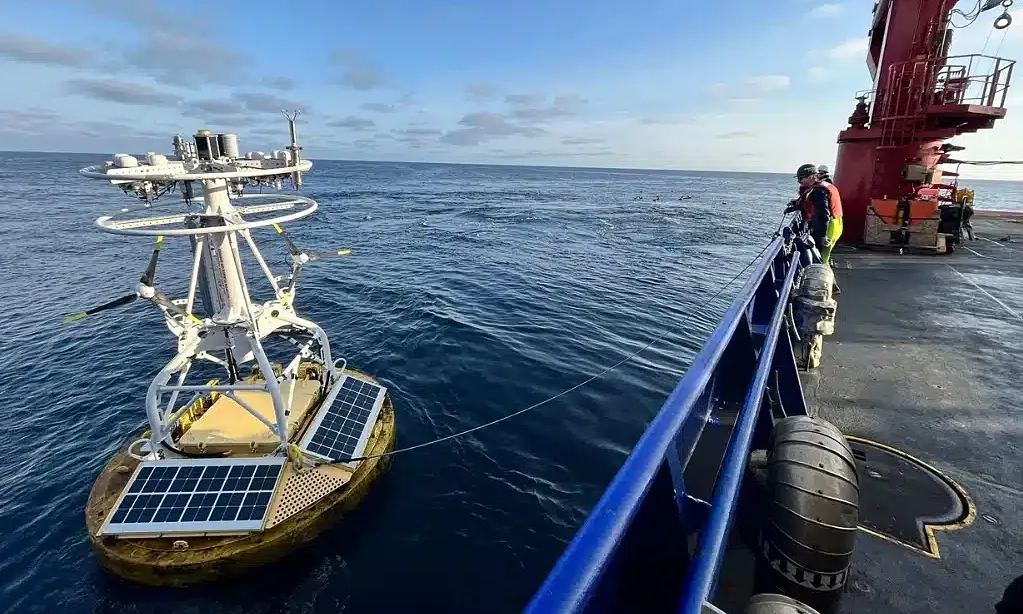 Rủi ro khi Mỹ rút 900 thiết bị giám sát đại dương
Quyết định thu hẹp mạng lưới theo dõi đại dương gồm 900 thiết bị của Mỹ khiến nhiều chuyên gia lo ngại về nguy cơ thiếu dữ liệu quan trọng trong bối cảnh siêu El Nino có thể sắp xảy ra.
-
 Labour will make AI ‘work for the workers’, says Liz Kendall
Technology secretary promises to support people whose jobs are swept away by automation
-
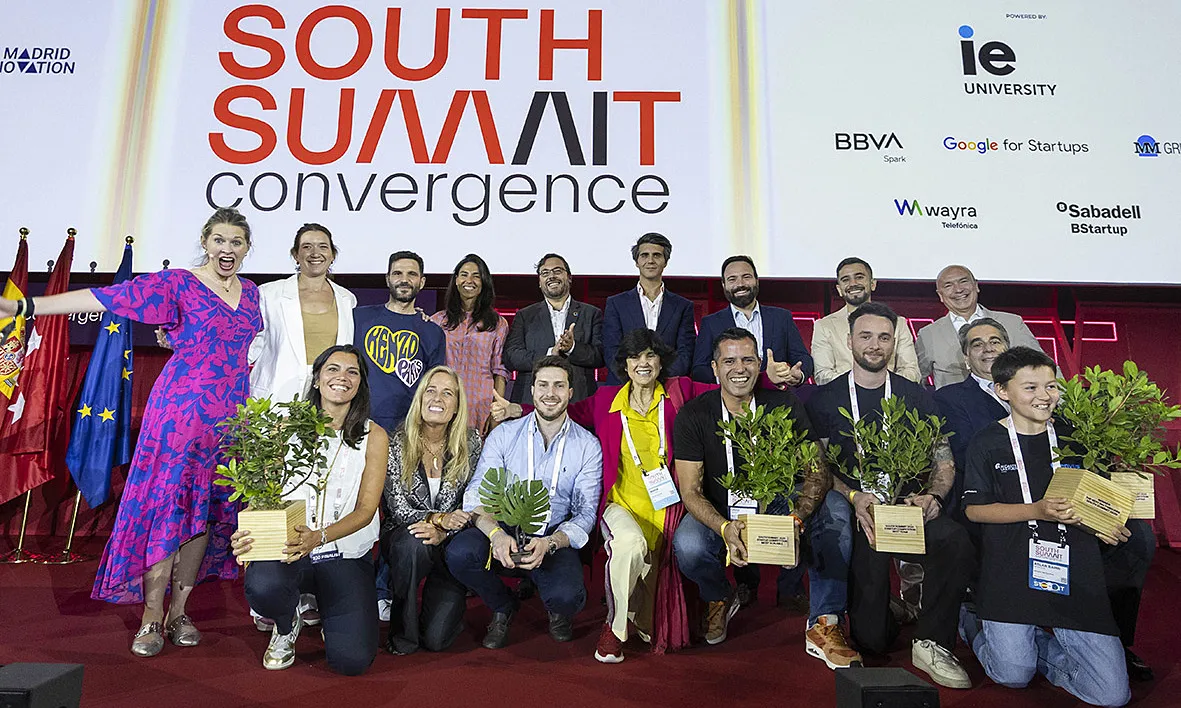 Startup kết hợp siêu máy tính và AI thắng giải khởi nghiệp châu Âu
EarthScan của Mitiga kết hợp siêu máy tính và mô hình AI riêng giúp giảm rủi ro biến đổi khí hậu cho doanh nghiệp đã thắng giải Startup Competition 2026.
-
 Phi hành gia trạm ISS trú ẩn khẩn cấp do rò rỉ khí
Rò rỉ khí nghiêm trọng trên Trạm Vũ trụ Quốc tế (ISS) khiến 5 phi hành gia phải vào tàu trú ẩn và sẵn sàng sơ tán trong hai tiếng.
-
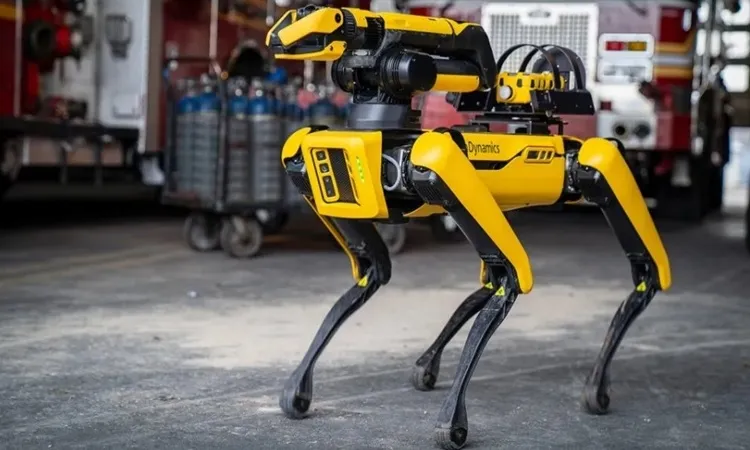 Những robot động vật giải quyết thách thức kỹ thuật
Lấy cảm hứng thiết kế từ tự nhiên, một số robot động vật đáp ứng xuất sắc các nhiệm vụ khó khăn từ giám sát công nghiệp tới thám hiểm dưới nước.
-
 Rò rỉ khung iPhone 18 Pro với ba màu mới
Một số hình ảnh được cho là khung sườn của iPhone 18 Pro xuất hiện trên mạng, cho thấy các tùy chọn màu sắc thực tế của sản phẩm.
-
 Robot 'chú hề' đá trúng khán giả nhí
Khi biểu diễn trước đám đông tại Tân Cương, robot hình người G1 của công ty Unitree vô tình đá vào bụng một cậu bé đứng xem.
-
 Các mẫu laptop gaming nổi bật của ROG 20 năm qua
Dòng Zephyrus G14 mỏng nhẹ, Zephyrus Duo với màn hình đôi, Flow Z13 thiết kế lai tablet là các mẫu laptop gaming đặc biệt của ROG.


