Hydration Containers Market Matures With Better Cap Designs, Grip Enhancements, and Compact Storage Options

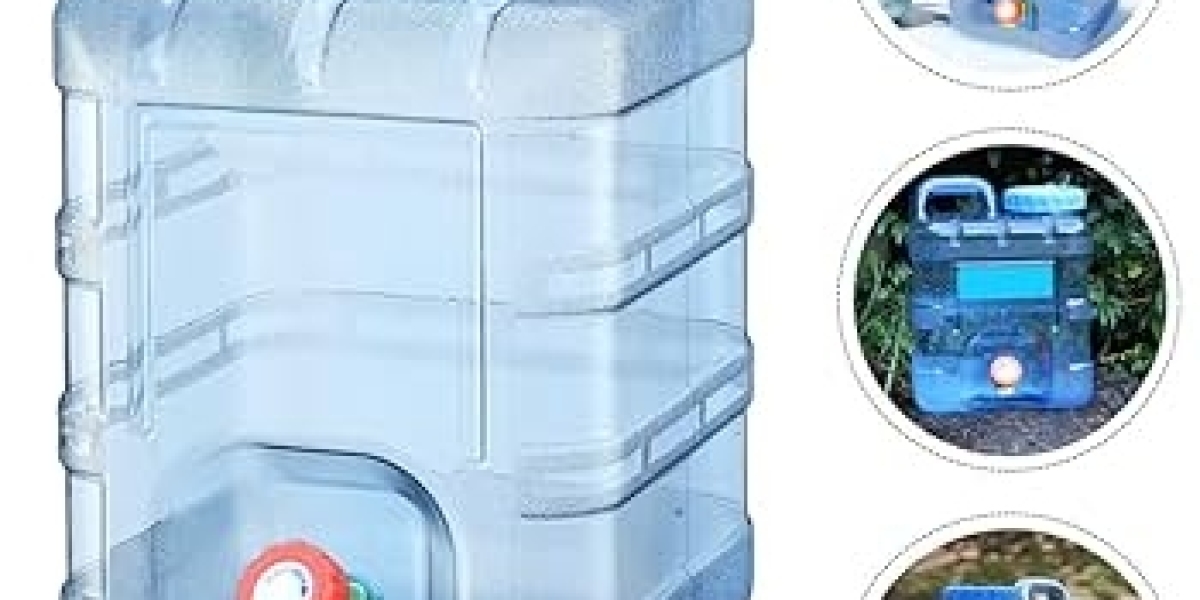
The hydration containers market is evolving rapidly, driven by consumer demand for products that offer convenience, comfort, and portability. As lifestyles become more mobile and health-conscious, innovations in cap designs, ergonomic grips, and compact storage solutions are transforming everyday hydration habits.
Modern hydration containers are incorporating intelligent cap designs that enhance user experience. Features like one-handed operation, quick-sip spouts, and leak-proof seals are becoming standard. These advancements cater to active individuals who require quick and easy access to hydration during workouts, commutes, or outdoor activities. Additionally, some caps now include built-in straws or flip-top lids, further improving convenience and reducing spills.
Comfort is a key consideration in the design of hydration containers. Ergonomic grips, often made from soft-touch materials or rubberized coatings, provide a secure and comfortable hold. These enhancements are particularly beneficial for athletes, hikers, and daily commuters who carry their bottles for extended periods. By reducing hand fatigue and preventing slippage, ergonomic grips contribute to a more enjoyable and practical hydration experience.
As consumers seek more portable hydration options, compact storage solutions are gaining popularity. Designs that allow bottles to collapse or fold without compromising durability are particularly appealing. These space-saving features are ideal for travelers, gym-goers, and outdoor enthusiasts who need to minimize bulk without sacrificing functionality. Additionally, some containers offer integrated storage for items like vitamins or tea bags, combining hydration with convenience.
The integration of technology into hydration containers is a growing trend. Smart bottles equipped with sensors can track water intake, remind users to hydrate, and sync data with fitness apps. These innovations appeal to tech-savvy consumers who are committed to maintaining optimal hydration levels as part of their health and wellness routines. By combining traditional hydration with modern technology, these products offer a comprehensive solution for health-conscious individuals.
Sustainability remains a significant driver in the hydration containers market. Consumers are increasingly opting for products made from eco-friendly materials such as stainless steel, glass, and BPA-free plastics. These materials not only reduce environmental impact but also enhance the durability and safety of the containers. Brands that prioritize sustainable practices and materials are resonating with environmentally conscious consumers, contributing to the overall growth of the market.
The hydration containers market is poised for continued growth, fueled by innovations in design and functionality. As consumer preferences evolve towards products that offer convenience, comfort, and sustainability, brands that adapt to these trends are well-positioned for success. The integration of smart technology, ergonomic features, and compact storage solutions will likely define the next generation of hydration containers, meeting the diverse needs of today's active and health-conscious consumers.
Aradhana Nair
41Blog posts
-
 Tài khoản ngân hàng hơn 3 năm không giao dịch có thể bị đóng
Ngân hàng có thể chủ động đóng tài khoản rác và tài khoản không giao dịch 3 năm trở lên để hạn chế rủi ro gian lận, lừa đảo.
-
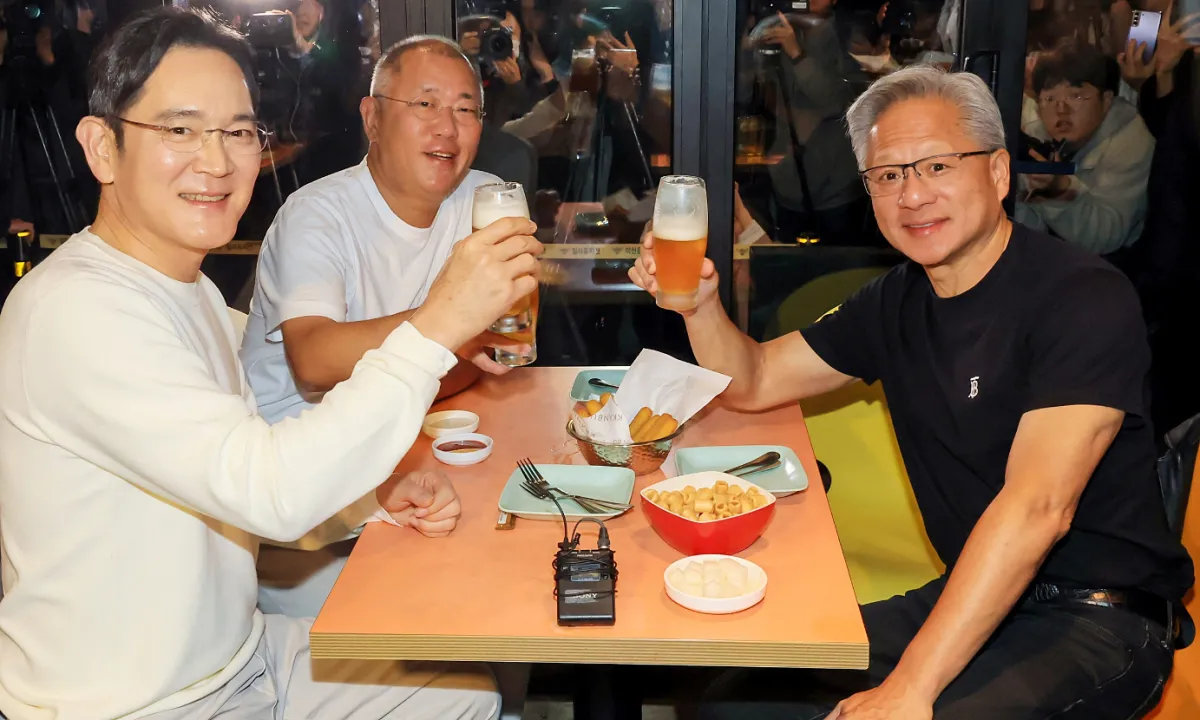 CEO Nvidia nỗ lực tăng sức hút tại Hàn Quốc
Bữa tối với bia và gà rán năm 2025 cùng Chủ tịch Samsung, Hyundai giúp Jensen Huang biết làm thế nào để thu hút sự chú ý tại Hàn Quốc.
-
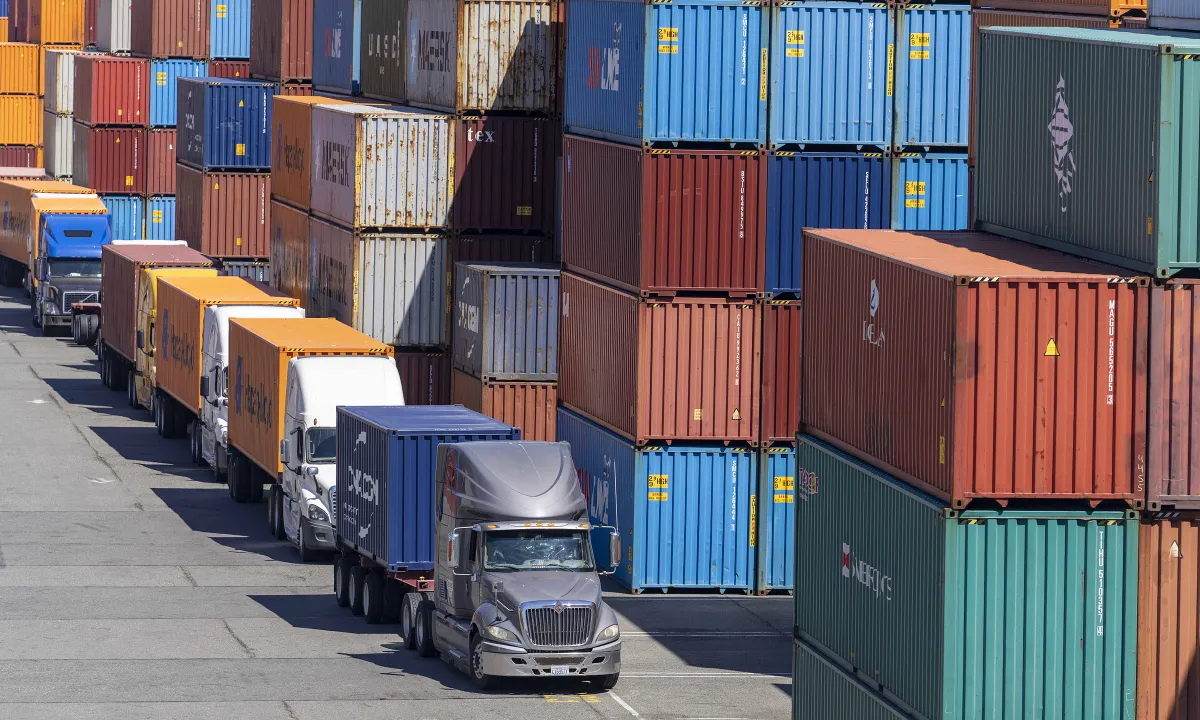 Chính quyền ông Trump đề xuất áp thuế bổ sung với 60 nền kinh tế
Văn phòng Đại diện Thương mại Mỹ đề xuất áp thuế bổ sung đến 12,5% hàng nhập từ 60 nền kinh tế, vì hành vi thương mại không công bằng.
-
 Chứng khoán dứt chuỗi giảm điểm
Sau 7 phiên đi xuống liên tiếp, VN-Index tăng 12,5 điểm nhưng rơi vào tình trạng xanh vỏ, đỏ lòng khi số lượng cổ phiếu giảm chiếm phần nhiều hơn.
-
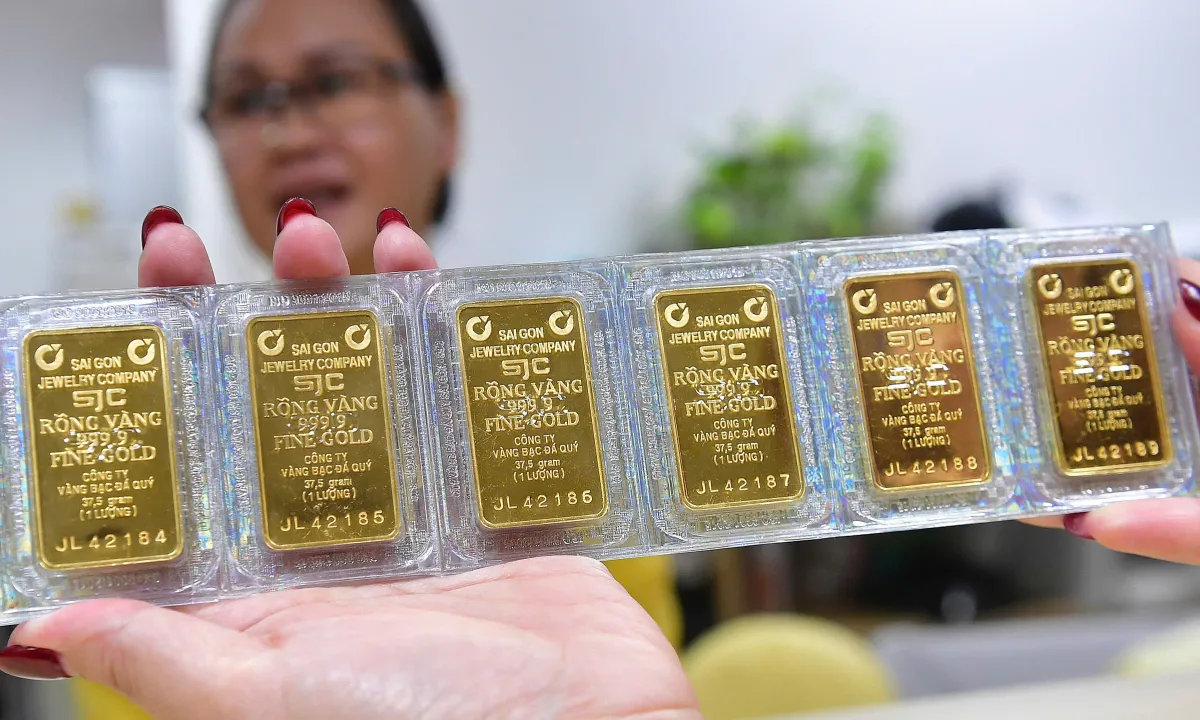 Bộ Tài chính: Chưa đủ căn cứ áp thuế thu nhập với mua bán vàng miếng
Bộ Tài chính cho biết chưa đủ căn cứ áp thuế thu nhập cá nhân với mua bán vàng miếng, vì cần chờ cấp có thẩm quyền thông qua đề án lập sàn giao dịch vàng.
-
 Giá vàng miếng xuống thấp nhất từ đầu năm
Các thương hiệu bán ra vàng miếng quanh mức 156,5 triệu đồng một lượng, thấp nhất từ kể từ đầu năm.
-
 Thủ tướng: Sớm đưa các dự án năng lượng trọng điểm vào hoạt động
Thủ tướng Lê Minh Hưng yêu cầu Bộ Công Thương sớm đưa các dự án năng lượng trọng điểm vào hoạt động, trong bối cảnh thời tiết diễn biến bất thường, nhu cầu điện tăng.
-
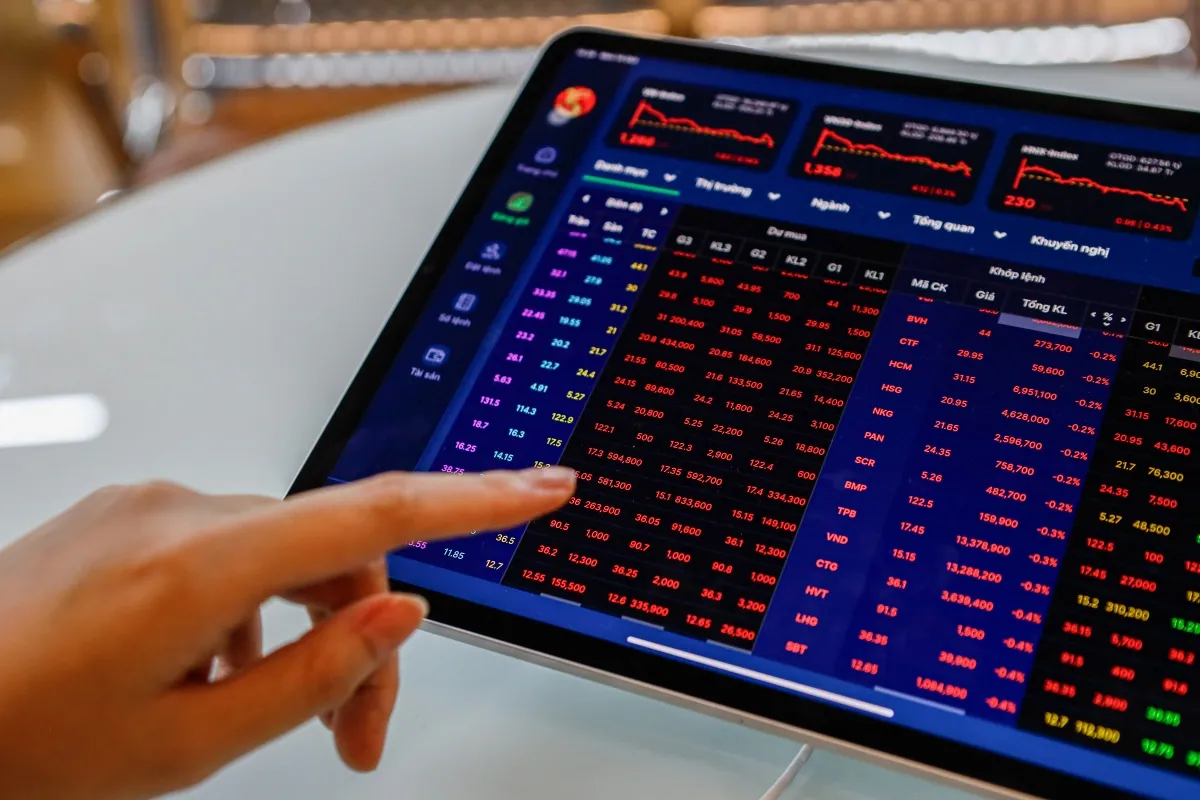 VN-Index chưa cắt chuỗi giảm sâu
VN-Index giảm liên tục 7 phiên và có lúc thủng mốc 1.800 điểm do áp lực xả hàng tập trung vào một số cổ phiếu trụ.
-
 Công ty sở hữu mảng sản xuất của VinFast có Chủ tịch mới
Bà Thái Thị Thanh Hải được bầu làm Chủ tịch của VFTP, doanh nghiệp sở hữu mảng sản xuất cùng hai nhà máy của VinFast tại Việt Nam.
-
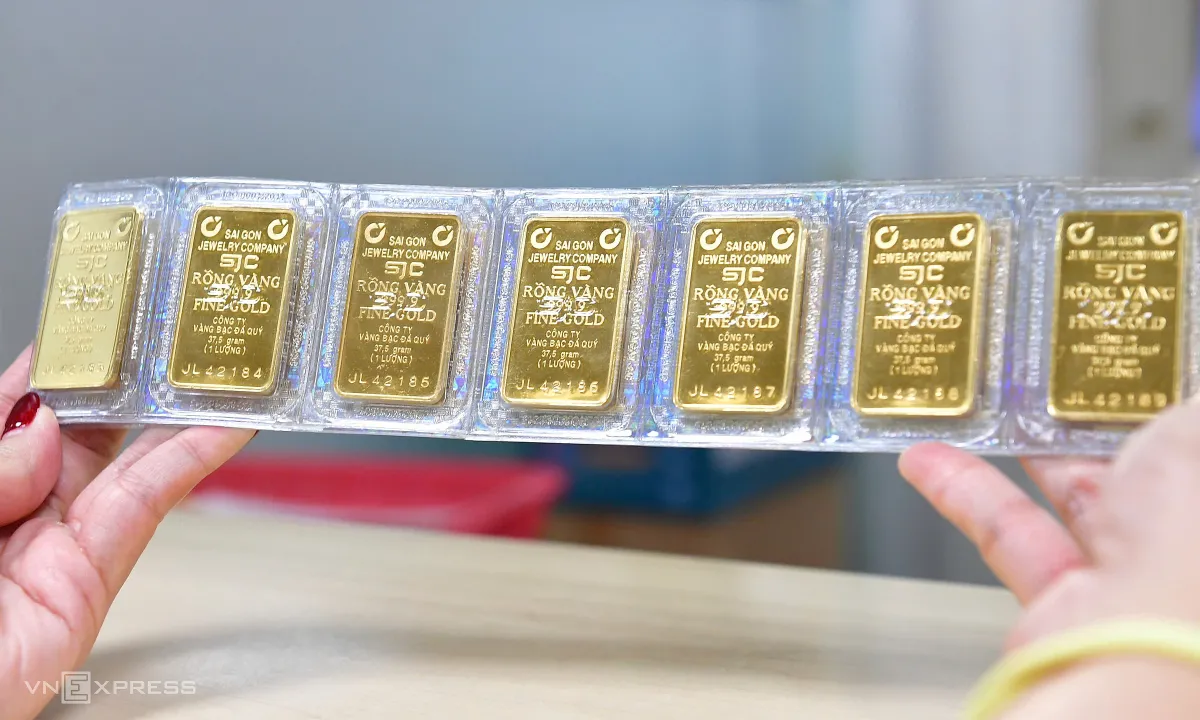 Có nên bán vàng để dành mua nhà khi giá giảm mạnh?
Theo chuyên gia, vàng là tài sản phòng vệ nhưng không tuyệt đối, nên có thể bán bớt một phần để tránh ảnh hưởng kế hoạch mua nhà năm sau.
-
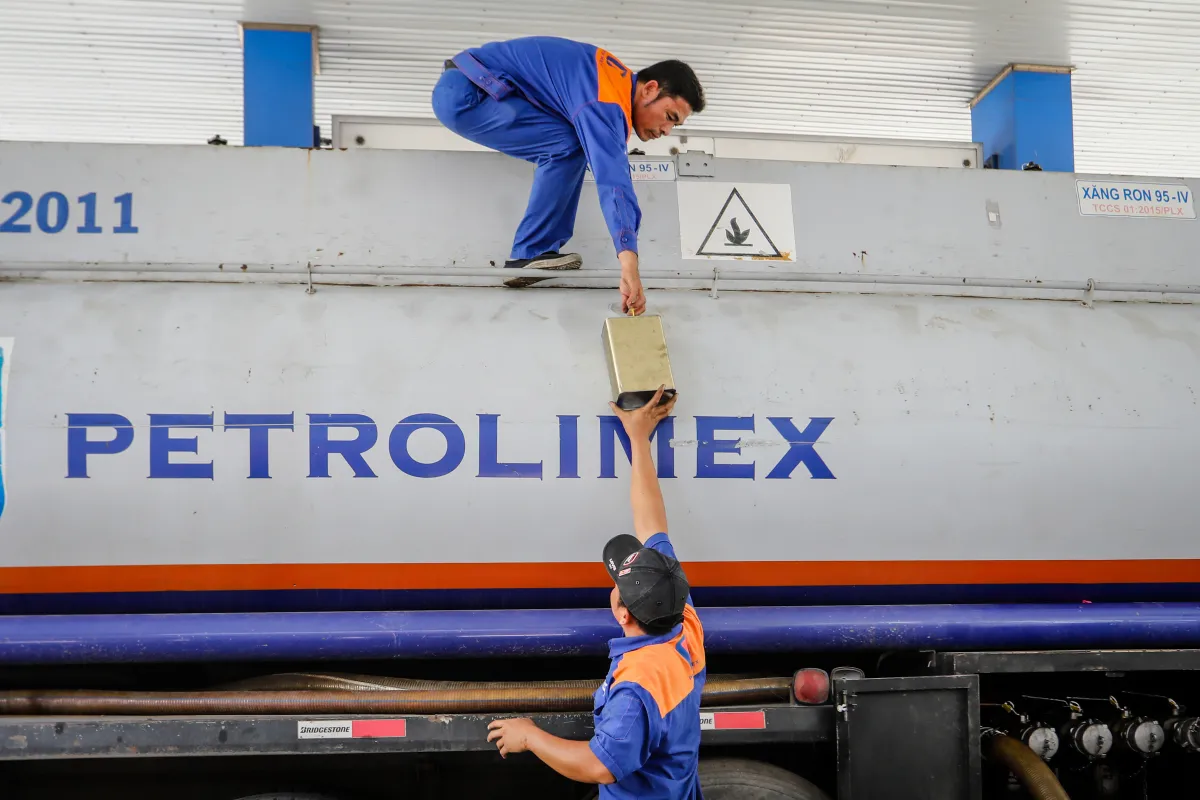 Petrolimex tính bán toàn bộ cổ phiếu quỹ
Hội đồng Quản trị Tập đoàn Xăng dầu Việt Nam (Petrolimex) thống nhất chủ trương bán hết 23,28 triệu cổ phiếu quỹ để đáp ứng điều kiện công ty đại chúng.


