Pool Cleaning Melbourne experts emphasize that proper monitoring of your pool pump and filter system forms the backbone of effective pool maintenance. Your pump and filter work tirelessly to circulate and clean your pool water, but without regular monitoring and maintenance, even the most advanced systems can fail, leading to costly repairs and water quality issues. Understanding how to properly monitor these critical components will save you money, extend equipment life, and ensure crystal-clear water year-round.
Understanding Your Pool Pump System
The pool pump serves as the heart of your circulation system, moving water through the filtration cycle that keeps your pool clean and healthy. Modern pool pumps come in various configurations, including single-speed, dual-speed, and variable-speed models, each requiring specific monitoring approaches.
Single-speed pumps operate at one constant RPM, making monitoring relatively straightforward but less energy-efficient. These pumps typically run 8-12 hours daily, depending on pool size and usage. Monitor the amp draw using a clamp meter to establish baseline performance levels. Significant increases in amperage often indicate motor problems or impeller blockages.
Variable-speed pumps offer superior efficiency and monitoring capabilities. Most models include digital displays showing RPM, wattage consumption, and runtime hours. These pumps allow for customized programming, running at lower speeds for general circulation and higher speeds for cleaning or heating operations. Monitor the energy consumption patterns to identify optimal settings for your specific pool requirements.
Pay attention to unusual sounds emanating from your pump. A properly functioning pump produces a consistent, quiet hum. Grinding, squealing, or rattling noises indicate potential bearing problems, impeller damage, or debris interference. Address these issues promptly to prevent costly motor replacement.
Pool Filter Monitoring Essentials
Your pool filter removes contaminants from circulating water, but its effectiveness depends on regular monitoring and maintenance. The three main filter types – sand, cartridge, and diatomaceous earth (DE) – each require specific monitoring protocols.
Sand filters use a bed of specially graded sand to trap debris and contaminants. Monitor pressure gauge readings to determine when backwashing is necessary. Clean sand filters typically operate at 8-15 PSI, depending on your system. When pressure increases 8-10 PSI above the clean starting pressure, initiate the backwashing cycle. However, excessive backwashing wastes water and chemicals, so resist the temptation to backwash too frequently.
Cartridge filters provide excellent fine filtration but require manual cleaning. Monitor flow rates and pressure differentials to determine cleaning schedules. Most cartridge filters need cleaning every 2-4 weeks, depending on bather load and environmental conditions. Rotate between multiple cartridge sets to ensure continuous filtration while cleaning dirty cartridges thoroughly.
DE filters offer the finest filtration available for residential pools. Monitor pressure increases carefully, as DE filters can show rapid pressure changes. Clean starting pressure varies by system, but increases of 8-10 PSI typically indicate the need for backwashing and fresh DE powder addition.
Establishing Baseline Performance Metrics
Professional Green Pool Cleaning Melbourne services always establish baseline performance metrics for pump and filter systems. Recording initial readings when equipment is clean and functioning properly provides reference points for future monitoring.
Document clean filter pressure readings for your specific system. This baseline varies significantly between installations due to factors like pipe diameter, plumbing configuration, and equipment sizing. Record these readings immediately after filter cleaning or backwashing when the system operates at peak efficiency.
Monitor and record pump performance metrics including amperage draw, flow rates, and any digital display readings. Variable-speed pumps provide extensive data logging capabilities, allowing you to track performance trends over time. Establish energy consumption baselines at different RPM settings to optimize operational efficiency.
Track runtime hours to predict maintenance schedules and equipment lifespan. Most pool pumps are designed for 50,000-100,000 operating hours, depending on quality and usage patterns. Maintaining accurate runtime records helps plan proactive replacements before catastrophic failures occur.
Daily and Weekly Monitoring Routines
Effective pool pump and filter monitoring requires consistent daily and weekly inspection routines. Daily monitoring should include visual inspection of the pump and filter housing for leaks, unusual sounds, or vibrations. Check that the pump is priming properly and maintaining adequate flow through return jets.
Observe the skimmer and return flow patterns daily. Reduced flow often indicates filter loading, pump problems, or plumbing blockages. Strong, consistent return jet flow indicates proper system operation, while weak or uneven flow suggests monitoring attention is needed.
Weekly monitoring should include pressure gauge readings, especially for sand and DE filters. Record these readings in a maintenance log to track trends over time. Gradually increasing pressure indicates normal filter loading, while sudden pressure changes may indicate equipment problems or plumbing issues.
Inspect pump and filter housing weekly for signs of wear, corrosion, or damage. Look for rust stains, white calcium deposits, or green corrosion that might indicate chemical imbalance effects on your equipment. Address these issues promptly to prevent expensive repairs or replacements.
Seasonal Monitoring Considerations
Melbourne's climate variations require seasonal adjustments to pump and filter monitoring routines. Summer months bring increased bather loads, higher temperatures, and more frequent use, all of which impact equipment performance and monitoring requirements.
During peak summer usage, filters load more quickly due to increased contaminants from swimmers, sunscreen, and organic debris. Monitor pressure readings more frequently and adjust cleaning schedules accordingly. Higher temperatures also increase chemical reaction rates, potentially affecting filter media lifespan.
Autumn brings falling leaves and organic debris that can quickly overload filtration systems. Monitor skimmer baskets and pump strainer baskets more frequently during leaf season. Clogged baskets reduce flow rates and can cause pump damage from running dry or overheating.
Winter operations in Melbourne may allow for reduced circulation times, but monitoring remains important. Cold weather can affect pump seals and gaskets, leading to leaks or air intrusion. Monitor for proper priming and address any air leaks promptly to prevent pump damage.
Spring startup requires comprehensive monitoring to ensure equipment survived winter storage or reduced operation. Check all seals, gaskets, and connections for winter damage. Establish new baseline readings as equipment returns to full operation.
Troubleshooting Common Issues
Understanding common pump and filter problems helps with effective monitoring and early intervention. Low flow rates often indicate filter loading, pump problems, or plumbing restrictions. Start troubleshooting with the simplest solutions: clean skimmer and pump baskets, check valve positions, and verify proper water levels.
High pressure readings typically indicate filter loading in sand or DE systems, but sudden pressure increases may indicate plumbing blockages or valve problems. For cartridge systems, high pressure usually means the cartridges need cleaning or replacement.
Pump priming problems manifest as reduced flow, gurgling sounds, or complete loss of circulation. Check for air leaks in suction plumbing, ensure proper water levels, and verify that all suction-side valves are fully open. Persistent priming problems may indicate worn pump seals or impeller damage.
When monitoring reveals consistent performance degradation despite proper maintenance, consider equipment age and usage patterns. Pump motors typically last 8-12 years with proper maintenance, while filter components may need replacement every 1-3 years depending on type and usage.
Technology Integration for Modern Monitoring
Smart pool technology offers advanced monitoring capabilities that simplify pump and filter oversight. Automated controllers can monitor pressure differentials, flow rates, and energy consumption, alerting you to problems before they become serious issues.
Mobile apps connected to smart pool systems provide remote monitoring capabilities, allowing you to check system status from anywhere. These systems can send alerts for unusual pressure readings, extended runtime without flow, or energy consumption anomalies.
Variable-speed pumps with advanced controllers offer scheduling capabilities that optimize energy consumption while maintaining proper filtration. Program different speeds for various operations: low speed for overnight circulation, medium speed for general daytime operation, and high speed for cleaning or heating cycles.
Consider upgrading older single-speed systems to variable-speed pumps with monitoring capabilities. The energy savings and monitoring features typically pay for the upgrade cost within 2-3 years, while providing superior performance monitoring and control.
Professional Maintenance Integration
While regular monitoring can prevent many problems, integrating professional maintenance ensures optimal system performance. Green Pool Recovery Melbourne specialists can identify subtle performance trends that might escape routine monitoring and provide expert assessment of equipment condition and optimization opportunities.
Schedule annual professional inspections to complement your monitoring routine. Professional technicians can perform detailed equipment analysis, including motor amperage testing, impeller inspection, and plumbing system evaluation that goes beyond routine monitoring capabilities.
Professional services also provide valuable guidance on monitoring frequency and techniques specific to your equipment and usage patterns. They can help establish appropriate baseline readings and alert thresholds tailored to your specific installation.
Conclusion
Effective monitoring of your pool pump and filter system requires consistent attention, proper baseline establishment, and understanding of seasonal variations. By implementing daily visual inspections, weekly pressure readings, and seasonal adjustments, you can maximize equipment life while maintaining optimal water quality. Remember that early detection through proper monitoring prevents costly repairs and ensures your pool remains a source of enjoyment rather than frustration.
Whether you handle monitoring independently or integrate professional services, the key lies in consistency and attention to detail. Your pump and filter system works continuously to maintain water quality, and proper monitoring ensures these vital components continue operating efficiently for years to come. Investment in good monitoring practices pays dividends through extended equipment life, reduced energy costs, and consistently clean, healthy pool water.

samedaypoolcleaningau
1 posts
-
 Green Engineering and Health Optimization at Whiteland The Aspen
To address this, Whiteland Corporation integrated specialized CTMA3 Air Purification technology into the core building systems. This central air infrastructure works continuously to treat, filter, and circulate air throughout enclosed common areas, double-height entrance lobbies, and tower
-
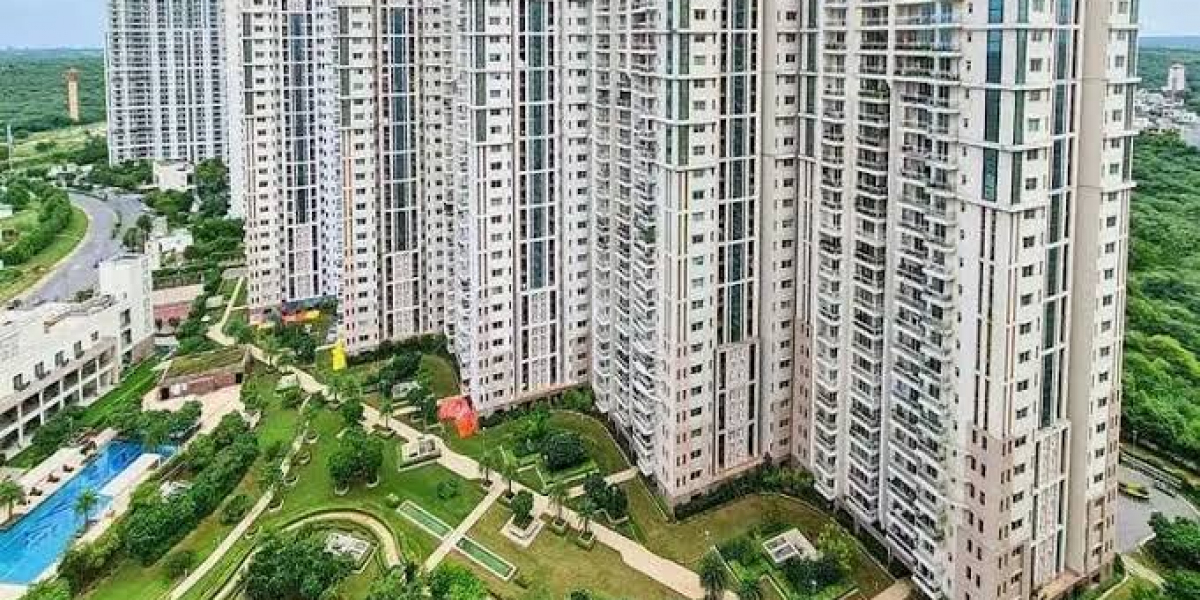 Mastering the Asset: Technical Infrastructure, Micro-Market Value, and Structural Layouts at DLF Park Place
This deep dive focuses on the granular technical infrastructure, exact structural layouts, and macro-economic factors that explain why this specific project maintains a massive edge over its competition in 2026.
-
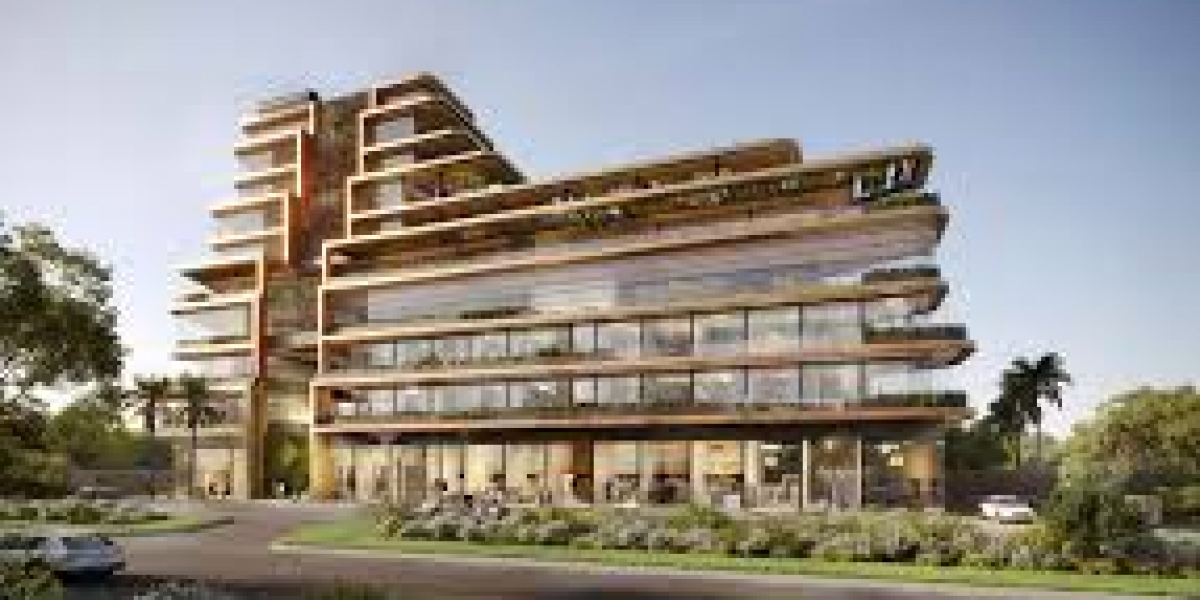 Brand Identity and Tenant Experience: Cultivating Loyalty at Elan Empire Gurgaon
Securing high occupancy in a premium high-street asset is only half the battle. For long-term viability, property management and individual investors must shift their focus to building tenant loyalty and creating a distinctive brand identity.
-
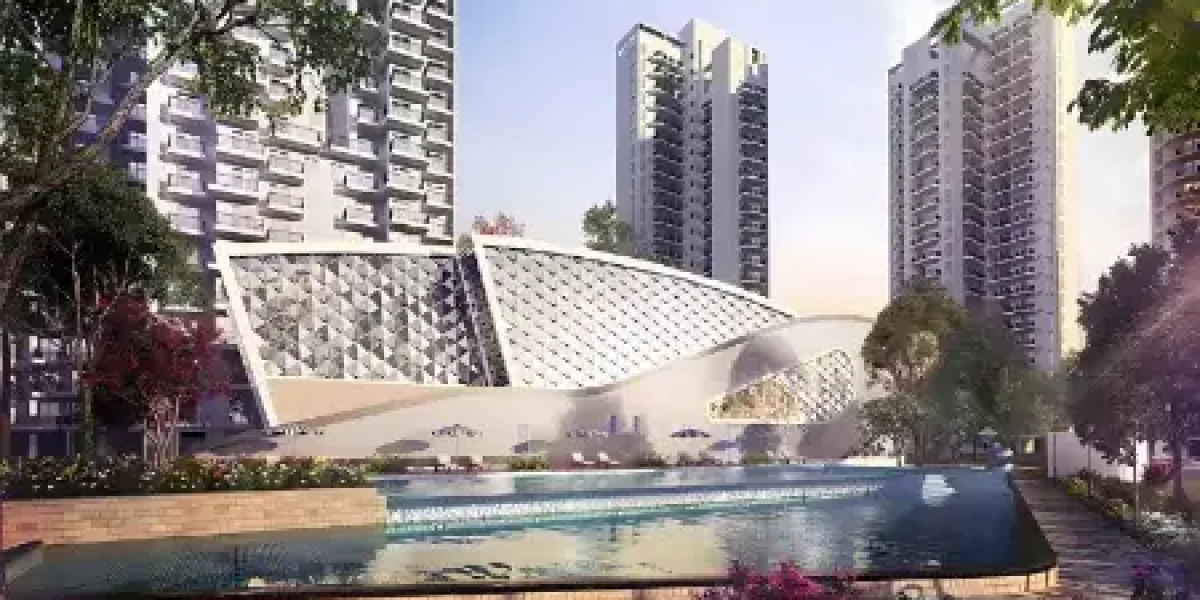 Master Review: Evaluating Godrej Nature Plus, Sector 33, Gurgaon
The layout uses a smart structural pattern where towers are angled away from each other. This creates a staggered footprint that gives corner apartments clear, unblocked views of the Aravalli foothills while ensuring optimal morning and afternoon sunlight. Inside the towers, the floor plan
-
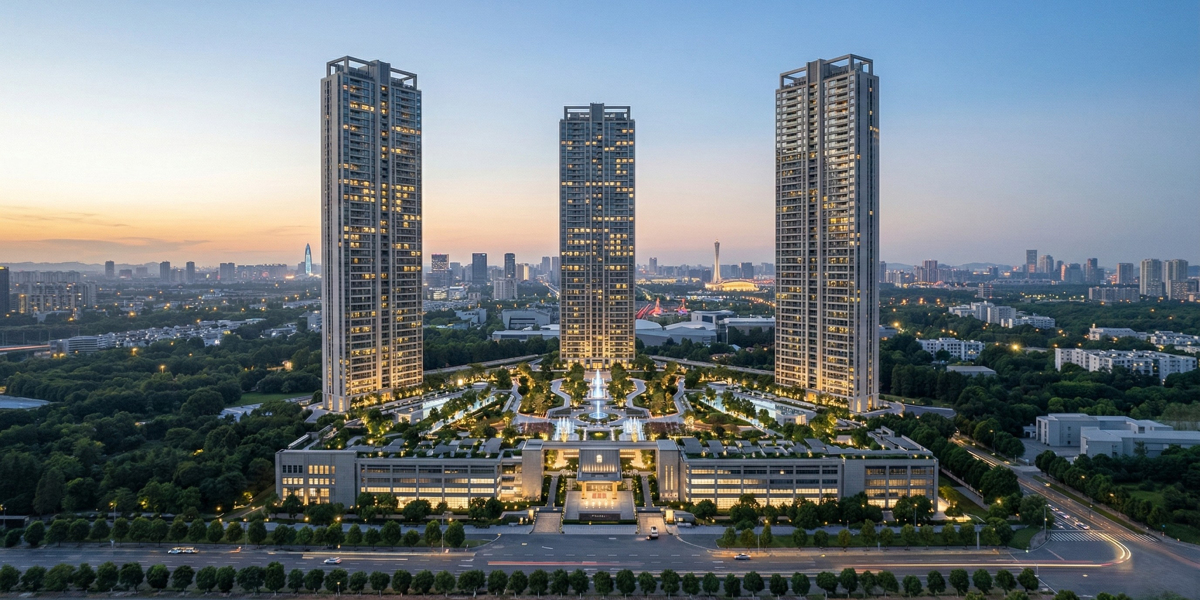 BPTP Downtown 66: A Masterpiece of Vertical Luxury in Sector 66
BPTP Downtown 66 has emerged as one of the most anticipated high-rise developments on the Golf Course Extension Road. Designed by the globally acclaimed architectural firm Aedas, this project is not just a residential complex but a vertical ecosystem where luxury meets functionality.
-
 Aesthetic Clinic in Australia | Beauty Clinic in Carolina | PM Aesthetics
Discover a trusted aesthetic clinic in Australia and a professional beauty clinic in Carolina. PM Aesthetics offers advanced skincare, cosmetic treatments, and personalized beauty solutions.
-
 The Masterful Synergy at Signature Global Tonino Lamborghini
Signature Global Tonino Lamborghini Residences represents a ₹2,890 crore synergy of Italian supercar aesthetics and Indian engineering excellence in Sector 71.
-
 Sidewalk Repair NYC: A Complete Guide for Property Owners
Sidewalks in New York City endure constant wear and tear due to heavy foot traffic, extreme weather conditions, and tree root growth. Over time, cracks, uneven surfaces, and potholes can develop. These issues not only create an unpleasant appearance but also pose serious safety hazards for
-
 Why Natural Stone Wall Panels Are Becoming the First Choice for Modern Interiors
Discover why natural stone wall panels are becoming a top choice for modern interiors and exteriors. Learn about their durability, aesthetic appeal, and versatile applications for residential and commercial spaces.
-
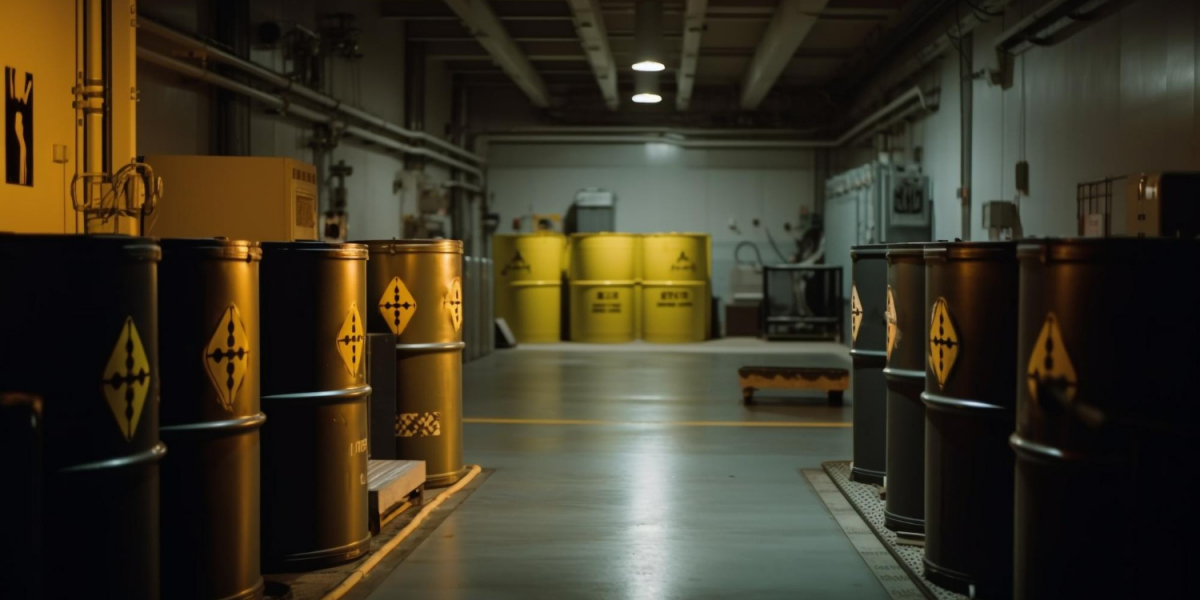 Chemical Supplier for Industrial in UAE: Reliable Solutions for Modern Industries
Find a reliable chemical supplier for industrial in UAE offering high-quality products, consistent supply, and tailored solutions for manufacturing, oil & gas, construction, and water treatment industries.
-
 Signature Global Cloverdale SPR Gurgaon – A Modern Address for Comfortable Living
This connectivity allows residents to easily access major employment hubs, corporate offices, and business districts. The proximity to IGI Airport further adds to its appeal, especially for professionals who travel frequently.


