
Shipping customized products can present unique challenges in freight logistics. Since these products are often tailored to specific customer requirements, they may vary in size, weight, shape, or packaging, making standard shipping processes insufficient. Properly managing freight shipping for customized products ensures timely delivery, protects the integrity of the goods, and reduces costs.
In this article, we’ll explore key steps and best practices for effectively managing freight shipping for customized products.
1. Accurate Product Specifications and Measurements
Customized products often come in non-standard sizes or shapes, making it critical to provide your freight forwarder or carrier with precise product dimensions and weight. Inaccurate information can lead to incorrect freight class designations, additional costs, or even delays.
Key considerations:
- Measure the product’s dimensions (length, width, height) accurately.
- Determine the total weight of the product, including any packaging.
- Specify if the product requires special handling due to its shape or fragility.
Using precise measurements ensures that your shipping quotes and freight class are accurate, preventing unexpected fees.
2. Customized Packaging Solutions
Customized products often require specialized packaging to prevent damage during transit. Standard boxes or pallets may not be sufficient for products that are uniquely shaped or delicate. Investing in customized or protective packaging is essential to ensure the safe arrival of goods.
Best practices:
- Use durable, protective materials (e.g., foam inserts, bubble wrap, or custom crates).
- Ensure that the packaging is secure and prevents movement within the box.
- For fragile items, label the packaging with proper handling instructions.
Custom packaging may also affect freight costs, so it’s important to factor in the weight and dimensions of the packaging when calculating shipping expenses.
3. Choosing the Right Freight Mode
The freight mode you choose—whether air, ocean, or ground—will depend on several factors, including the product's size, destination, and urgency of delivery. Customized products can often be more challenging to transport, so selecting the correct freight method is key.
- Air Freight: Best for high-value, small, or urgent customized products. While more expensive, it offers faster delivery times.
- Ocean Freight: Suitable for large or bulkier customized products being shipped internationally. It’s cost-effective but slower.
- Ground Freight: Ideal for domestic shipments of oversized or heavy products, especially if you're shipping within a specific region.
Working closely with a freight forwarder can help you evaluate your options and choose the most cost-efficient and reliable mode for your customized products.
4. Freight Class and Documentation
In the U.S., products are classified under specific freight classes, which determine shipping rates. Customized products may not always fit neatly into a pre-defined class, so it’s essential to identify the correct classification. This will help avoid reclassification charges or delays.
Steps to ensure proper classification:
- Work with your freight forwarder to classify products based on their density, handling, and liability.
- Accurately complete any required documentation, including customs forms for international shipping.
- Include detailed descriptions of the customized products, including materials, components, and value, in the shipping documentation.
Proper classification and documentation streamline the shipping process and ensure compliance with local and international shipping regulations.
5. Plan for Special Handling Needs
Customized products often require special handling due to their unique characteristics, such as fragility, irregular shapes, or high value. Not all freight carriers provide special handling services, so it’s important to work with one that can meet your needs.
Considerations for special handling:
- Fragile items: Ensure the carrier offers extra care services for breakable goods.
- Oversized or heavy items: Work with carriers that provide equipment like forklifts or cranes for loading and unloading.
- High-value items: Select a carrier with insurance options and tracking capabilities for extra security.
Communicating these requirements in advance can prevent mishandling and ensure that your products arrive in optimal condition.
6. Tracking and Transparency
Real-time tracking is critical when managing the freight shipping of customized products. Since these items often involve special requirements or higher value, being able to monitor the shipment's progress provides peace of mind and allows you to address any issues that arise during transit.
What to look for:
- Choose a carrier or freight forwarder that offers real-time tracking and regular status updates.
- Use shipping software or online portals to track multiple shipments and access documentation.
- Implement automated alerts to notify you of delays or deviations in the delivery schedule.
Visibility throughout the supply chain improves customer satisfaction and allows you to manage potential disruptions proactively.
7. Freight Insurance
Customized products are often irreplaceable or have high value, making freight insurance an essential component of your shipping strategy. While carriers may offer limited liability, it often won’t cover the full value of a customized product, especially if it’s fragile or unique.
Key points about freight insurance:
- Assess the value of your product and determine if the carrier’s liability coverage is sufficient.
- Purchase additional freight insurance if necessary to cover the full replacement cost.
- Understand the claims process in case your product is damaged or lost in transit.
Freight insurance gives you financial protection in the event of a shipping incident, providing peace of mind for both you and your customers.
8. Collaborating with a Freight Forwarder
Freight forwarders play a critical role in managing the complexities of shipping customized products. From helping with documentation and customs clearance to choosing the best shipping routes and modes, a freight forwarder ensures that your logistics run smoothly.
Why partner with a freight forwarder?
- They have expertise in managing shipments of non-standard or customized goods.
- Freight forwarders can help consolidate shipments to reduce costs, especially for LTL (less-than-truckload) shipping.
- They provide end-to-end visibility and coordinate with carriers, ensuring timely and efficient delivery.
By working with a reliable freight forwarder, you can navigate the challenges of shipping customized products and focus on delivering exceptional value to your customers.
9. Cost Optimization Strategies
Shipping customized products can be expensive due to their unique handling and packaging requirements. However, there are strategies to minimize costs without compromising on quality or delivery speed.
Cost-saving tips:
- Consolidate shipments to take advantage of bulk shipping discounts.
- Use multi-modal shipping (e.g., combining ground and ocean freight) to reduce costs on long-distance shipments.
- Negotiate rates with carriers or forwarders, especially if you ship regularly.
- Explore reusable packaging options for eco-friendly, cost-effective shipping.
By employing these strategies, you can manage freight costs while still meeting the specific needs of your customized products.
Conclusion: Ensuring Success in Shipping Customized Products
Managing freight shipping for customized products requires careful planning and attention to detail. From selecting the right packaging to ensuring accurate product measurements and choosing the correct shipping mode, every step of the process can impact the success of your shipments. By partnering with experienced freight forwarders, leveraging tracking technology, and implementing cost optimization strategies, you can streamline your logistics and deliver customized products efficiently and safely.
In the competitive world of customized goods, effective freight management not only ensures customer satisfaction but also gives your business a critical edge.

Maka Homes
3 posts
-
 Overcoming Alcohol Addiction Through Rehabilitation in Mumbai
"The Shree Ramnath Foundation is a dedicated de-addiction and rehabilitation centre committed to helping individuals overcome substance abuse. Located near the Tansa River East in Virar, this center provides a supportive and structured environment for recovery."
-
 Green Engineering and Health Optimization at Whiteland The Aspen
To address this, Whiteland Corporation integrated specialized CTMA3 Air Purification technology into the core building systems. This central air infrastructure works continuously to treat, filter, and circulate air throughout enclosed common areas, double-height entrance lobbies, and tower
-
 Mastering the Asset: Technical Infrastructure, Micro-Market Value, and Structural Layouts at DLF Park Place
This deep dive focuses on the granular technical infrastructure, exact structural layouts, and macro-economic factors that explain why this specific project maintains a massive edge over its competition in 2026.
-
 Elegant House Warming Invitation Video Templates for Memorable Griha Pravesh Celebrations
A new home is a dream come true for every family.
-
 Brand Identity and Tenant Experience: Cultivating Loyalty at Elan Empire Gurgaon
Securing high occupancy in a premium high-street asset is only half the battle. For long-term viability, property management and individual investors must shift their focus to building tenant loyalty and creating a distinctive brand identity.
-
 Master Review: Evaluating Godrej Nature Plus, Sector 33, Gurgaon
The layout uses a smart structural pattern where towers are angled away from each other. This creates a staggered footprint that gives corner apartments clear, unblocked views of the Aravalli foothills while ensuring optimal morning and afternoon sunlight. Inside the towers, the floor plan
-
 Creative Baby Shower Invitation Video Templates for Special Celebrations
These templates are easy to customize with names, event dates, venue details, photos, and personal messages. Whether you want a cute pink theme, a royal blue design, floral decorations, or animated baby elements, MyVideoInvites offers a wide variety of styles for every celebration.
-
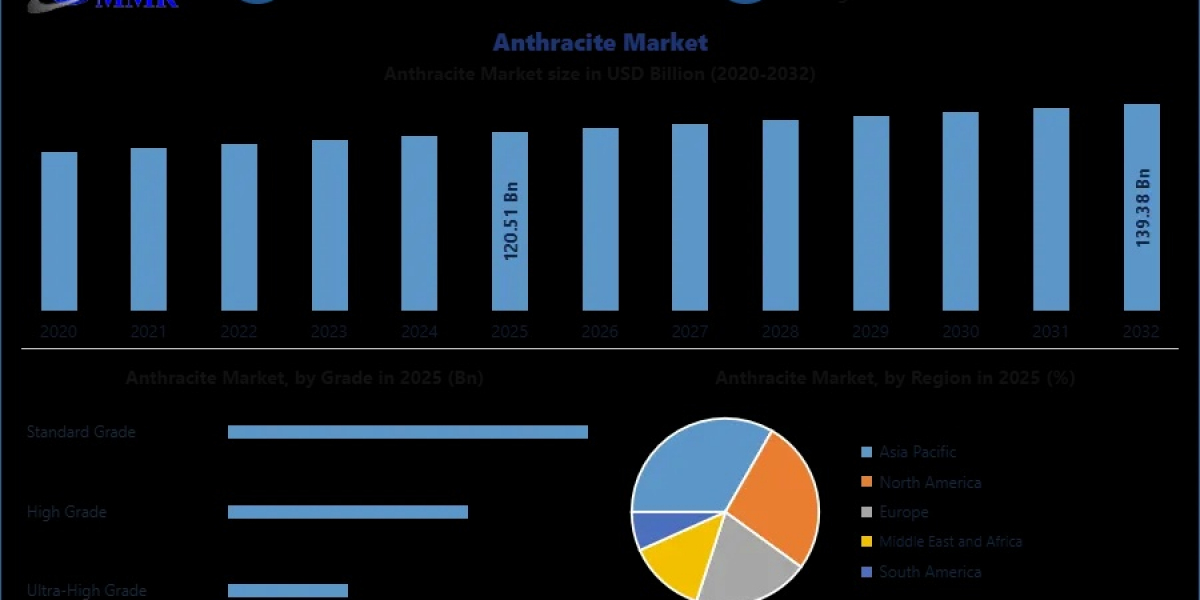 Anthracite Market Opportunities Emerging from Energy Production Needs
The Asia‑Pacific anthracite market is driven by rapid industrialization, robust steel production capacity, and expanding energy demand.
-
 Mastering the Metropolitan Maze The Ultimate Legal Shield for Capital Motorists
Mastering the Metropolitan Maze The Ultimate Legal Shield for Capital Motorists
-
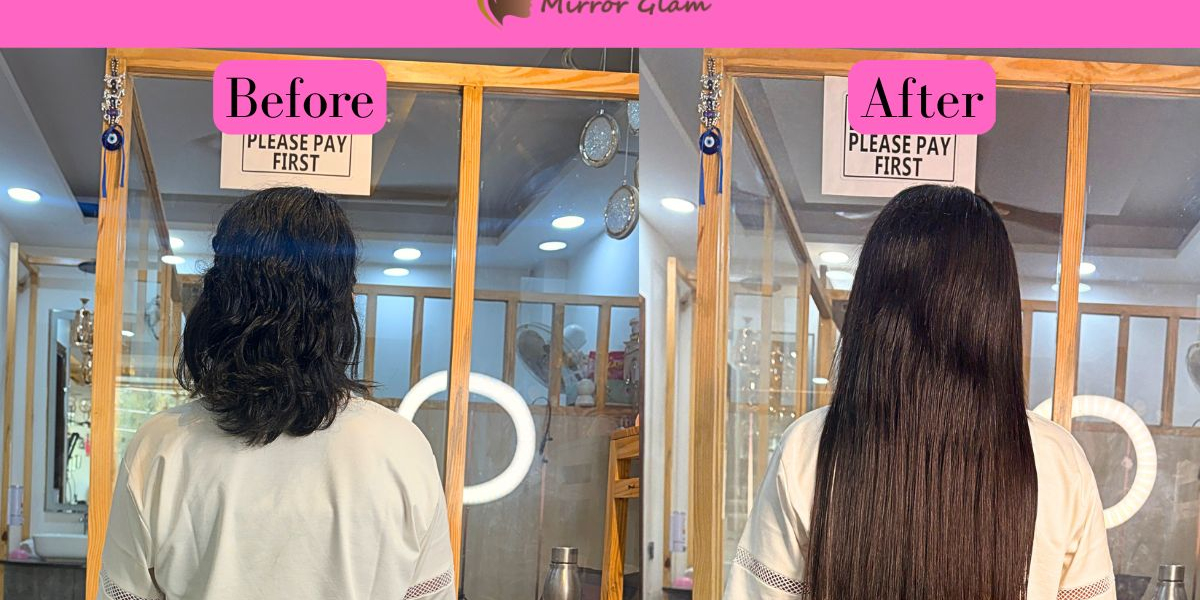 Permanent Makeup in Delhi – Wake Up Beautiful Every Day
Permanent Makeup in Delhi – Wake Up Beautiful Every Day
-
 1st Birthday Invitation Video Maker with Music and Photos
Creating a birthday invitation video online is simple and convenient with myvideoinvites. The platform offers ready made templates and easy editing tools that allow users to create professional looking invitations without technical experience.


