If your hair is feeling dry, brittle, or weaker than before, it’s time to seriously treat the damage. But first: you need to understand what kind of Damaged hair damage you’re dealing with, so you can choose treatments that truly help—rather than waste money or make things worse.
Here are common symptoms that indicate your strands are damaged:
Split ends or fraying tips — the classic “ends look like straw.”
Breakage or hair snapping off when brushing or styling.
Excessive tangling or knots — raised cuticles grab neighboring hairs.
Lack of shine / dullness — hair doesn’t reflect light because the cuticle is lifted.
Frizz and rough texture — hair feels coarse to the touch.
Dryness throughout — hair lacks natural oils, even near the roots.
Elasticity loss — when wet, hair stretches little or doesn’t bounce back.
Over-porosity (hair absorbs water too fast and loses it fast) — a hallmark of heavy damage.
If you see two or more of these together—especially breakage + splits + dullness—you likely have moderate to severe damage.
Before you fix, stop damaging. Some common causes:
Heat styling: frequent straighteners, curling irons, blow dryers at high heat begin to weaken cuticles.
Chemical treatments: bleaching, perming, hair dye, chemical straightening—these open up scales in the hair.
Over-washing / harsh shampoos: sulfates and frequent washing strip oils.
UV radiation, chlorine, salt water: environmental aggressors that degrade hair proteins.
Lack of trims: split ends travel up the shaft, worsening damage.
Mechanical stress: tight hairstyles, brushing aggressively, wet hair manipulation.
By eliminating—or at least reducing—these stressors, your treatments stand a better chance of working.
To rescue your hair, your plan should cover three pillars:
Bond / protein repair
Deep moisture and hydration
Cuticle sealing & protection
Let’s break them down.
When hair is chemically or thermally damaged, it breaks internal disulfide bonds in keratin. Some modern “bond-repairing” formulas claim to rebuild or reinforce those bonds. These are especially useful for color-treated or bleached hair.
Look for ingredients such as:
Hydrolyzed keratin, silk protein, peptides
Cysteine or other amino acid derivatives
Bond-builder complexes (in salon or retail treatments)
Use these treatments weekly or biweekly, following product instructions. Don’t overdo them, as too much protein can make hair stiff and brittle.
Protein alone won’t fix brittleness if hair is bone-dry. You’ll need humectants and emollients to restore suppleness:
Humectants: glycerin, panthenol, hyaluronic acid
Oils & butters: argan oil, coconut oil, shea butter, avocado oil
Coconut oil in particular is small enough to penetrate the hair shaft and reduce protein loss. Use it in masks or as pre-wash treatment.
Once moisture is in, lock it. A lifted cuticle undoes all your work. Use:
Silicones or silicone alternatives (dimethicone, cyclomethicone, etc.)
Fatty alcohols
Light oils / serums on ends
Rinse with cool water to flatten the cuticle
Use leave-in conditioners or sealants before heat styling
Here is a decision flow to guide you:
Assess severity
Mild: a few split ends, some dryness
Moderate: breakage, dullness, frizz
Severe: large sections of breakage, overly porous, very brittle
Choose one or two “power” treatments, not dozens
For severe damage, a bond-repairing mask or treatment is essential
For moderate damage, a rich moisturizing mask + leave-in conditioner often suffices
Match product to hair type / texture
Fine hair: avoid heavy oils or thick butters (they may weigh hair down)
Thick/coarse hair: richer oils and butters can be beneficial
Curly hair: choose lighter, flexible formulas that don’t stiffen curls
Check ingredient list carefully
Avoid strong sulfates and drying alcohols
Favor products with both proteins + moisturizers
Look for “repair,” “bond rebuild,” “deep conditioning,” “intense hydrating” in labeling
Decide on frequency and method
Use rinse-out masks 1–2 times per week
Bond-building treatments typically 1× per week or per instructions
Leave-in or sealant products can be part of daily or pre-heat routines
Here’s a sample weekly routine you might adapt:
Pre-wash: Use a light oil (e.g. coconut or argan) on ends for 20–30 minutes.
Shampoo: Use a gentle, sulfate-free shampoo—only on scalp; let suds run down the lengths.
Bond treatment / mask: On damp hair, apply a bond-repair mask or treatment. Leave for the recommended time (30–60 minutes).
Rinse and condition: Use a hydrating conditioner.
Leave-in / seal: On towel-dried hair, apply leave-in conditioner or serum. Focus on mid-lengths to ends.
Heat styling: Always use a good heat protectant. Use lowest effective heat.
Trims: Every 8–12 weeks, trim split ends.
Below are example categories or treatments to look for (these are illustrative, not endorsements):
Bond repair masks / treatments (target internal damage)
Rich moisturizing masks (for hydration)
Leave-in conditioners / bond smoothing creams
Pre-wash or overnight oils / masks
Heat protectant sprays / serums
As an example, many experts cite Olaplex No. 3 as a strong at-home bond treatment.
Also, Vogue highlights bond-repairing shampoos and conditioners that reinforce keratin links, helping hair regain elasticity and gloss.
Allure emphasizes that hair masks are more concentrated than regular conditioners and can deeply penetrate and hydrate when used properly.
Don’t expect instant miracles. Repair takes weeks to months.
Avoid layering too many protein products; alternating hydrating masks and protein treatments often works best.
Always follow product instructions: some bond treatments must not be rinsed or must be left on specific times.
Use a wide-tooth comb when hair is wet to prevent breakage.
Sleep on a silk or satin pillowcase to reduce friction.
Protect hair outdoors (hats, UV sprays).
Never apply intense protein treatment on already brittle hair—that can make it snap.
If damage is extreme (hundreds of broken strands, scalp pain, etc.), consult a professional stylist or dermatologist.
These won’t replace a well-formulated repair product, but can support your routine:
Egg masks (protein boost)
Avocado, olive oil, honey-based masks
Apple cider vinegar rinse (low concentration) to help close cuticle
Gentle scalp massages with oils (stimulate circulation)
Deep conditioning wraps (heat under towel or shower cap) for better penetration
Softness, shine, and manageability typically improve within 2–4 weeks
Breakage and split ends take longer—regular trims remain essential
Full “reversal” of damage (especially chemical damage) is not realistic; aim to improve and manage
Maintenance is ongoing: once you restore health, you must protect against new damage

merleshay merleshay
16Blog posts
-
 Tài khoản ngân hàng hơn 3 năm không giao dịch có thể bị đóng
Ngân hàng có thể chủ động đóng tài khoản rác và tài khoản không giao dịch 3 năm trở lên để hạn chế rủi ro gian lận, lừa đảo.
-
 CEO Nvidia nỗ lực tăng sức hút tại Hàn Quốc
Bữa tối với bia và gà rán năm 2025 cùng Chủ tịch Samsung, Hyundai giúp Jensen Huang biết làm thế nào để thu hút sự chú ý tại Hàn Quốc.
-
 Chính quyền ông Trump đề xuất áp thuế bổ sung với 60 nền kinh tế
Văn phòng Đại diện Thương mại Mỹ đề xuất áp thuế bổ sung đến 12,5% hàng nhập từ 60 nền kinh tế, vì hành vi thương mại không công bằng.
-
 Chứng khoán dứt chuỗi giảm điểm
Sau 7 phiên đi xuống liên tiếp, VN-Index tăng 12,5 điểm nhưng rơi vào tình trạng xanh vỏ, đỏ lòng khi số lượng cổ phiếu giảm chiếm phần nhiều hơn.
-
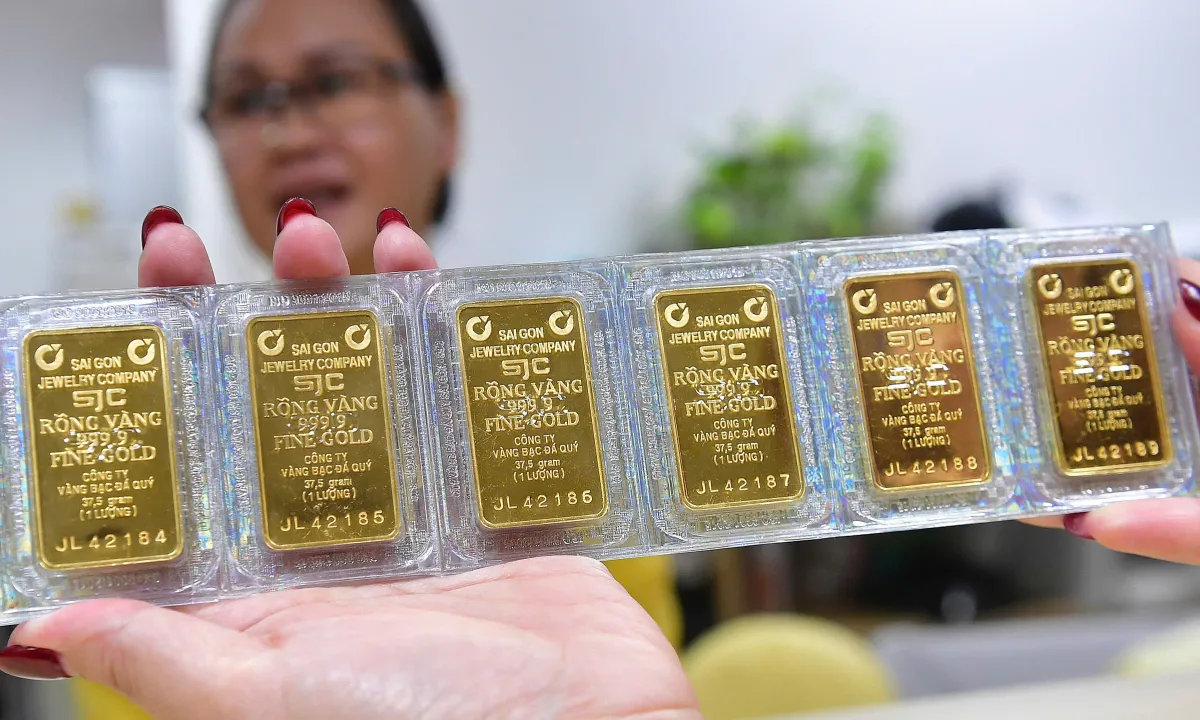 Bộ Tài chính: Chưa đủ căn cứ áp thuế thu nhập với mua bán vàng miếng
Bộ Tài chính cho biết chưa đủ căn cứ áp thuế thu nhập cá nhân với mua bán vàng miếng, vì cần chờ cấp có thẩm quyền thông qua đề án lập sàn giao dịch vàng.
-
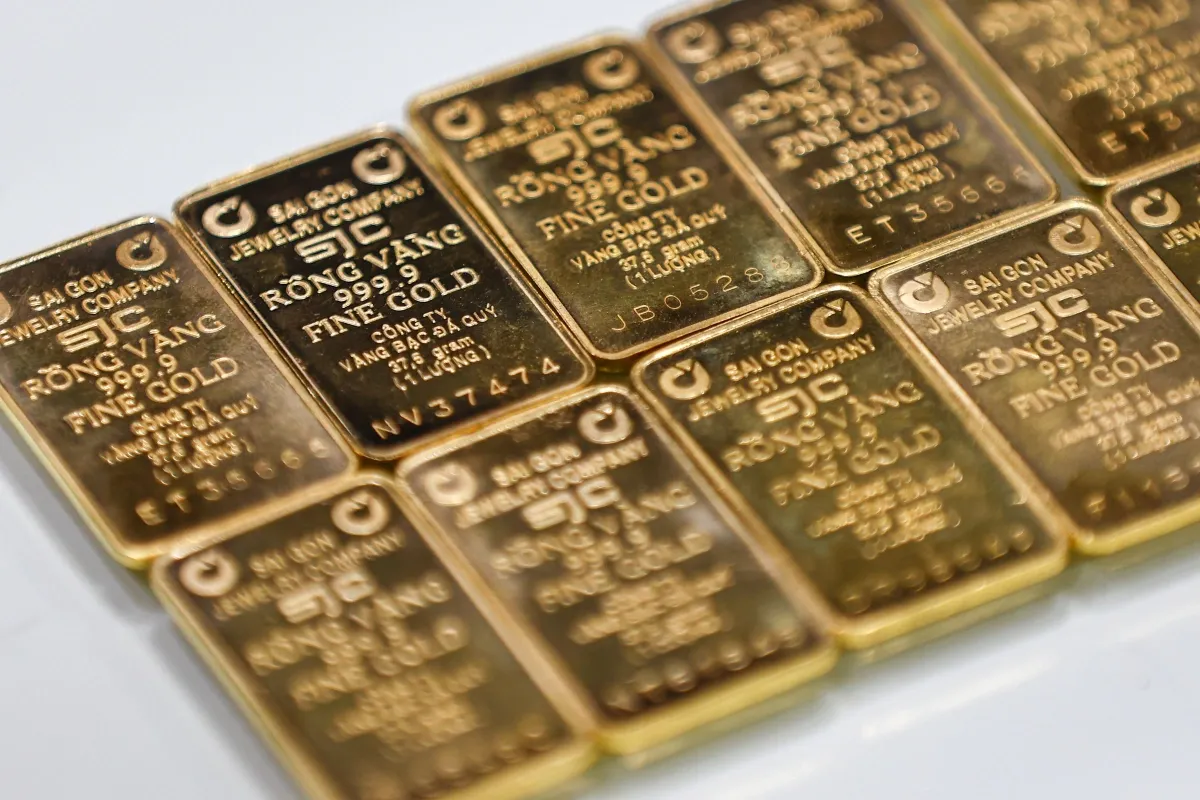 Giá vàng miếng xuống thấp nhất từ đầu năm
Các thương hiệu bán ra vàng miếng quanh mức 156,5 triệu đồng một lượng, thấp nhất từ kể từ đầu năm.
-
 Thủ tướng: Sớm đưa các dự án năng lượng trọng điểm vào hoạt động
Thủ tướng Lê Minh Hưng yêu cầu Bộ Công Thương sớm đưa các dự án năng lượng trọng điểm vào hoạt động, trong bối cảnh thời tiết diễn biến bất thường, nhu cầu điện tăng.
-
 VN-Index chưa cắt chuỗi giảm sâu
VN-Index giảm liên tục 7 phiên và có lúc thủng mốc 1.800 điểm do áp lực xả hàng tập trung vào một số cổ phiếu trụ.
-
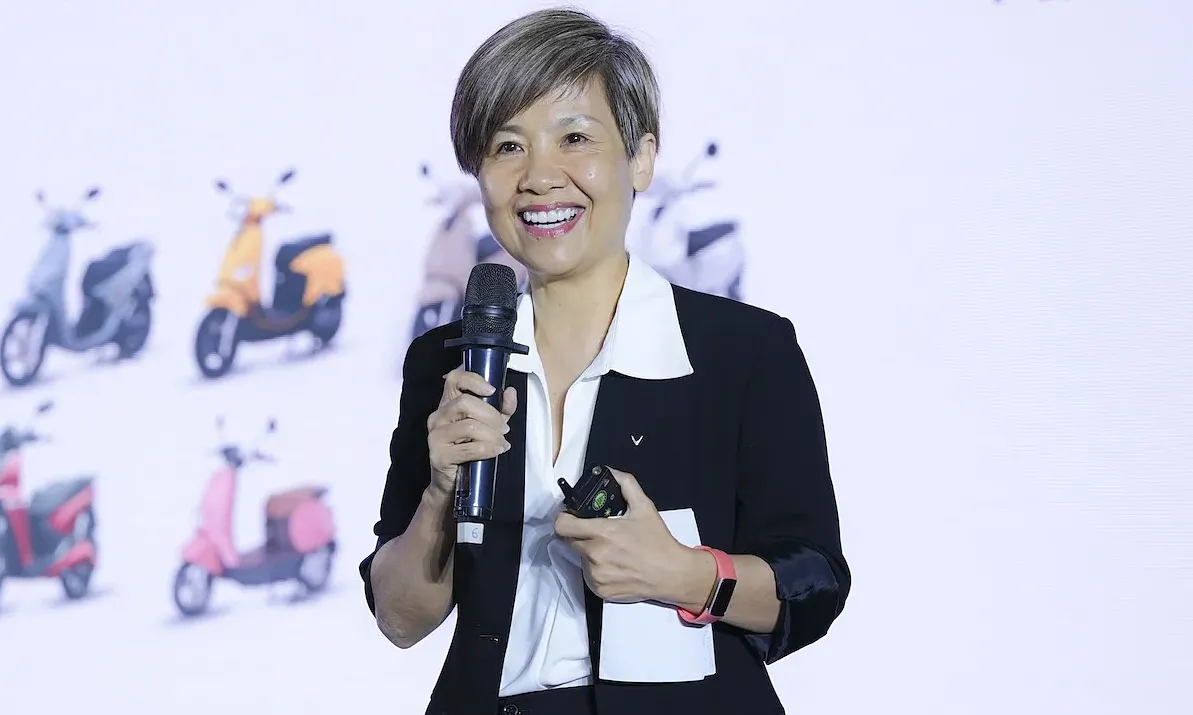 Công ty sở hữu mảng sản xuất của VinFast có Chủ tịch mới
Bà Thái Thị Thanh Hải được bầu làm Chủ tịch của VFTP, doanh nghiệp sở hữu mảng sản xuất cùng hai nhà máy của VinFast tại Việt Nam.
-
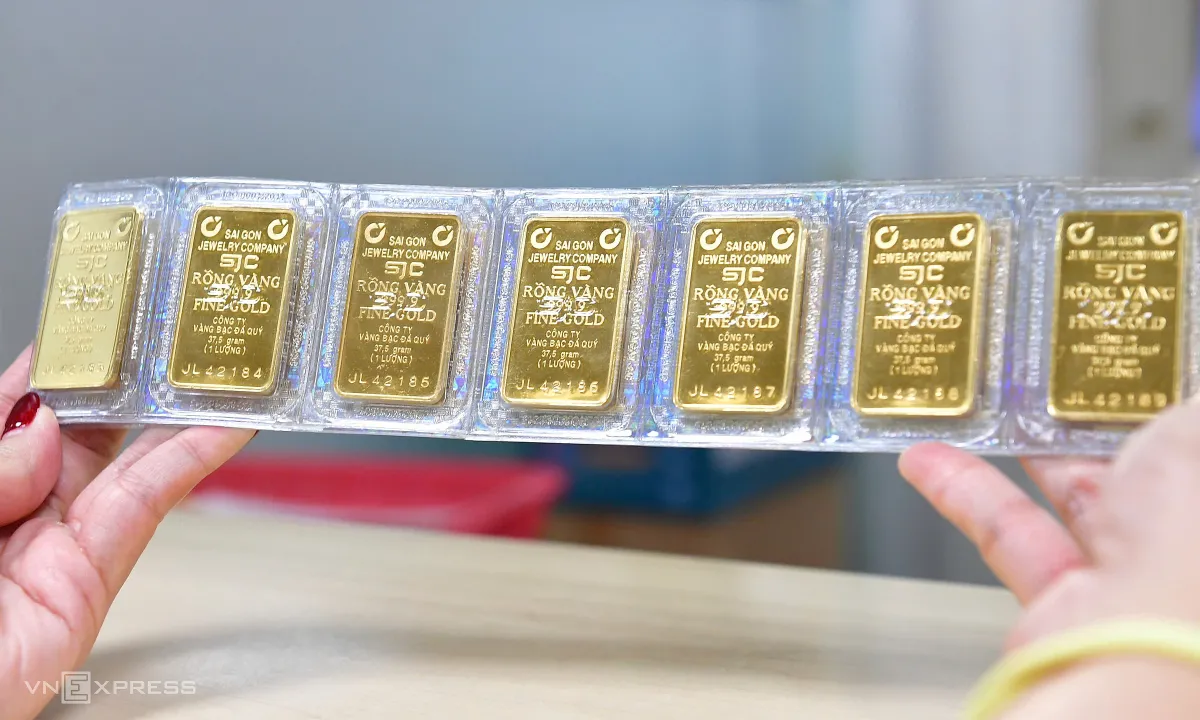 Có nên bán vàng để dành mua nhà khi giá giảm mạnh?
Theo chuyên gia, vàng là tài sản phòng vệ nhưng không tuyệt đối, nên có thể bán bớt một phần để tránh ảnh hưởng kế hoạch mua nhà năm sau.
-
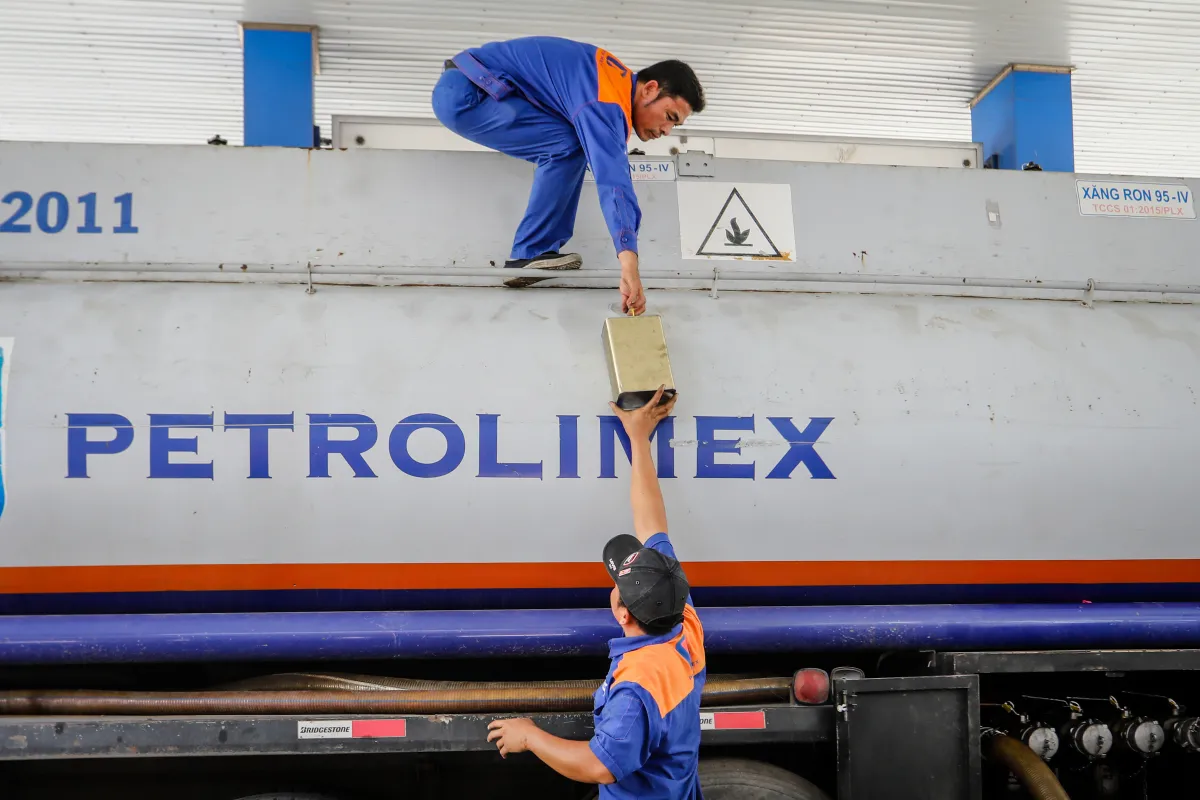 Petrolimex tính bán toàn bộ cổ phiếu quỹ
Hội đồng Quản trị Tập đoàn Xăng dầu Việt Nam (Petrolimex) thống nhất chủ trương bán hết 23,28 triệu cổ phiếu quỹ để đáp ứng điều kiện công ty đại chúng.


