The Power of Precision: How Spot Welding Shapes Modern Manufacturing
From automotive production lines to aerospace fabrication and electronics assembly, this technique has become indispensable for industries demanding durable, high-quality welds. But what makes spot welding so crucial, and how has MFDC technology taken it to the next level? Let’s explore.
How Spot Welding Works
At its core, spot welding is a type of resistance welding process that joins two or more sheets of metal through the application of heat and pressure. The heat is generated by passing a high electrical current through the metal surfaces at the “spot” where they are to be joined.
Here’s a quick breakdown of the process:
Electrodes clamp two overlapping sheets of metal together.
Current flows through the contact point, generating intense localized heat.
The metal melts and fuses, forming a solid weld nugget once cooled.
While traditional systems rely on alternating current (AC), today’s advanced MFDC spot welding (Medium Frequency Direct Current) technology has dramatically improved efficiency and weld quality. MFDC systems provide more stable current flow, reduce electrode wear, and minimize heat distortion—making them ideal for precision-driven industries like automotive and aerospace.
In short, the combination of precision control and energy efficiency makes MFDC welding one of the most advanced and cost-effective joining methods available today.
Advantages of Spot Welding
Spot welding offers a unique blend of performance and practicality, which explains its widespread adoption across multiple manufacturing sectors.
1. High Speed and Productivity
The process is exceptionally fast. A single weld can be completed in milliseconds, allowing manufacturers to achieve high output rates—critical in assembly-line production.
2. Strong, Consistent Joints
Spot welding produces highly durable welds capable of withstanding mechanical stress and vibration. This is particularly valuable in vehicle frames, where joint reliability directly impacts safety and structural strength.
3. Cost-Effective Operation
Unlike many other welding techniques, spot welding requires no filler materials, flux, or shielding gas. This reduces consumable costs and simplifies the process.
4. Easy Automation
Because it’s straightforward and repeatable, spot welding machines are easily integrated into robotic welding systems for fully automated production lines. This is a major advantage for manufacturers seeking scalability and consistency.
5. Environmentally Friendly
Spot welding produces minimal waste and no harmful emissions—making it a cleaner, more sustainable option for industrial welding operations.
Applications of Spot Welding in Industries
Spot welding is everywhere—its versatility makes it suitable for a wide range of applications, from large automotive components to delicate electronic parts.
1. Automotive Manufacturing
The automotive welding process heavily relies on spot welding for assembling car bodies, doors, and frames. Automated resistance spot welders are used on production lines to join thousands of sheet metal parts quickly and reliably.
2. Metal Furniture and Construction
In metal furniture production, spot welding ensures strong, clean joints without visible seams, offering both durability and aesthetics. It’s also used in the fabrication of wire meshes, frames, and panels in the construction industry.
3. Electrical and Electronic Components
Precision is vital when joining small metal parts in circuit boards or battery tabs. Here, a portable spot welder or MFDC machine provides pinpoint accuracy without overheating sensitive components.
4. Aerospace and Fabrication
In aerospace engineering, where every gram and micron count, spot welding is used for lightweight aluminum and titanium structures, ensuring reliability without adding excess material or weight.
MFDC Technology vs. Traditional Welding Systems
The shift from AC-based systems to MFDC (Medium Frequency Direct Current) spot welding represents a significant leap in industrial welding equipment.
Here’s how MFDC spot welding outperforms older systems:
| Feature | Traditional AC Welding | MFDC Spot Welding |
|---|---|---|
| Current Control | Fluctuates, less stable | Highly stable, consistent output |
| Power Consumption | Higher | 30–50% lower energy use |
| Heat Generation | More electrode wear and distortion | Reduced thermal stress and cleaner welds |
| Weld Quality | Inconsistent in thick materials | Precise control ensures uniform results |
| Maintenance | Frequent downtime | Lower electrode wear, longer service life |
This enhanced control makes MFDC spot welding machines ideal for automotive, aerospace, and high-volume fabrication industries, where consistency and quality cannot be compromised.
Comparison with Other Welding Techniques
While spot welding is one of the most efficient joining processes, it’s worth understanding how it compares with other common methods:
MIG Welding: Uses a filler wire and shielding gas; ideal for thicker materials but slower and more consumable-heavy.
TIG Welding: Produces high-quality welds on thin materials but requires significant operator skill and time.
Projection Welding: A variant of resistance welding used for attaching fasteners like nuts or studs—ideal for specific applications but less versatile for sheet joining.
In contrast, spot welding’s simplicity, automation compatibility, and cost-effectiveness make it the go-to choice for large-scale production.
Why the Future of Manufacturing Depends on Spot Welding
With the ongoing evolution of automotive manufacturing technology and the growing adoption of robotic welding systems, spot welding continues to dominate as the preferred method for assembling metal components. Its adaptability to automation, eco-friendliness, and low operational costs align perfectly with modern industry demands for efficiency and sustainability.
Moreover, the integration of smart sensors and real-time monitoring in next-generation industrial welding equipment is transforming how weld quality is measured and maintained—ensuring every joint meets exact specifications.
Conclusion
In an age where precision and efficiency drive industrial progress, spot welding remains at the heart of manufacturing innovation. From automotive production lines to aerospace structures and electronic devices, it delivers unmatched speed, consistency, and strength.
As MFDC technology continues to refine the process, manufacturers now have access to energy-efficient, reliable, and fully automated solutions that redefine quality standards in metal joining.
If your business seeks cutting-edge welding technology designed for performance and longevity, explore the advanced solutions available at Heron Welder. It’s time to weld smarter, faster, and stronger with the future of resistance welding.

Heron Welders
1 posts
-
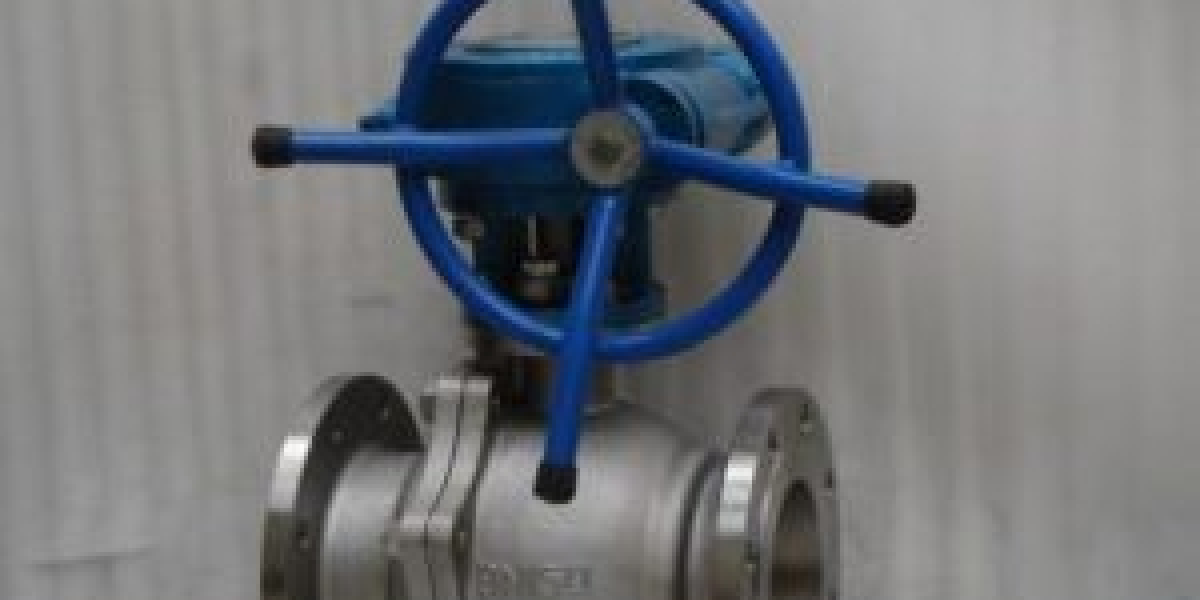 Ball Float Valve Manufacturers in India
Speciality Valve is one of the renowned Ball Float Valve Manufacturers in India
-
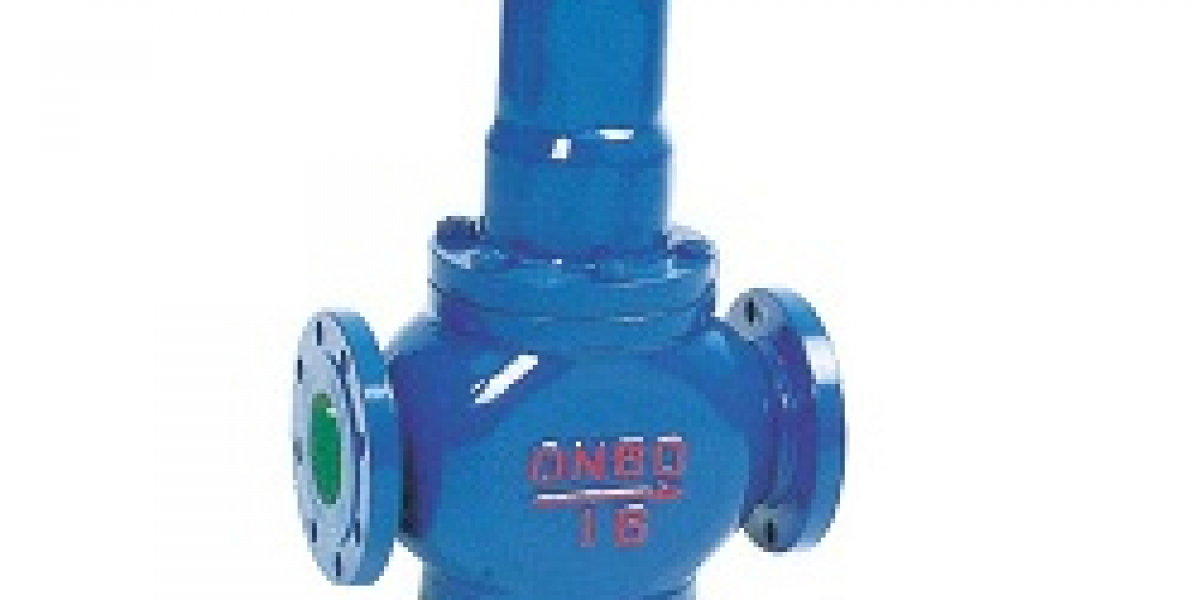 Water Pressure Reducing Valve Manufacturer in India
Speciality Valve is a trustworthy Water Pressure Reducing Valve Manufacturer in India
-
 Your Guide to Auto Loans
3. Legal Repercussions: In some instances, extended delinquency could result in authorized action from the lender, together with assortment efforts or lawsuits.
-
 The Essential Guide to Small Loans
Additionally, the quick processing occasions related to small loans could be a game-changer.


