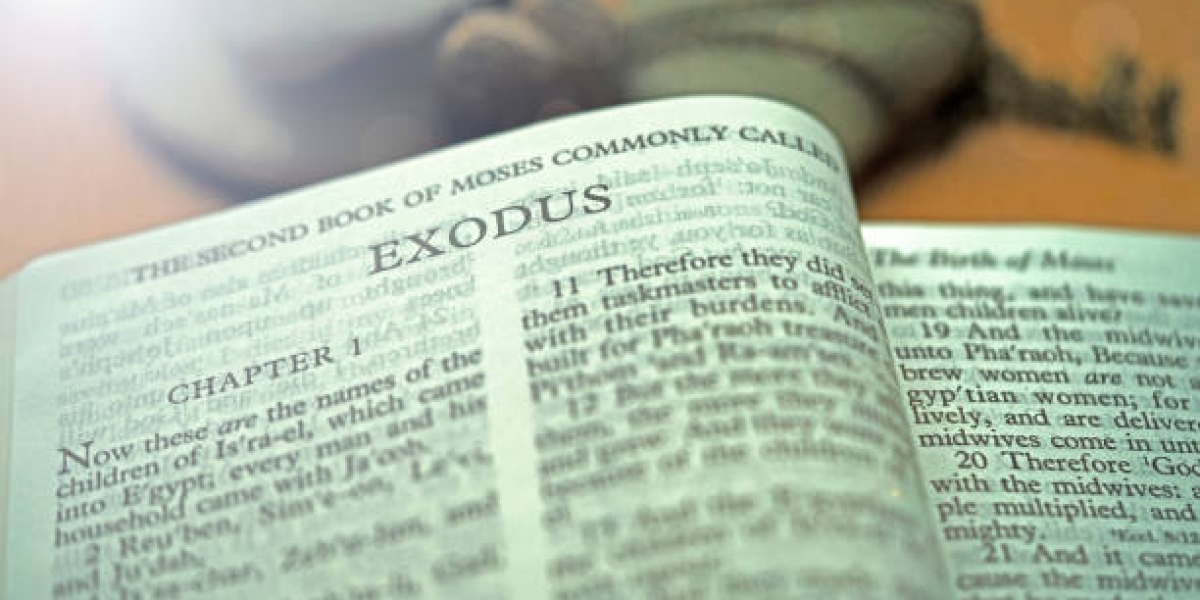
The Book of Exodus stands as one of the most foundational texts in the Hebrew Bible. It not only recounts the liberation of the Israelites from Egyptian bondage but also establishes the divine laws that shape their identity as God’s chosen people. More than a historical record, Exodus presents a theological framework where law, covenant, and moral order unite to reveal God’s character and purpose.
Divine law is central to the Book of Exodus because it transforms a group of slaves into a covenant community. Through revelation at Mount Sinai, the Israelites receive guidance that defines their relationship with God and with one another. The laws are not mere regulations but expressions of divine holiness, justice, and mercy. The narrative’s power lies in how liberation and law intertwine—freedom is incomplete without moral direction, and obedience becomes the path to true identity and spiritual purpose.
The Context of Divine Revelation
The Journey from Bondage to Freedom
The story of the Book of Exodus begins in Egypt, where the Israelites endure severe oppression under Pharaoh’s rule. God hears their cries and raises Moses to deliver them. The dramatic sequence of plagues and the crossing of the Red Sea demonstrate God’s sovereignty over earthly powers.
Yet, liberation from slavery is only the beginning. The journey to Mount Sinai marks a transition from physical freedom to spiritual formation. The people who once knew only forced labor must now learn obedience, discipline, and faith. The Exodus narrative teaches that deliverance without law leads to chaos. Thus, divine law becomes a gift that shapes freedom into order.
The Theophany at Mount Sinai
At Mount Sinai, the people witness God’s glory through thunder, lightning, and smoke. This powerful theophany underscores the holiness of the divine encounter. Moses ascends the mountain to receive the Ten Commandments, which become the heart of Israel’s covenant.
The scene emphasizes the majesty of God and the seriousness of the covenant relationship. The law is not a human creation but a divine revelation. It comes directly from God, establishing His authority and setting the standard for communal and moral life.
The Ten Commandments as the Foundation of Divine Law
The Moral Core of the Covenant
The Ten Commandments, or Decalogue, serve as the foundation of divine law in the Book of Exodus. They summarize the ethical and spiritual responsibilities of the covenant people. The first part addresses the relationship between humanity and God—commandments about worship, idolatry, and reverence for the divine name. The second part focuses on interpersonal conduct, prohibiting murder, theft, and false testimony.
These commandments reveal that divine law encompasses both spiritual devotion and moral integrity. They establish a balanced framework where love for God and respect for others coexist. In the Book of Exodus, obedience to these laws defines what it means to live under God’s covenant blessing.
The Law as a Reflection of Divine Character
The divine law reveals God’s character as righteous, compassionate, and holy. The laws are not arbitrary commands but reflections of divine nature. By following them, the Israelites become a people who mirror God’s justice in their social and personal lives.
When the Book of Exodus presents laws concerning worship, sacrifice, and daily conduct, it shows that holiness extends into every area of existence. Through the law, God calls His people to live differently from surrounding nations—to become a light to the world by embodying divine values.
The Covenant and Community Identity
The Covenant Relationship
The Sinai covenant is one of the most significant events in the Book of Exodus. After God delivers Israel from Egypt, He enters into a formal agreement with them, declaring, “You shall be my treasured possession among all peoples.” This covenant is sealed with words and blood, symbolizing commitment and sacred obligation.
Divine law serves as the framework of this covenant relationship. It defines the terms of belonging and establishes mutual responsibilities. God promises protection and guidance, while the people pledge obedience. This relationship is rooted in grace, for the law follows deliverance—not the other way around. The Israelites are not saved by law but guided by it.
The Formation of a Holy Nation
The giving of divine law transforms the Israelites from a disorganized crowd into a structured nation. They receive not only moral laws but also civil and ceremonial instructions. These cover issues such as property, justice, worship, and community purity.
Through this legal framework, the Book of Exodus presents Israel as a holy nation distinct from others. Every aspect of life, from worship in the tabernacle to social interactions, reflects the divine order. The law binds the community together in unity, shaping its moral and spiritual character.
The Role of Moses as Mediator of the Law
Moses’ Divine Calling
Moses stands at the center of the Book of Exodus as the mediator between God and the people. Chosen from birth for a divine mission, he serves as prophet, leader, and lawgiver. His encounters with God—especially at the burning bush and Mount Sinai—highlight his unique role as the one who receives and transmits the divine law.
As a mediator, Moses represents both divine authority and human responsibility. He listens to God’s instructions and communicates them faithfully to Israel. His leadership demonstrates that divine law is relational; it requires both revelation from above and obedience from below.
The Renewal of the Covenant after Disobedience
One of the most dramatic moments in the Book of Exodus occurs when the Israelites build the golden calf while Moses is on the mountain. This act of idolatry breaks the covenant, showing how easily humans turn away from divine law. Moses intercedes for the people, pleading for mercy.
God’s response reveals both justice and compassion. He punishes sin but renews the covenant, reaffirming His commitment to Israel. This renewal underscores the grace that sustains the law. The law is not merely a demand for perfection but an invitation to repentance and restored relationship.
The Tabernacle and the Presence of God
The Law and Worship
After the giving of the commandments, the Book of Exodus devotes much attention to the construction of the tabernacle. This sacred space becomes the dwelling place of God among His people. The detailed instructions about its design and rituals illustrate that divine order extends into worship.
The law governs how the Israelites approach God. Through sacrifices, priestly garments, and ritual purity, the people maintain holiness in their relationship with the divine. The tabernacle serves as a visible reminder that obedience and worship are inseparable.
The Law as a Path to God’s Presence
The final chapters of Exodus show God’s glory filling the tabernacle. This powerful image demonstrates that divine presence accompanies obedience. When the people follow God’s instructions, they experience His nearness.
The connection between law and presence is central to the Book of Exodus. The law is not a barrier to God but a bridge that guides humanity toward communion with Him. Through obedience, the Israelites find both purpose and peace.
The Lasting Significance of Divine Law
The Moral and Spiritual Legacy
The divine law of the Book of Exodus continues to shape Jewish and Christian understanding of morality. It establishes the idea that ethical behavior and faith cannot be separated. The Ten Commandments remain a universal moral code, influencing legal systems and personal conduct across cultures.
Hope and Renewal Through Obedience
The narrative teaches that hope lies in following God’s ways. The journey from Egypt to Sinai symbolizes humanity’s movement from bondage to spiritual maturity. The divine law offers direction, discipline, and renewal. It shows that freedom without moral guidance leads to chaos, but obedience brings peace and fulfillment.
Conclusion
The Book of Exodus presents divine law as the central element in God’s redemptive plan. From the liberation from Egypt to the revelation at Sinai, the narrative weaves freedom and obedience into one sacred story. The law reveals God’s holiness, establishes community identity, and provides a moral foundation for all generations.
Divine law is not a burden but a blessing—a guide that leads from chaos to order, from fear to faith, and from rebellion to relationship. Through the law, God’s people learn that true freedom is found not in doing whatever one pleases but in living according to divine will. The Book of Exodus thus remains a timeless witness to the enduring truth that hope, justice, and holiness flow from obedience to the divine law.

freebiblestudyhub
25 posts
-
 Cyber Security Challenges in Kochi's Healthcare Industry
Cyber Security Challenges in Kochi's Healthcare Industry
-
 My LARE Experience: Preparing for Registration as a Landscape Architect
This article shares a personal experience of preparing for the LARE Exam, a key step toward becoming a licensed landscape architect. It highlights the importance of understanding the exam structure, creating a consistent study plan, strengthening professional knowledge, and using practice
-
 Why Ahmedabad Businesses Need Strong Cyber Security in 2026
Ahmedabad has become one of India's fastest-growing business destinations. The city is home to IT companies, manufacturing units, startups, financial institutions,
-
 Essential Research Skills Every UK Student Should Master
This guide covers the essential research skills you need to succeed as a UK student. Let us dive in.
-
 Akaki Tsereteli State University: A Trusted Destination for Higher Education
Explore Akaki Tsereteli State University, its academic environment, admission process, student life, and Akaki Tsereteli State University Fees. Learn why students choose this Georgian university.
-
 Trường Cao đẳng Ngoại ngữ và Công nghệ Hà Nội-Lựa chọn đúng đắn cho mọi người.
Trường Cao đẳng Ngoại ngữ và Công nghệ Hà Nội-FTC là lựa chọn hàng đầu cho các học sinh, sinh viên, cũng như phụ huynh có mong muốn cho con em của mình học tập tại môi trường năng động, sáng tạo, khả năng thực hành và vận d?
-
 Plumbing Careers in 2026: Why Skilled Professionals Are More Important Than Ever
Learn how skilled plumbers support modern construction projects through water supply systems, drainage networks, and advanced plumbing technologies. Discover the growing demand for plumbing professionals in Pakistan and Gulf countries.
-
 MBBS in Malaysia: Why More Students Are Choosing This Destination for Medical Studies
MBBS in Malaysia: Fees, Benefits & Study Opportunities for Students | Education Vibes
-
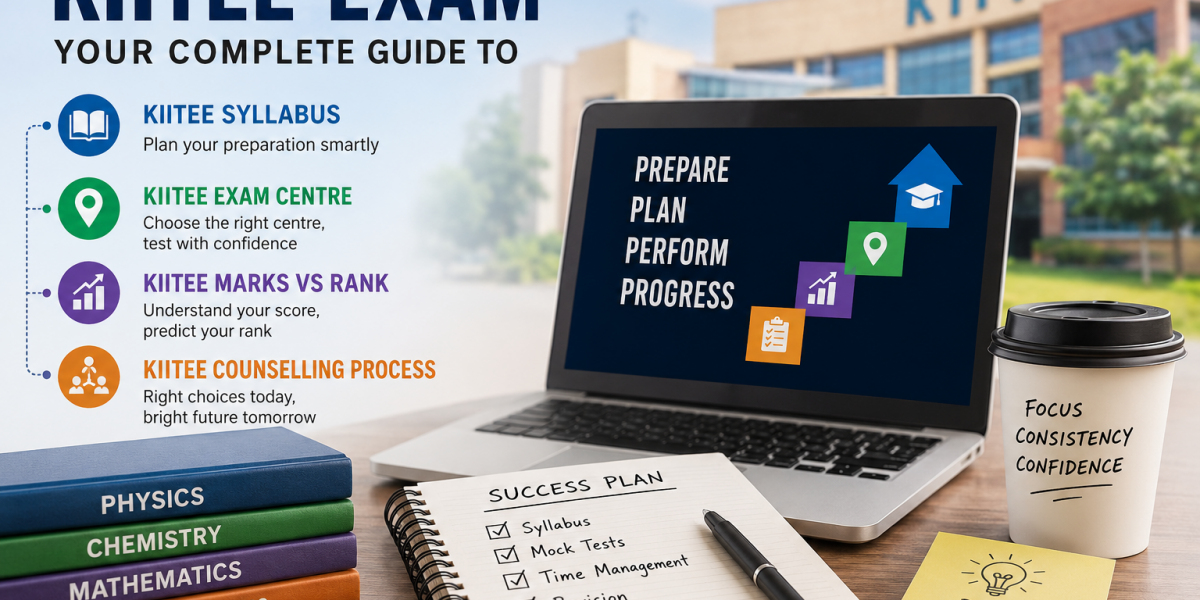 KIITEE exam strategy: How to use KIITEE syllabus, exam centre planning, counselling process and marks vs rank smartly
A trending approach among serious aspirants is smart exam planning. This means preparing with a clear map instead of randomly covering topics. Students who connect preparation with exam-day planning and counselling readiness often feel more confident and make admission decisions.
-
 Grigol Robakidze University: A Modern Destination for Higher Education
Explore Grigol Robakidze University, its academic environment, admission process, student experience, and Grigol Robakidze University Fees. Learn why students choose this university for higher education.
-
 How Can I Learn to Speak Chinese? A Complete Guide to a Chinese Speaking Course
Mandarin Chinese is the most spoken language in the world, with over a billion native speakers. Learning Chinese can help you:


