
Enhanced Vision Systems (EVS) are cutting-edge technologies designed to improve visibility in low-light, obscured, or otherwise challenging visual conditions. Originally developed for aviation, EVS solutions are now increasingly adopted in various sectors, including automotive, defense, maritime, and industrial operations.
By integrating multiple sensor technologies, EVS enhances situational awareness, improves safety, and enables better decision-making in environments where human vision alone may be insufficient.
The enhanced vision systems market includes technologies that improve visibility for pilots and drivers in low-visibility conditions using sensors like infrared, synthetic vision, and GPS. These systems are used in aviation, automotive, and defense sectors. The market is segmented by technology, application, and region, supporting safety and situational awareness.
An Enhanced Vision System (EVS) is a combination of sensors and display technologies that collect, process, and present visual data to provide users with clearer and more comprehensive situational awareness. These systems utilize a range of inputs—such as infrared, thermal imaging, radar, and visible light sensors—to create a real-time, high-resolution display of the surroundings, often in conditions where traditional vision fails.
Detect heat signatures from objects, making them visible in darkness, fog, and smoke. Ideal for identifying people, animals, and vehicles.
Penetrates fog, rain, and dust, providing a robust solution for visibility in adverse weather conditions.
Amplify available light to improve visual clarity in dimly lit environments without the need for artificial illumination.
Often paired with EVS in aviation, SVS uses GPS and terrain databases to create a virtual image of the environment, enhancing navigation and safety.
Project critical visual data directly into the operator's field of view, reducing the need to look away from the task at hand.
Helps pilots land in poor visibility conditions such as fog or at night.
Used in both commercial and military aircraft to reduce the risk of runway excursions and improve navigation.
Enhances driver visibility during nighttime, in heavy rain, or through fog.
Used in advanced driver-assistance systems (ADAS) to detect pedestrians, animals, and obstacles.
Increases operational capability during night missions or in hostile environments.
Deployed in aircraft, ground vehicles, and helmets to improve situational awareness.
Assists in docking and navigation under low visibility conditions.
Enhances safety in ports and open water during nighttime operations.
Improves safety and efficiency for operators of heavy machinery in dust, smoke, or low-light conditions.
Useful in rescue operations and inspections in hazardous areas.
Improved Safety: Reduces the risk of accidents in challenging environments.
Greater Situational Awareness: Offers a comprehensive view beyond human sight.
Operational Efficiency: Enables continued operations during adverse conditions.
Versatility: Applicable in a wide range of industries and vehicles.
Cost Savings: Reduces delays and operational risks associated with poor visibility.
High Cost: Advanced EVS equipment can be expensive to purchase and maintain.
Integration Complexity: Requires seamless integration with existing systems and platforms.
Training Requirements: Users may need training to interpret and utilize EVS effectively.
Regulatory Compliance: Especially in aviation and automotive sectors, EVS must meet stringent safety standards.
AI and Machine Learning: Enhancing object detection, recognition, and decision-making in real time.
Miniaturization: Smaller, lighter components suitable for integration in consumer vehicles and drones.
Augmented Reality (AR): Overlaying information directly onto live images for improved user interaction.
5G and Connectivity: Enabling faster data processing and remote monitoring.
Enhanced Vision Systems are revolutionizing how humans interact with their environments, especially in visually compromised scenarios. By bridging the gap between human limitations and environmental challenges, EVS provides a technological edge that is crucial for safety, precision, and efficiency across numerous industries. As the technology continues to advance, its applications will only broaden, further embedding EVS into our daily and professional lives.
Related Reports:

Shraddha Dhumal
31 posts
-
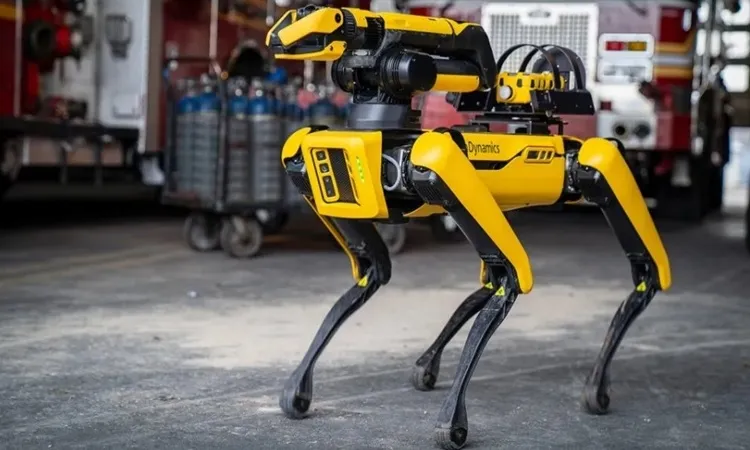 Những robot động vật giải quyết thách thức kỹ thuật
Lấy cảm hứng thiết kế từ tự nhiên, một số robot động vật đáp ứng xuất sắc các nhiệm vụ khó khăn từ giám sát công nghiệp tới thám hiểm dưới nước.
-
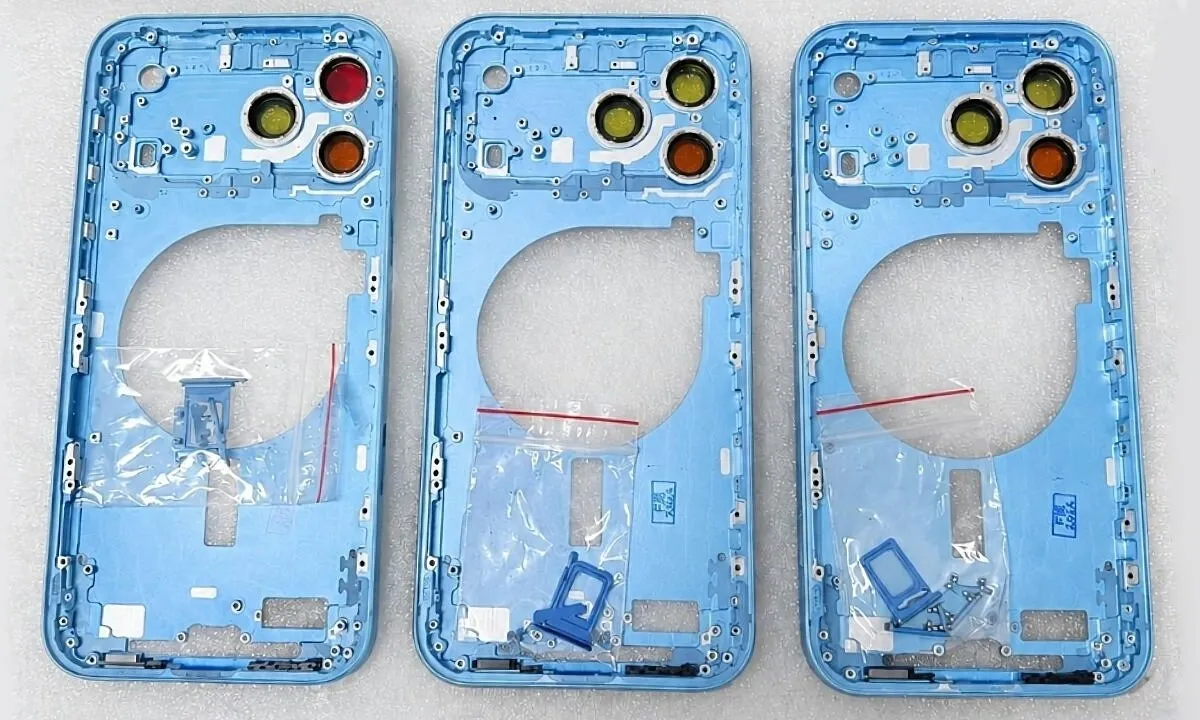 Rò rỉ khung iPhone 18 Pro với ba màu mới
Một số hình ảnh được cho là khung sườn của iPhone 18 Pro xuất hiện trên mạng, cho thấy các tùy chọn màu sắc thực tế của sản phẩm.
-
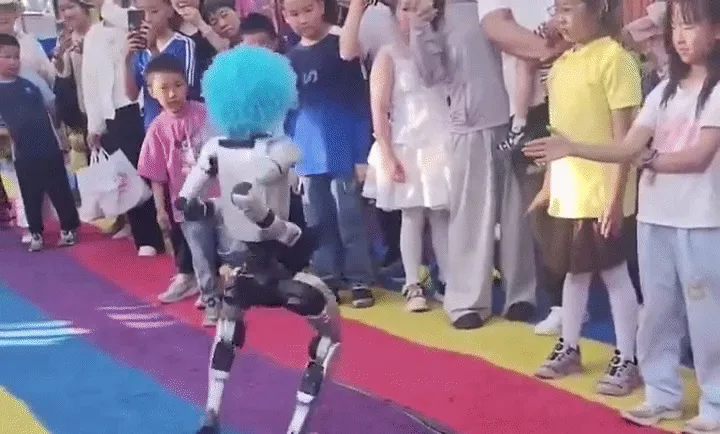 Robot 'chú hề' đá trúng khán giả nhí
Khi biểu diễn trước đám đông tại Tân Cương, robot hình người G1 của công ty Unitree vô tình đá vào bụng một cậu bé đứng xem.
-
 Các mẫu laptop gaming nổi bật của ROG 20 năm qua
Dòng Zephyrus G14 mỏng nhẹ, Zephyrus Duo với màn hình đôi, Flow Z13 thiết kế lai tablet là các mẫu laptop gaming đặc biệt của ROG.
-
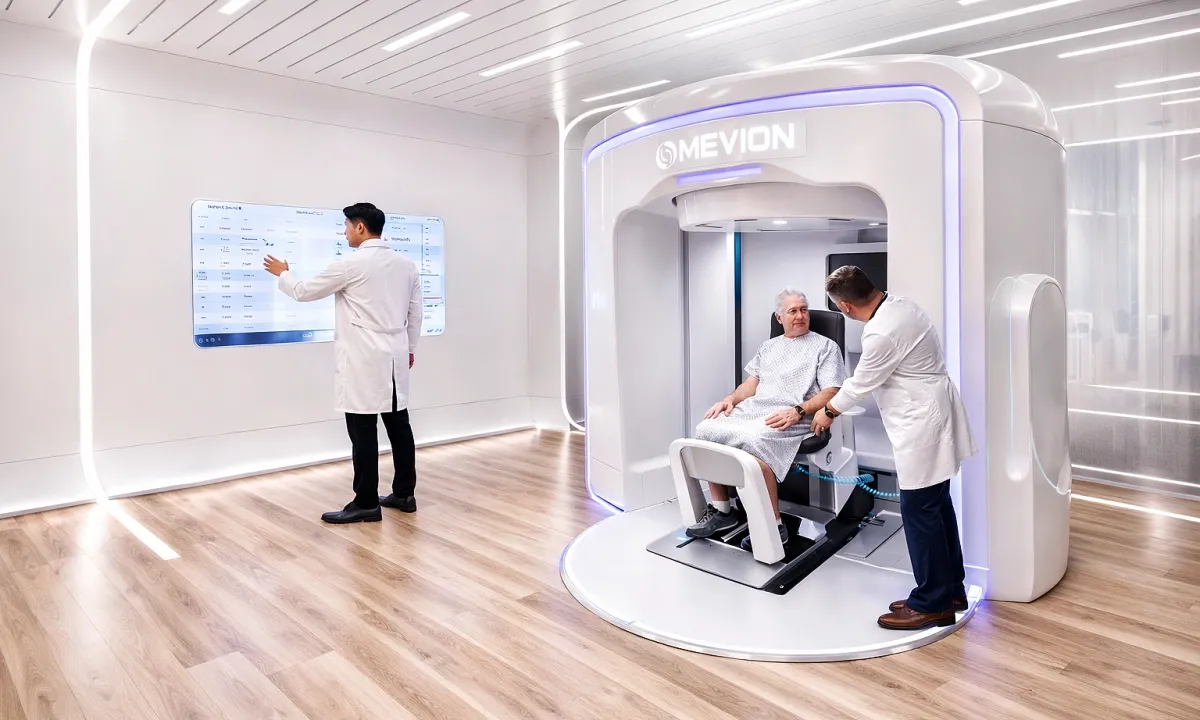 AI hỗ trợ xạ trị trúng đích trong 'siêu máy' 2.000 tỷ đồng
Máy proton Mevion S250-FIT dùng AI tấn công khối u chính xác và an toàn hơn, là hệ thống xạ trị tư thế ngồi đầu tiên trên thế giới của Mevion (Mỹ), được Bệnh viện Tâm Anh đưa về Việt Nam.
-
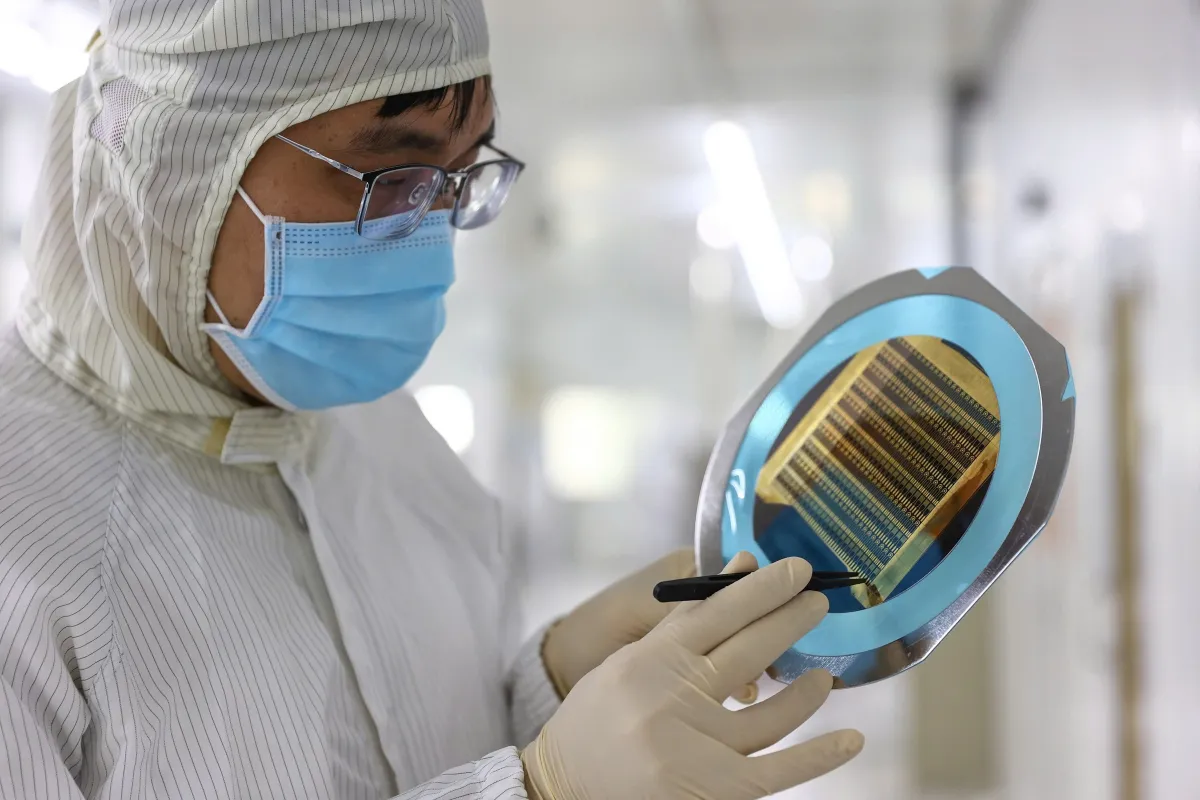 Tái cấu trúc phòng thí nghiệm trọng điểm, làm chủ công nghệ chiến lược
Việt Nam dự kiến xây dựng khoảng 10-15 trung tâm nghiên cứu và phòng thí nghiệm quốc gia quy mô lớn, tập trung vào AI, bán dẫn... phục vụ mục tiêu làm chủ công nghệ chiến lược.
-
 Anthropic: Cần cơ chế dừng phát triển AI toàn cầu
Startup Anthropic cho rằng thế giới cần chuẩn bị phương án giảm tốc hoặc dừng phát triển AI nếu các mô hình có khả năng tự nâng cấp quá nhanh.
-
 Tổng Bí thư, Chủ tịch nước Tô Lâm đề nghị chuyên gia Google hỗ trợ phát triển AI
Trong buổi tiếp ông Eric Schmidt, nguyên Chủ tịch Google, cùng đoàn chuyên gia, Tổng Bí thư, Chủ tịch nước Tô Lâm đề nghị hỗ trợ Việt Nam xây dựng tầm nhìn, chính sách và hệ sinh thái AI.
-
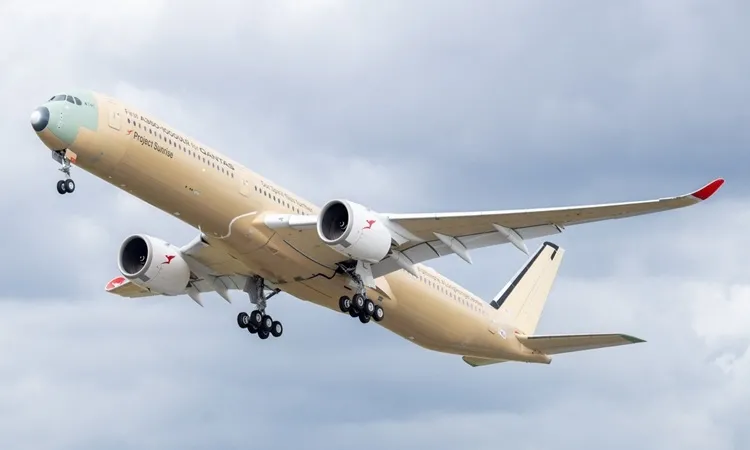 Máy bay chở khách có tầm bay xa nhất thế giới
Máy bay A350-1000ULR của Airbus có thể bay liên tục 22 giờ với tầm bay tối đa lên tới trên 18.000 km.
-
 Apple 'đá xoáy' trình duyệt Chrome
Trong video giới thiệu khả năng bảo mật dữ liệu riêng tư của Safari, Apple ẩn ý trình duyệt Chrome không bảo vệ người dùng trước những kẻ theo dõi.
-
 Tổng Bí thư, Chủ tịch nước Tô Lâm đề nghị Google hỗ trợ xây dựng hệ sinh thái AI
Trong buổi tiếp ông Eric Schmidt, nguyên Chủ tịch Google, cùng đoàn chuyên gia, Tổng Bí thư, Chủ tịch nước Tô Lâm đề nghị hỗ trợ Việt Nam xây dựng tầm nhìn, chính sách và hệ sinh thái AI.


