How does a laser cleaner machine work and what industries benefit from its applications

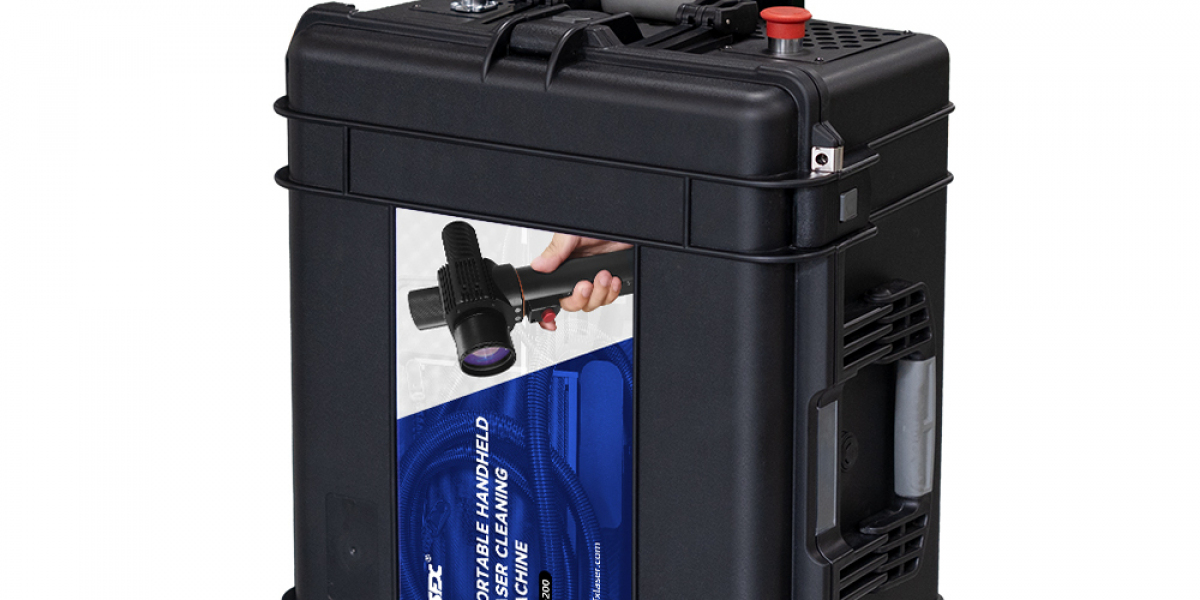
Laser cleaning is a rapidly evolving technology that is revolutionizing the way industrial cleaning processes are carried out. Among various methods of surface cleaning, the laser cleaner machine stands out as a highly effective, precise, and eco-friendly option. The principle behind the laser cleaning machine is based on the interaction between laser energy and the surface contamination.
At its core, the laser cleaner machine uses high-intensity laser beams that are directed at the surface of materials. These beams generate a high amount of energy, which is absorbed by contaminants like rust, paint, oil, or dirt. The energy from the laser excites the surface contamination, causing it to either vaporize, ablate, or be ejected from the material's surface. This process works without the need for any harsh chemicals, abrasives, or water, making it a more environmentally sustainable method of cleaning compared to traditional techniques like sandblasting or chemical cleaning.
The operation of a laser cleaner machine is primarily based on the fundamental physics of light-matter interaction. Laser cleaning involves the following key steps:
Laser Generation: A laser cleaner machine generates high-energy pulses of light, often using a fiber or CO2 laser, depending on the application requirements. The laser light emitted is usually in the infrared or visible spectrum, tailored for different materials and cleaning needs.
Focusing of the Laser Beam: The generated laser beam is directed and focused onto the surface to be cleaned. The beam's intensity is precisely controlled, allowing the operator to adjust parameters such as power and frequency to match the specific cleaning task.
Energy Absorption by Contaminants: Upon hitting the surface, the contaminants on the material absorb the laser light. The absorption leads to rapid heating of the contaminants, causing them to evaporate or be ejected as fine particles.
Ablation and Removal: As the contaminants are heated, they either vaporize or undergo a process called ablation, where they are physically removed from the surface. The remaining clean material is left untouched by the laser’s interaction, ensuring precision in cleaning without damaging the underlying surface.
Energy Dissipation and Cooling: Once the contaminants have been removed, the energy dissipates, and the surface cools down rapidly. This process is non-destructive to the substrate, making it ideal for delicate or highly precise cleaning tasks.
The versatility of laser cleaning makes it a suitable solution for a wide range of industries, each benefiting from the unique properties of laser cleaning systems.
Metal Industry: One of the most significant applications of laser cleaning machines is in the metal industry. Laser cleaners are used for rust removal, oxide layer cleaning, and preparation of metal surfaces before coating or welding. Unlike traditional methods like grinding or sandblasting, laser cleaning does not require physical contact with the surface, reducing wear and tear on both the machine and the workpiece. This method is also ideal for cleaning intricate metal parts with complex geometries, where traditional methods might not be as effective or precise.
Automotive Manufacturing: In the automotive industry, laser cleaning machines are used for removing contaminants from parts before painting, welding, or assembling. Paint removal from old car parts or cleaning of components such as engines, exhaust systems, and body panels is made easier with laser cleaning, ensuring the parts are free of dirt and rust. Since the process is non-abrasive, the integrity of the parts is maintained, ensuring high-quality finished products.
Electronics and Semiconductor Industry: Laser cleaning is widely used for cleaning electronic components and semiconductor surfaces, where precision is critical. Dust, oxidation, and other contaminants can significantly affect the performance of microelectronics, making it essential to clean components without causing any physical damage. The accuracy and gentleness of laser cleaning make it ideal for this highly sensitive industry, allowing for the cleaning of intricate circuit boards, connectors, and chips.
Cultural Heritage Conservation: The preservation and restoration of cultural heritage items, such as sculptures, paintings, and monuments, benefit significantly from laser cleaning. For example, laser cleaning is used to carefully remove dirt, grime, or unwanted layers from delicate artifacts without damaging the original material. The precision of the laser ensures that even the most fragile surfaces can be cleaned effectively, preserving the integrity of the artwork.
Marine Industry: The marine industry relies heavily on laser cleaning for the maintenance of ship hulls and other metal surfaces exposed to the harsh marine environment. Salt, barnacles, and other marine organisms can accumulate on the surface of ships, leading to corrosion and reduced efficiency. Laser cleaning removes these contaminants without harming the protective coating or the metal surface underneath, extending the lifespan of the vessels and reducing maintenance costs.
Food and Pharmaceutical Industry: In food and pharmaceutical manufacturing, cleanliness is paramount, and contamination must be avoided at all costs. Laser cleaning machines are increasingly being used to clean equipment, machinery, and surfaces in these sectors. The non-contact nature of laser cleaning ensures that there is no risk of contamination from cleaning agents or abrasives, making it a preferred method in highly regulated environments such as clean rooms and pharmaceutical production facilities.
Aerospace Industry: The aerospace industry also benefits from laser cleaning technology, particularly for cleaning aircraft parts, engines, and structural components. Laser cleaning is essential in removing paint and coatings from parts, preparing them for new coatings, or simply maintaining their structural integrity. Additionally, laser cleaning is used in repairing and refurbishing aerospace components, such as turbine blades, where precision cleaning is critical to ensure their performance and safety.
While this article does not delve into advantages and disadvantages directly, it is important to mention the overall positive impact that laser cleaning machines have had across industries. The ability to perform cleaning tasks with high precision, minimal waste, and no need for chemicals or abrasive materials has made laser cleaning an attractive option for many industries.
The laser cleaning process not only improves efficiency but also helps reduce environmental pollution caused by traditional cleaning methods that rely on chemical solvents or abrasive materials. Additionally, the flexibility of the system allows for easy adaptation to various materials and surface types, increasing its utility in different applications.
The development of laser cleaning technology is still ongoing, with continuous improvements in efficiency, portability, and affordability. As industries continue to adopt more sustainable practices and look for innovative ways to streamline their manufacturing and maintenance processes, the laser cleaner machine is expected to see wider adoption across various sectors.
Advancements in laser technology are also opening up new possibilities for applications that were previously considered unfeasible or impractical. The growing trend of automation and robotics is also likely to integrate laser cleaning systems, allowing for hands-free operation and greater scalability in industrial environments.
As industries continue to look for ways to improve operational efficiency while minimizing environmental impact, the laser cleaner machine presents a compelling solution. With its wide-ranging applications and potential for growth, it is clear that this technology will play an increasingly significant role in industrial cleaning and maintenance for years to come.
john carter
31 posts
-
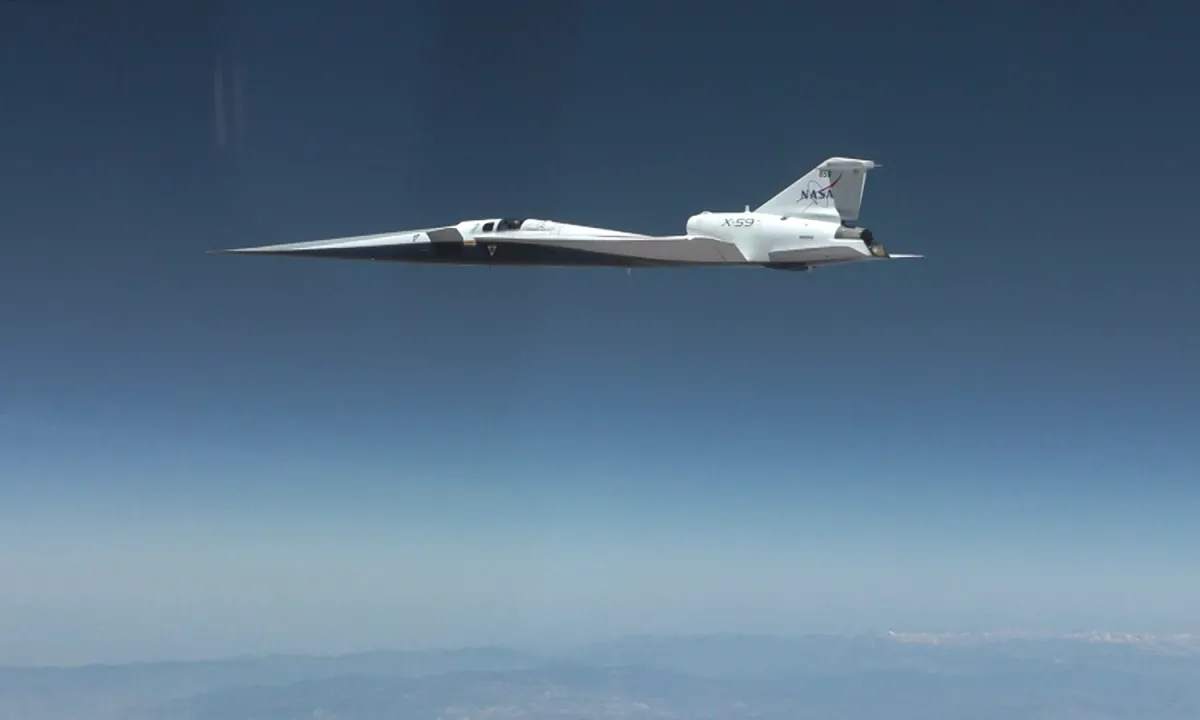 Máy bay X-59 của NASA lần đầu đạt tốc độ siêu thanh
X-59, máy bay thử nghiệm giúp phát triển công nghệ bay siêu thanh yên tĩnh của NASA, đạt cột mốc quan trọng khi lần đầu vượt tốc độ âm thanh.
-
 Hackers trick Meta AI support bot to infiltrate Obama White House Instagram account
Breach of high-profile accounts raises concerns about reliance on AI for security measures such as passwords
-
 25 triệu thuê bao di động sắp bị khóa một chiều
Theo Cục Viễn thông, 25 triệu thuê bao không xác nhận trạng thái sử dụng trên VNeID sẽ bị khóa sau ngày 15/6.
-
 Google owner Alphabet to sell $80bn in stock to fund AI spending spree
Markets take note as world’s biggest equity fundraiser bids to garner more money than the three biggest-ever IPOs combined
-
 Anthropic surges as OpenAI struggles to keep up
Stock market filing illustrates AI company’s meteoric rise, while California’s tech billionaires pour cash into elections
-
 '20 phút kinh hoàng' và những cuộc gọi giả mạo giọng nói
Liz Benz vẫn tin người gọi điện cho bà trong tình trạng hoảng loạn là con trai 16 tuổi, vì giọng điệu và cách phát âm đều trùng khớp.
-
 YouTube overtakes Netflix in average daily viewing around the world
Analysts say Alphabet-owned platform’s evolution is one of the defining media shifts of the decade
-
 We’d love to leave X, but sadly have little choice
Letters: Mat Watkinson and Keith Flett respond to Jonathan Liew’s article asking why many self-professed progressives still use Elon Musk’s social media platform
-
 The risks of inviting AI into the heart of our economy, society and governance
Letters: Readers respond to an article by Nesrine Malik on what we lose when we trust machines over humans
-
 What do UK watchdog’s new rules on Google AI results mean for publishers?
Giving publishers power to block their content from being used in AI summaries will have global ramifications
-
 Labour MP sues Elon Musk’s xAI company over fake sexualised images
Jess Asato was portrayed wearing a bikini in Grok-generated images after she criticised creation of such non-consensual pictures


