In today's global market, ensuring that products meet high standards of safety and quality is crucial. One of the key ways to guarantee this, especially for products sold in Europe, is through CE marking. But what exactly is CE marking, and how does it influence product safety and quality? Let’s dive into it and explore how CE marking, along with other certifications like WPC certification, BIS registration, and trademark registration, affects products in the European market.
What is CE Marking?
CE marking, which stands for “Conformité Européenne” (European Conformity), is a certification that a product meets specific safety, health, and environmental protection requirements set by European legislation. The mark indicates that the product complies with European Union (EU) standards and can be legally sold in the European Economic Area (EEA), which includes all EU member states plus a few others.
The CE mark certification in India is not a quality mark but rather a declaration that the product meets the essential requirements of relevant European directives. It is required for many products, including electronics, toys, machinery, and medical devices, among others.
How CE Marking Ensures Product Safety
- Regulatory Compliance: CE marking ensures that products comply with European safety and health regulations. These regulations are designed to protect consumers from harmful products and ensure that only safe and reliable products reach the market. For example, a toy with CE marking must meet stringent safety standards to prevent choking hazards or other risks to children.
- Risk Management: Manufacturers are required to assess and manage the risks associated with their products. This involves identifying potential hazards and implementing measures to mitigate them. For instance, electronic devices must be tested to ensure they don’t pose electrical hazards or interfere with other devices.
- Testing and Certification: Many products need to undergo rigorous testing and certification processes before they can receive CE marking. Independent testing laboratories often conduct these tests to verify that the product meets the required safety standards. This independent verification adds an extra layer of assurance that the product is safe for use.
- Ongoing Compliance: CE marking is not a one-time requirement. Manufacturers must continuously ensure that their products remain compliant with the applicable standards throughout their lifecycle. This means regularly reviewing and updating products as necessary to address any new safety concerns or regulatory changes.
How CE Marking Affects Product Quality
- Standardization: CE marking requires products to meet certain quality standards. These standards are established by European directives and harmonized standards, which are designed to ensure a consistent level of quality across all products. By adhering to these standards, manufacturers help maintain high-quality benchmarks that benefit consumers.
- Consumer Confidence: When consumers see the CE mark on a product, they know that it meets European safety and quality standards. This builds trust and confidence in the product, knowing that it has been assessed and deemed safe for use. For manufacturers, this can translate into a competitive advantage and increased market acceptance.
- Market Access: CE marking opens up access to the European market, which is one of the largest and most lucrative markets in the world. By complying with CE requirements, manufacturers can avoid barriers to entry and expand their reach to a broader audience. This can drive business growth and improve overall product quality as manufacturers strive to meet high standards.
- Product Improvement: The process of obtaining CE marking often involves identifying areas for improvement in a product’s design and functionality. This can lead to innovations and enhancements that improve the overall quality of the product. Manufacturers are motivated to continually enhance their products to not only meet but exceed the required standards.
The Role of Notified Bodies
For some products, manufacturers must work with notified bodies, which are independent organizations designated by EU member states to assess conformity with specific directives. These bodies play a critical role in ensuring that products meet the required standards. They conduct thorough evaluations, including testing and inspections, to verify compliance. The involvement of notified bodies adds credibility to the CE marking process and ensures that products meet high safety and quality standards.
CE Marking and Global Trade
CE marking also has implications beyond the European market. Many countries outside the EU recognize CE marking as a mark of quality and safety. This recognition can facilitate international trade and help manufacturers expand their markets globally. However, it’s important to note that while CE marking opens doors in Europe, different countries may have their own regulations and standards.
Other Relevant Certifications and Registrations
While CE marking is crucial for products entering the European market, other certifications and registrations also play important roles in ensuring product quality and market access.
- WPC Certification: The Wireless Planning and Coordination (WPC) certification is required for products that use wireless technology, such as radio frequency (RF) devices. This certification ensures that wireless products comply with Indian regulations for electromagnetic compatibility and spectrum usage. While WPC certification in India is essential for the Indian market, products with CE marking may also require WPC certification if they are sold in India.
- BIS Registration: The Bureau of Indian Standards BIS registration is mandatory for certain products sold in India. This certification ensures that products meet Indian safety and quality standards. Similar to CE marking, BIS certificate registration in India helps ensure that products are safe for use and meet specific performance criteria. For manufacturers exporting to India, obtaining BIS registration in addition to CE marking can facilitate market entry.
- Trademark Registration: Trademark registration protects brand identity and intellectual property. It ensures that a company’s name, logo, or slogan is legally protected from infringement. While trademark registration in India does not directly impact product safety or quality, it plays a crucial role in branding and consumer trust. A registered trademark helps consumers identify and distinguish products, contributing to overall market success.
Challenges and Considerations
- Complexity: The CE marking process can be complex, especially for products that fall under multiple directives or require extensive testing. Manufacturers need to understand the specific requirements for their products and ensure compliance with all relevant standards. Similarly, obtaining WPC certification, BIS registration, and trademark registration involves navigating different regulatory processes.
- Costs: Obtaining CE marking and other certifications can involve costs related to testing, certification, and documentation. Manufacturers must factor these costs into their budgets and consider them as part of their overall product development process.
- Ongoing Compliance: Ensuring ongoing compliance with CE requirements and other certifications can be challenging. Manufacturers must stay informed about changes in regulations and standards and make necessary updates to their products and processes.
Conclusion
CE marking plays a crucial role in ensuring product safety and quality in the European market. By complying with European regulations and standards, manufacturers can provide products that are safe, reliable, and of high quality. The CE mark not only benefits consumers by offering assurance of safety but also helps manufacturers gain access to one of the largest markets in the world.
Alongside CE marking, certifications like WPC, BIS registration, and trademark registration are also important for global market access and product success. Each certification addresses different aspects of product quality and market requirements, contributing to a safer and more reliable global marketplace. Understanding and adhering to these requirements is essential for any manufacturer looking to enter or expand in international markets. By doing so, they contribute to a safer, higher-quality global market and enhance their competitive edge.

Tanu Sharma
7 posts
-
 Lana煙彈是否有二手菸?你應該知道的真相
隨著電子煙普及,許多人開始將傳統紙菸替換為更為便利、氣味較低的封閉式煙彈產品,如Lana煙彈
-
2025年電子菸市場新興品牌介紹
2025年電子煙市場持續蓬勃,新興品牌憑藉創新技術與獨特設計快速崛起,吸引新手與資深玩家的目光
-
IQOS主機:全球菸民的智慧之選
自IQOS上市以來,IQOS主機便以其獨特的加熱技術和卓越的吸菸體驗,迅速風靡全球
-
Optimale Häufigkeit für Microneedling: Wann ist der beste Zeitpunkt?
Microneedling ist eine beliebte Methode zur Verbesserung der Hauttextur
-
Microneedling Rötung: Wie lange dauert sie wirklich und was hilft dagegen?
Dr.Pen Microneedling hat sich als effektive Methode zur Hautverjüngung, Narbenbehandlung und Porenverfeinerung etabliert.
-
ウォーターピーリングとマイクロニードル美顔器、どっちがいい?徹底比較!
その中でもウォーターピーリンDr. Penグとマイクロニードル美顔器は注目を集めているデバイスです。しかし、多くの人がどちらを選択すべきか迷っています
-
加熱菸主機怎麼選?IQOS ILUMA全系列購買指南
從電池續航到煙彈相容性,本文提供IQOS ILUMA系列購買決策樹,協助你找到最適合的加熱菸主機。
-
 Join the Satta Matta Matka Revolution
Satta is a game where you choose numbers and bet on them, hoping to match the winning combination. Simple to play, yet full of excitement, Satta offers endless opportunities to win, especially when you play with sattamatkateez.
-
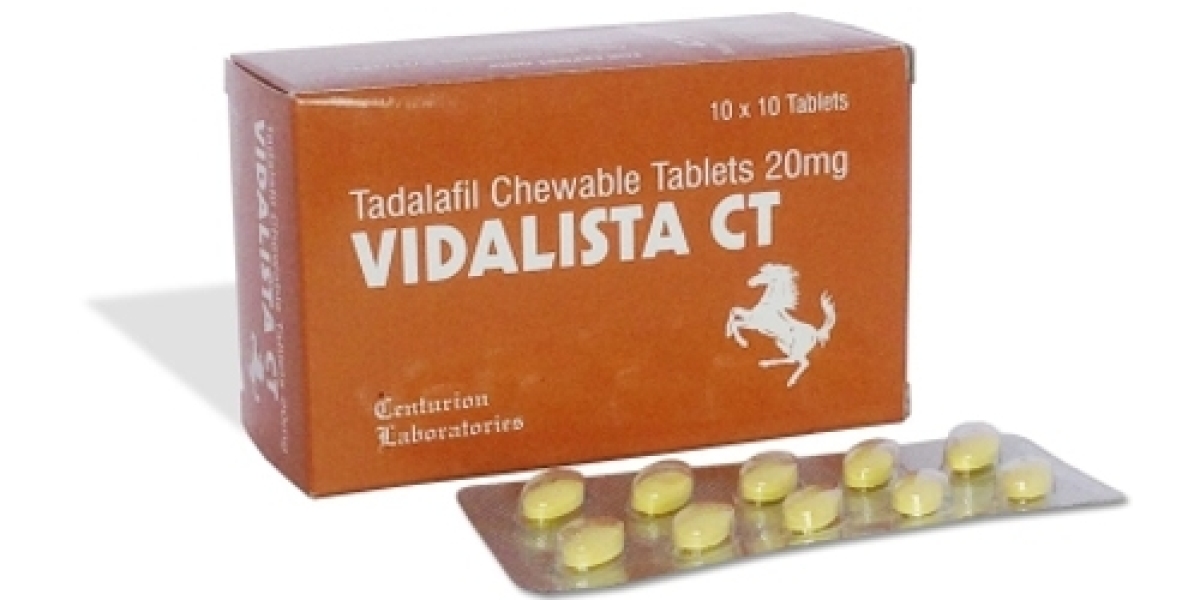 Vidalista CT 20 Mg To Treat Erectile Dysfunction
Everyone's sexual urges are suppressed due to erectile dysfunction; however, since Centurion Lab's vidalista ct 20 drug became available, people have been able to rekindle their passions.
-
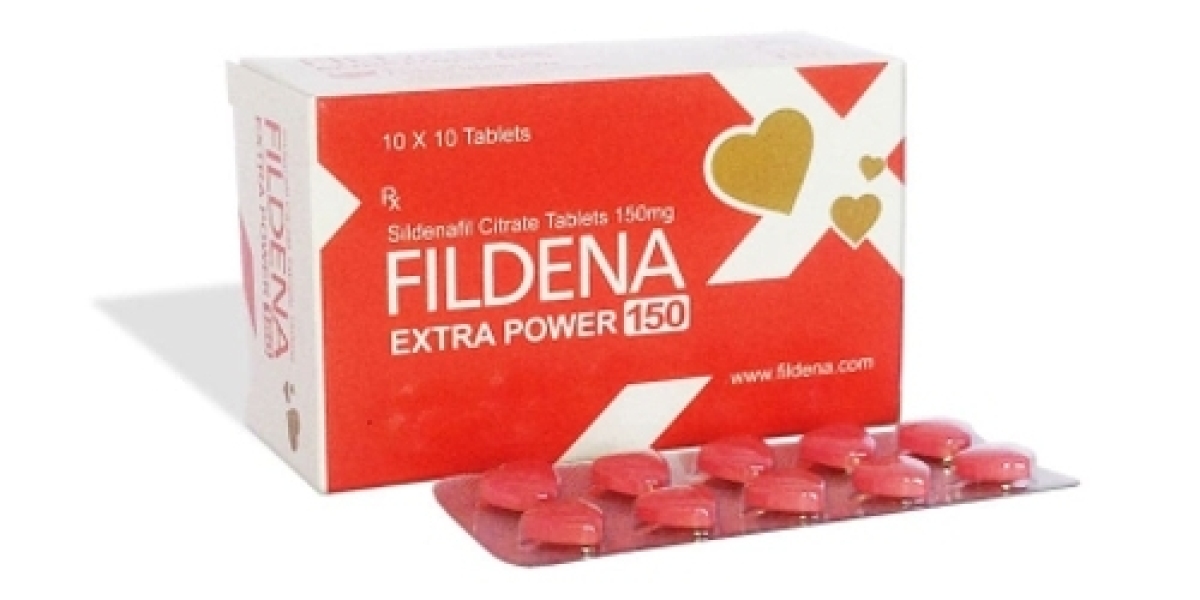 To Get Best Erection Take Fildena 150 Mg
Fildena 150 mg is a generic prescription that uses the same generic drug as other branded medications
-
 To Get Best Erection Take Fildena 150 Mg
Fildena 150 mg is a generic prescription that uses the same generic drug as other branded medications


