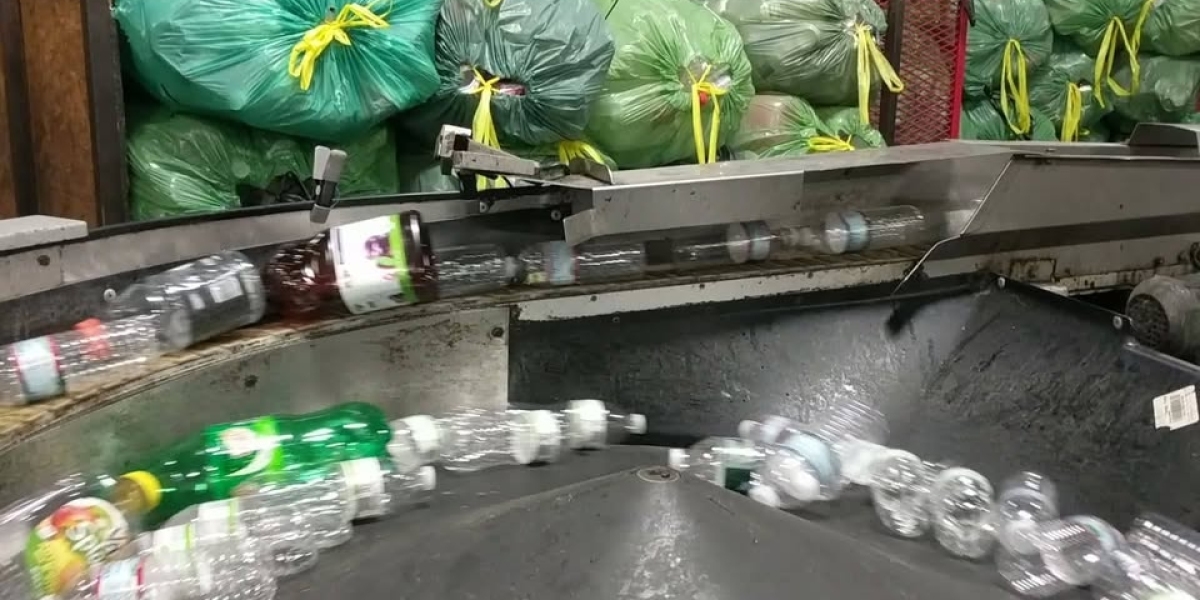
In today’s environmentally conscious world, bottle recycling has become an essential process in reducing waste, conserving resources, and minimizing our carbon footprint. Whether it’s a plastic soda bottle, a glass wine bottle, or an aluminum can, recycling gives these containers a second life. But how does bottle recycling actually work? In this article, we’ll break down the bottle recycling process from start to finish, explain the benefits, and show how your everyday actions contribute to a healthier planet.
What Is Bottle Recycling?
Bottle recycling is the process of collecting, sorting, cleaning, and reprocessing used bottles into new products. This system applies to different materials such as plastic bottles, glass bottles, and aluminum cans. Instead of ending up in landfills or polluting the environment, these containers can be transformed and reused, reducing the demand for raw materials.
Step-by-Step: How Bottle Recycling Works
The first step in the bottle recycling process is collection. This happens through various channels:
In regions with bottle deposit programs, consumers pay a small deposit when purchasing a beverage, which is refunded when the empty bottle is returned. This encourages higher recycling rates and reduces litter.
Once collected, bottles are transported to materials recovery facilities (MRFs) or specialized recycling plants. These facilities are designed to handle large volumes of waste and begin the sorting and processing phase.
Bottles are sorted based on their material: plastic (PET or HDPE), glass, or aluminum. Advanced sorting technology such as optical scanners, magnets, and air jets help separate the materials accurately. This step is crucial because mixed or contaminated materials can ruin entire batches of recyclables.
For plastic bottles, sorting also includes separating them by color and resin type. Glass bottles are typically sorted by color—clear, green, and brown.
Once sorted, bottles undergo a cleaning process to remove labels, adhesives, and any leftover liquid or debris. This step is essential to prevent contamination in the next stage. In plastic recycling, bottles are shredded into flakes or pellets and washed thoroughly to remove any contaminants.
Glass bottles are usually crushed into cullet—small pieces of glass—after cleaning. Aluminum cans are often cleaned and shredded before being melted down.
After cleaning, the bottles are processed into raw materials for reuse:
The final stage of the bottle recycling process involves using the recycled materials to manufacture new products. Recycled plastic might become part of a new water bottle or packaging tray. Recycled glass may be used in new bottles or tiles. Recycled aluminum returns to store shelves as new beverage cans—often within 60 days.
Why Is Bottle Recycling Important?
Recycling bottles reduces the need for raw materials, such as petroleum (for plastics), bauxite ore (for aluminum), and sand (for glass). This saves natural resources and decreases pollution from extraction processes.
Recycling also cuts down on greenhouse gas emissions. For instance, recycling one ton of plastic saves approximately 1,000–2,000 gallons of gasoline.
Producing new products from recycled materials uses significantly less energy. Creating aluminum cans from recycled aluminum uses 95% less energy than making them from raw ore.
By recycling bottles, we reduce the volume of waste sent to landfills, which are rapidly reaching capacity in many areas. This also decreases the chance of bottles ending up in oceans or rivers, where they can harm marine life.
Bottle recycling supports a growing green economy. It creates jobs in collection, sorting, and manufacturing, and contributes to the circular economy—where materials are reused continuously instead of discarded.
Challenges of Bottle Recycling
Despite the benefits, the bottle recycling process faces several challenges:
To overcome these issues, better education, improved recycling technology, and supportive government policies are needed.
How You Can Help
You play a crucial role in making bottle recycling effective. Here’s how:
Conclusion
Understanding how bottle recycling works helps us appreciate the journey that bottles take from our hands back into new products. By actively participating in the recycling process, we can all contribute to reducing waste, conserving resources, and building a more sustainable world

Reddy Chill
2Blog posts
-
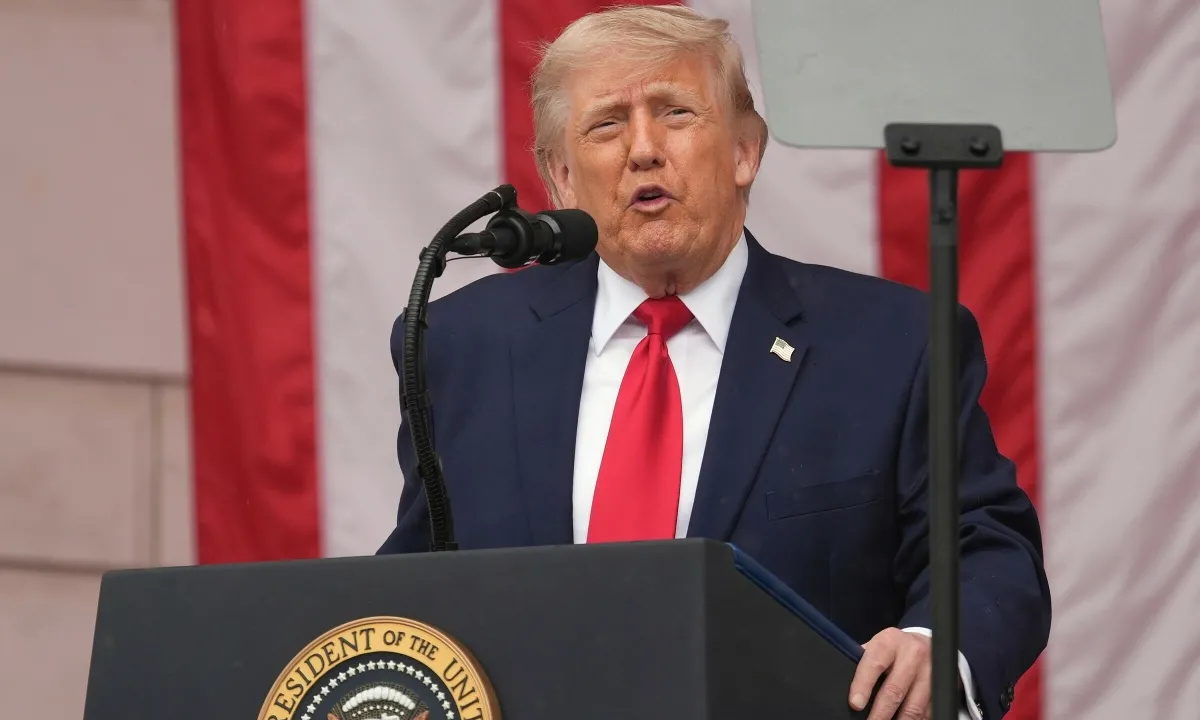 Ông Trump lặng lẽ tái khởi động cỗ máy áp thuế
Tổng thống Mỹ đang tìm cách khôi phục các mức thuế nhập khẩu cũ, nhưng theo cách thận trọng, lâu dài và không ồn ào như trước đây.
-
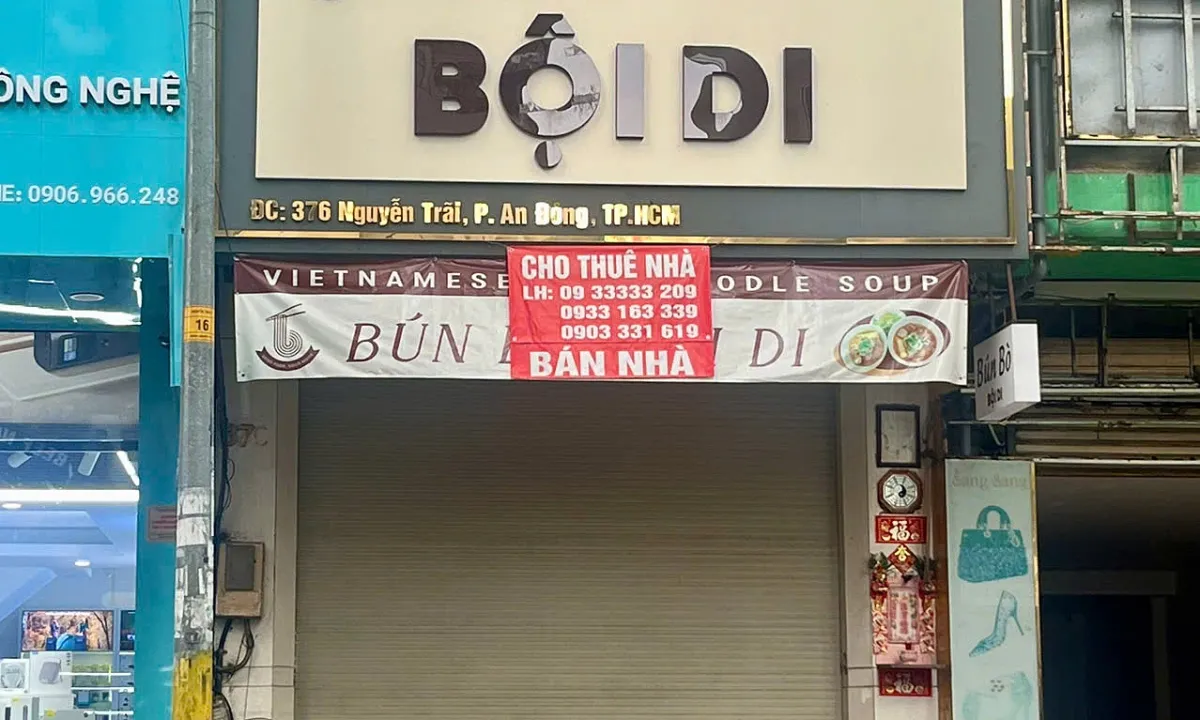 Nhà riêng, nhà phố TP HCM giảm giá vì khó bán
Phân khúc nhà riêng, nhà phố tại TP HCM ghi nhận xu hướng giảm giá bán trong bối cảnh thanh khoản thị trường suy yếu, người mua thận trọng.
-
 Tài khoản ngân hàng hơn 3 năm không giao dịch có thể bị đóng
Ngân hàng có thể chủ động đóng tài khoản rác và tài khoản không giao dịch 3 năm trở lên để hạn chế rủi ro gian lận, lừa đảo.
-
 CEO Nvidia nỗ lực tăng sức hút tại Hàn Quốc
Bữa tối với bia và gà rán năm 2025 cùng Chủ tịch Samsung, Hyundai giúp Jensen Huang biết làm thế nào để thu hút sự chú ý tại Hàn Quốc.
-
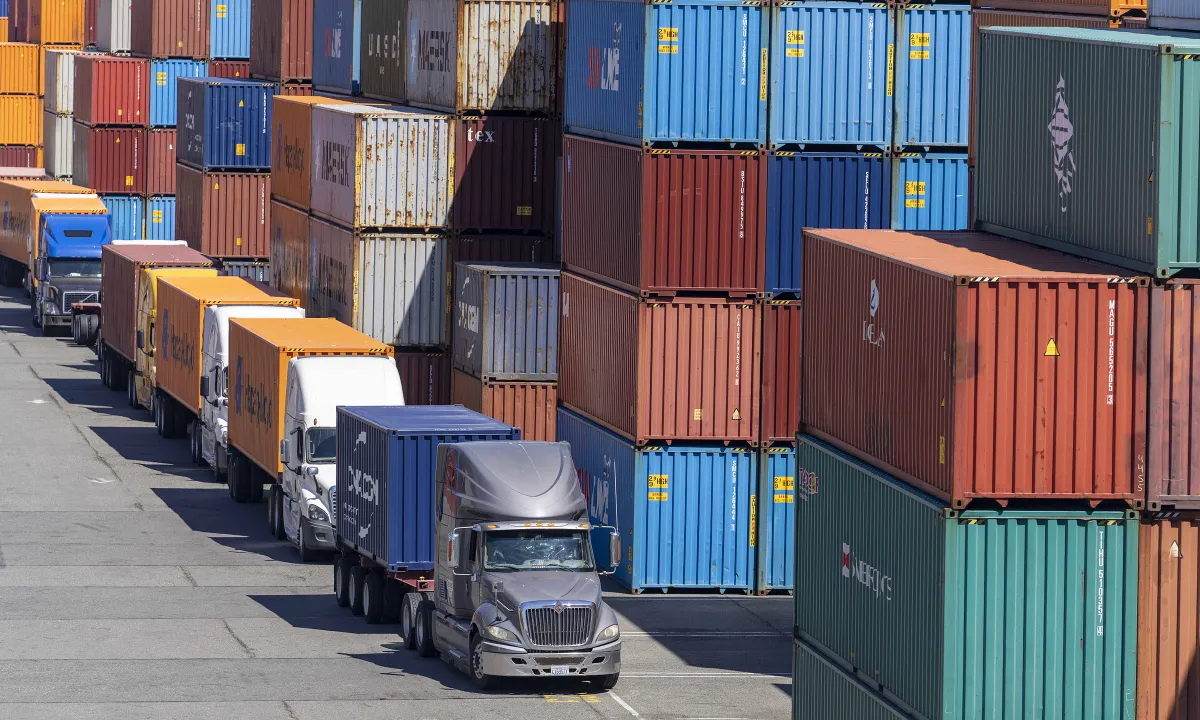 Chính quyền ông Trump đề xuất áp thuế bổ sung với 60 nền kinh tế
Văn phòng Đại diện Thương mại Mỹ đề xuất áp thuế bổ sung đến 12,5% hàng nhập từ 60 nền kinh tế, vì hành vi thương mại không công bằng.
-
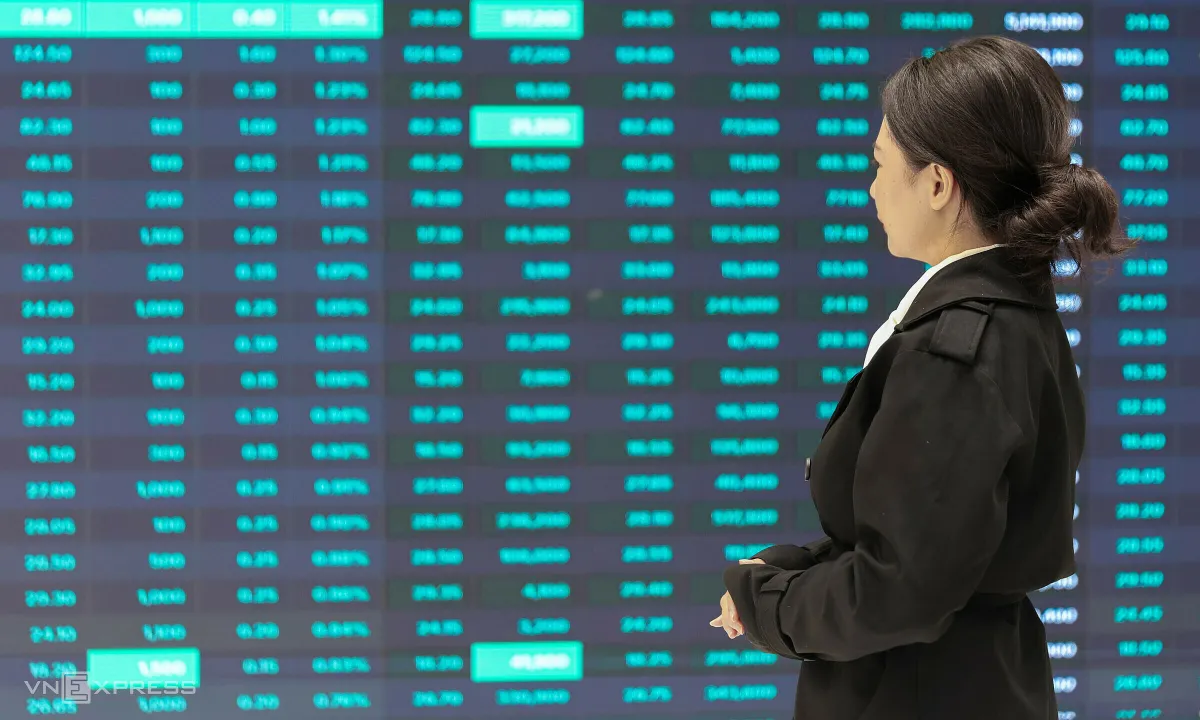 Chứng khoán dứt chuỗi giảm điểm
Sau 7 phiên đi xuống liên tiếp, VN-Index tăng 12,5 điểm nhưng rơi vào tình trạng xanh vỏ, đỏ lòng khi số lượng cổ phiếu giảm chiếm phần nhiều hơn.
-
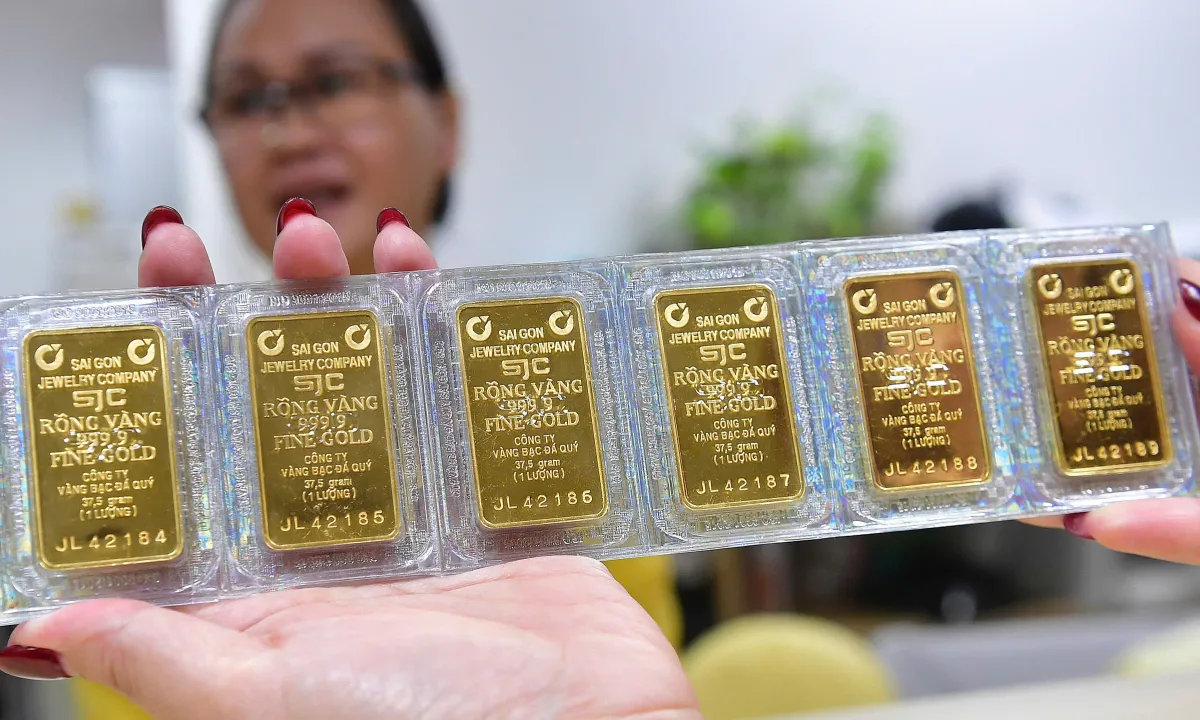 Bộ Tài chính: Chưa đủ căn cứ áp thuế thu nhập với mua bán vàng miếng
Bộ Tài chính cho biết chưa đủ căn cứ áp thuế thu nhập cá nhân với mua bán vàng miếng, vì cần chờ cấp có thẩm quyền thông qua đề án lập sàn giao dịch vàng.
-
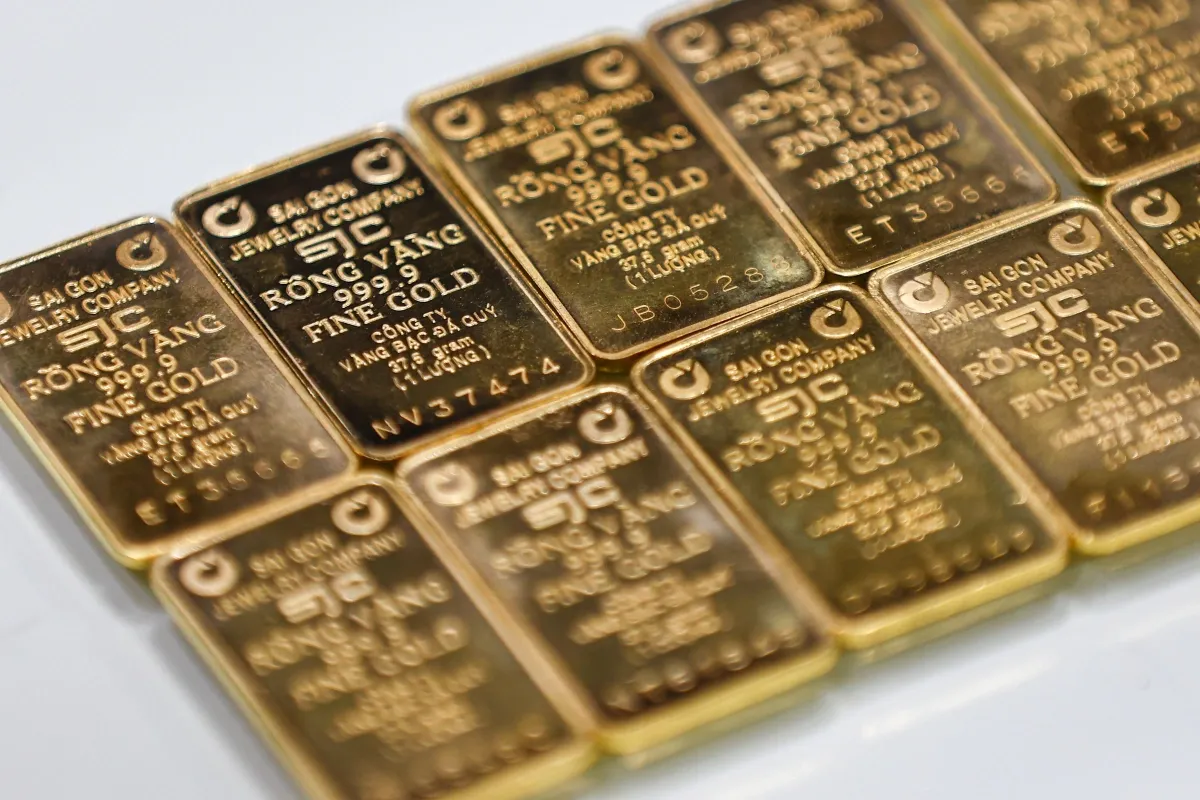 Giá vàng miếng xuống thấp nhất từ đầu năm
Các thương hiệu bán ra vàng miếng quanh mức 156,5 triệu đồng một lượng, thấp nhất từ kể từ đầu năm.
-
 Thủ tướng: Sớm đưa các dự án năng lượng trọng điểm vào hoạt động
Thủ tướng Lê Minh Hưng yêu cầu Bộ Công Thương sớm đưa các dự án năng lượng trọng điểm vào hoạt động, trong bối cảnh thời tiết diễn biến bất thường, nhu cầu điện tăng.
-
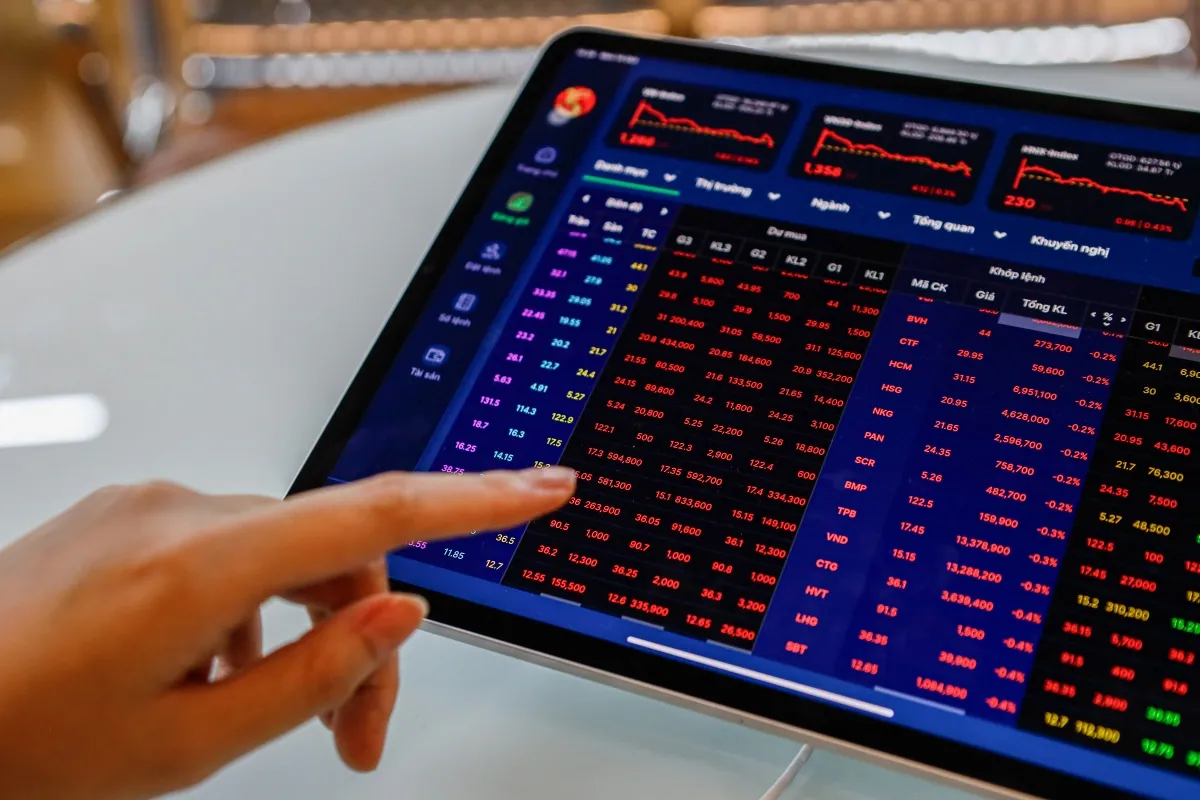 VN-Index chưa cắt chuỗi giảm sâu
VN-Index giảm liên tục 7 phiên và có lúc thủng mốc 1.800 điểm do áp lực xả hàng tập trung vào một số cổ phiếu trụ.
-
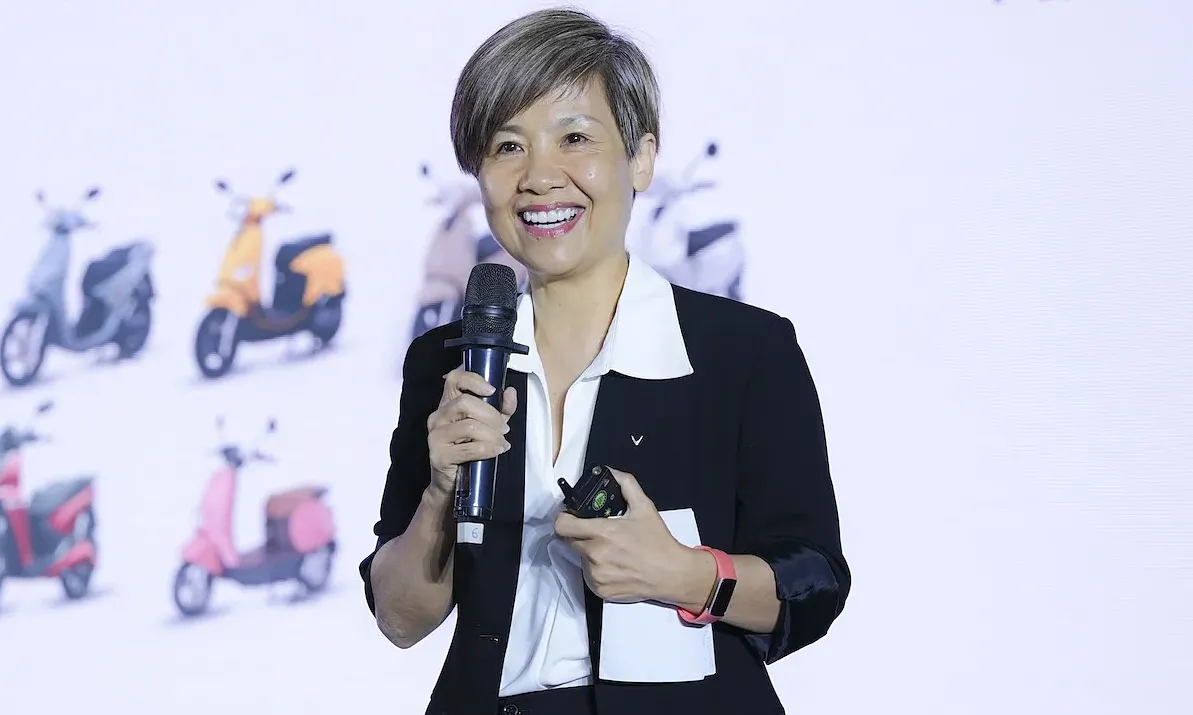 Công ty sở hữu mảng sản xuất của VinFast có Chủ tịch mới
Bà Thái Thị Thanh Hải được bầu làm Chủ tịch của VFTP, doanh nghiệp sở hữu mảng sản xuất cùng hai nhà máy của VinFast tại Việt Nam.


