Greenwrap Market Driven by Demand for Eco-Conscious Solutions in E-Commerce and Last-Mile Delivery Packaging


The greenwrap market is gaining strong traction globally as demand surges for eco-conscious solutions in e-commerce and last-mile delivery packaging. As online shopping continues to boom and environmental awareness deepens, businesses are under increasing pressure to replace traditional plastic-based packaging with sustainable alternatives. Greenwrap, a recyclable, biodegradable, and often compostable material, is quickly becoming a preferred choice across industries focused on sustainable logistics and packaging transformation.
E-commerce brands, logistics providers, and direct-to-consumer businesses are actively seeking packaging that not only protects products during transit but also minimizes environmental impact. Greenwrap meets these needs with its functional design, reduced carbon footprint, and consumer-friendly sustainability profile.
Why Greenwrap Is Emerging in E-Commerce and Delivery Packaging
Traditional e-commerce packaging relies heavily on plastic fillers, bubble wrap, and synthetic materials. These not only contribute to plastic pollution but also pose disposal challenges for consumers. Greenwrap, made from materials such as recycled kraft paper, cellulose fibers, or plant-based substrates, offers a much-needed solution for eco-conscious shipping.
Key Benefits of Greenwrap for E-Commerce:
- Protective Cushioning: Its honeycomb or interlocking structure provides excellent shock absorption.
- Lightweight: Reduces shipping costs and fuel consumption.
- Plastic-Free: Completely eliminates petroleum-based components.
- Recyclable & Compostable: Supports circular economy models.
- Aesthetic Appeal: Enhances the unboxing experience for consumers.
The E-Commerce Boom and Its Environmental Impact
E-commerce has become a dominant force in global retail, with millions of packages shipped daily. However, this convenience comes at an environmental cost:
- Excessive use of plastic wraps and void fillers
- Over-packaging and non-recyclable materials
- Increased landfill waste and greenhouse gas emissions
Governments and environmental organizations are calling for stricter regulations, and consumers are actively demanding better packaging practices. In this context, greenwrap offers e-commerce businesses a way to maintain high-quality packaging while reducing their environmental footprint.
Last-Mile Delivery as a Sustainability Focus
Last-mile delivery—the final leg of a package’s journey to the consumer—is a critical area for sustainable packaging innovation. It's where brand impressions are formed, and packaging waste becomes the customer’s responsibility.
Greenwrap is ideal for last-mile delivery because:
- It is easy for consumers to recycle or compost at home
- It eliminates plastic waste and reduces guilt associated with package disposal
- It fits compactly within boxes, reducing unnecessary space and materials
- It supports brands’ ESG and net-zero goals by lowering emissions
With pressure mounting for carbon-neutral delivery systems, using materials like greenwrap becomes essential for sustainable fulfillment strategies.
Industries Adopting Greenwrap in Shipping
Direct-to-Consumer (D2C) Brands
Subscription boxes, wellness kits, and handmade products are increasingly wrapped in greenwrap to reflect brand values and reduce environmental impact.
Fashion & Apparel
Brands are wrapping shoes, clothes, and accessories in recyclable paper wrap instead of polybags or plastic sleeves.
Beauty & Cosmetics
Glass cosmetic bottles and skincare jars are cushioned using biodegradable wrap that mirrors the brand’s clean, green image.
Home Goods & Electronics
Fragile items are protected with greenwrap during shipping, improving both safety and sustainability.
Greenwrap and Customer Experience
Today’s consumers are highly aware of their environmental footprint. They expect more than just fast delivery—they want guilt-free packaging that aligns with their values. Brands using greenwrap benefit from:
- Positive customer reviews and social media buzz
- Enhanced loyalty from sustainability-minded shoppers
- Fewer returns and damages due to improved protection
- Alignment with green certification programs (e.g., FSC, compostable certifications)
Many customers now evaluate not only the product, but also the packaging it arrives in—and whether it can be responsibly disposed of.
Challenges to Address
While greenwrap adoption is rising, several challenges remain:
- Cost: Sustainable materials can be costlier upfront, although bulk usage and efficiency gains reduce this over time.
- Consumer Disposal Habits: Not all customers know how to compost or recycle greenwrap properly—brands must provide clear guidance.
- Supply Chain Integration: Companies need to update packaging lines to accommodate new materials and formats.
Despite these hurdles, the long-term benefits of switching to greenwrap—including improved brand image and regulatory compliance—make it a strategic investment.
Future Outlook for the Greenwrap Market
The outlook for greenwrap in e-commerce and last-mile delivery is exceptionally strong. Factors that will accelerate growth include:
- Increased regulation on plastic and packaging waste
- Rising interest in zero-waste and low-impact lifestyles
- Continued expansion of direct-to-consumer business models
- Growing integration of circular economy principles in logistics
Technological advancements in material science are also making greenwrap more durable, moisture-resistant, and customizable—broadening its use across industries.
Conclusion
As e-commerce and last-mile delivery volumes continue to rise, so does the responsibility to package sustainably. Greenwrap offers a compelling solution that balances protection, performance, and environmental stewardship. By replacing plastic-heavy materials with recyclable and compostable alternatives, businesses not only meet regulatory and consumer expectations—they become leaders in sustainable innovation.
Aradhana Nair
41 posts
-
 Bedford train crash occurred after train passed red signal and was not stopped, investigators believe
Interim report says other train it hit had halted on line because warning system wrongly caused it to brake
-
 UK warehouse landlord Segro rejects £12.6bn takeover offer from US rival
FTSE 100 firm says Prologis all-share proposal turned down as it falls long way short of its own views on value
-
 Heatwave pushes Great Britain’s grid operator to call for extra electricity from power plants
Neso issues rare summer warning for Wednesday evening, as households turn on fans and air conditioning
-
 Former WH Smith’s small suppliers to lose at least half of debts in rescue plan
If TG Jones’s aggressive restructuring is voted through, the charity Help for Heroes and other creditors will be out of pocket
-
 Elon Musk’s trillionaire status at risk after drops in SpaceX and Tesla’s shares – business live
Rolling coverage of the latest economic and financial news
-
 Card payments outage hits pubs and shops during England match
Customers report having to use cash at stores such as Tesco and to buy drinks due to outage at payments processor WorldPay
-
 Adidas, Uniqlo and Calvin Klein ads banned over ‘recycled’ clothing claims
UK regulator has increased its scrutiny of fashion retailers over potentially misleading environmental statements
-
 Electricity prices jump in Europe as demand soars in the heatwave
Great Britain has paid at least six times the normal price for imported power as millions turn on air conditioning and windfarm output sags
-
 US AI stock sell-off shakes markets from Wall Street to Asia
Losses spread globally as investors questioned soaring valuations and spending on AI infrastructure
-
 Audit firm to Gupta metals empire fined and banned for ‘egregious’ failures
UK watchdog gives King & King severe reprimand for failing ‘to identify clear self-interest’ when conducting audits
-
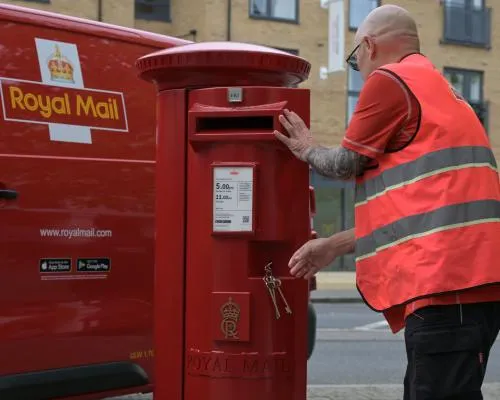 Royal Mail boss’s pay package soars to £6.9m despite profits slide
Martin Seidenberg, chief executive of parent company IDS, handed payouts after takeover of UK postal service


