
By Ross Clarke • June 19, 2026 • Science
Other lives: Academic and author who specialised in the works of the psychoanalyst Ronald Fairbairn
Across his life my father, Graham Clarke, who has died aged 83, travelled on an intellectual journey that took him from the drawing boards of architecture and the mainframes of early computing to the theoretical rigours of psychoanalysis – and specifically to the object relations theory of Ronald Fairbairn, which became the centre of his life’s work. Where Freud had centred psychology on drives and instincts, Fairbairn placed relationships at the heart of human experience, and Graham was keen on showing why that distinction mattered, producing five books and 30 papers on psychoanalysis including, in 2014, the co-edited anthology Fairbairn and the Object Relations Tradition, which grew out of a conference on Fairbairn that he had co-organised at the Freud Museum that year. An ardent cinephile, Graham applied Fairbairn’s framework to films such as Memento, Spirited Away and The Singing Detective, and I was proud to have co-authored a book with him on cinema, Trump and the American Dream (2022). His first book appeared in 2006; his final one, An Introduction to Fairbairn’s Psychology of Dynamic Structure, in 2025. Born in Colchester, Essex, to Nora (nee Prior) and Phil Clarke, who latterly ran a pub together, Graham spent part of his childhood in Sydney, Australia, after his father had joined the merchant navy, before returning to Essex, where he attended Clacton County high school. He then studied architecture at the Bartlett School in London, gaining a BSc, before adding an MSc in computer science. Those years were shaped by the radical atmosphere of the 1960s: he attended the Anti-University of London, where RD Laing and others were dismantling the boundaries between institution and individual, and he demonstrated against the Vietnam war at Grosvenor Square in London. In 1986, having worked for a number of years as a systems analyst at various companies, including Mills & Allen and Marconi, he joined the University of Essex, becoming a visiting fellow there until his death. As a computer officer at the university he worked with colleagues on the Intelligent Buildings Project, inspired by Le Corbusier, exploring how emerging technologies and human psychology might together reshape the built environment. He also pursued studies at the Tavistock Institute in London, completing an MA in psychoanalytic theory there, and then did a PhD at Essex on Fairbairn’s object relations theory. A keen athlete who loved sport, he was a perpetual student who was happiest among friends and family, and never far from a good laugh. Deeply committed to CND and the anti-apartheid movement, it was through his activism that he encountered his second wife, Sandra Davies, a drama teacher whom he met in the early 80s and married in 2002. He is survived by two children, Zoë and me, from his first marriage to Jacky Beck, which ended in divorce, Sandra’s children from a previous relationship, Eleanor and James, and five grandchildren.
Source: The Guardian

Science Daily
50 posts
-
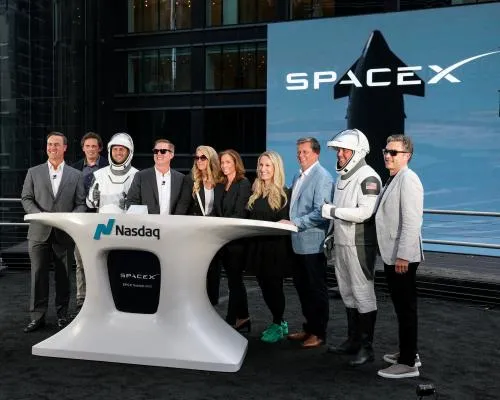 ‘It’s a scam’: Americans express unease over SpaceX’s influence on retirement savings
Guardian readers in the US share concerns about how the SpaceX IPO and AI boom affect their retirement accounts
-
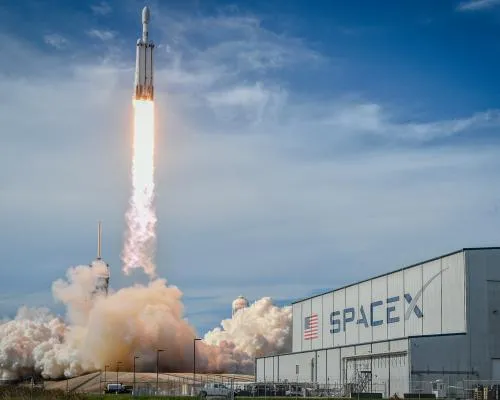 SpaceX makes largest ever stock market debut, making Elon Musk world’s first trillionaire
Initial public offering for aerospace and AI company made Musk the world’s first trillionaire as share prices jumped
-
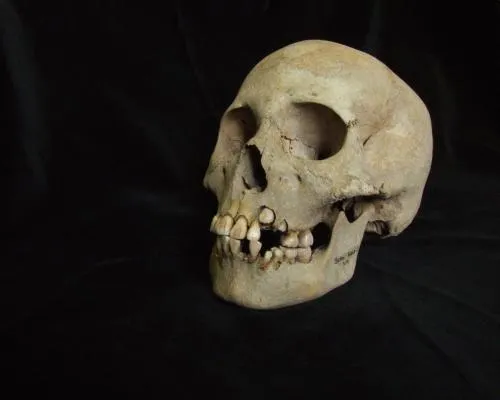 Ancient DNA provides evidence of earliest known plague outbreak
Discovery in Siberia suggests bacterium from raw marmots devastated hunter-gatherer tribes about 5,500 years ago
-
 Plantwatch: Russian dandelion offers solution to global rubber shortage
Scientists are returning to a wartime solution that may be more sustainable than the traditional rubber tree
-
 Goats can find food by following a human voice, study finds
Experiments show 29 animals moved towards a treat-filled bucket 60% of the time when guided by a researcher
-
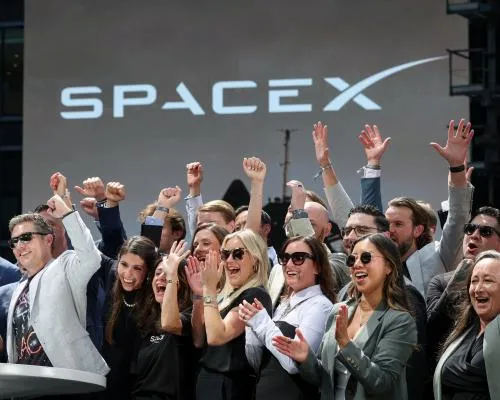 SpaceX to buy AI coding firm Anysphere for $60bn and passes Amazon valuation
Elon Musk firm adds startup behind Cursor app to its portfolio with xAI and reaches $2.8tn market capitalisation
-
 Raphaël Dubois knew why we walk anticlockwise
Letters: Readers respond to an report on experiments that have shown a left-turn bias among humans
-
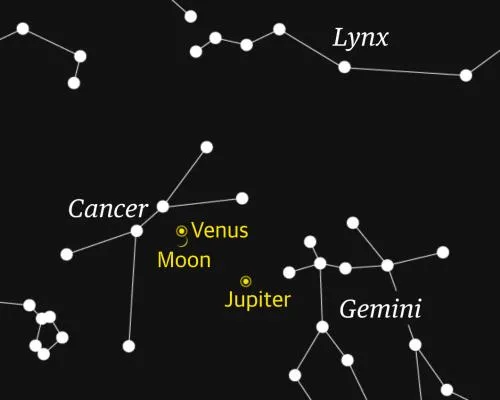 Starwatch: Sliver of moon and bright Venus create delightful twilight conjunction
Three-day-old moon will be about its own width away from luminous planet in constellation of Cancer
-
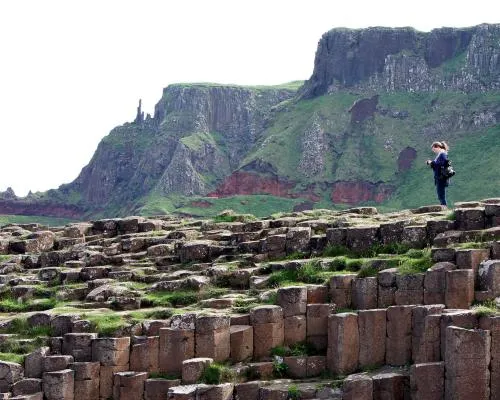 Globally significant volcanic event formed Giant’s Causeway, scientists find
Geochronologists say Antrim coastline’s basalt columns developed over 5.5m years – 8m less than thought
-
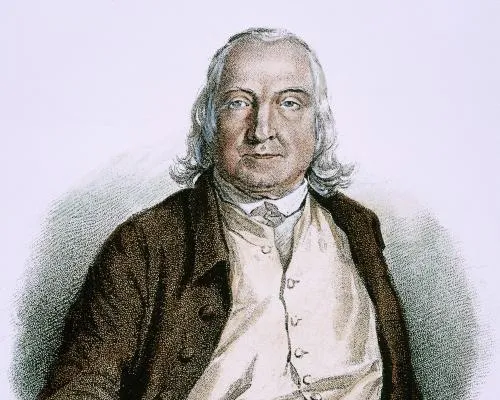 Join the crowd digitising Jeremy Bentham
Letter: Dr Tim Causer invites readers to help complete a transcription project and to explore the writings and correspondence of the philosopher and reformer Jeremy Bentham


